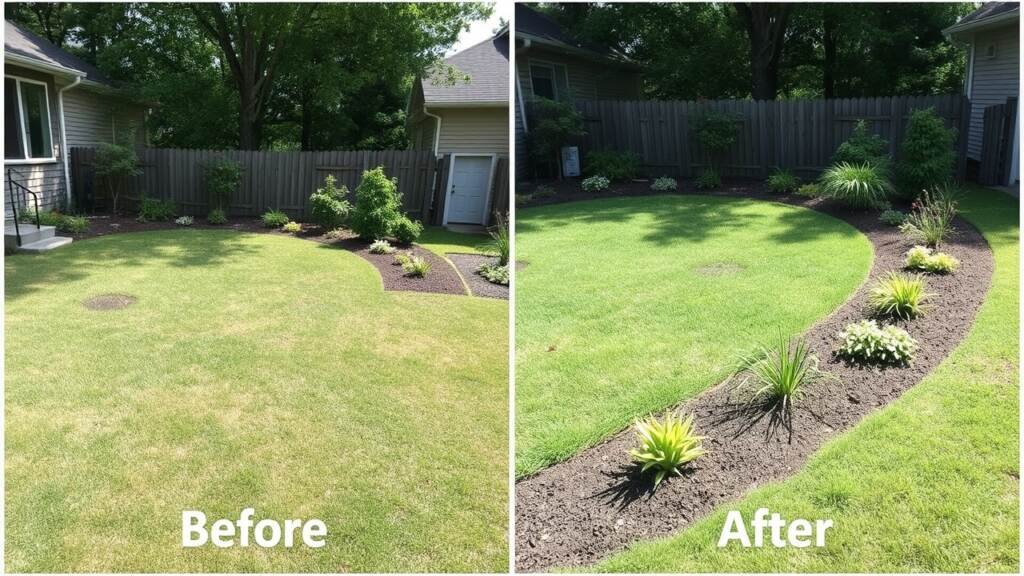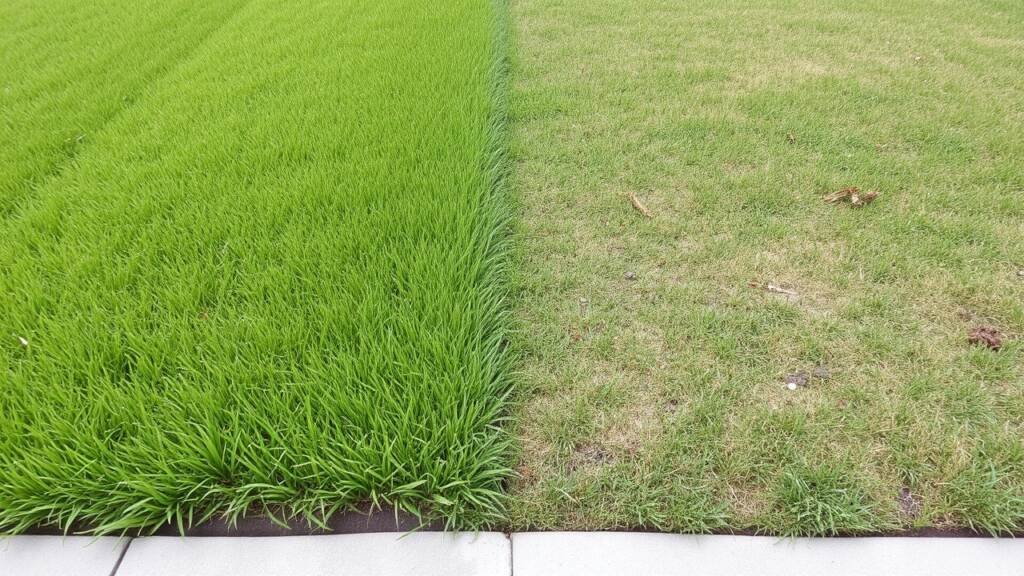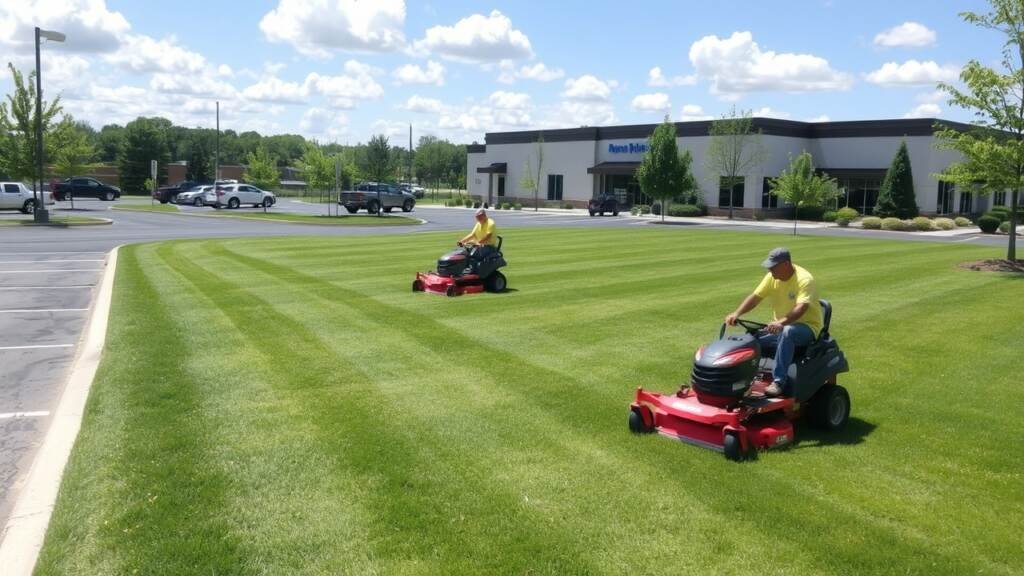
Maintaining a lush, green lawn is a goal for many homeowners, and understanding how often to mow a lawn is a crucial part of achieving that. Proper lawn mowing is not just about aesthetics; it’s fundamental for the overall health and vitality of your turf. This guide provides expert tips to help you establish the ideal lawn mowing schedule for your yard.
Introduction to Lawn Mowing Frequency
Importance of Mowing for Lawn Health
The mowing frequency significantly impacts the health of your lawn. When you mow regularly, you encourage healthy grass growth and density. Frequent mowing promotes strong root systems, which are essential for a healthy lawn. It also helps prevent weeds from establishing themselves by cutting off their seed heads. Knowing how often to mow your lawn is the first step toward a more vibrant outdoor space, and maintaining optimal mowing height is essential.
Preventing Common Lawn Problems
Poor mowing habits can lead to a host of lawn problems. If you don’t mow often enough, your grass can become overgrown and weak. Conversely, mowing too frequently can stress the grass, making it susceptible to diseases and pests. Proper mowing, as part of routine lawn care, helps prevent thatch buildup, scalping, and other common issues, ensuring your grass remains robust.
Factors That Determine How Often You Should Mow
Grass Type: Cool-Season vs. Warm-Season
The type of grass you have plays a significant role in determining how often you should mow. Cool-season grasses typically require more frequent mowing during the cooler months of spring and fall. Warm-season grasses may need more frequent mowing during the heat of summer. Understanding your grass type is vital for setting an appropriate lawn mowing schedule.
Growth Rate and Weather Conditions
Grass growth is heavily influenced by weather conditions. During periods of rapid growth, such as after rainfall or during peak growing seasons, you may need to mow more often. Conversely, during drier or cooler periods, the grass growth slows down, and you can reduce your mowing frequency. It’s essential to monitor your lawn’s growth rate and adjust your mowing frequency accordingly to maintain a healthy lawn.
Soil Quality and Its Impact
Healthy soil supports robust grass growth, which in turn may necessitate more frequent mowing. Soil quality is a foundational element in determining how often you should mow. Soil rich in nutrients and organic matter promotes vigorous growth, requiring you to mow the grass more often to maintain the ideal mowing height and overall lawn health. Ensure your soil is well-maintained to support a lawn that thrives and looks its best with each lawn mowing session.
Fertilization and Watering Habits
Your fertilization and watering habits directly impact how often you need to mow. When you fertilize, you’re providing your lawn with the nutrients it needs to grow, often leading to faster grass growth. Similarly, consistent watering, especially during dry periods, encourages grass growth. Therefore, if you fertilize and water your lawn regularly, be prepared to mow more often to maintain a manageable mowing height and prevent the grass from becoming overgrown.
Recommended Mowing Frequency

Weekly vs. Bi-Weekly Lawn Mowing Schedule
Deciding between a weekly or bi-weekly lawn mowing schedule depends largely on your grass type and the time of year. Cool-season grasses may require weekly mowing during their actively growing periods. Warm-season grasses might thrive with bi-weekly mowing during the heat of summer. If you fertilize regularly, a weekly lawn mowing may be necessary to keep up with the grass growth and maintain a healthy lawn.
Seasonal Breakdown of Mowing
The time you mow your lawn should vary with the seasons. In the spring, grass growth is usually rapid, so frequent mowing is beneficial. During the heat of summer, growth may slow, allowing you to mow every other week. In the fall, as cool-season grasses revive, increase your mowing frequency again. Winter usually requires minimal mowing. Adjust your lawn mowing schedule to match the natural grass growth cycles to keep your lawn looking its best.
The “One-Third Rule” for Mowing Height
A key principle in lawn care is the “one-third rule,” which suggests never removing more than one-third of the grass blade length in a single mowing session. This rule helps maintain healthy grass, prevents stress, and promotes strong root development. Adhering to this rule ensures you don’t scalp your lawn, and it helps grass achieve a healthy density. This practice supports overall lawn health and aesthetic appeal. The one-third rule is one of the most effective ways to keep your lawn looking its best while preventing damage.
Expert Tips for Healthier Mowing Practices
Determining the Ideal Mowing Height
Determining the ideal mowing height depends on your grass type. Cool-season grasses generally prefer a mowing height of 2.5 to 3.5 inches, while warm-season grasses thrive at 1 to 2 inches. Knowing your grass type and its ideal mowing height is essential for healthy grass growth. Adjusting your mower settings to match these recommendations ensures you’re not cutting too short, which can stress the grass.
Importance of Sharpening Lawn Mower Blades
Sharpening your lawn mower blades is crucial for maintaining a healthy lawn. Dull blades tear the grass, leading to ragged cuts that make the grass susceptible to disease and pests. Sharp blades provide a clean cut, promoting faster healing and healthier growth. Regularly sharpen your lawn mower blades to ensure your lawn is mowed efficiently and remains strong. Also, when blades are sharp, they require less energy to cut the grass.
Best Time of Day to Mow Your Lawn
The best time of day to mow your lawn is typically in the late morning or early evening. Avoid mowing during the hottest part of the day, as this can stress the grass, especially in the heat of summer. Mowing when the grass is dry reduces the risk of disease and ensures a cleaner cut. Choosing the right time to mow contributes significantly to the overall health and appearance of your lawn. Consider the weather and the grass’s moisture levels when planning your mowing schedule.
Grasscycling: Benefits of Leaving Clippings
Grasscycling provides numerous benefits. As clippings decompose, they return valuable nutrients to the soil, acting as a natural fertilizer. This practice can reduce the need to fertilize, saving you time and money. Grasscycling also helps retain moisture in the soil and promote healthier grass growth. Ensure that you’re only leaving small clippings that can easily decompose, avoiding thatch buildup. If you mow every week, this should be no problem.
Avoiding Common Mowing Mistakes
Avoiding common mowing mistakes is crucial for maintaining a healthy lawn. One frequent error is mowing too short, which can stress the grass. Another is mowing when the grass is wet, leading to clumping and uneven cuts. Overlapping your mowing passes slightly helps prevent scalping and ensures a uniform cut. Being mindful of these common mistakes helps maintain a healthy lawn and keeps your grass looking its best. Learning how often to mow your lawn is important to prevent these mistakes from happening.
Signs You Are Mowing Too Much or Too Little
Identifying Scalped Patches and Browning Tips
One of the most visible signs of incorrect mowing practices is the appearance of scalped patches. This occurs when the lawn is mowed too short, exposing the soil and damaging the grass plants. Similarly, browning tips on the grass blades indicate stress, often caused by mowing too frequently or using dull mower blades that tear rather than cut the grass. If you see either of these symptoms, adjust your mowing frequency and check the sharpness of your mower blades to promote a healthier lawn and ensure you don’t mow the grass too short.
Understanding Thatch Buildup
Infrequent mowing, especially if you remove too much grass at once, can contribute to thatch buildup. Thatch is a layer of dead organic matter that accumulates between the soil surface and the grass blades. While a thin layer of thatch can be beneficial, excessive thatch buildup can suffocate the grass, prevent water and nutrients from reaching the soil, and create a breeding ground for pests and diseases. Proper lawn care practices, including grasscycling and adjusting mowing frequency, help manage thatch levels and maintain a healthy lawn. You should mow your lawn more often to prevent this problem from happening.
Recognizing Tall, Weak, or Floppy Grass
If the grass becomes tall, weak, or floppy, it’s often a sign that you are not mowing often enough. Overgrown grass can become shaded at the base, weakening the lower portions of the plants. This can lead to a thin, unhealthy lawn that is more susceptible to disease and weed infestations. Regular mowing encourages healthy grass growth, promotes a dense turf, and prevents the grass from becoming too tall and weak. Be sure to consider the type of grass you have when determining how often to mow your lawn.
Conclusion
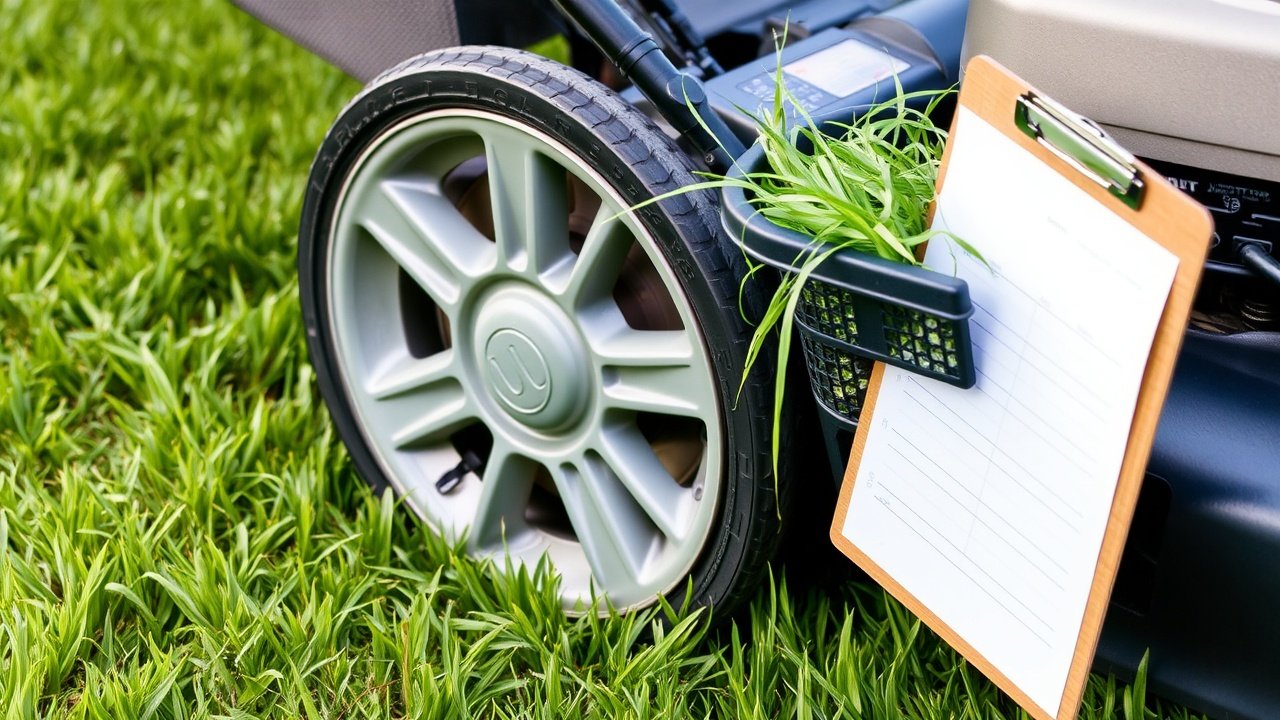
Summary of Proper Mowing Frequency
Knowing when and how often you should mow your lawn is essential for maintaining a healthy and attractive outdoor space. Factors such as the type of grass, growth rate, weather conditions, soil quality, and fertilization habits all play a role in determining the ideal mowing frequency. Following expert tips like the “one-third rule,” mowing at the right height, and practicing grasscycling can significantly improve the health and appearance of your lawn. If you mow every week, these tips will make a huge difference. If you prioritize lawn care, your grass will be healthier.
Destiny Landscape: Your Partner in Lawn Care
Maintaining a perfect lawn can be challenging, but with the right knowledge and support, you can achieve a beautiful and thriving outdoor space. Destiny Landscape is dedicated to providing expert lawn care services that cater to your specific needs. Whether you need help establishing a lawn mowing schedule or require comprehensive lawn maintenance, our team is here to assist you. The appropriate mowing frequency ensures healthy grass growth, and Destiny Landscape will help you make that happen.
Call-to-Action for Expert Lawn Care Services
Ready to transform your lawn into a lush, green paradise? Contact Destiny Landscape today for professional lawn care services tailored to your needs. Our experienced team can help you determine the ideal mowing frequency, provide expert lawn care tips, and ensure your lawn remains healthy and beautiful year-round. Let Destiny Landscape take the hassle out of lawn maintenance, so you can enjoy a stunning outdoor space without the stress.
- Lawn & Landscape Irrigation System Service by Irrigation Specialists
- Smart Irrigation Systems | The Future of Lawn Care by Destiny Landscape
- Smart Lawn Technology: The Rise of Eco-Intelligent Yards in the U.S.
- Core Aeration vs Spike Aeration: Which Lawn Aeration Method Should You Choose?
- Best gardening design apps for planning your outdoor space (2026 guide)