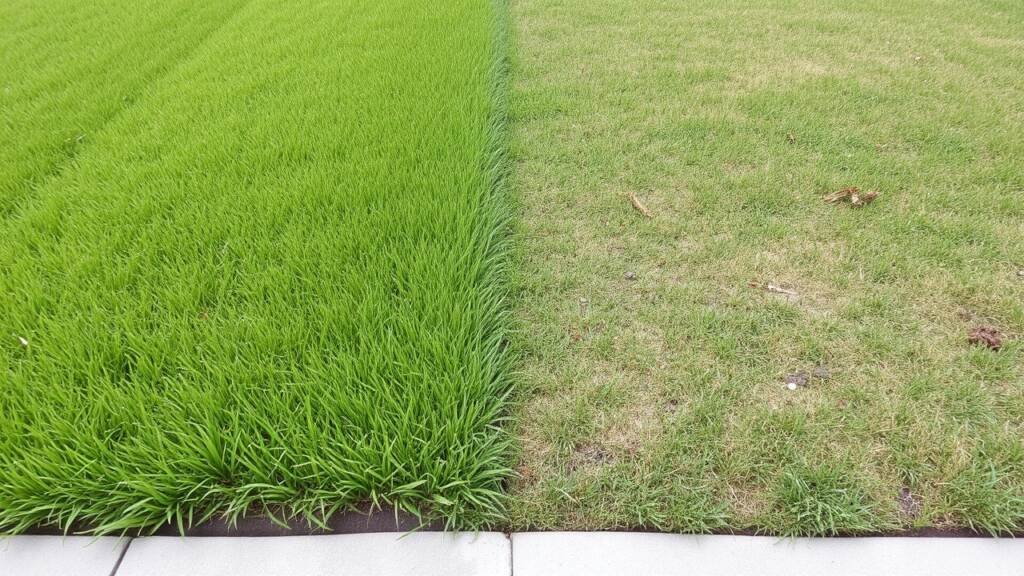

Maintaining a vibrant and healthy lawn is a rewarding aspect of homeownership. A key part of lawn care is knowing how often you should mow your lawn. This guide provides a comprehensive lawn mowing schedule, tailored to grass type, season, and other essential factors, ensuring you keep your lawn healthy and looking its best.
Understanding Mowing Frequency
Why Mowing Frequency Matters for Lawn Health
The mowing frequency significantly impacts your lawn’s health. When you mow your lawn properly, you encourage healthy grass growth and root development. Regular lawn mowing, done right, strengthens the grass, making it more resistant to weeds, pests, and diseases. Conversely, improper or infrequent mowing can stress the grass, leading to a less vibrant and unhealthy lawn. A good mowing schedule is essential to good lawn care.
How Often Should You Mow Based on Grass Type
The type of grass you have plays a crucial role in determining how often you should mow. Cool-season grass types, like Kentucky bluegrass and fescue, typically require more frequent mowing during their active growing season in the spring and fall. Warm-season grasses, such as bermuda grass and zoysia, thrive in the hot summer and may need more frequent mowing during the summer months. Understanding your grass type is key to establishing the right mowing schedule.
The Impact of Seasons on Mowing Frequency
The seasons dramatically affect grass growth, influencing how often to mow. During spring and fall, cool-season grass experiences rapid grass growth, and you need to mow more often. In the hot summer months, grass growth may slow down, requiring you to mow less often. Adjusting your mowing schedule to match the seasons ensures that you never cut more than one-third of the grass height and maintain a healthy lawn, promoting strong root systems and preventing stress on the grass blade.
Establishing a Lawn Mowing Schedule
Mowing Schedule for Cool-Season Grasses
For cool-season grass like Kentucky bluegrass and fescue, the growing season in spring and fall means you’ll need to mow more often. A good mowing schedule for these grass types involves mowing one to two times per week. This ensures that you never cut more than one-third of the grass height. Maintaining the right mowing height, typically between 2 to 3 inches, is crucial for a healthy lawn and encourages strong root systems. Frequent mowing during these peak grass growth periods promotes a dense, vibrant lawn. Remember to keep your lawn mower blades sharp to ensure a clean cut.
Mowing Schedule for Warm-Season Grasses
Warm-season grasses such as bermuda grass and zoysia typically thrive during the summer months. During this time, you may need to mow more frequently, perhaps once or twice a week, to maintain an optimal grass height. However, during cooler periods, when grass growth slows, you can mow less often. The goal is to keep your lawn looking neat without stressing the grass. Always adhere to the one-third rule, never cutting more than one-third of the grass blade at a time. Proper lawn care includes adjusting your mowing schedule to match the grass type and its growth habits.
Adjusting Mowing Based on Weather Conditions
Weather conditions significantly influence grass growth and, consequently, how often you should mow. During periods of significant rainfall and warmth, grass growth accelerates, requiring you to mow more often to maintain your lawn height and prevent it from becoming overgrown. Conversely, during dry spells or extreme heat, grass growth may slow down, and you can mow less often. Being flexible with your lawn mowing schedule based on weather patterns ensures you’re not stressing the grass and helps keep your lawn healthy. Pay attention to the needs of your lawn and adjust your mowing accordingly.
The One-Third Rule Explained
What is the One-Third Rule?
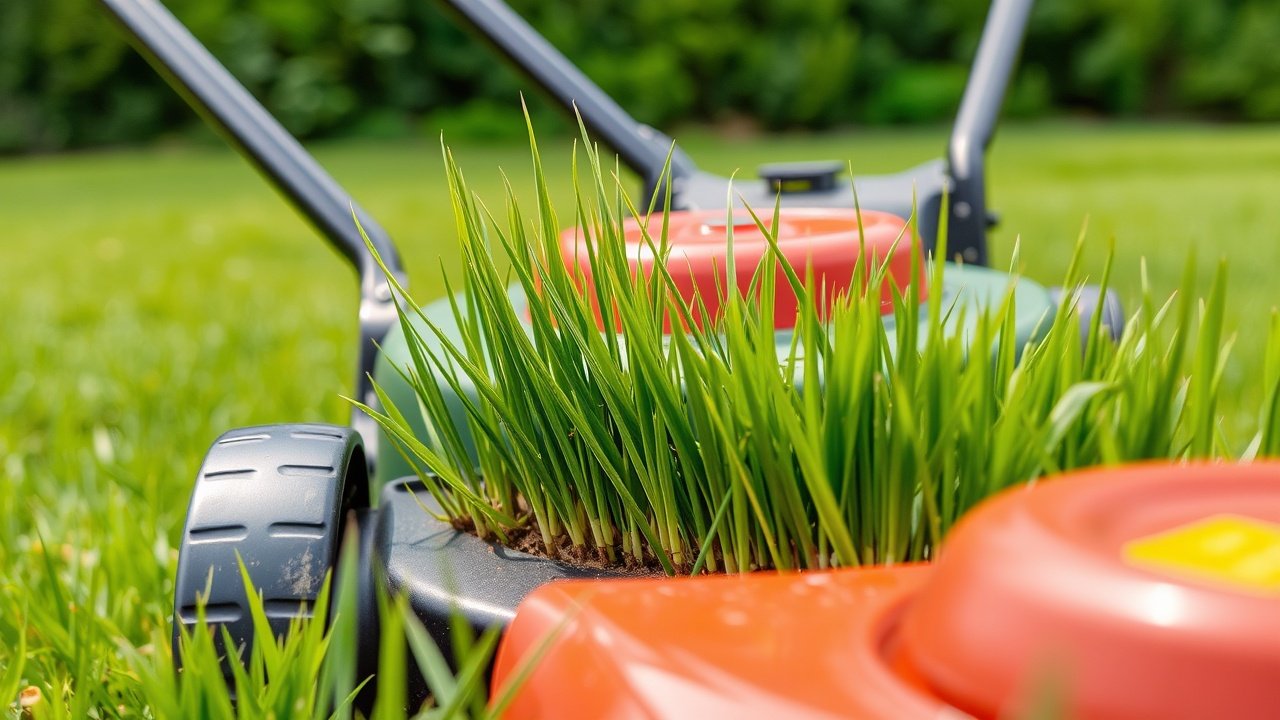
The One-Third Rule is a foundational principle in proper lawn care. It dictates that you should never cut more than one-third of the grass blade at a time when you mow your lawn. For instance, if your grass height is four inches, you should only cut off a maximum of one and one-third inches. This rule is crucial for maintaining a healthy lawn because removing too much of the grass at once can stress the plant, hindering its ability to photosynthesize and weakening its root system. Adhering to this rule promotes better grass growth and overall lawn health.
Benefits of Following the One-Third Rule
Following the One-Third Rule offers numerous benefits for your lawn’s health. When you never cut more than one-third of the grass height, you reduce stress on the grass, encouraging a robust root system and dense grass growth. This practice also helps the lawn retain moisture, reducing the need to water your lawn as often. Furthermore, the grass clippings left behind act as a natural fertilizer, returning valuable nutrients to the soil. Adhering to this rule leads to a greener, healthier, and more resilient lawn, enhancing your property’s curb appeal and reducing the need for chemical treatments. By mowing at proper intervals, you can keep your lawn thriving.
How to Implement the One-Third Rule Effectively
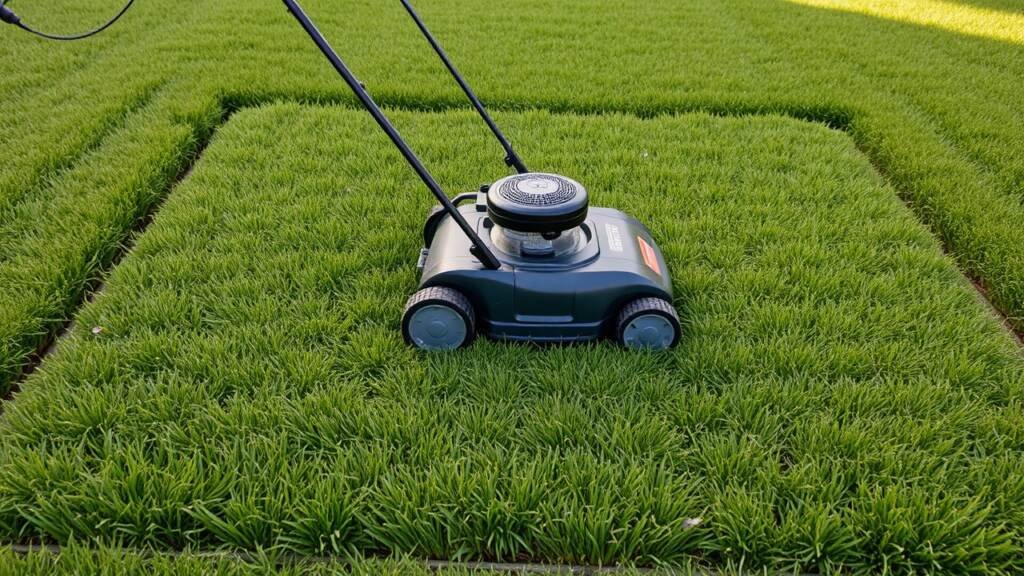
To effectively implement the One-Third Rule, start by regularly monitoring your grass height. Before you mow your lawn, assess how much the grass has grown and determine the appropriate mowing height. Adjust your lawn mower settings to ensure that you never cut more than one-third of the grass blade. This might mean you need to mow more often, especially during peak grass growth periods in spring and fall. Keep your lawn mower blade sharp to ensure a clean cut, minimizing stress on the grass. Adjusting your mowing schedule and technique ensures you keep your lawn healthy.
Avoiding Common Mowing Mistakes
Common Mistakes Homeowners Make When Mowing
One of the most common mistakes homeowners make is cutting the grass too short, often in an attempt to mow less often. This practice weakens the grass, making it more susceptible to weeds, diseases, and drought. Another frequent error is using a dull lawn mower blade, which tears the grass blade instead of cutting it cleanly, leading to stressed and unhealthy grass. Also, neglecting to adjust mowing frequency based on the season and weather conditions can negatively impact lawn health. Understanding these common pitfalls is the first step in effective lawn care.
Tips to Avoid Cutting Grass Too Short
To avoid cutting grass too short, start by setting your lawn mower to the correct mowing height. Different types of grass thrive at different heights, so research the ideal mowing height for your grass type. It is also important to adjust your mower blade setting to a higher level. Always adhere to the One-Third Rule, ensuring you never cut more than one-third of the grass blade at a time. During hot summer months, consider raising the mowing height slightly to help the grass retain moisture and protect it from the heat. Regular monitoring and adjustment can keep your lawn healthy.
Signs You’re Mowing Too Often or Not Enough
There are several telltale signs that indicate you’re mowing too often or not enough. If your grass looks scalped or thin, it may be a sign you’re cutting grass too short or mowing too often. Conversely, if your lawn appears overgrown with excessive thatch buildup and weed infestation, it may mean you’re not mowing often enough. Yellowing or browning grass can also indicate stress from improper mowing practices. Regularly assess your lawn’s appearance and adjust your mowing schedule to meet its specific needs, ensuring you mow the lawn at optimal intervals.
Mowing Tips for Different Conditions
How to Mow During Drought Seasons
During drought seasons, it’s crucial to adjust your lawn mowing habits to protect your grass from additional stress. When you mow your lawn during these times, raise your mower blade to a higher mowing height. Taller grass helps shade the soil, reducing evaporation and keeping the soil cooler, which promotes a healthy lawn. Mow less often and only when necessary, as grass growth typically slows significantly. Make sure your mower blade is sharp to minimize stress when you cut grass.
Best Practices for Mowing in Rainy Conditions
Mowing in rainy conditions can be challenging but sometimes unavoidable. Ensure your mower blade is sharp to prevent tearing the grass blade, which can lead to disease. Avoid mowing when the grass is waterlogged, as this can cause soil compaction and damage the grass. If you must mow the lawn when it’s wet, mow more often at a higher grass height. This will allow the grass clippings to dry more quickly. Clean your lawn mower thoroughly after each use to prevent the build-up of wet grass clippings.
When to Consider Hiring Professional Lawn Care Services
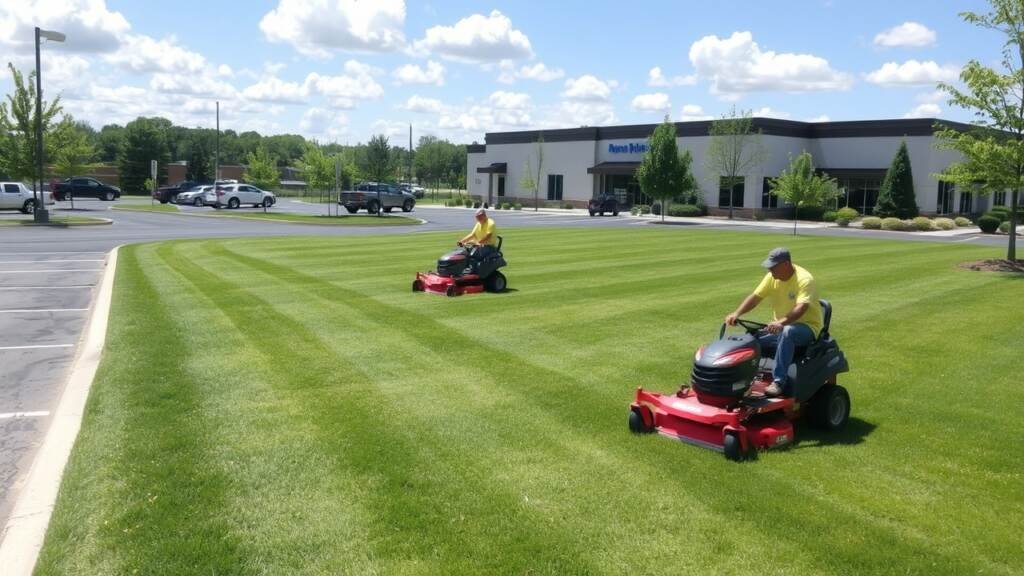
There are times when maintaining a healthy lawn requires more expertise and time than you can provide. If you find yourself struggling to maintain a proper lawn mowing schedule or dealing with persistent lawn issues such as diseases or severe weed infestations, consider hiring professional lawn care services. Professional lawn care services can provide tailored mowing schedules, proper fertilization, weed control, and other treatments to keep your lawn healthy. They can assess your grass type and soil conditions to recommend the best course of action, ensuring you keep your lawn looking its best. Contacting a lawn care service can be a worthwhile investment in the long-term health and beauty of your lawn.
Conclusion
Recap of Key Lawn Care Tips
In summary, knowing how often you should mow the lawn is crucial for maintaining a healthy lawn. Adjust your mowing schedule based on your grass type, the season, and weather conditions. Always adhere to the One-Third Rule, never cut more than one-third of the grass height at a time. Keep your lawn mower blade sharp, avoid mowing when the grass is wet, and adjust your mowing height as needed to promote strong grass growth. Frequent mowing, when done right, can lead to a lush, vibrant lawn.
Encouragement for Regular Lawn Maintenance
Maintaining a beautiful lawn requires consistent effort and attention. By following the tips and schedules outlined in this guide, you can achieve a lawn that enhances your home’s curb appeal and provides a pleasant outdoor space. Regular lawn mowing, combined with proper watering and fertilization, will keep your lawn healthy and resilient. Remember that a well-maintained lawn not only looks great but also contributes to a healthier environment. Invest the time and effort to nurture your lawn, and you’ll enjoy the rewards for years to come.
Contact Information for Professional Lawn Services
If you find that your lawn care needs are beyond your capabilities, don’t hesitate to seek professional help. Many reputable lawn care services offer customized mowing schedules and comprehensive lawn maintenance plans. Consider researching local services or seeking recommendations from neighbors and friends. A professional can assess your lawn’s specific needs and provide expert care, ensuring your grass grows healthy. Contacting a lawn care service can be a worthwhile investment in the long-term health and beauty of your lawn.