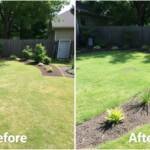
Installing a new lawn can dramatically enhance your home’s curb appeal and provide a beautiful outdoor space. But how long does grass installation take? Understanding the installation time involved, whether you’re considering sod, seed, or artificial turf, is crucial for planning and achieving the best results. This guide breaks down the grass installation timeline, helping U.S. homeowners set realistic expectations and ensure a successful new lawn.
Why Grass Installation Time Matters
Understanding the grass installation timeline is crucial for any homeowner planning a new lawn. Knowing how long it takes to install grass helps you plan other outdoor projects and daily routines around the lawn installation process.
Planning Around Events and Routines
A detailed timeline helps you plan events, manage pet access, supervise children’s play, and adjust your daily routines. Knowing the sod installation time, for instance, ensures you can schedule outdoor activities accordingly without disrupting the new grass and its establishment.
Avoiding Rushed Installations
Understanding how long the new lawn installation process takes helps you avoid rushing the job. Proper planning ensures each step, from soil preparation to laying sod, is done thoroughly. This is especially important for root growth.
Setting Realistic Expectations
Being aware of the turf installation timeline allows you to set realistic expectations. You’ll know when you can expect to see a lush, green lawn and when you can mow for the first time, avoiding disappointment and frustration. Understanding how long it takes is key.
Typical Grass Installation Timeline (Step by Step)
The typical grass installation process involves several key steps, each contributing to the overall installation time. Whether you’re installing sod, seeding, or opting for artificial turf, understanding each phase of the process will provide a clear picture of the time investment required. This sod installation timeline covers everything from initial site evaluation to the final installation day.
Site Evaluation & Planning
The first step is a comprehensive site evaluation, including measuring the area to determine the amount of turf or seed needed. Assessing the soil condition is also critical to ensure proper drainage and nutrient content. Selecting the right grass type for your climate and usage is another key factor in this phase, ensuring the long-term health and beauty of your new lawn.
Ground & Soil Preparation
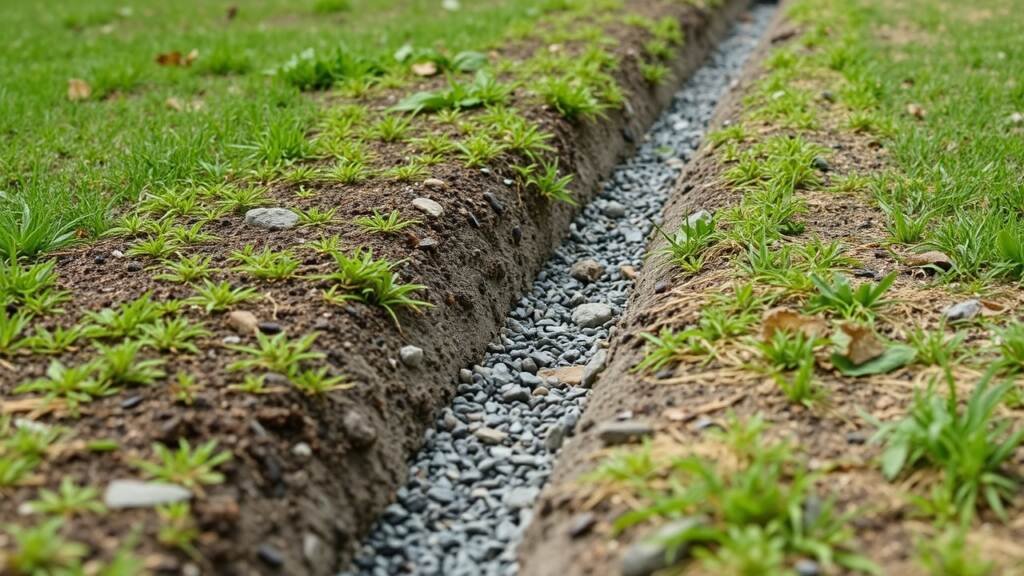
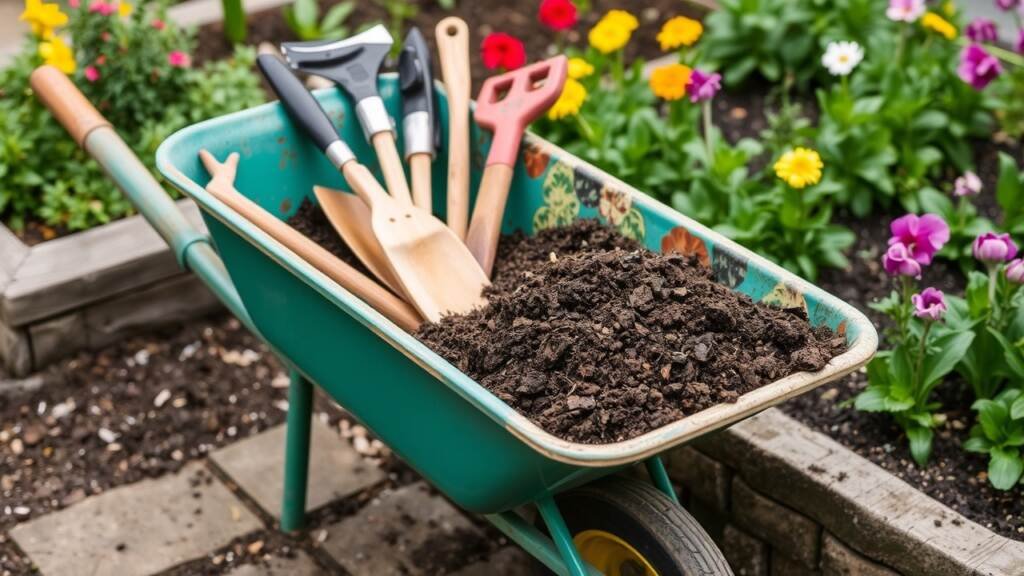
Ground and soil preparation is a crucial step that significantly impacts the success of new grass installation. This involves removing old grass or debris to create a clean slate. Grading and leveling the soil ensure a smooth surface and proper drainage. Improving soil structure by adding organic matter or amending the soil enhances root growth, leading to a healthier, more vibrant residential lawn.
Installation Day
Installation day is when your vision of a new lawn starts to become a reality. Sod installation can often be completed in one day, providing an instant green lawn. Grass seed installation involves spreading the seeds evenly and ensuring they are properly watered. For artificial turf installation, timelines vary depending on the complexity of the project.
How Long Does It Take for Grass to Establish?
Once the sod or seed is laid, the next crucial phase is establishment. How long does it take for the new lawn to fully establish? Understanding this will help you manage expectations regarding when you can fully enjoy your turf.
Sod Rooting Period
After sod installation, the sod needs time to establish root growth. Typically, sod takes about 2 to 3 weeks after installation to properly root into the soil. During this period, it’s vital to keep the new sod consistently moist to encourage deep root growth and ensure a healthy, vibrant lawn. Avoid heavy foot traffic during these weeks after installation.
Grass Seed Germination Timeline
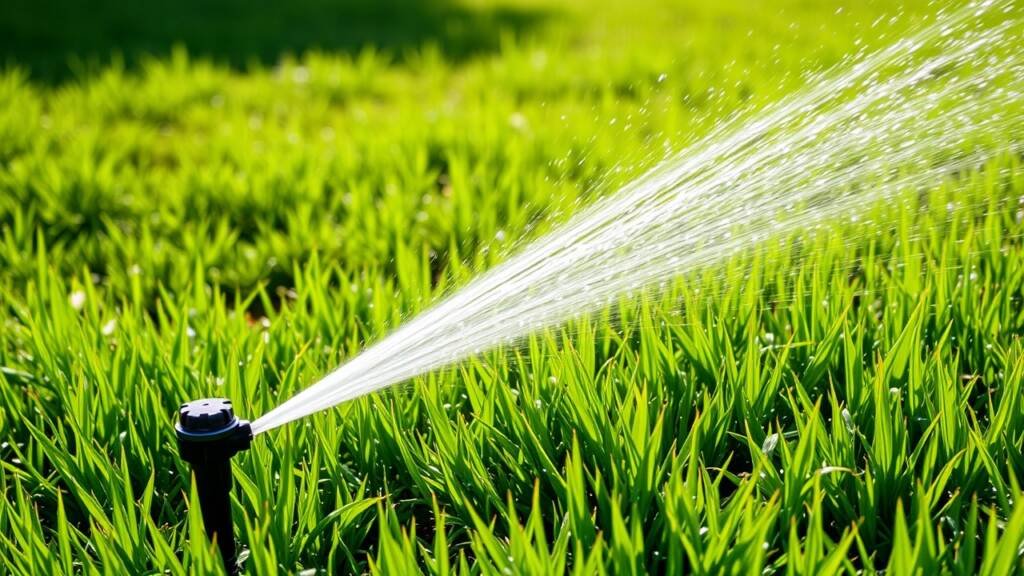
For those opting for seeding, the germination timeline varies depending on the grass type. Generally, grass seeds can germinate within 7 to 21 days, assuming proper soil temperatures and consistent moisture. It’s essential to keep the seeded area consistently damp but not waterlogged to encourage successful germination of the grass type. Overseeding can help ensure a dense lawn.
When Lawn Becomes Safe for Foot Traffic
The lawn’s safety for foot traffic depends on the installation process. With sod, it’s generally safe for light foot traffic about 3 weeks after installation, once the roots have firmly established. Seeded lawns require more time, usually 6 to 8 weeks, to ensure the grass is mature enough to handle regular use. Wait until the grass reaches a certain height before allowing regular activity.
Factors That Can Affect Installation Time
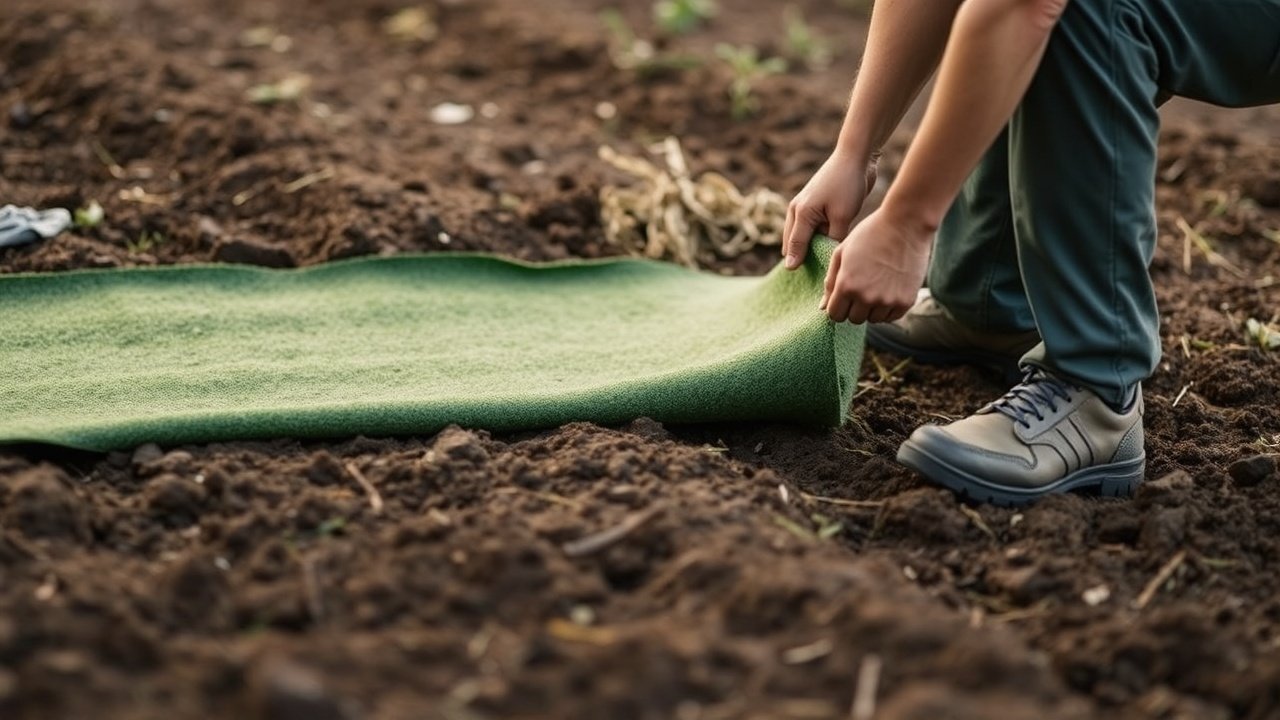
Several factors can influence the overall installation time for a new lawn. Recognizing these variables can help homeowners prepare and potentially expedite the installation process without compromising quality. Knowing what could take longer helps manage the detailed timeline.
Lawn Size and Layout
The size of your lawn significantly impacts the installation time. A larger area naturally requires more time for soil preparation, laying sod, or seeding. The lawn’s layout, including any curves or obstacles, can also increase the time needed, as it requires more precise cutting and fitting of the turf.
Soil Condition and Preparation
The existing soil condition plays a crucial role in the installation time. Poor soil quality may require extensive amendments, such as adding compost or other organic materials, to ensure proper drainage and nutrient availability. Addressing soil compaction or contamination can also take longer but is essential for successful root growth and overall lawn health. This installation process ensures the lawn thrives.
Weather and Seasonal Considerations
Weather conditions significantly affect the installation time and success of a new lawn. Installing sod or seed during extreme heat or cold can hinder root growth and germination. Seasonal timing is essential; for example, planting cool-season grasses in the fall allows them to establish before the heat of summer. Monitor the weather to ensure optimal conditions for the installation process.
Professional vs DIY Installation—Time Comparison
Common Delays in DIY Projects
DIY projects often encounter delays due to various factors such as incorrect measurements, improper soil preparation, and lack of experience, extending the installation time. Homeowners may underestimate how long it takes to properly level the ground or fertilize the soil, leading to setbacks. Renting equipment and making multiple trips to the sod farm can also take longer than anticipated.
Efficiency of Professional Installation
Professional installers bring expertise and specialized equipment to streamline the installation process, reducing the overall installation time. They efficiently manage tasks like old grass removal, grading, and laying sod. Their experience minimizes errors and ensures the new lawn is established correctly, getting you ready to mow your turf much sooner.
Benefits of Hiring Experts
Hiring experts guarantees a faster and more efficient turf installation. Professionals understand how long it takes to complete each step, from initial site evaluation to final laying of the turf or artificial grass. Their proficiency ensures that the new lawn is ready for use sooner, saving homeowners valuable time and effort. Getting help with your sod installation will be easier than doing it alone.
Common Timeline Mistakes Homeowners Make
Overlooking Soil Preparation
One of the biggest mistakes homeowners make is neglecting proper soil preparation, which significantly impacts the installation time. Without adequate soil amendments, the root growth may be stunted, leading to a less healthy lawn. Taking the time to improve the soil structure ensures the new lawn thrives. It’s a vital step of the installation process.
Installing During Extreme Weather
Installing sod or seed during extreme heat or cold can hinder establishment and extend the overall installation time. High temperatures can cause new sod to dry out quickly, while freezing conditions can prevent root growth. It’s best to install the new lawn during moderate weather to ensure optimal results. This also relates to which grass type you choose.
Improper Watering Techniques
Improper watering after installation can also slow down the establishment of the new lawn. Overwatering can lead to fungal diseases, while underwatering can cause the sod or seed to dry out. Following a consistent and appropriate watering schedule is crucial for healthy root growth and a faster installation outcome. Be sure to follow the detailed timeline.
How to Speed Up the Process Without Cutting Corners
Effective Planning Strategies
Careful planning is essential for speeding up the installation process without sacrificing quality. This includes scheduling the turf installation at the optimal time of year and ensuring all necessary materials are readily available. Efficient planning streamlines each step and reduces potential delays, allowing you to enjoy your turf sooner.
Selecting the Right Grass Type
Choosing the right grass type for your local climate and soil conditions can significantly impact the success and speed of turf installation. Selecting a grass type that is well-suited to the environment ensures better root growth and establishment, reducing the overall installation time. Consider factors like sunlight, water needs, and traffic tolerance when making your selection.
Working with Experienced Installers
Engaging experienced installers can greatly expedite the installation process while ensuring high-quality results. Professionals possess the knowledge and skills to efficiently manage each step, from soil preparation to laying the sod or artificial turf. Their expertise minimizes mistakes and guarantees a faster, more successful new lawn. You will want to find a turf expert to install your residential lawn.
- Managing Thatch in Your Lawn: Simple Thatch Management
- Types of Trees for Your Landscape: Arbor Day Foundation Guide
- Best gardening design apps for planning your outdoor space (2026 guide)
- Best mowing height for a healthy lawn (complete chart)
- Smart Lawn Mowing Robots: The Future of Effortless Lawn Care in the U.S.