Maintaining a clean and inviting swimming pool or spa is essential for enjoyment and safety. At the heart of every effective pool maintenance routine lies the filtration system. The Hayward pool filter, known for its reliability and efficiency, plays a crucial role in keeping your pool pristine.
Understanding Pool Filters
A pool filter is a vital component of any pool or spa. It’s responsible for removing dirt and debris from the pool water, ensuring that the water remains clean, clear, and safe for swimming. The filtration system works tirelessly to trap particles and maintain optimal water clarity. The type of filter you choose significantly impacts the overall health and appearance of your pool.
What is a pool filter?
A pool filter is an essential device designed to remove impurities from pool water. The primary function of a pool filter is to strain out contaminants like leaves, algae, and small particles, which can cloud the water and create an unsanitary swimming environment. A good pool filter, like a Hayward filter, is key for a healthy pool.
Types of Pool Filters
Pool filters come in several main types. These include:
- Sand filters, which use a sand bed to trap dirt and debris.
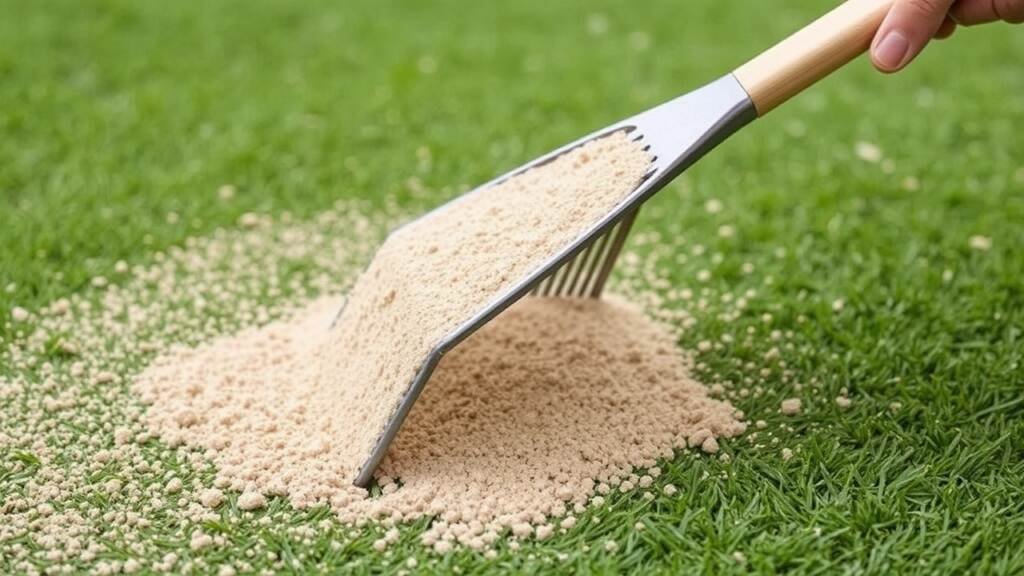
- DE filters, which use diatomaceous earth for finer filtration.
- Cartridge filters, which utilize a filter cartridge to capture particles.
Each type of filter has its own advantages and disadvantages depending on the application.
Hayward Sand Filters
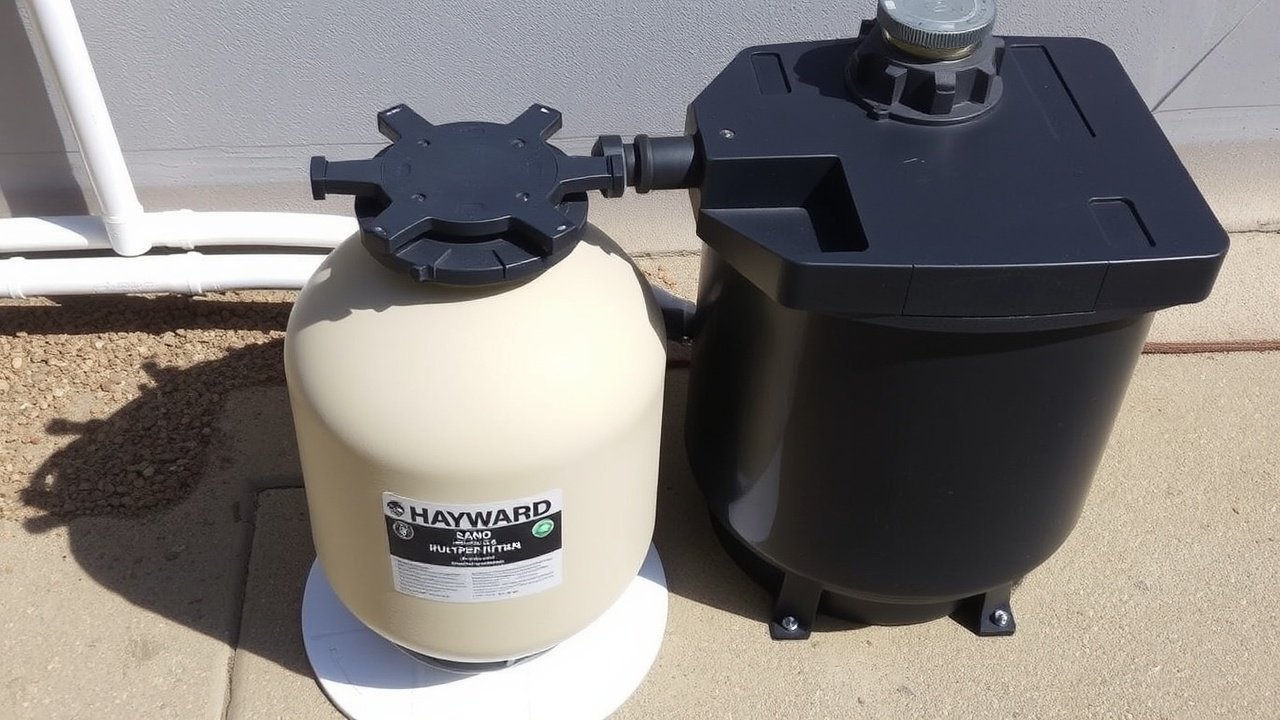
Hayward sand filters are a popular choice for many pool owners due to their simplicity and ease of maintenance. Hayward sand filters use a bed of filter sand to trap dirt and debris as water passes through it. Backwashing is a critical process for sand filters, where the flow of water is reversed to flush out the accumulated impurities. Regular backwashing helps maintain optimal water flow.
Hayward DE Filters
Hayward DE filters are known for their exceptional filtration capabilities. Hayward DE filters use diatomaceous earth, a fine powder, to trap even the smallest particles, often down to 3-5 microns. This results in superior water clarity compared to sand or cartridge filters. DE filters use a grid system coated with DE, which requires periodic backwashing to remove the accumulated DE powder.
Cartridge Filters
Cartridge filters are another common type of pool filter, known for their ease of use and fine filtration capabilities. A Hayward cartridge filter uses a pleated filter cartridge to trap dirt and debris. Cleaning a cartridge filter involves removing the cartridge and hosing it off. Hayward cartridges are easy to maintain. The SwimClear line of Hayward pool products offers effective water filtration.
How a Hayward Pool Filter Works
Filtration Process
The Hayward pool filter, whether it’s a sand filter, DE filter, or cartridge filter, operates on a simple principle: water passes through a filter media that traps dirt and debris. The filtration system starts as pool water is drawn from the swimming pool or spa through the skimmer and main drain, then it’s pumped through the Hayward pool filter. The filtered water then returns clean and clear back into the pool.
Role of Skimmers and Return Jets
Skimmers and return jets play a key role in the filtration process. The skimmer removes surface debris, preventing it from sinking and causing problems. Return jets ensure the filtered pool water is evenly distributed throughout the pool, improving water clarity and preventing stagnant areas. This circulation, powered by the Hayward filtration system, helps keep your pool clean and healthy.
Importance of Micron Ratings
Micron ratings are crucial for understanding the filtration capability of your Hayward pool filter. A micron is a unit of measurement used to describe the size of particles the filter can trap. Hayward DE filters, for example, can filter down to 3-5 microns, providing superior water clarity. Understanding micron ratings helps you choose the right type of filter for your needs. Consider your pool type, as saltwater pools have different needs.
Backwashing and Maintenance
When to Backwash Your Filter
Backwashing is a critical maintenance task for sand and DE filters. Backwashing reverses the water flow to flush out accumulated dirt and debris from the filter media. You should backwash your Hayward filter when the pressure gauge reads 8-10 psi above the normal operating pressure, as indicated in your owner’s manual. Neglecting backwashing can reduce water flow and filtration efficiency.
Step-by-Step Backwashing Process
Here’s how to backwash your Hayward filter, a process that removes accumulated dirt and debris and helps keep your pool clean:
- First, turn off the pump and turn the multiport valve to the “backwash” setting.
- Next, turn the pump back on and let it run for 2-3 minutes, or until the water in the sight glass is clear.
- Turn off the pump again, set the multiport valve to “rinse” for about 30 seconds to resettle the filter media, and then return it to the “filter” setting.
Regular Maintenance Tips
Regular maintenance is essential for prolonging the life of your Hayward pool filter. This includes several key steps:
- Inspect the filter tank and all connections regularly for leaks or damage.
- Clean or replace the filter cartridge as needed, following the manufacturer’s instructions.
- For DE filters, replenish the DE after each backwashing.
Maintaining the proper water level in your pool also helps to keep your pool clean. Regularly check the system to ensure it filters well.
Troubleshooting Common Issues
Signs of a Problematic Filter
Recognizing the signs of a problematic Hayward pool filter early can prevent more significant issues down the line. Reduced water flow, cloudy pool water, and a pressure gauge reading higher than 10 psi above normal are indicators that your filter needs attention. Visible dirt and debris returning back into the pool after filtration are also red flags, indicating a filter malfunction or the need to backwash.
Common Troubleshooting Techniques
When troubleshooting your Hayward filter, start by checking the pressure gauge and comparing it to the reading in your owner’s manual. Inspect the filter tank for cracks or leaks. For sand filters, ensure the sand bed is level and free of channeling. For DE filters, check the DE grids for tears or clogs. Clean the filter cartridge for cartridge filters and ensure proper water level in your swimming pool or spa.
When to Call a Professional
While many troubleshooting steps can be handled by pool owners, some issues require professional help. If you notice persistent cloudiness despite regular backwashing or if the filter tank is damaged, it’s time to call a professional. Additionally, if you’re uncomfortable working with the multiport valve or handling DE, seeking expert assistance is a prudent decision to keep your pool properly maintained.
Pro Tips for Optimal Performance
Choosing the Right Filter for Your Pool
Selecting the appropriate type of filter is crucial for maintaining optimal water clarity. For larger inground swimming pools or spas with heavy debris loads, consider Hayward DE or Hayward sand filters for their robust filtration capabilities. For smaller pools or spas, a cartridge filter from the SwimClear line of Hayward pool products may suffice. Also, consider if you have a saltwater pool.
Enhancing Filter Efficiency
To enhance Hayward pool filter efficiency, ensure that your filtration system is properly sized for your pool. Regularly clean or replace the filter cartridge. Optimize the water flow by ensuring that skimmers and return jets are positioned correctly. Periodically inspect the lateral assembly inside the sand filter to confirm that they are free of blockages. Systems use valves to control the water passage.
Integrating Pool Heaters with Hayward Filters
Integrating a pool heater with your Hayward pool filter requires careful planning to ensure proper flow rates. Place the pool heater downstream from the Hayward filter to prevent dirt and debris from clogging the heater’s components. Regularly inspect the heater for any signs of corrosion or scale buildup, especially if you are using DE powder with your filters for added filtration.
- Driveway pavers boost curb appeal transform your summerlin south home’s first impression
- Top 10 Landscape Design Trends in 2025
- Eco-Friendly Landscaping Ideas for a Sustainable Home Garden
- 20 flowering shrubs that burst into vibrant red blooms
- 5 Ways to Aerate Your Lawn Without Expensive Equipment Using a Free Landscape Design App