Installing a new lawn can dramatically enhance your home’s curb appeal, providing a lush, green lawn for relaxation and recreation. However, many homeowners are surprised by the hidden costs associated with grass installation that often go unmentioned in initial quotes. Understanding these potential expenses upfront can help you budget accurately and avoid unwelcome financial surprises during your lawn installation project, whether you choose natural grass or artificial turf.
Why Grass Installation Quotes Often Miss Key Costs
Many homeowners focus on the “per square foot” price when evaluating grass installation quotes, assuming it represents the total cost. However, this number often only covers the sod or artificial grass itself, neglecting other crucial factors that significantly affect the cost. This can create a misleading impression of the overall cost, especially when comparing quotes for natural grass versus artificial turf solves for those maintenance costs.
Flat-rate estimates vs real site conditions
Flat-rate estimates for grass installation can seem appealing due to their simplicity, but they often fail to account for the unique conditions of your property. The upfront cost might appear reasonable, but the final bill can quickly escalate if the installation process reveals unforeseen challenges. These estimates can quickly change due to factors like poor soil, drainage issues, or the need for extensive site preparation, all of which contribute to additional costs not included in the initial assessment.
Why “per square foot” pricing can be misleading
While “per square foot” pricing provides a seemingly straightforward way to estimate grass installation costs, it often presents an incomplete picture. The quoted price typically covers only the sod or synthetic grass itself and the most basic labor costs. It rarely includes essential services like removing old grass, soil amendment, grading, or the installation of edging and borders. Failing to account for these elements can significantly underestimate the total cost, leading to budget overruns when installing a new lawn.
Soil Preparation and Groundwork Expenses
Soil removal, grading, and leveling
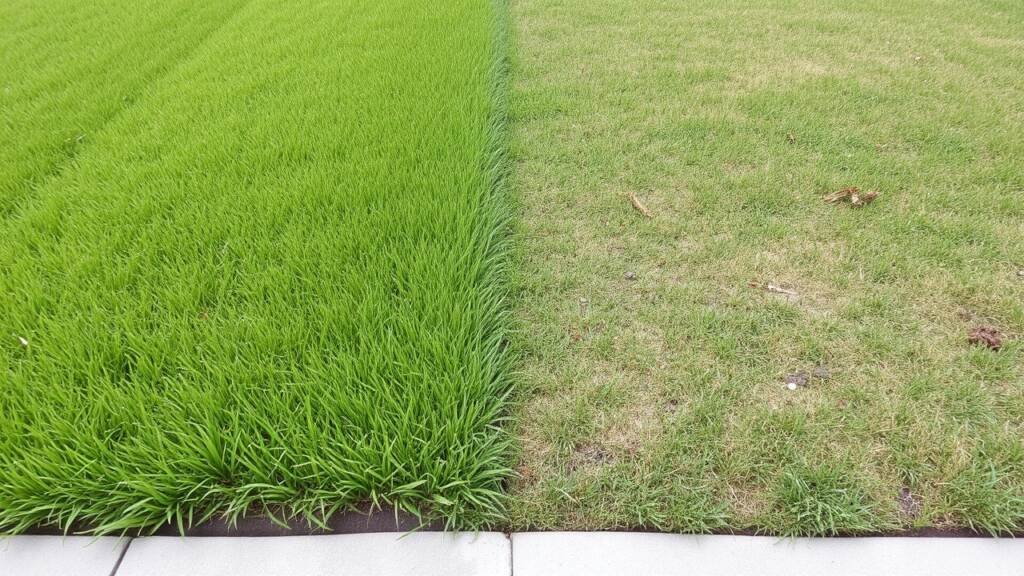
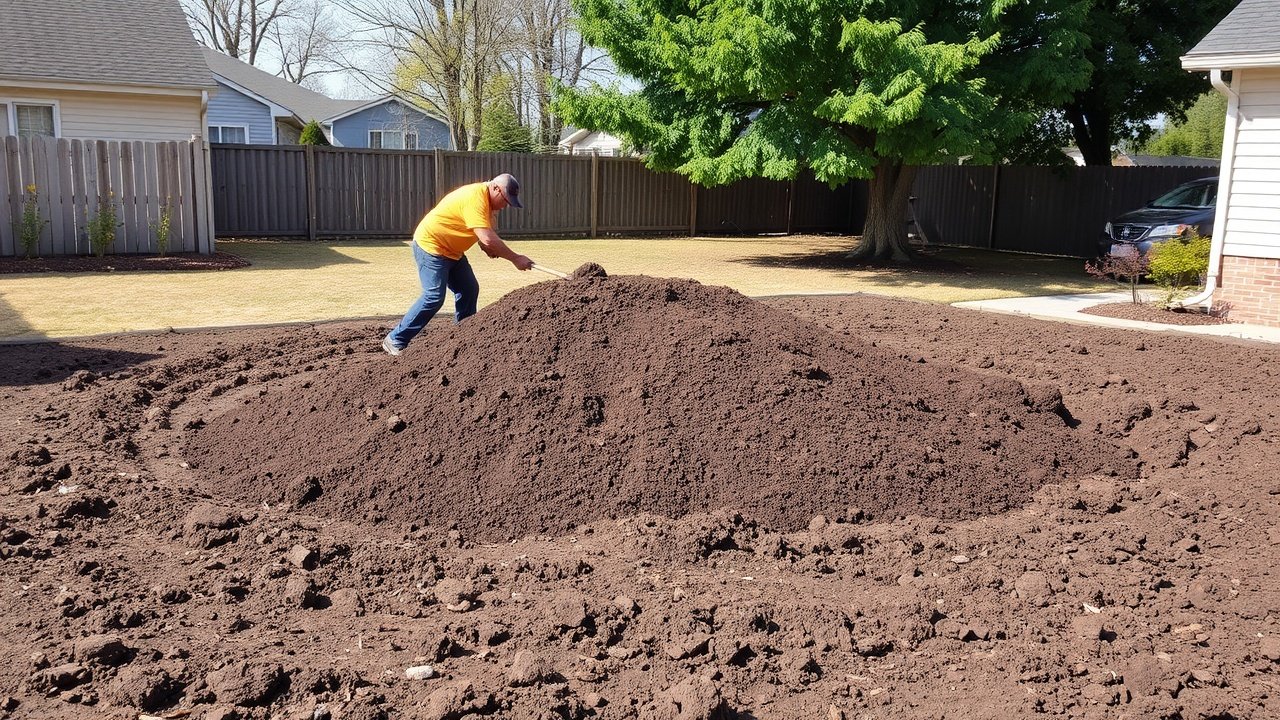
Before any new lawn installation can begin, the existing grass and debris must be removed, and the ground properly graded and leveled. This process can uncover unexpected issues, such as buried construction materials or uneven terrain, leading to additional labor costs and disposal fees. Addressing these challenges is crucial for ensuring a smooth, even surface that promotes healthy root growth and prevents water pooling in your new green lawn. The amount of work needed here can dramatically affect the cost.
Poor soil quality and soil amendment costs
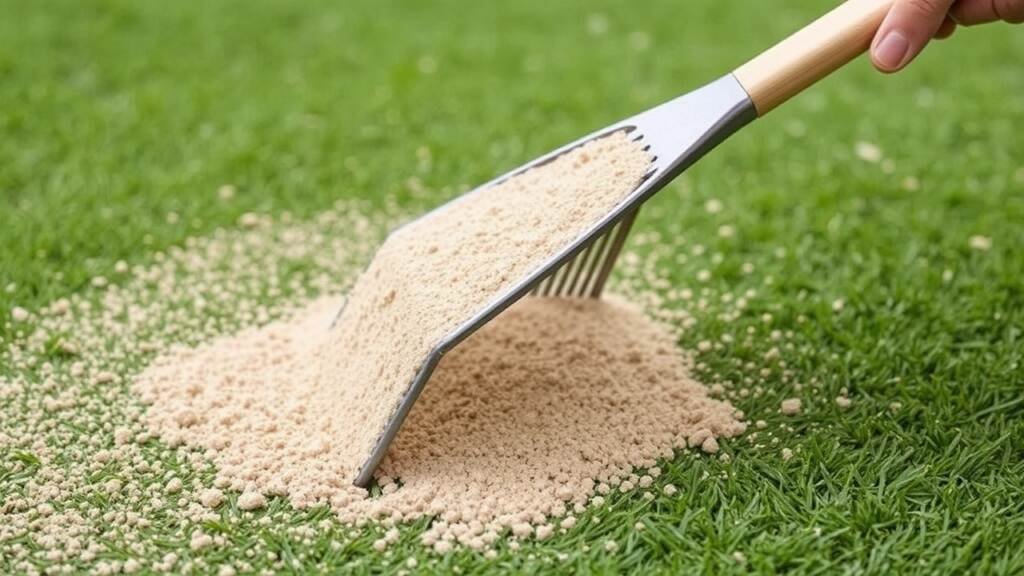
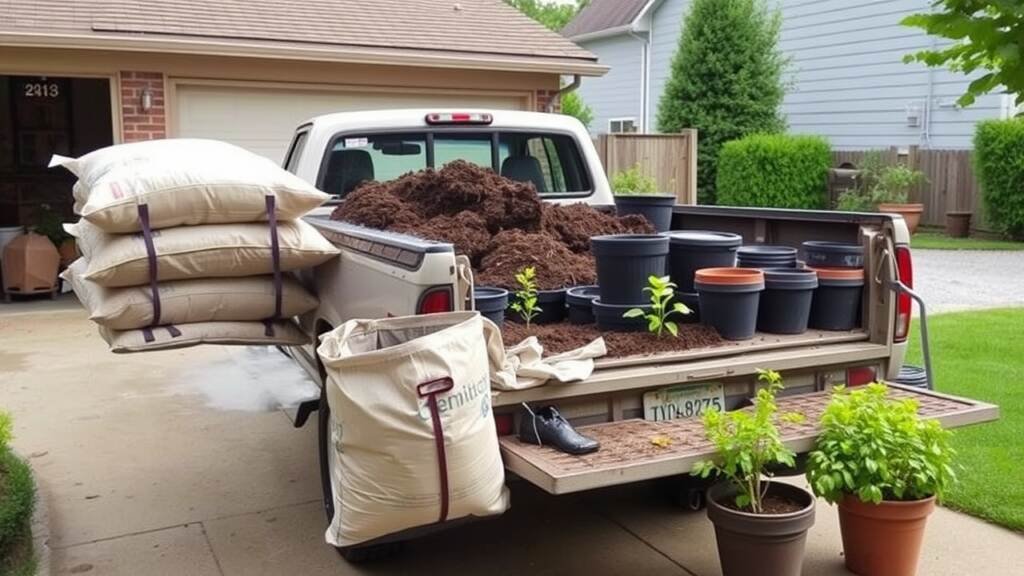
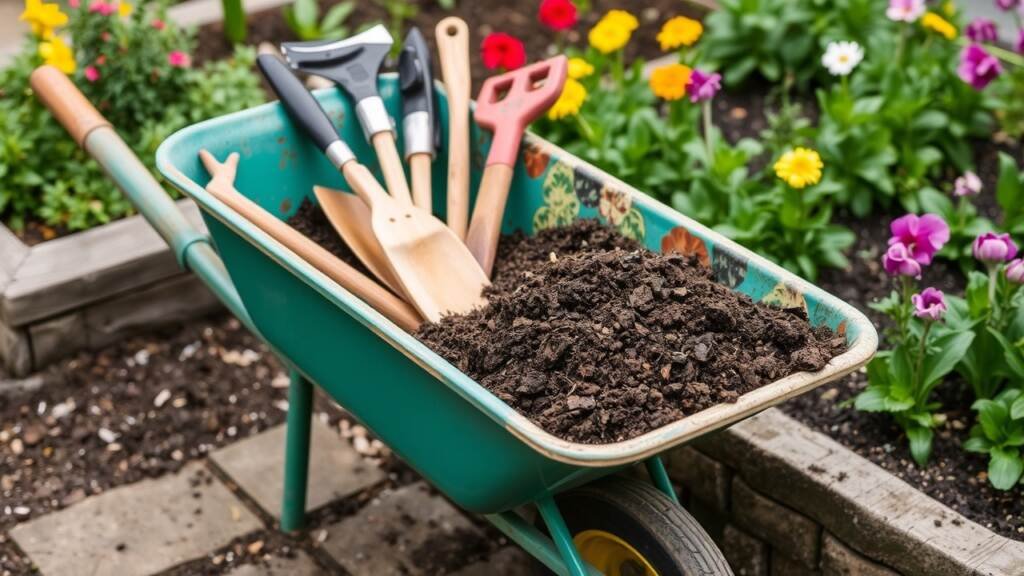
The quality of your soil is paramount to the success of any grass installation. Poor soil, lacking essential nutrients or suffering from compaction, can hinder root development and lead to a patchy, unhealthy lawn. Soil amendment, involving the addition of compost, topsoil, or other organic materials, is often necessary to improve soil structure and fertility. Soil testing can reveal deficiencies, guiding the selection of appropriate amendments and impacting the overall cost of your new lawn installation.
Drainage corrections and slope adjustments
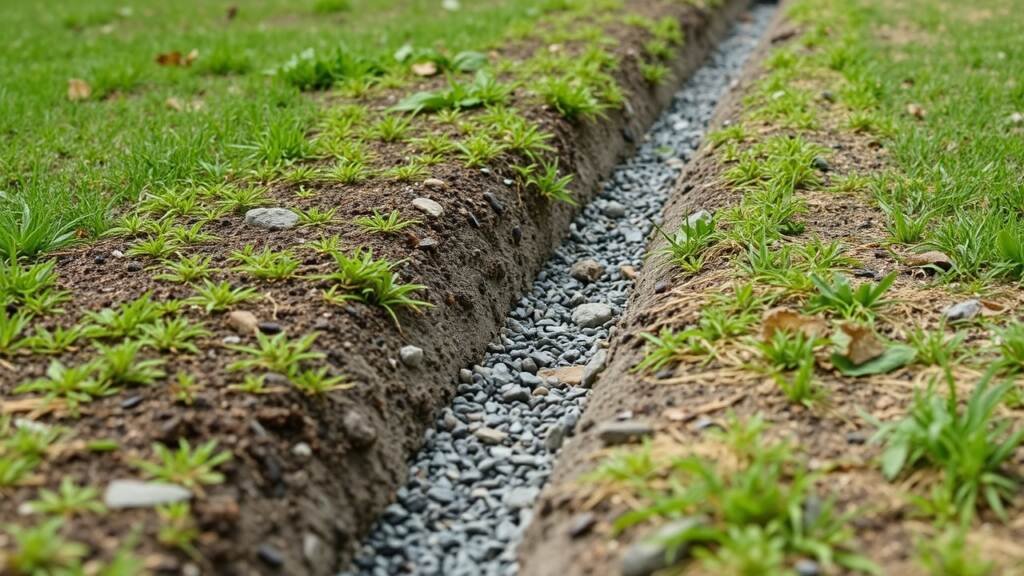
Proper drainage is essential for preventing waterlogged soil and promoting healthy turf installation. Areas with poor drainage may require significant adjustments, such as installing drainage systems or re-grading the lawn to direct water away from the foundation. Slope adjustments can also be necessary to create a level, functional outdoor space. These corrections, while vital for the long-term health of your lawn, can add substantial hidden costs to the initial grass installation estimate, increasing the total cost significantly.
Labor-Related Costs Homeowners Overlook
Access limitations and manual labor surcharges
Accessibility to your yard can significantly affect labor costs during grass installation. If heavy machinery cannot easily access the site, manual labor may be required for tasks like soil removal, grading, and material transport. This added labor intensity can lead to surcharges, increasing the overall cost of the project. Obstacles like fences, narrow gates, or steep slopes can all contribute to access limitations, making the turf installation process more time-consuming and expensive, so be sure to consider these additional costs.
Installation complexity for corners, curves, and borders
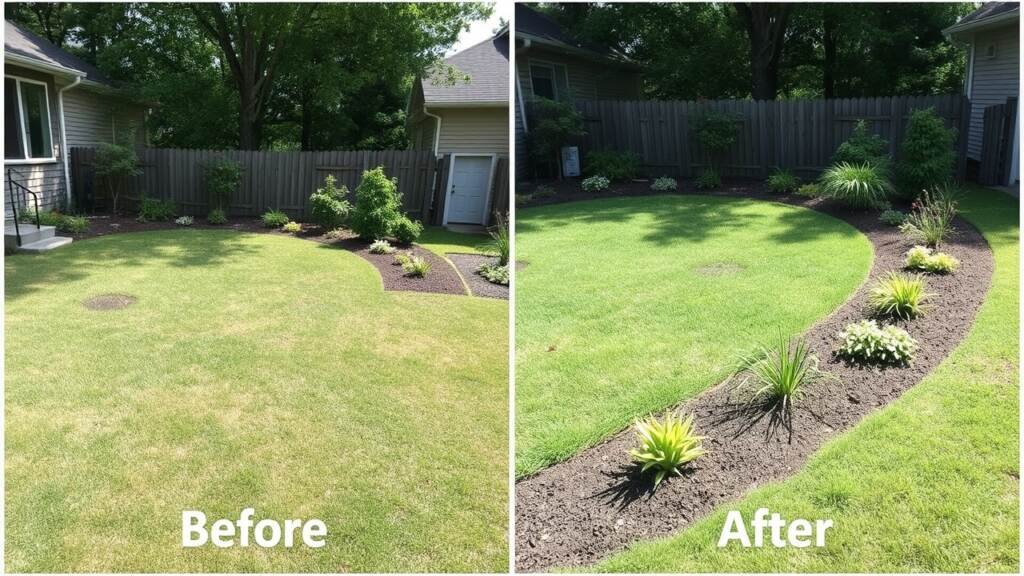
Lawns with intricate designs, curved edges, or numerous corners present unique installation challenges. These features require precise cutting and fitting of sod or artificial grass, increasing the time and skill required for the installation. The increased complexity can translate to higher labor costs, as installers must meticulously work around these features to achieve a seamless, professional finish. Borders also need to be carefully placed for a crisp, clean edge, affecting the cost.
Time overruns due to weather or site readiness
Unexpected weather events, such as heavy rain or extreme heat, can significantly delay grass installation projects, leading to time overruns and increased labor costs. Similarly, if the site is not properly prepared before the installation team arrives, additional time may be needed to address issues like debris removal or soil compaction. These delays can disrupt the project schedule and add to the overall expense of getting your new lawn installed, impacting the total cost.
Additional Materials That Add to the Final Bill

Edging, borders, and transition zones
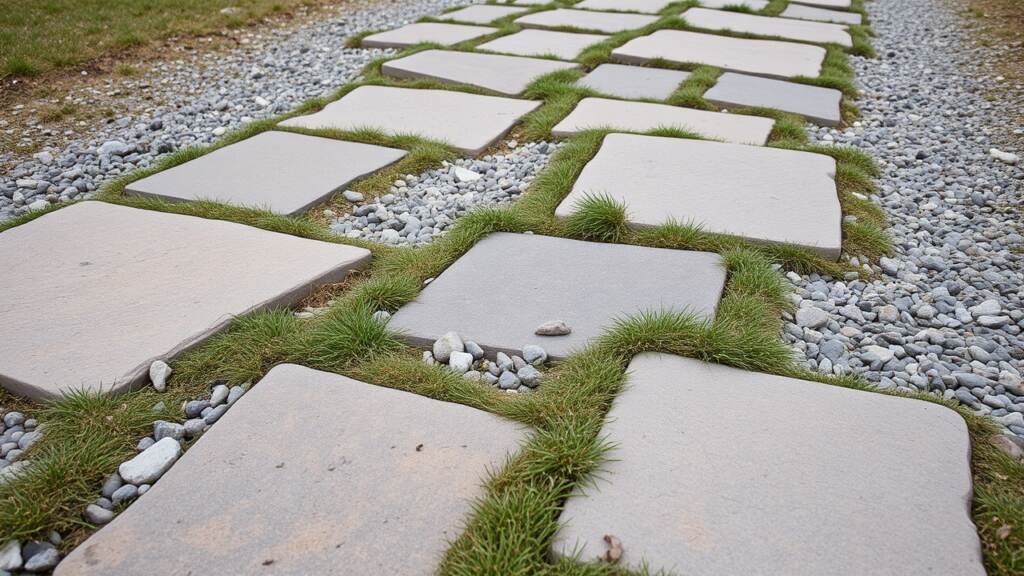
When planning a lawn installation, remember that the total cost extends beyond just the grass installation itself. Edging, borders, and transition zones between your new lawn and existing hardscapes or garden beds require additional materials and labor. These elements, whether made of stone, brick, or plastic, define the lawn’s edges, prevent grass from spreading, and enhance the aesthetic appeal. These seemingly small details can add to the upfront cost, but they are crucial for a polished, professional installation.
Underlayment, weed barriers, or base layers
For both natural grass and artificial turf installation, underlayment, weed barriers, or base layers can increase the installation cost. Weed barriers prevent weeds from growing through your new lawn, while base layers provide a stable foundation, especially important for artificial grass. The upfront cost of these materials can be significant, but they contribute to the longevity and appearance of your lawn, reducing maintenance costs in the long run and affect the cost.
Irrigation adjustments or system modifications
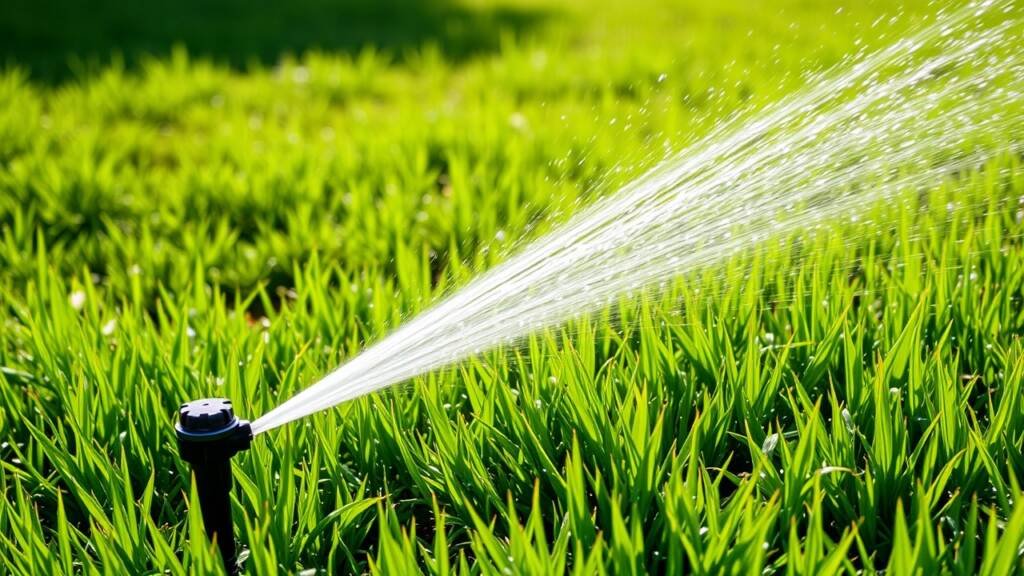
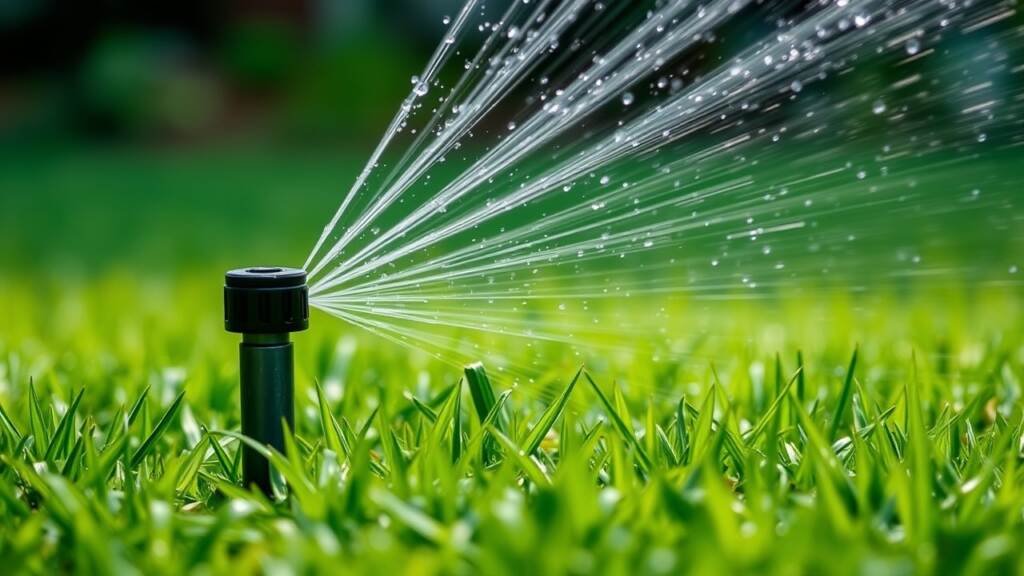
If you have an existing irrigation system, adjustments or modifications may be necessary to accommodate your new lawn. Sprinkler heads may need to be repositioned or replaced to ensure proper coverage, especially when transitioning from old grass to artificial turf or a different type of grass. These adjustments can involve additional plumbing work and labor costs, affect the cost of the installation process, and are often overlooked when understanding the cost of lawn installation. Don’t forget about the costs to consider.
Post-Installation Costs That Are Rarely Discussed
Initial watering and sod establishment period
After the grass installation, proper watering is crucial for sod establishment. This often involves frequent, light watering during the first few weeks to encourage root growth. The increased water usage can lead to higher water bills, representing a hidden cost not always factored into initial estimates. The initial costs do not usually consider this aspect of lawn care. This is an additional cost to consider.
Fertilization, treatments, and follow-up care
Maintaining a healthy lawn requires ongoing fertilization and treatments to prevent weeds, pests, and diseases. These lawn care services represent recurring expenses that can add up over time. While some homeowners opt for DIY lawn care, others prefer to hire professional services, which adds to the overall cost of lawn ownership. Consider the hidden costs of natural lawns versus the maintenance costs of artificial grass.
Repair or replacement due to early damage
Despite the best efforts, newly installed lawns can sometimes suffer from early damage due to weather, pests, or improper care. Addressing these issues may require spot repairs, reseeding, or even complete replacement of damaged areas. These unexpected repairs can add to the total cost of your lawn, highlighting the importance of proper initial installation and ongoing maintenance. This can affect the cost of your new lawn significantly if not handled well.
How to Avoid Surprise Costs in Grass Installation
Questions to ask before signing a contract
Before signing any contract for grass installation, it’s crucial to ask detailed questions about potential hidden costs. Be sure to clarify aspects such as:
- Cost per square foot and what that includes.
- Whether the estimate covers old grass removal, new grass delivery, and lawn care services after installation.
Understanding the scope of work and potential additional fees upfront can prevent unpleasant surprises down the line when having a lawn installation.
What should be included in a transparent estimate
A transparent estimate for grass installation should itemize all costs, not just the cost per square foot of sod or artificial turf. To ensure clarity, the estimate should include detailed breakdowns of:
- Soil preparation, grading, labor, and material expenses
- Potential additional costs for unforeseen issues like poor soil or drainage problems.
Ensure the estimate clearly states what is covered and what might incur extra charges to ensure a smooth installation.
Why site inspections matter
Site inspections are essential for accurate grass installation estimates. They allow contractors to assess the existing conditions of your yard, including soil quality, drainage, and accessibility. Identifying potential challenges early on can help avoid unexpected hidden costs during the installation process. A thorough site inspection enables the contractor to provide a more realistic and comprehensive quote, ensuring there is a clear understanding the cost with no surprises for your new lawn.
About Destiny Landscape
Company overview focusing on clear pricing and site evaluation
Destiny Landscape is dedicated to providing homeowners with reliable and transparent grass installation services. We emphasize clear pricing, ensuring our clients understand all potential costs to consider before the project begins. Our commitment to thorough site evaluations allows us to accurately assess the unique needs of each property, minimizing the risk of unexpected expenses during the installation process for either artificial grass or natural grass. We discover the hidden costs upfront.
Emphasis on long-term lawn performance
At Destiny Landscape, our focus extends beyond just the initial grass installation. We are committed to ensuring the long-term health and beauty of your lawn. From proper soil preparation to selecting the right type of grass and providing expert lawn care services, we prioritize factors that contribute to lasting results. Our goal is to create a vibrant, sustainable outdoor space that enhances your home’s value and your enjoyment of it for years to come. We can help solve for those artificial turf solves with maintenance costs.