Planning a new lawn installation for 2026? Understanding the grass installation cost is crucial for homeowners. Whether you’re considering sod installation, grass seed, or even artificial turf, knowing the factors influencing the total cost will help you make informed decisions and avoid unexpected expenses. This guide provides a comprehensive breakdown of grass installation costs, empowering you to budget effectively and achieve the lawn of your dreams.
Why Understanding Grass Installation Costs Matters
Budget Planning
Effective budget planning is essential when considering a new lawn installation. Understanding the nuances of grass installation cost, including material costs like sod prices and labor cost variations, allows homeowners to accurately estimate the project cost. This foresight helps avoid financial strain and ensures the new lawn project aligns with your budget. Consider the cost per square foot for different grass varieties and whether professional installation is the best route for your needs.
Avoiding Hidden Costs
Many homeowners are caught off guard by hidden costs associated with lawn installation. Factors such as soil preparation, old grass removal, and unexpected drainage issues can significantly impact the total cost. Being aware of these potential pitfalls before starting your lawn installation project ensures you can factor them into your budget and avoid unwelcome financial surprises. Consider potential increases to sod costs if your project encounters these issues.
Comparing Quotes Accurately
Obtaining multiple quotes is a smart move, but comparing them effectively requires a solid understanding of what each entails. Ensure each quote itemizes the cost per square foot, labor costs, and any additional services such as soil amendments or sod delivery. Knowing the average cost for grass installation helps you assess whether a quote is reasonable and prevents overpaying for new lawn services. This is especially important when comparing professional installation to potential DIY cost.
Average Grass Installation Cost in the USA (2026)
National Average Price Ranges
In 2026, the national average cost for grass installation, including both materials and labor, typically ranges from $1 to $4 per square foot. However, this average cost can vary significantly based on the grass type, location, and the complexity of the project. For example, sod installation cost can differ greatly from grass seed installation, influencing the overall project cost and the final appearance of your new lawn. Remember, the type of sod will also influence sod prices and final sod installation cost.
Cost Per Square Foot
Understanding the cost per square foot for different options allows for accurate comparisons and better budget management when planning your new lawn installation. Here’s a breakdown of typical costs:
| Material | Cost per Square Foot (USD) |
|---|---|
| Grass Seed | $0.10 to $0.30 |
| Sod | $1 to $4 |
Differences Between Small vs Large Lawns
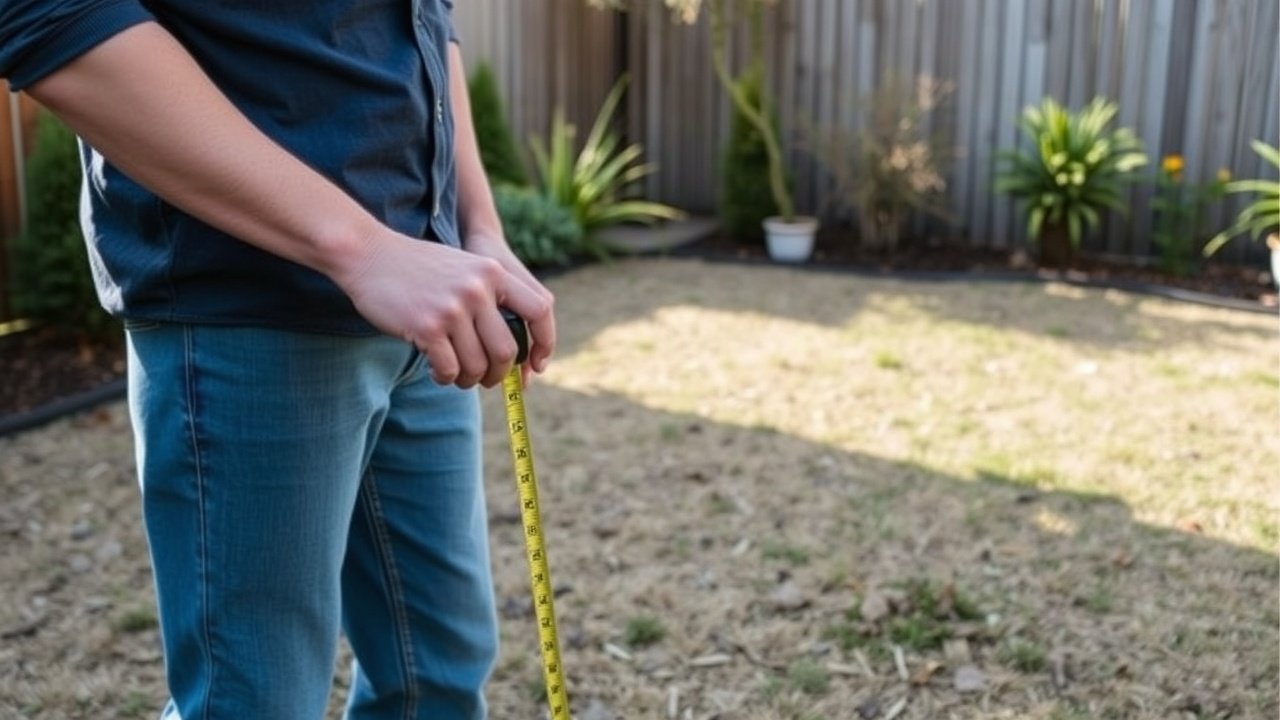
The size of your lawn plays a significant role in the overall grass installation cost. While the cost per square foot might decrease slightly for larger lawns due to economies of scale, the total cost naturally increases. Smaller lawns may have a higher cost per square foot because of fixed costs like delivery fees or minimum labor charges. Accurately measuring your yard and considering these scale-related cost differences is essential for realistic budget planning, regardless of whether you choose professional installation or a DIY cost approach.
Cost Breakdown by Grass Type
Sod Installation Costs
Sod installation is a popular choice for homeowners seeking an instant lawn. The average cost for sod installation typically ranges from $1 to $4 per square foot, including both materials and labor. Factors influencing sod installation cost include the type of sod chosen, with some grass varieties being more expensive than others. Furthermore, the project cost can increase based on the complexity of the installation, such as the need for extensive soil preparation or working around obstacles. When evaluating sod prices, consider the benefits of immediate results and reduced erosion compared to grass seed.
Grass Seed Installation Costs
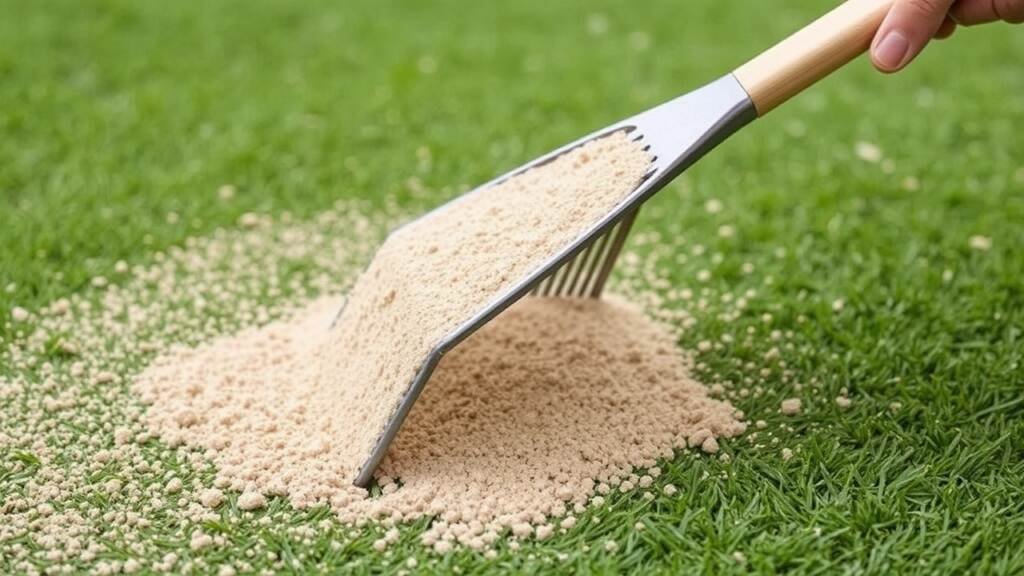
Grass seed installation is a more budget-friendly option for establishing a new lawn. The cost per square foot for grass seed typically ranges from $0.10 to $0.30, making it significantly cheaper than sod installation. However, grass seed requires more time and effort to establish, including careful soil preparation, consistent watering, and weed control. The total cost can also increase if you need to rent equipment like a spreader or aerator. While the upfront cost is lower, the long-term maintenance and potential for reseeding should be factored into your budget.
Artificial Turf Installation Costs
Artificial turf installation presents a different cost structure compared to sod installation or grass seed. While the initial investment is higher, artificial turf offers long-term savings due to reduced maintenance needs like mowing, watering, and fertilizing. The cost to install artificial turf can range from $5 to $15 per square foot, depending on the quality of the turf and the complexity of the installation. This installation typically includes site preparation, base layer installation, and the installation of the turf itself. Consider the long-term benefits and aesthetics when evaluating this option.
Labor Costs vs Material Costs
Professional Labor Pricing
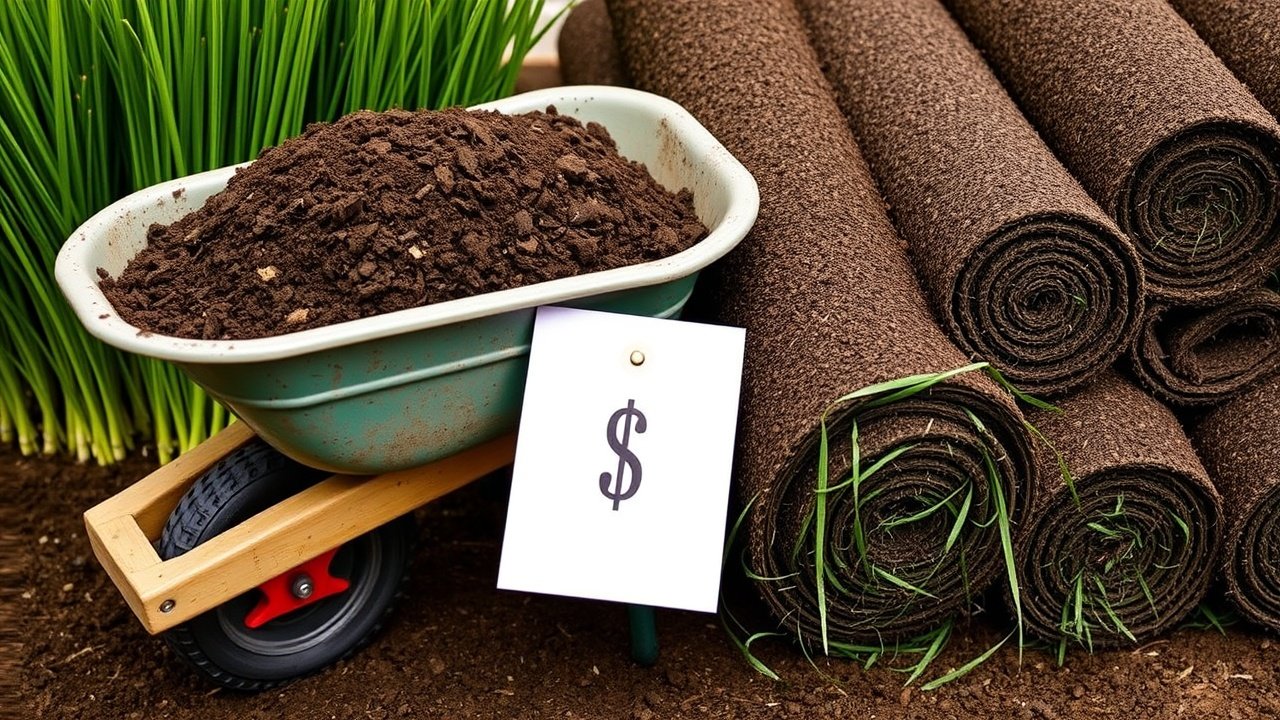
When considering professional installation for your new lawn, understanding labor costs is crucial. Labor cost can vary significantly based on the region, the complexity of the project, and the experience of the installers. Professional sod installation labor can range from $0.50 to $2 per square foot, on top of the material costs. It is important to get detailed quotes that clearly outline the labor cost per hour, the number of workers involved, and the estimated time to complete the project. Professional installation often ensures proper techniques and equipment usage, leading to a healthier, more durable lawn.
Equipment Usage
Proper equipment usage is vital for a successful lawn installation, whether you choose to install sod or grass seed. Professional installers have access to specialized equipment like sod cutters, tillers, rollers, and irrigation system installation tools, which can significantly improve the efficiency and quality of the installation. Renting or purchasing this equipment for a DIY project can add to the total cost. When evaluating professional quotes, inquire about the equipment they will use and how it contributes to the overall project cost and quality. Proper equipment usage not only saves time but also reduces the risk of installation errors.
Impact of Labor Quality on Long-Term Costs
The quality of labor significantly impacts the long-term costs and health of your new lawn. Hiring experienced professionals for sod installation or grass seed planting ensures proper soil preparation, accurate grading, and correct installation techniques. Poor labor quality can lead to issues like uneven surfaces, improper drainage, and poor root establishment, resulting in costly repairs or re-installation down the line. While DIY cost might seem appealing upfront, investing in skilled labor can save you money and headaches in the long run, contributing to a healthier and more attractive lawn.
Factors That Affect Grass Installation Cost
Lawn Size and Shape
The lawn size and shape directly influence the grass installation cost. Larger lawns require more sod or grass seed, increasing material costs. Complex shapes may necessitate additional labor cost due to the increased time and effort required for precise installation. The cost per square foot can sometimes be higher for irregularly shaped lawns because of waste and intricate cuts. Accurately measuring your lawn is crucial to determining the total cost and planning your new lawn project effectively for 2026.
Soil Condition
The condition of your soil is a critical factor affecting the grass installation cost. Poor soil may require amendments such as compost, topsoil, or fertilizers to ensure healthy grass growth. Soil testing can help determine the necessary amendments and their associated costs. Rocky or compacted soil may necessitate tilling or grading, adding to the overall project cost. Properly preparing the soil ensures optimal conditions for root establishment, impacting the long-term success and health of your new lawn. This investment will keep your installation typically healthy.
Drainage or Grading Needs
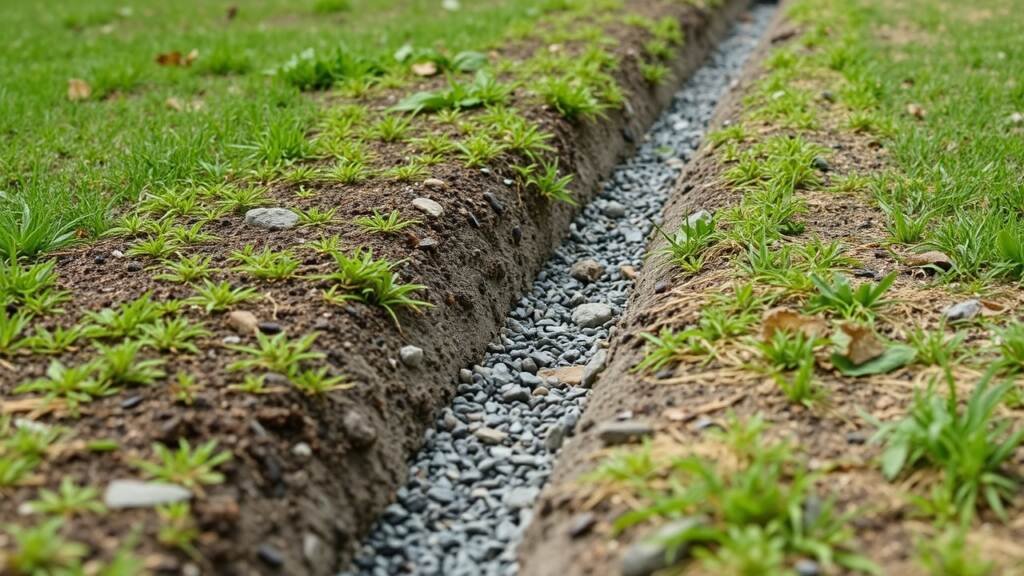
Proper drainage and grading are crucial for a healthy lawn and can significantly impact the grass installation cost. If your lawn has drainage issues, such as standing water, you may need to install drainage systems or re-grade the area. Grading ensures that the lawn slopes away from your house, preventing water damage. The cost to install drainage can vary depending on the complexity of the system installation and the extent of the grading work required. Addressing these issues upfront prevents costly problems down the road, ensuring your new lawn thrives.
DIY vs Professional Installation — Cost Comparison
True DIY Cost Analysis
Undertaking a lawn installation as a DIY project can initially seem more economical, but it’s essential to consider all the costs involved. Beyond just the sod prices or grass seed cost, you’ll need to factor in equipment rental (sod cutter, roller), soil amendments, fertilizers, and tools. The DIY cost should also account for your time, potential mistakes that require rework, and the installation learning curve. While the upfront cost might be lower, the time investment and potential for errors can make the total cost surprisingly high for 2026.
Value of Professional Installation Over Time
Professional installation may have a higher upfront cost, but it offers significant long-term value. Professional sod installation ensures proper soil preparation, precise installation techniques, and efficient use of equipment, leading to a healthier, more durable lawn. The expertise of professional installers minimizes the risk of costly errors, such as uneven surfaces, poor drainage, and improper root establishment. Over time, this can translate into reduced maintenance costs, fewer repairs, and a more attractive lawn that enhances property value. You know that your new grass will be installed by people who know how to install sod.
When DIY May or May Not Make Sense
Deciding between DIY and professional installation depends on several factors. DIY may be suitable for small, simple lawn installation projects where the soil is in good condition and you have the necessary skills and time. However, for larger, more complex projects, or if you lack experience, professional sod installation is often the better choice. Consider the potential for errors, the value of your time, and the long-term health of your lawn when making your decision. A professional can help with lay sod and install sod for new sod or new lawn.
Hidden Costs Homeowners Often Overlook
Soil Preparation Expenses
Soil preparation is a critical step in lawn installation, and its associated costs are often overlooked. Before you lay sod, install sod or spread grass seed, amending the soil might include soil testing, adding compost or topsoil, tilling, and grading. These expenses can add significantly to the total cost of your project. Addressing soil issues upfront ensures optimal growing conditions for your grass, preventing future problems and ensuring a healthy, vibrant lawn. It’s something to keep in mind when trying to reduce the total cost of your new lawn installation in 2026.
Removal of Old Grass
The removal of old grass is another often-overlooked expense in lawn installation. If you’re replacing an existing lawn, the old grass needs to be removed, which can involve renting a sod cutter or hiring a landscaping service. The cost to install the new grass also depends on disposing of the removed sod, which may require renting a dumpster or paying for disposal fees. Properly removing the old grass ensures a clean surface for the new lawn, preventing weeds and diseases from transferring. Be sure to add this to the project cost analysis!
Extra Watering or Reseeding Needs
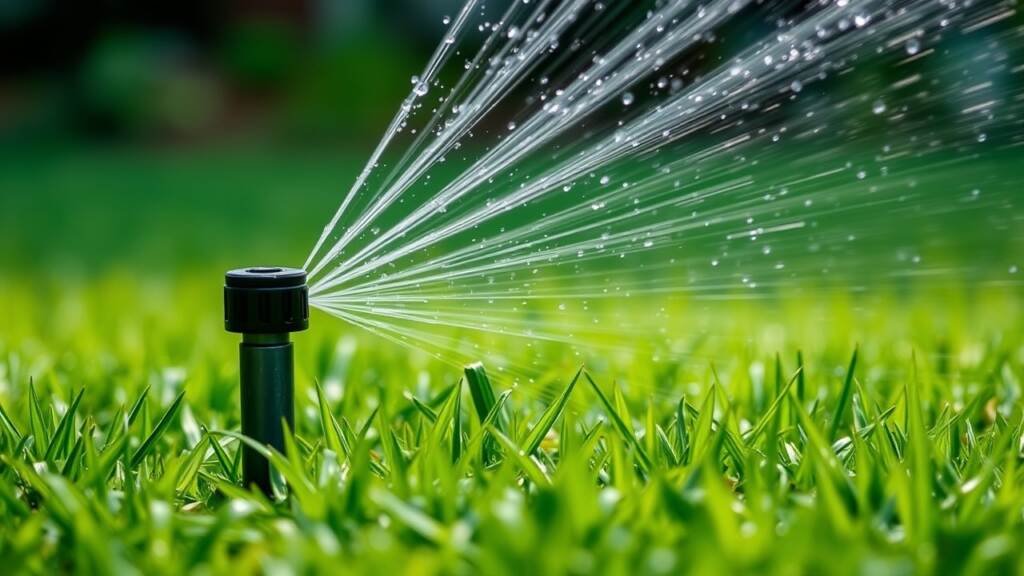
After lawn installation, consistent watering is crucial for the successful establishment of your new grass. Be aware that you will need to pay the water bill to keep your new sod installation or grass seed growing. Depending on the climate and rainfall, you may need to invest in an irrigation system or spend time manually watering the lawn. Additionally, reseeding may be necessary to fill in bare spots or address areas where the grass didn’t take. These extra watering and reseeding needs can add to the overall cost and should be factored into your budget. Keep in mind that the cost of installing a new lawn should include water and reseeding.
How to Estimate Your Lawn Installation Budget
Step-by-Step Cost Estimation
Estimating your lawn installation cost involves a meticulous step-by-step approach. Several factors need to be considered when trying to get an accurate estimation. These include:
- Determine the exact square feet of the area you plan to cover, which directly impacts the amount of sod or grass seed needed. Research the sod prices or grass seed cost per square foot from local suppliers.
- Consider additional expenses such as soil testing, amendments, and sod delivery. Obtain quotes for professional installation or calculate DIY cost, including equipment rental.
This thorough assessment helps you arrive at a realistic project cost.
Square Footage Calculation Tips
Calculating the square footage accurately is essential for budgeting your lawn installation project. Here’s how you can approach it:
- For lawns that are rectangular or square, multiply the length by the width. This will give you the square feet.
- If your lawn has an irregular shape, divide it into smaller, more manageable sections. Calculate the square feet of each section and add them together.
To ensure accuracy, consider using online tools or mobile apps specifically designed for area measurement. Also, remember to add a buffer to your calculation to account for waste during sod installation or grass seed application, guaranteeing you’ll have enough materials to complete your new lawn project.
Setting Realistic Expectations
Setting realistic expectations is key to a successful and stress-free lawn installation project in 2026. Understand that the installation cost can vary based on factors like grass type, location, and soil conditions. Don’t solely focus on the upfront cost; consider the long-term maintenance and potential repairs. Be prepared for unexpected expenses such as drainage issues or soil amendments. Research the average cost in your area and obtain multiple quotes to get a realistic sense of the total cost, ensuring your budget aligns with your vision for the new lawn.
Is Professional Grass Installation Worth the Cost?
Long-Term Lawn Health Benefits
Opting for professional grass installation offers numerous long-term lawn health benefits. Professional sod installation ensures proper soil preparation, including tilling, grading, and amending, which are vital for root establishment and overall grass health. Experts can also recommend the best grass varieties for your local climate and soil type. Proper installation minimizes the risk of issues like compaction, poor drainage, and disease, leading to a healthier, more resilient lawn that thrives for years to come, reducing the long term maintenance costs. This should be accounted for when considering the total cost of your new lawn installation.
Reduced Maintenance Costs
While professional installation may have a higher upfront cost, it can lead to reduced maintenance costs over time. A properly installed lawn is less prone to weeds, diseases, and uneven growth, reducing the need for frequent fertilization, pest control, and repairs. Efficient system installation also optimizes water usage, lowering your water bill. By investing in quality installation upfront, you can save money on lawn care expenses in the long run, making it a cost-effective choice for homeowners seeking a hassle-free lawn in 2026.
Improved Curb Appeal and Property Value
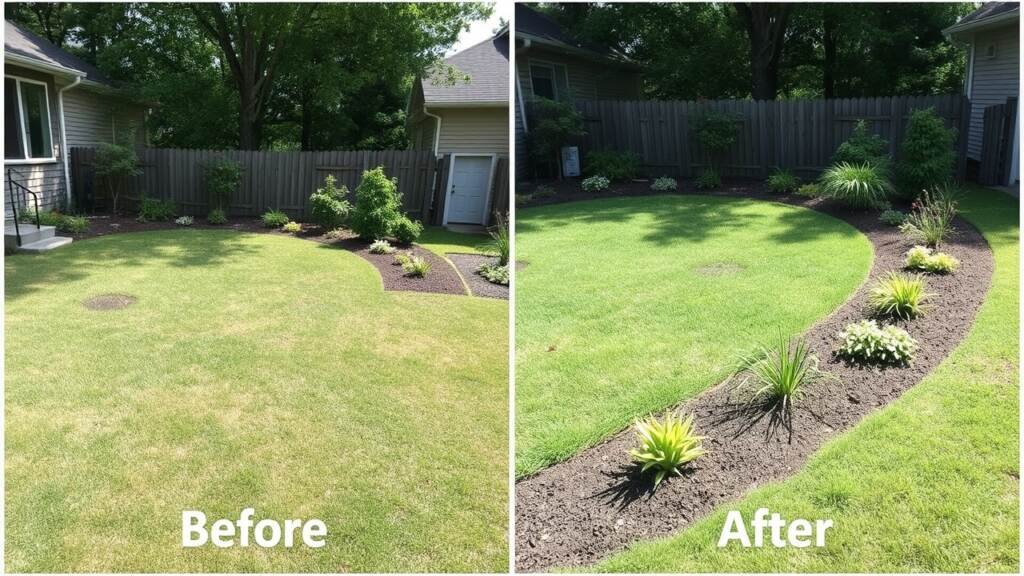
A professionally installed lawn significantly enhances curb appeal and boosts property value. A lush, healthy lawn creates a welcoming first impression and adds to the overall aesthetic of your home. Potential buyers are often willing to pay more for a property with a well-maintained lawn. Whether you choose sod installation or grass seed, professional ensures a uniform, visually appealing result that maximizes your home’s marketability and value. This improved curb appeal can have positive impact on the resale price of your home.