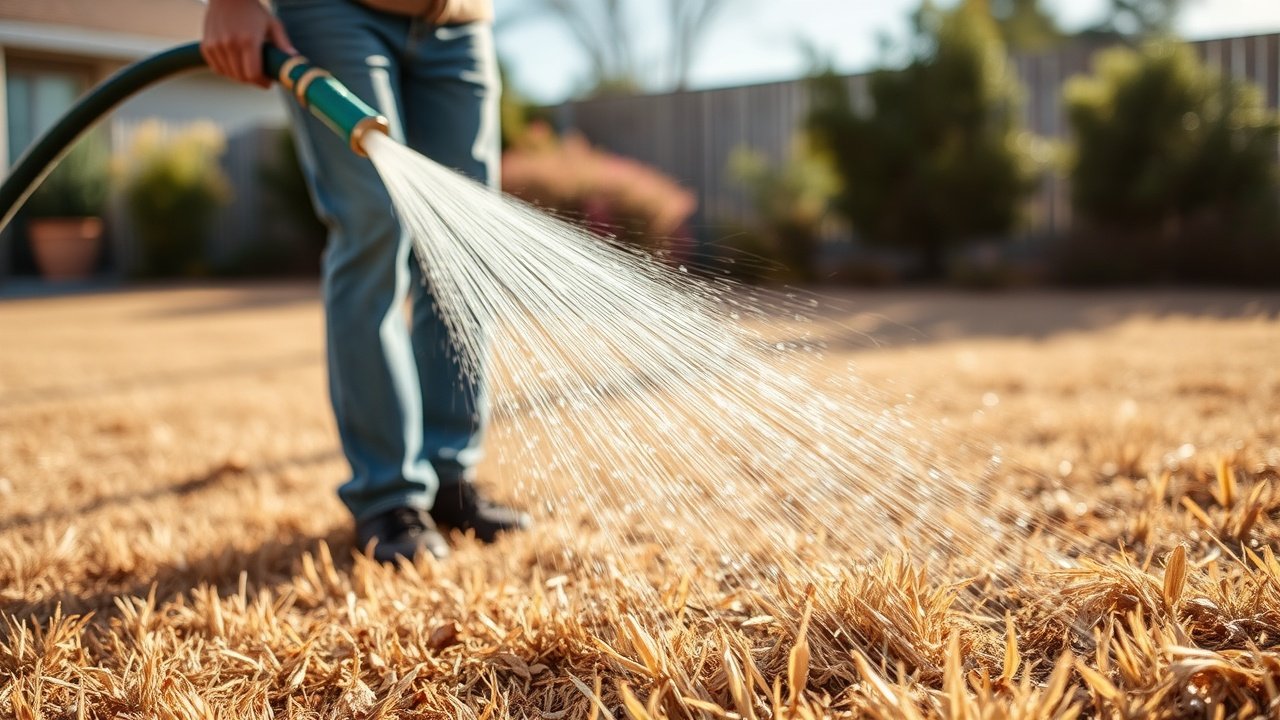
Burned lawn patches are a common headache for homeowners, especially in regions experiencing intense summer heat or for those who have been a bit overzealous with fertilization. Whether it’s fertilizer burn or heat stress causing the issue, don’t worry! With the right approach, you can bring it back to a lush, green state.
Understanding Lawn Burn
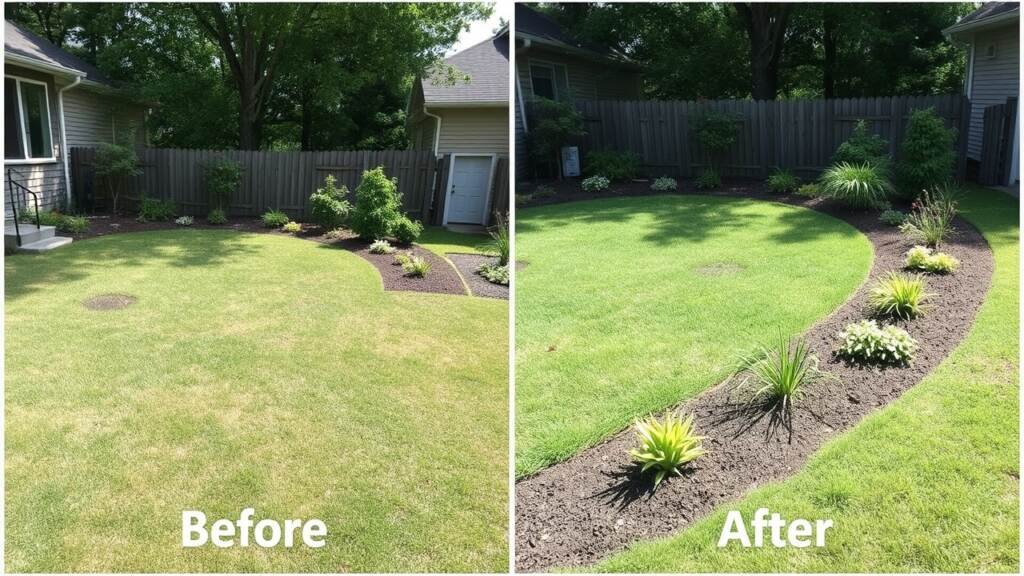
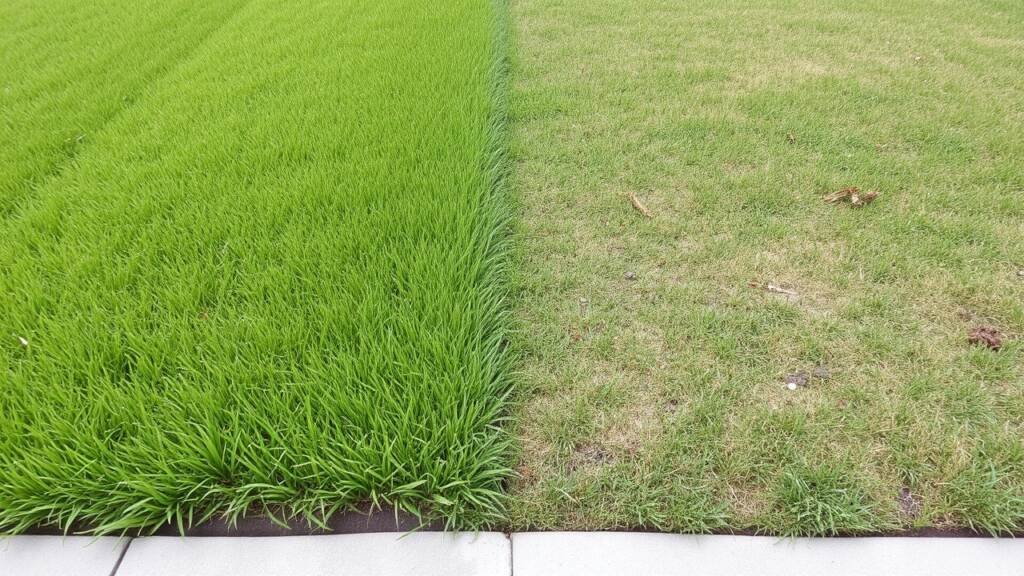
Lawn burn manifests in various ways, often appearing as unsightly brown patches that can significantly detract from your lawn’s overall appearance. Understanding the root cause, whether it’s related to improper fertilization or environmental factors, is crucial for effective lawn care and determining the best course of action to help it recover.
What Causes Fertilizer Burn?
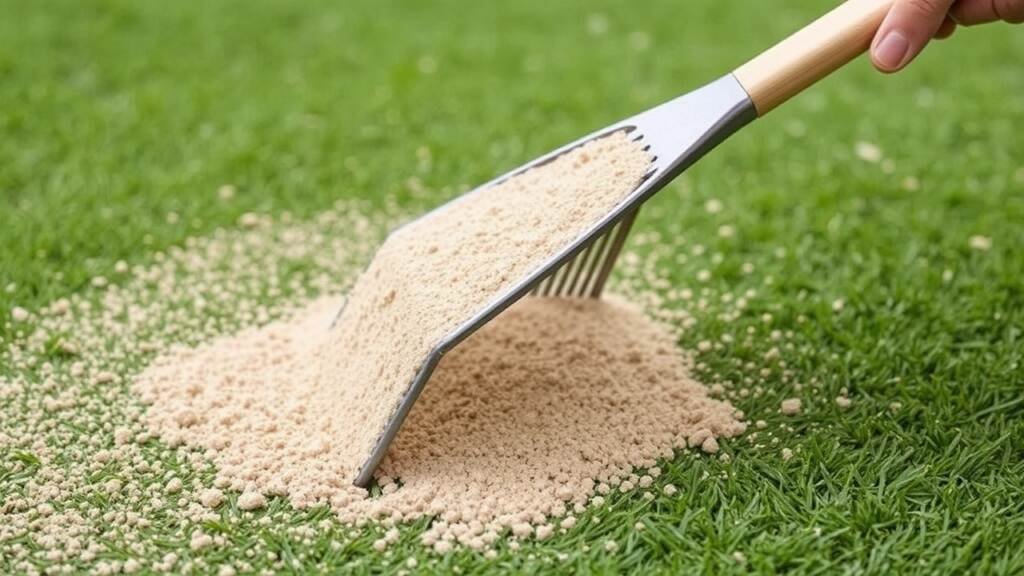
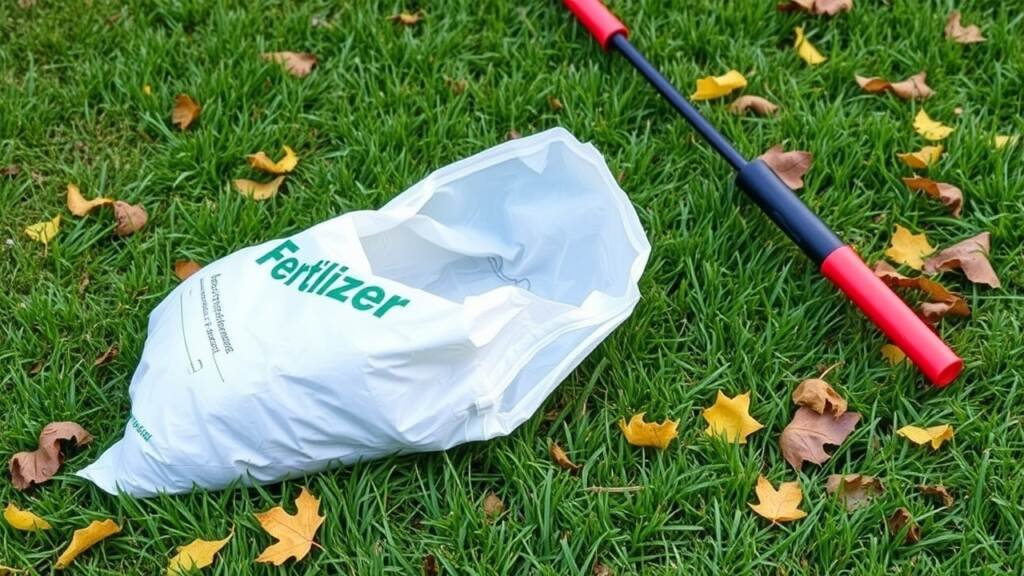
Fertilizer burn occurs when excess fertilizer, particularly granular fertilizer with high nitrogen content, is applied unevenly or in excessive amounts. This leads to a buildup of salts that dehydrate grass plants, causing the blades of grass to scorch. It’s a common lawn problem when the amount of fertilizer exceeds the grass’ needs. Always follow the directions carefully.
Identifying Heat Stress in Your Lawn
Heat stress can take a significant toll on your lawn, particularly during periods of heat and drought. When combined with drought stress or compacted soil, the grass may struggle to retain moisture, leading to withered, brown patches. Proper irrigation techniques are key to mitigating heat damage and ensuring a healthy lawn.
Symptoms of Lawn Damage
The most obvious symptom of a stressed lawn is the appearance of brown patches. Additional stress factors, such as fungal diseases or pest infestations, can exacerbate these symptoms. If the grass remains brown despite watering the area and proper lawn care, it may be necessary to consider reseeding or even new sod to restore the lawn.
Step-by-Step Guide to Help Your Lawn Recover
1. Flushing the Affected Area
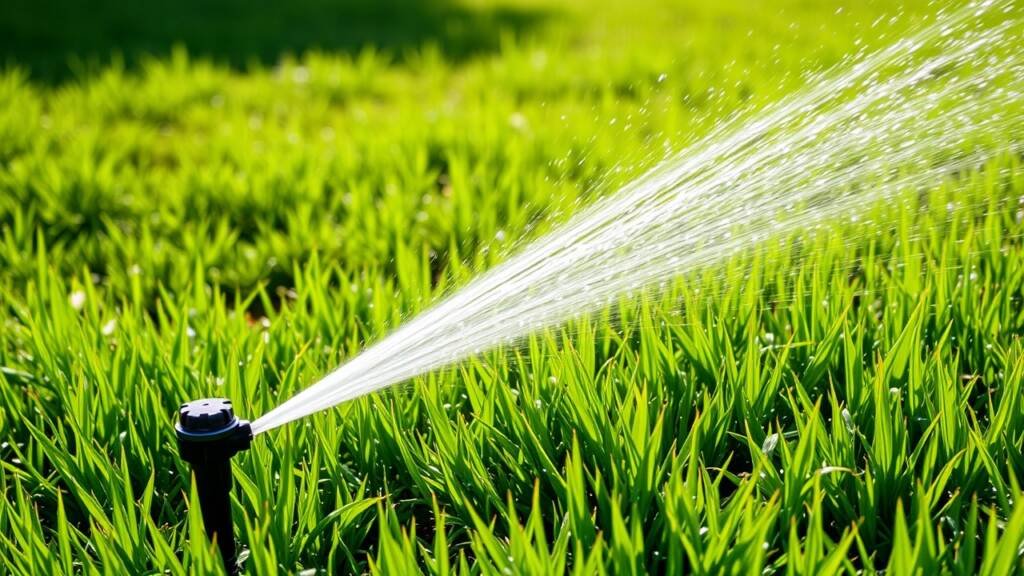
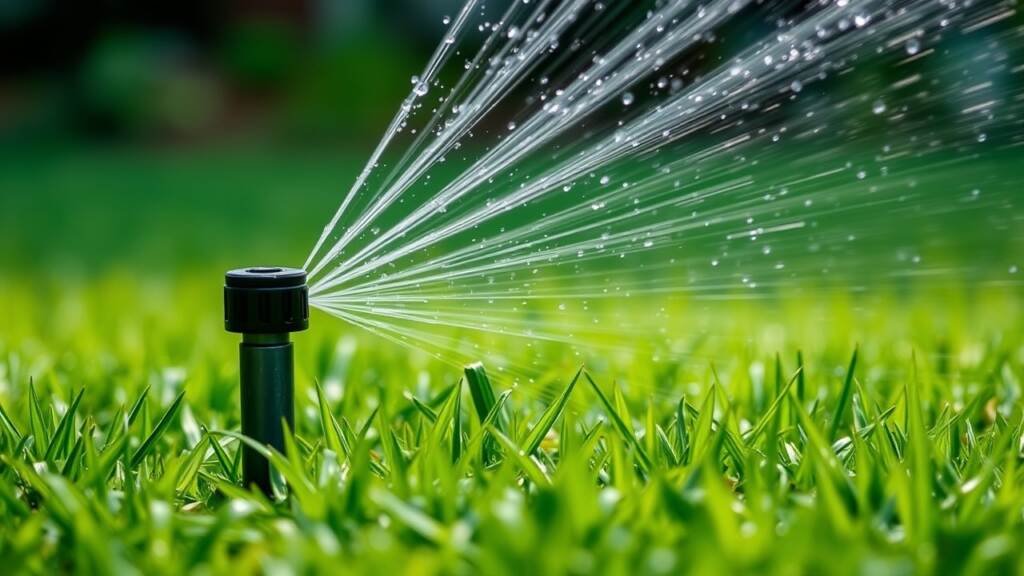
The first step in addressing a lawn affected by fertilizer burn or heat stress is flushing the area with plenty of water. Thorough watering helps to leach away excess fertilizer and rehydrate grass plants damaged by heat. Use a sprinkler or irrigation system to deeply water the affected area, ensuring the water penetrates the compacted soil and reaches the roots to help it recover. Monitor soil moisture levels to avoid overwatering and promote a healthy lawn.
2. Raking Away Dead Grass
After flushing the area, it’s crucial to remove dead grass. Use a rake to gently clear away the dead lawn and debris from the affected patches. This process helps to aerate the soil surface and prepare it for reseeding or spreading new grass. Removing dead grass also prevents fungal diseases from spreading and allows new grass to thrive. A thorough raking ensures a clean slate for lawn care and promotes healthier turf.
3. Loosening the Soil for Better Recovery
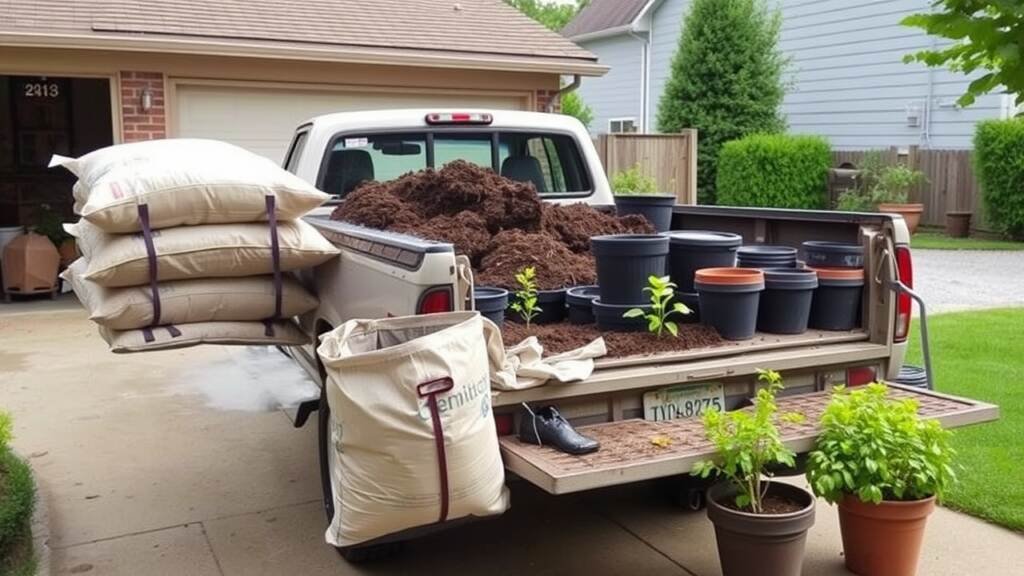
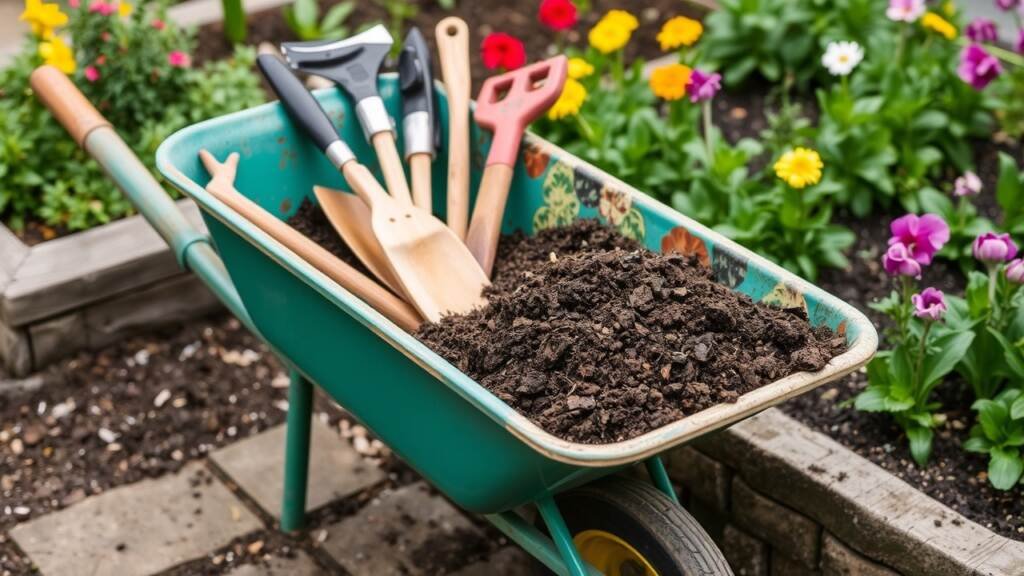
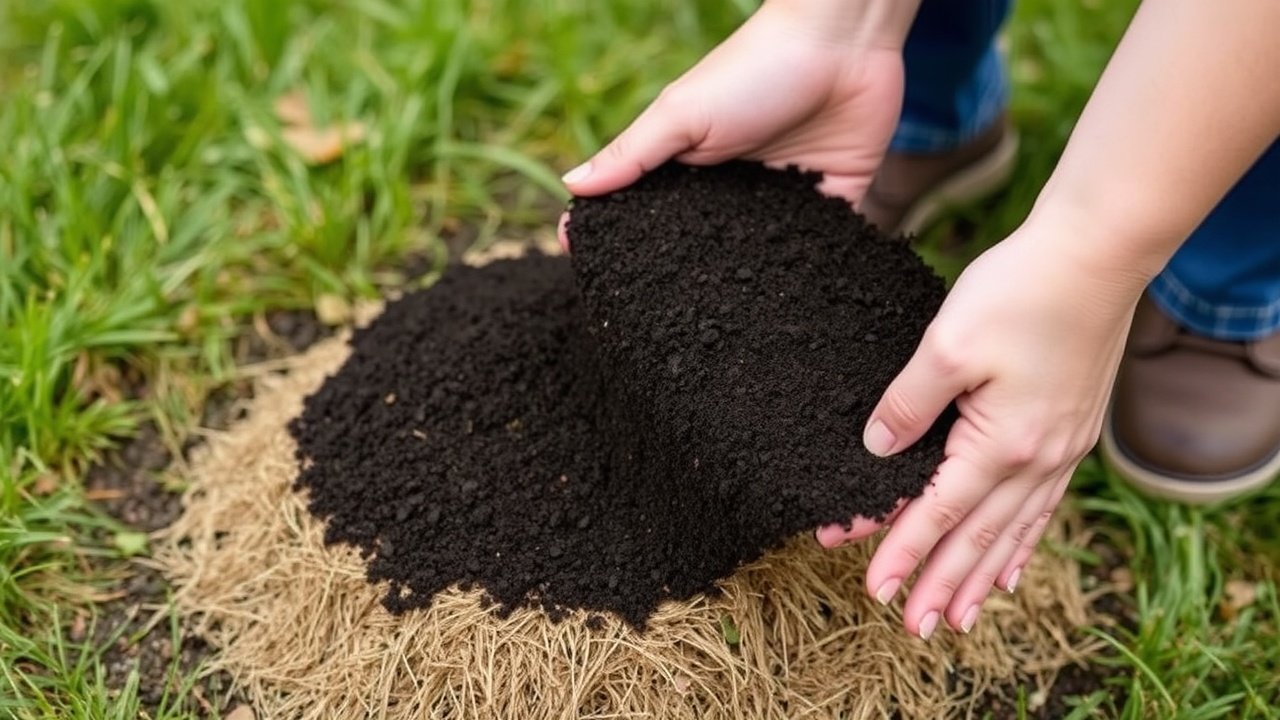
Next, aerate the soil to alleviate compaction and improve water and nutrient penetration. Use an aerator or garden fork to loosen the soil in the affected areas. This promotes better root growth for new grass and helps the existing grass plants recover from stress. Incorporate compost or other organic matter to enrich the soil and provide additional nutrients for a healthy lawn. Proper aeration is essential for the long-term health of your lawn.
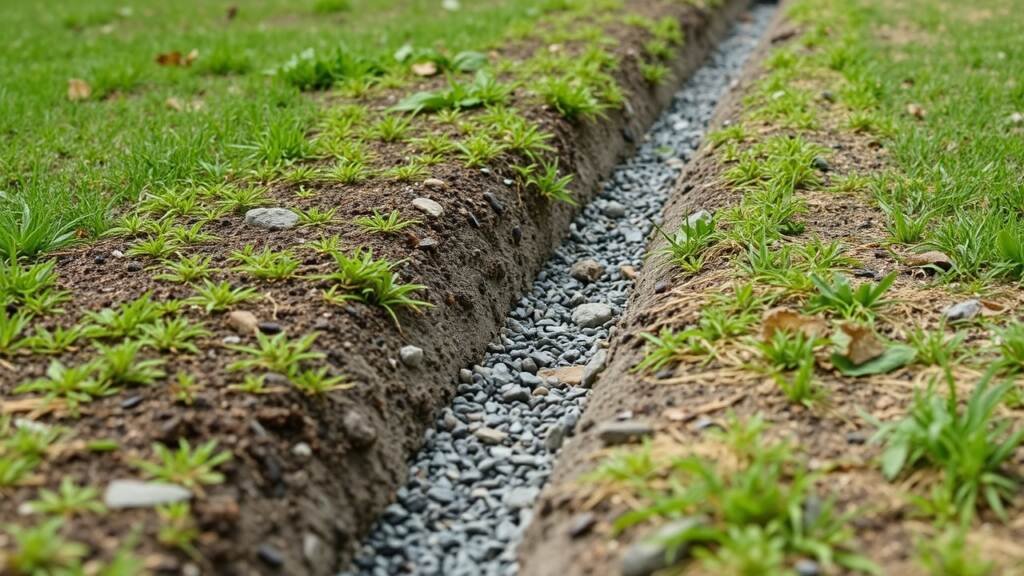
For deeper insights into improving soil structure and preventing long-term water issues, see our guide on 👉 Drainage and Soil Solutions for a Healthy, Sustainable Lawn Year-Round.
4. Applying Grass Seed If Necessary
If the grass has completely died, reseeding the affected area is the next crucial step. Choose a type of grass seed that matches your existing lawn for a uniform appearance. Spread the grass seed evenly over the prepared soil. Lightly rake the seed into the soil and cover it with a thin layer of compost or topsoil. Consistent watering is vital to ensure successful germination and the establishment of new grass, helping to restore a lush, vibrant lawn.
5. Improving Watering Consistency
Consistent irrigation is key to preventing future lawn problems, whether caused by fertilizer burn or heat stress. Water deeply but infrequently, allowing the soil to dry slightly between watering sessions. This encourages deeper root growth and makes the grass more resilient to drought stress and other stress. Consider using a sprinkler system or soaker hoses to ensure even water distribution and promote a healthy lawn. Proper irrigation practices are essential for maintaining a vibrant and resilient lawn.
Preventing Future Lawn Burn
Using Slow-Release Fertilizers
To prevent future incidents of lawn burn, consider switching to slow-release fertilizers. Unlike quick-release options, slow-release fertilizers gradually deliver nutrients to the grass plants, reducing the risk of over-fertilization and subsequent fertilizer burn. These formulations provide a more consistent nutrient supply, promoting steady growth and a healthy lawn. Using slow-release fertilizers ensures that the grass’ needs are met without the potential for scorching the blades of grass.
Choosing the Right Time for Fertilizer Application
Timing is everything when it comes to fertilization. Avoid fertilizing during periods of intense summer heat or drought stress, as this can exacerbate lawn problems. The ideal time to fertilize is during cooler months or early in the growing season when grass plants are actively growing but not under heat stress. This helps the lawn more efficiently absorb the fertilizer nutrients, minimizing the risk of fertilizer burn and ensuring a healthy lawn.
Mowing at the Proper Height
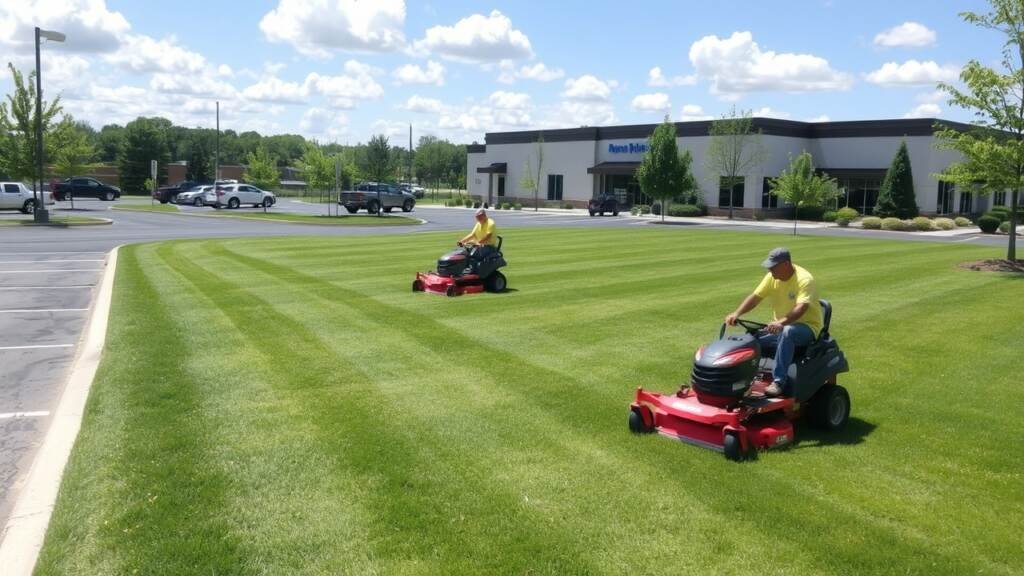
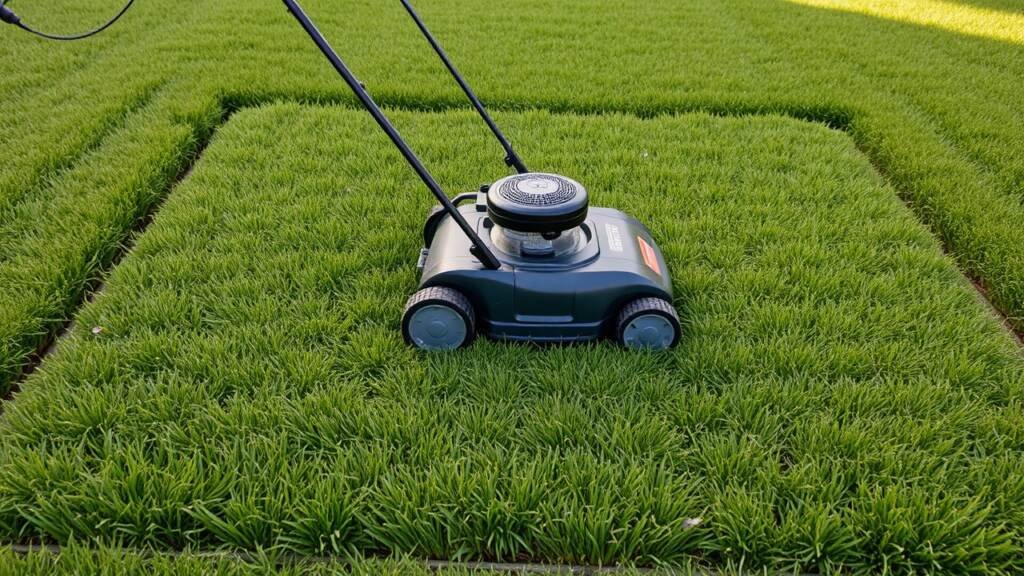
The height at which you mow your lawn can significantly impact its health and resilience. Mowing at the proper height—typically around 3 to 4 inches—helps to shade the soil, reducing moisture loss and heat stress. Taller grass also encourages deeper root growth, making the lawn more drought-tolerant and less susceptible to lawn burn. Avoid cutting the grass too short, as this can expose the soil and stress your lawn, increasing the risk of lawn damage.
When to Call a Professional
Signs of Deeper Lawn Issues
If you notice repeated instances of lawn burn, widespread brown patches, or other persistent lawn problems, it may indicate deeper issues beyond simple fertilizer burn or heat stress. Soil compaction, nutrient deficiencies, pest infestations, or fungal diseases could be contributing factors. In such cases, consulting a lawn care professional is advisable to accurately diagnose the underlying problem and recommend appropriate treatment.
Expert Lawn Evaluations and Solutions
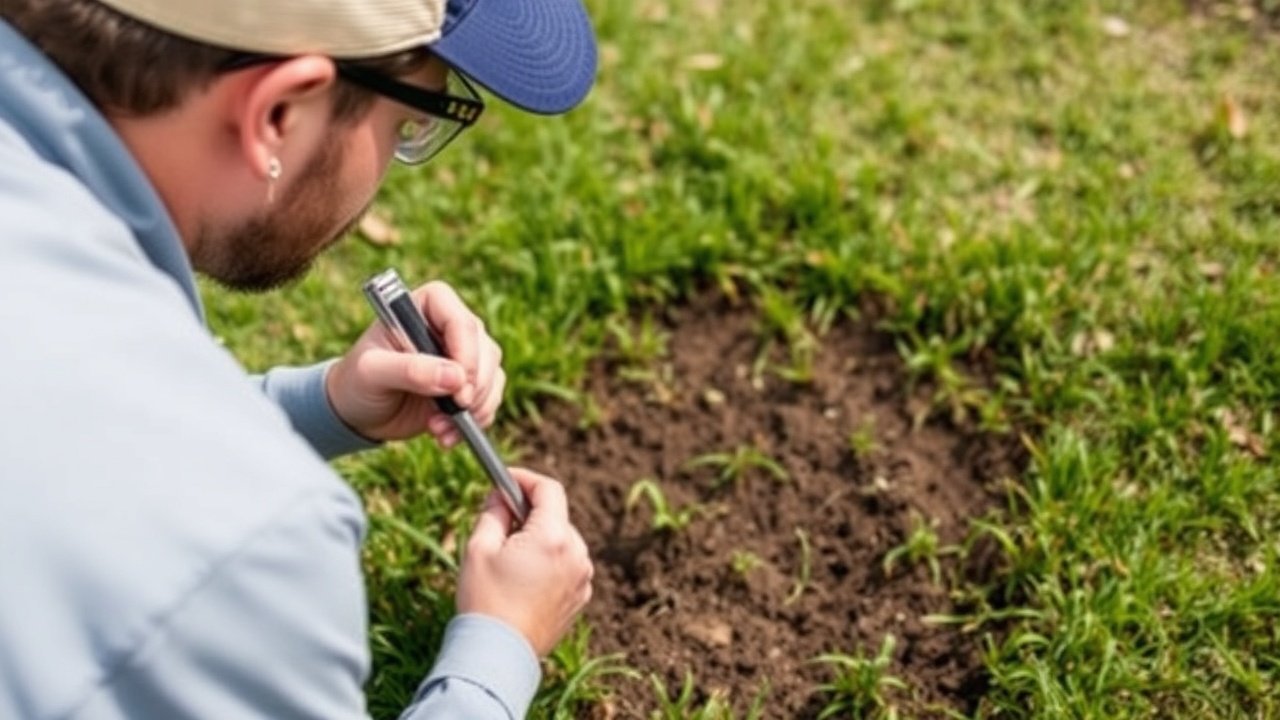
A lawn care expert can provide a comprehensive evaluation of your lawn’s condition, including soil testing, disease identification, and pest assessment. Based on their findings, they can develop a customized treatment plan to address the specific needs of your lawn. This may involve soil amendments, targeted fertilization, pest control measures, or disease management strategies to restore your lawn’s health and prevent future problems. Engaging a professional ensures that your stressed lawn receives the expert care it needs to help it recover.