As the leaves change and the air turns crisp, preparing your lawn for the colder months ahead becomes crucial. Fall lawn fertilization is key to ensuring a lush, vibrant lawn come next spring. This comprehensive guide will walk you through the best practices of fall fertilization, helping you understand why and how to fertilize your grass effectively.
Understanding Fall Lawn Fertilization
Importance of Fall Fertilizer
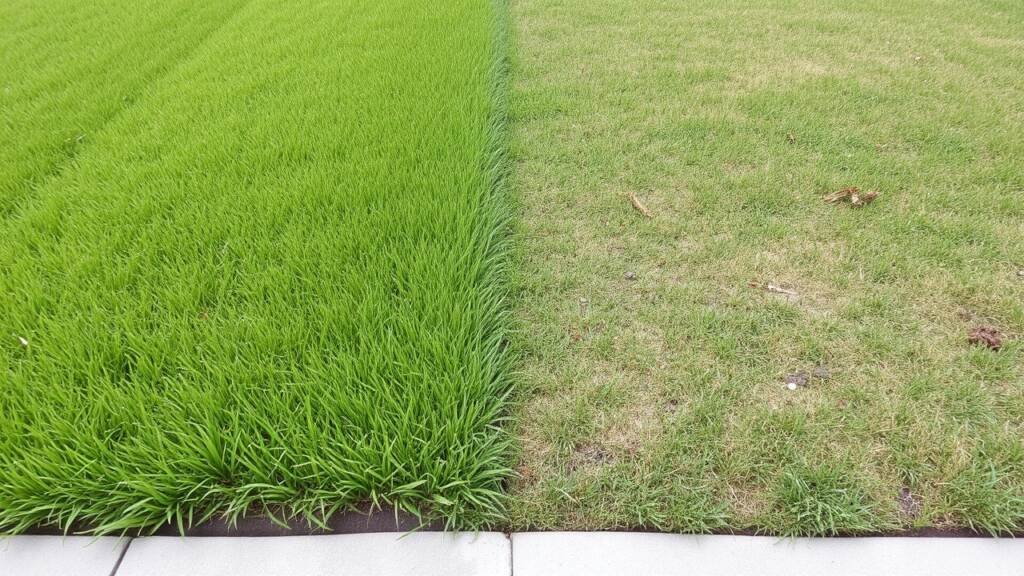
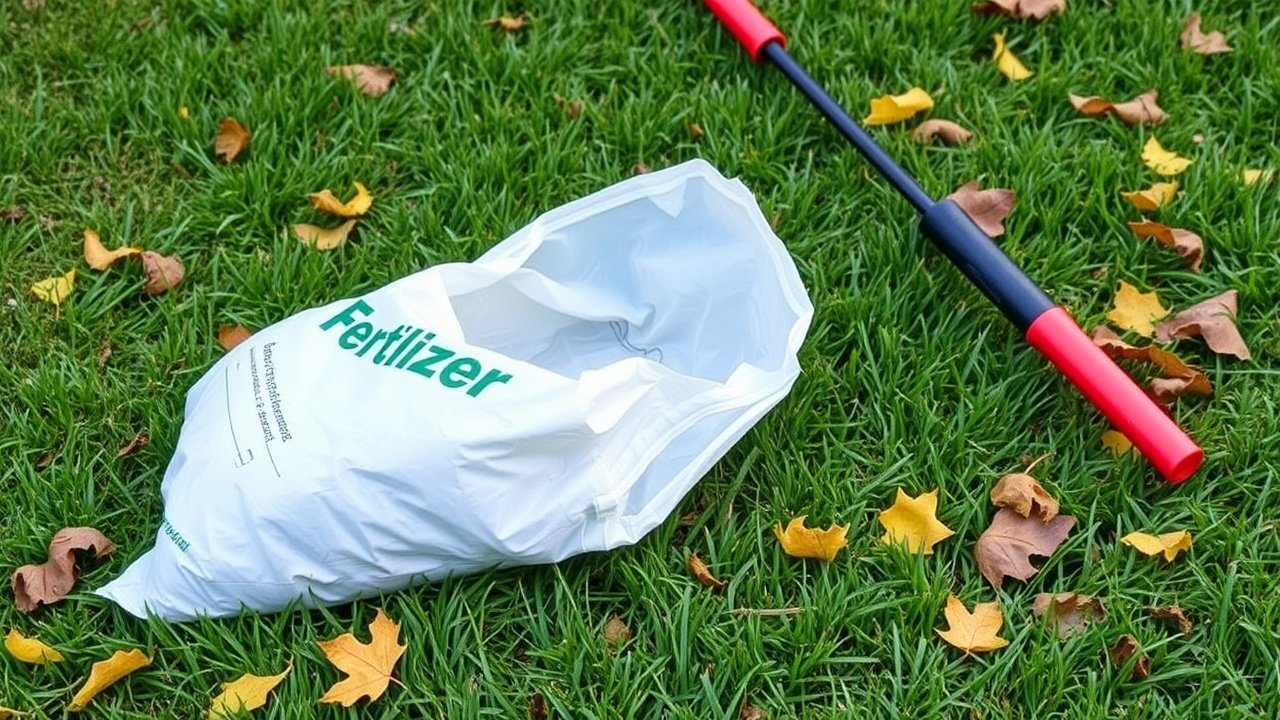
Fall fertilizer is essential because it prepares your lawn for the dormant winter months and ensures vigorous root growth. Applying fall fertilizer provides the necessary nutrients to strengthen the turf before the temperature drops. This fall fertilization sets the stage for a healthier, greener lawn in the spring, making it a good time to apply nutrients that will benefit the grass immensely.
How Fertilization Affects Grass Growth
Fertilization, especially in the fall, directly impacts grass growth by strengthening its root system. The nutrients in the fertilizer are absorbed by the plant, promoting root growth and overall health. This root growth is vital for withstanding drought and other stresses. Fertilizing lawns at the right time ensures the grass has the strength to thrive when the growing season returns.
Key Nutrients for Fall Lawn Fertilization
The primary nutrients required for effective fall lawn fertilization are nitrogen, potassium, and phosphorus, often represented by three numbers on the fertilizer bag indicating their ratio. Fall fertilizer typically benefits from a high-nitrogen fertilizer blend to stimulate root development. Consulting your local cooperative extension office or conducting a soil test can help determine the ideal type of fertilizer for your soil.
Best Time to Fertilize Your Lawn
Identifying the Right Season for Fertilizing Lawns
Determining the best time to fertilize your lawn in the fall is crucial for maximizing the benefits of fall fertilization. For cool-season grasses like fescue and bluegrass, early fall, specifically September to early November, is ideal. During this period, the soil is still warm enough to promote root growth, allowing the grass to absorb the nutrients from the fertilizer effectively.
Late Fall vs Early Fall Fertilization
The decision between late fall and early fall fertilization depends on your location and the type of grass. Early fall allows the grass to recover from summer stress and build strong roots before the winter months. Late fall fertilization, often referred to as winter fertilizer application, can be beneficial as it provides a nutrient boost that the grass can utilize as soon as the growing season starts next spring, ensuring a head start.
Signs It’s Time to Fertilize My Lawn
Knowing when it’s time to fertilize involves observing your grass and understanding its needs. If your lawn appears thin, is slow to recover from drought, or shows signs of nutrient deficiency, it’s likely time to apply fertilizer. Conducting a soil test can provide valuable insights into specific nutrient deficiencies and help you select the appropriate type of fertilizer for your fall lawn fertilization program.
Choosing the Right Lawn Fertilizer
Types of Fertilizer for Fall Application
Selecting the right type of fertilizer for fall application is essential for promoting healthy root growth and preparing your lawn for winter. Fertilizer for fall should be high in phosphorus and potassium to encourage root development and improve the turf’s tolerance to cold temperatures. A high-nitrogen fertilizer can also be beneficial, but it should be applied judiciously to avoid excessive top growth before winter.
Organic vs Synthetic Fertilizers
When choosing fertilizer, consider the differences between organic and synthetic options. Organic fertilizers release nutrients slowly, improving soil health over time, while synthetic fertilizers provide a quick nutrient boost. Both types can be effective for fall fertilizing; however, organic fertilizers offer the added benefit of enhancing soil structure and promoting beneficial microbial activity, which supports long-term lawn health.
How to Read Fertilizer Labels
Understanding how to read fertilizer labels is key to applying the right nutrients at the correct ratio. The three numbers on the bag represent the percentage of nitrogen, phosphorus, and potassium, respectively. Choose fertilizer with a balanced or slightly higher phosphorus and potassium content. Always follow the manufacturer’s instructions for application rates to avoid over-fertilizing, which can harm your lawn and the environment, and determine the proper square feet of coverage.
How to Apply Fertilizer Effectively
Best Practices for Applying Fertilizer
To effectively apply fertilizer, it’s essential to follow best practices that ensure even distribution and optimal nutrient uptake. Always start with a soil test to understand your lawn’s specific needs, ensuring you select the appropriate type of fertilizer. Before you apply fertilizer, calibrate your spreader to deliver the correct amount per square foot, preventing over-fertilization and potential damage to your turf.
Tools for Fertilizing Lawns
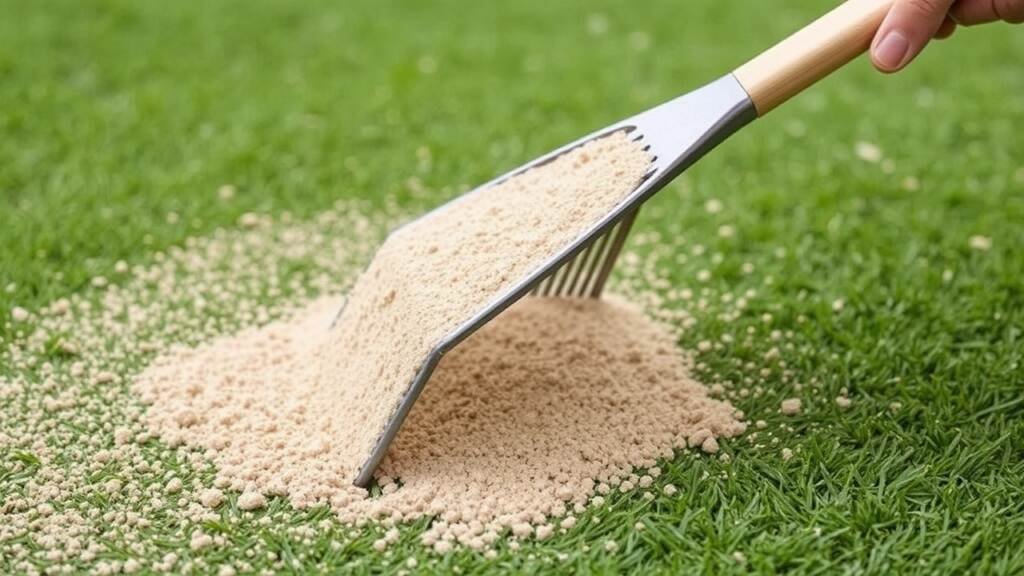
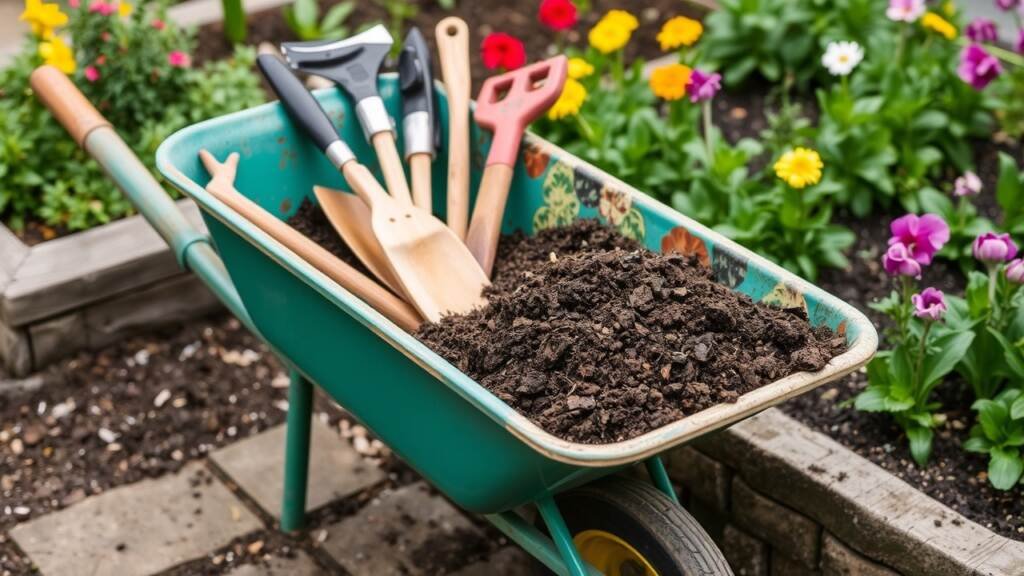
Selecting the right tools can significantly impact the efficiency and effectiveness of fertilizing. A broadcast spreader is ideal for large areas, providing even coverage, while a drop spreader is better suited for smaller, more precise applications. Additionally, consider using a handheld spreader for spot treatments or hard-to-reach areas in your garden. Always clean your tools after each use to maintain their condition and ensure accurate application in the future.
Common Mistakes to Avoid When Fertilizing
Avoiding common mistakes is crucial for successful fall lawn fertilization. One frequent error is applying too much fertilizer, which can burn the grass and harm the environment. Another mistake is fertilizing during extreme weather conditions, such as heavy rain or drought, which can lead to runoff or ineffective nutrient absorption. Always follow the manufacturer’s instructions and conduct a soil test to tailor your approach.
Maintaining Your Lawn After Fertilization
Watering Guidelines Post-Fertilization
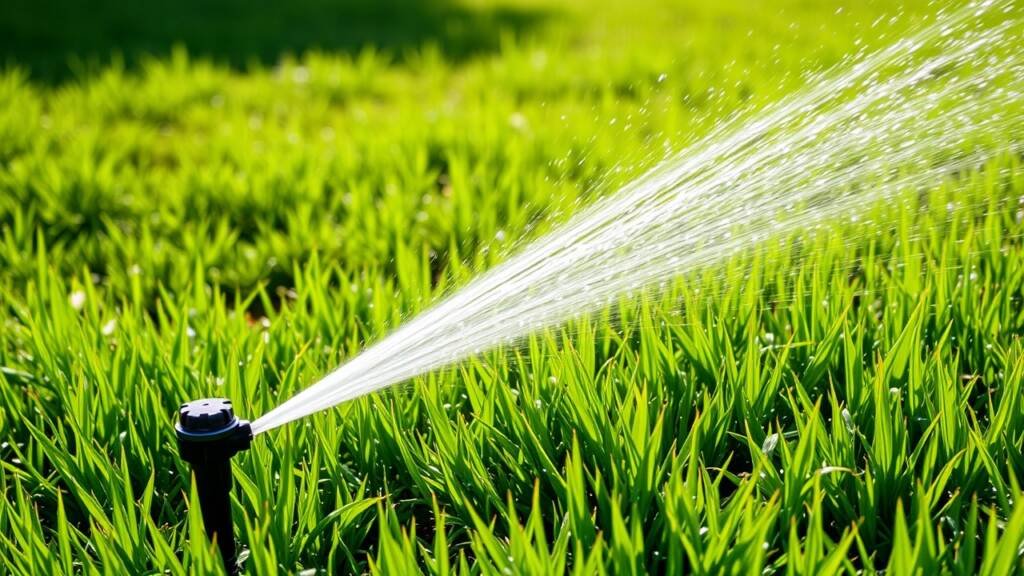
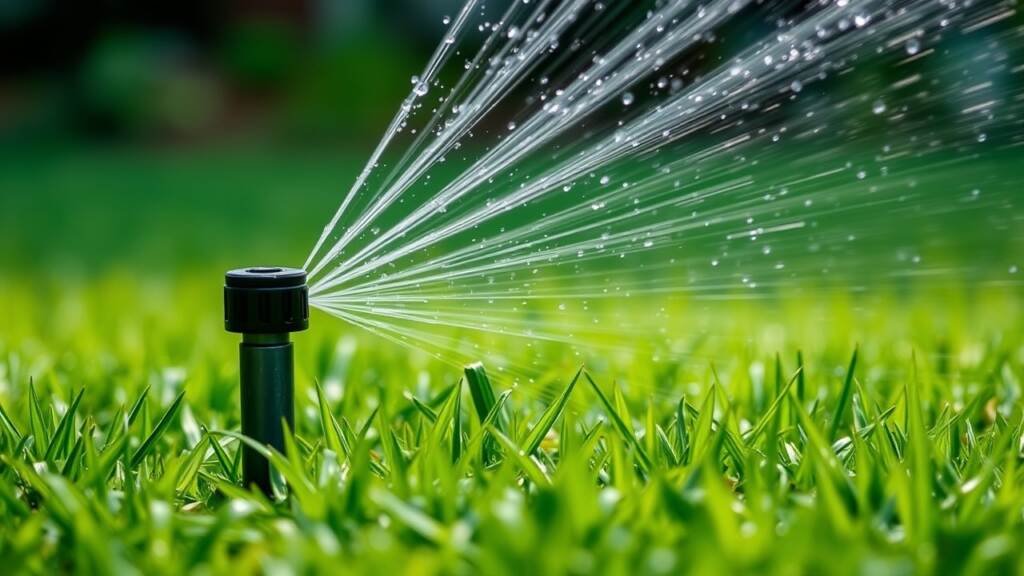
Proper watering is critical after fall fertilization to help the fertilizer dissolve and penetrate the soil. Water deeply and thoroughly after applying the fertilizer, ensuring the nutrients reach the root zone. Avoid frequent, shallow watering, as this can lead to nutrient runoff and promote shallow root growth, which weakens the grass over time. Aim for consistent soil moisture to maximize the benefits of the fertilizer.
Monitoring Grass Health
Regularly monitoring your grass health post-fertilization allows you to assess the effectiveness of your fall fertilization efforts. Look for signs of improvement, such as increased density, vibrant color, and improved recovery from stress. Also, watch out for any signs of over-fertilization, such as excessive growth or yellowing, and adjust your approach as needed. A healthy lawn is a result of consistent care and attention.
Preparing for Winter: Final Steps
As winter approaches, completing a few final steps will help ensure your lawn thrives next spring. After late fall fertilization, make sure to clear away any fallen leaves or debris to prevent snow mold and other diseases from taking hold. Consider applying a final layer of mulch to protect the root system from harsh winter conditions. These steps will protect your lawn over the winter months and prepare it for healthy growth in the spring.