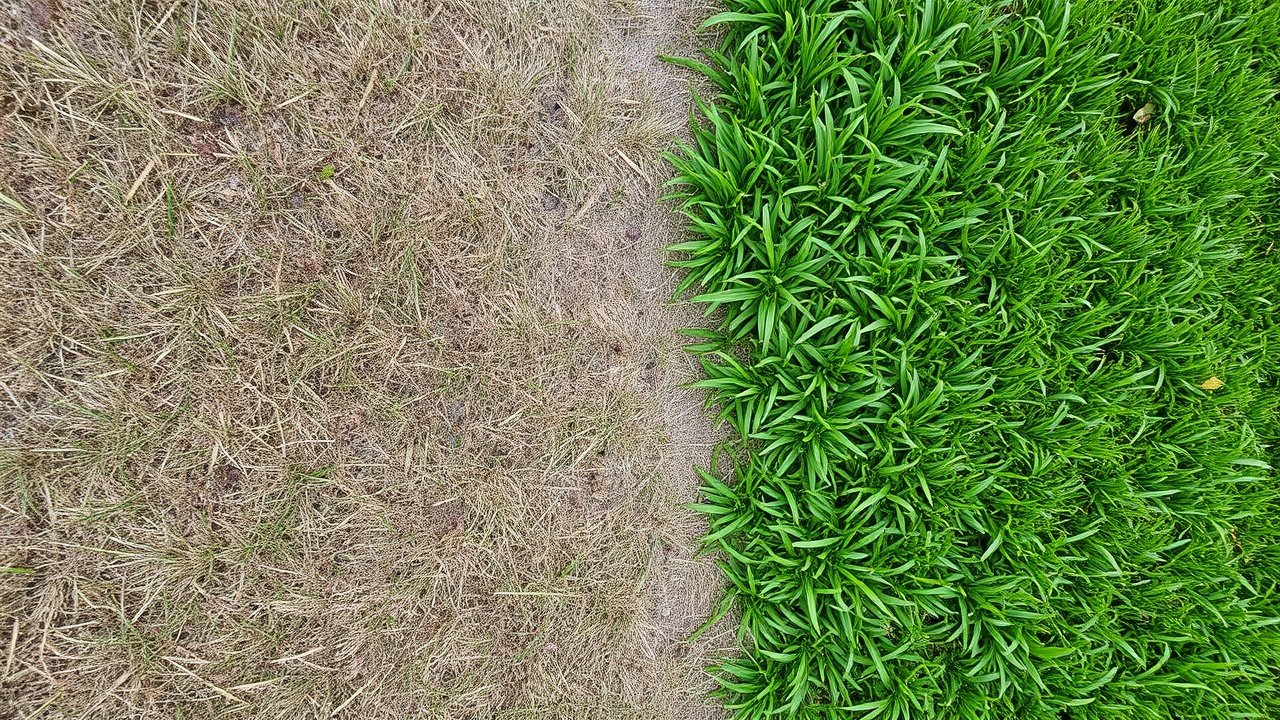
Choosing the right type of lawn installation is a common dilemma for homeowners. There is no single “best” answer because the ideal choice depends on your unique circumstances. Factors like climate, usage, and maintenance preferences all play a crucial role in determining which option will thrive in your yard. At Destiny Landscape, we understand that a successful lawn installation considers all these real-world conditions.
Key Factors to Consider Before Choosing a Lawn Type
Before diving into the different lawn installation options, it’s crucial to assess several key factors that will significantly impact your decision. Considering these elements upfront will help you narrow down your choices and ensure a successful and satisfying lawn.
Climate and Location
Your climate and location are paramount. Different grass types thrive in various regions. Consider factors like average rainfall, temperature extremes, and sun exposure. Some grasses prefer warm, humid climates, while others are more suited to cooler, drier conditions. Choosing the right grass for your climate is essential for a healthy and vibrant green lawn.
Water Availability
Water availability is another critical factor. If you live in an area with limited rainfall or water restrictions, you will want to choose a grass type that is drought-tolerant. Consider your access to irrigation and your willingness to water your lawn regularly. Opting for a grass that requires less water can save you money and conserve resources.
Intended Lawn Use
How you intend to use your lawn is a significant consideration. If you have children or pets who will be playing on the grass, you will want to choose a durable, wear-resistant variety. For purely ornamental lawns, aesthetics might be your primary concern. High-traffic areas require grass types that can withstand heavy use and recover quickly.
Maintenance Expectations
Consider your maintenance expectations. Some lawn types require more frequent mowing, fertilizing, and pest control than others. Be realistic about the amount of time and effort you’re willing to invest in lawn care. If you prefer a low-maintenance option, choose a grass type that is naturally resilient and requires minimal upkeep.
Option #1: Sod Installation
Sod installation involves laying pre-grown grass onto prepared soil. It’s a popular method for achieving an instant lawn, offering several advantages and disadvantages to consider.
Advantages
One of the primary advantages of sod is the immediate gratification of a new lawn. You get instant curb appeal and a usable lawn much faster than with seeding. Sod also helps prevent soil erosion and weed growth, giving your grass a head start. It’s a relatively quick process, transforming your lawn in a matter of days.
Disadvantages
Sod installation tends to be more expensive than seeding. The cost of the sod itself, combined with the labor involved in installation, can add up quickly. Sod also requires careful watering and maintenance in the initial weeks to ensure proper rooting. There’s also a limited selection of grass types available as sod in some regions, potentially restricting your choices.
Best Use Cases
Sod installation is ideal for situations where you need a lawn quickly, such as new construction or after significant landscaping changes. It’s also a good choice for sloped areas where erosion control is a concern. If you’re looking for an instant, established lawn and are willing to invest more upfront, sod is a viable option. It is also a good option if you are looking for quick establishment of your ideal turf.
Option #2: Seeding a Lawn
Advantages
Seeding a lawn is a more traditional and often more economical method of lawn installation. One of the key advantages of using grass seed is the wide variety of grass types available. You can choose the specific grass that is best suited for your climate, soil conditions, and intended use. Seeding allows for greater customization and can result in a lush, green, and healthy lawn with the right lawn care.
Disadvantages
The primary disadvantage of seeding a lawn is the time it takes to establish. Unlike sod, which provides an instant lawn, seeding requires patience. It can take several weeks or even months for the grass seed to germinate and grow into a mature lawn. During this time, the area needs to be carefully watered and protected from heavy foot traffic and pests, adding to the challenges of achieving the desired lawn look.
Best Use Cases
Seeding is often the best option for large areas where the cost of sod would be prohibitive. It’s also a good choice for homeowners who are willing to invest the time and effort required to nurture a new lawn from scratch. If you have specific grass types in mind or are working with a limited budget, seeding can be a practical and rewarding approach to lawn installation. It can also be used to repair brown spots in your existing lawn.
Option #3: Artificial Turf Installation
Advantages
Artificial turf installation is an increasingly popular alternative to natural grass, offering a range of benefits. One of the biggest advantages is its low-maintenance nature. Artificial turf requires no mowing, watering, or fertilizing, saving you time and money. It also stays consistently green year-round, regardless of the weather conditions, providing a perpetually vibrant green lawn look. It is also versatile grass hue that looks good regardless of the environment.
Disadvantages
The initial cost of artificial turf installation can be significantly higher than sod or seeding. While it eliminates ongoing maintenance expenses, the upfront investment can be substantial. Artificial turf can also get hot in direct sunlight, making it less comfortable to walk on during hot summer months. Additionally, it doesn’t provide the same environmental benefits as natural grass, such as carbon sequestration and cooling effect.
Best Use Cases
Artificial turf is an excellent choice for areas with heavy foot traffic, such as playgrounds or sports fields, where natural grass would quickly wear down. It’s also a good option for homeowners who want a low-maintenance lawn or who live in areas with water restrictions. If you’re looking for a durable, consistent, and hassle-free lawn solution, artificial turf may be the right product for you, even if it means foregoing the natural green of grass types. This will certainly transform your lawn.
Comparing Lawn Installation Types at a Glance
Cost Range
The cost range varies significantly among lawn installation types. While each method offers a way to establish a green lawn, the initial investment differs considerably. Here’s a breakdown of the relative costs:
| Lawn Installation Type | Relative Cost |
|---|---|
| Seeding | Most Economical |
| Sod Installation | Mid-Range |
| Artificial Turf | Most Expensive Upfront |
Seeding a lawn is generally the most economical option, requiring a smaller initial investment for grass seed and basic equipment. Sod installation falls in the mid-range, with the cost of the sod itself and the labor involved. Artificial turf is typically the most expensive upfront, due to materials and professional installation.
Time to Usability
Time to usability differs greatly among lawn installation methods. These are all important factors to create a beautiful lawn.
| Method | Time to Usability |
|---|---|
| Sod | A couple of weeks (light use) |
| Seeding | Several weeks or months |
| Artificial Turf | Quick usability after installation |
Maintenance Level
Maintenance levels vary considerably. Consider the following maintenance practices when choosing your new lawn:
| Lawn Type | Maintenance Requirements |
|---|---|
| Seeding | Consistent watering, fertilizing, and weed control, especially during establishment. |
| Sod | Regular watering in the initial weeks to establish healthy roots. |
| Artificial Turf | No mowing, watering, or fertilizing, although occasional cleaning is needed. |
Longevity
Longevity depends on the grass types you choose and the care provided. A well-maintained seeded or sodded lawn can last for many years. Artificial turf also offers long-term durability, with many products offering warranties of 10-15 years. Factors like climate, use, and maintenance practices all play a role in determining the lifespan of your lawn. Choosing the right product will create an ideal turf paint.
Which Lawn Installation Type Works Best by Region
Dry Climates
In dry climates, drought-tolerant grass varieties are crucial. Seeding with native grasses that require minimal watering can be a sustainable option. Artificial turf is also a practical choice, eliminating the need for irrigation. Sod can be used, but requires careful watering and may not be the most water-efficient choice in the long run. It can give you an amazing green grass lawn spray.
Cold Climates
In cold climates, choose grass types that are cold-hardy and can withstand freezing temperatures. Seeding with a blend of cool-season grasses is a common practice. Artificial turf remains unaffected by cold weather, providing a consistent surface year-round. Sod installation can also be successful if done during the right time of year, allowing the grass to establish before winter.
High-Traffic Households
For high-traffic households with children or pets, durability is key. Artificial turf is an excellent option, as it can withstand heavy use without wearing down. Seeding with a resilient grass type, such as Kentucky bluegrass or perennial ryegrass, can also work, but requires regular maintenance and overseeding to repair damaged areas. Sod can provide a quick solution, but still requires ongoing care to prevent wear and tear.
Common Mistakes Homeowners Make When Choosing a Lawn
Focusing Only on Upfront Cost
Many homeowners make the mistake of focusing solely on the upfront cost when selecting a lawn installation method. While the initial price tag is important, it’s crucial to consider the long-term expenses associated with each option. Seeding a lawn might seem cheaper initially, but it can require more fertilizer and lawn care to maintain a healthy, green lawn. The right product will help make sure you have the ideal turf paint look you want.
Ignoring Long-Term Maintenance
Ignoring long-term maintenance is another common pitfall. Some grass types demand more frequent mowing, watering, and fertilization than others. Failing to account for these ongoing requirements can lead to a faded, unhealthy lawn and increased expenses over time. Artificial turf, while more expensive initially, might be the better choice for those seeking a low-maintenance lawn that needs no spray paint. Proper lawn care will ensure a vibrant green lawn.
Choosing the Wrong Grass for the Climate
Selecting the wrong grass for your climate is a significant error that can result in a struggling lawn. Grass types have varying tolerances for heat, cold, drought, and shade. Planting a grass that is not well-suited to your local conditions will lead to a thin, unhealthy lawn that is prone to diseases and pests. Also, it will lead to brown spots on your lawn. Make sure you select the right grass types for the new lawn.
Conclusion
Summarizing Your Lawn Choices
In summary, choosing the best lawn installation type involves carefully balancing factors like climate, intended use, maintenance preferences, and budget. There is no one-size-fits-all answer, as the ideal choice depends on your unique circumstances. Weighing the advantages and disadvantages of sod, seeding, and artificial turf is essential for making an informed decision. Consider concentrated grass dye for the brown grass and dead grass spots.
Destiny Landscape’s Support in Lawn Planning
At Destiny Landscape, we believe in empowering homeowners with the knowledge they need to make informed lawn planning decisions. By carefully considering your environment, lifestyle, and long-term goals, you can create a lawn that thrives and enhances your property’s beauty. Whether you choose sod, seed, or artificial turf, a thoughtful approach will lead to a satisfying result. Consider using green grass paint for your lawn.
- Commercial Landscape Services & Maintenance Near You
- Professional Landscaping, Gardening & Home Care Services | Destiny Landscaping
- Zen Garden Design: Japanese Garden Ideas for a Serene Space
- Smart lawn technology for more sustainable yards
- Lawn Care & Landscaping Services: List for Home & Commercial Landscape