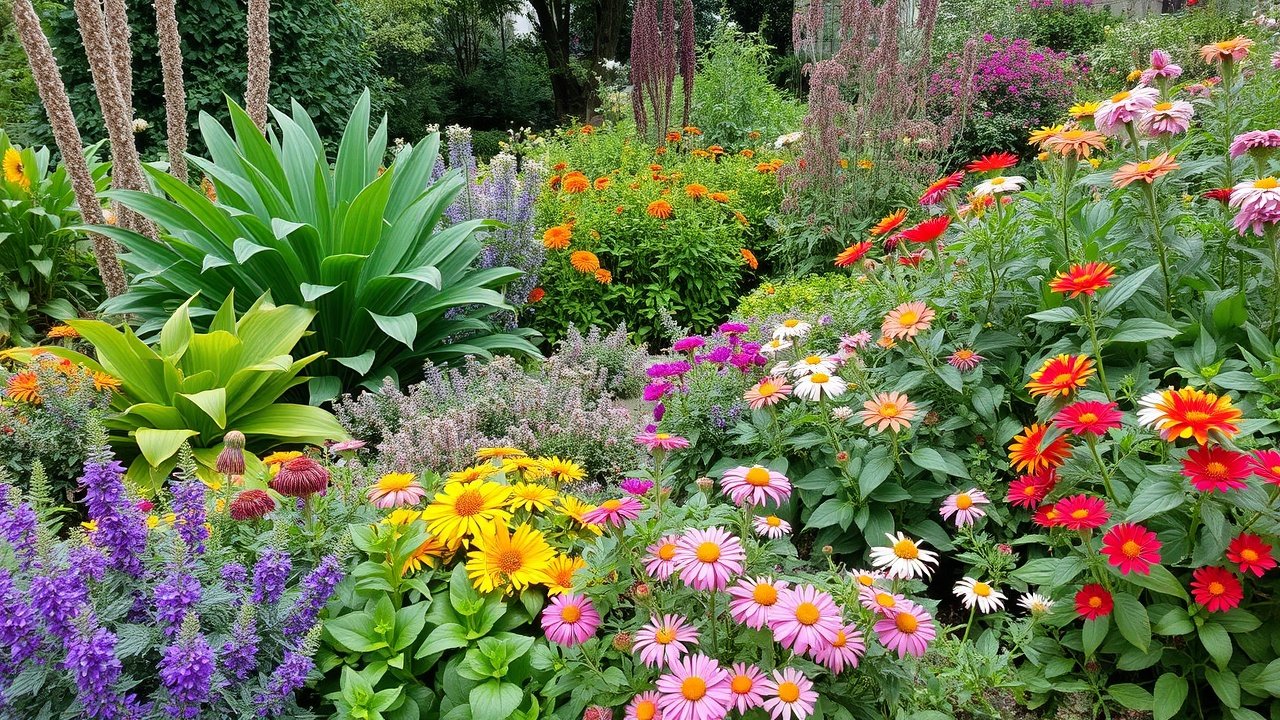
Here’s a breakdown of the growing movement toward eco-friendly landscaping in the United States, driven by a desire to:
- conserve water
- protect vital pollinator populations
- minimize waste
This approach benefits both the environment and allows homeowners to create beautiful, functional, and resource-efficient outdoor areas.
At Destiny Landscape, we understand this growing need and are dedicated to helping clients build green, sustainable outdoor spaces that reflect their values and enhance their lifestyles. We believe that a well-designed landscape can be both aesthetically pleasing and environmentally responsible. This article will provide you with practical ideas and expert guidance to transform your yard into an eco-friendly haven, contributing to a healthier planet while enjoying the beauty of nature right at your doorstep.
What Is Eco-Friendly Landscaping?
Defining Sustainable Landscape Design
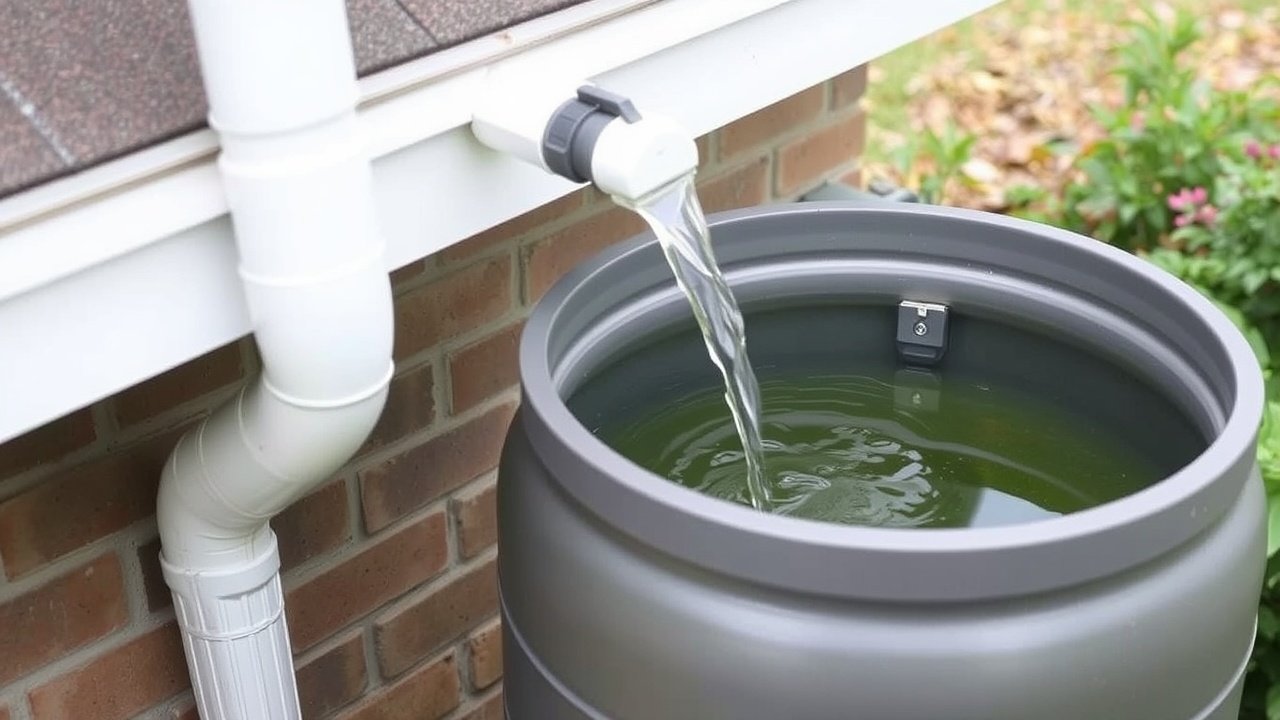
Sustainable landscape design, often synonymous with eco-friendly landscaping, is an approach that focuses on creating outdoor spaces that work in harmony with the environment. It prioritizes the use of sustainable landscaping practices to minimize negative impacts while maximizing ecological benefits. This involves careful planning and implementation to create a thriving, self-sustaining ecosystem within your yard.
Differences Between Eco-Friendly and Traditional Landscaping
Traditional landscaping often relies on resource-intensive practices. In contrast, eco-friendly landscape design aims for a natural balance. This involves several key objectives:
- Promoting biodiversity
- Ensuring resource efficiency
Ultimately, this approach minimizes water use, reduces the need for chemical inputs, and creates habitats for local wildlife, leading to a healthier and more resilient landscape.
Key Principles of Sustainable Landscaping
Sustainable landscaping is guided by several key principles to ensure a beautiful and environmentally sound outdoor space. Key elements to consider include:
- Soil health, achieved through composting and organic material
- The use of native plants
- Water conservation techniques
- Waste reduction
By adhering to these principles, you can create an eco-friendly landscape that thrives while minimizing its environmental impact.
Benefits of Sustainable Landscaping
Saves Water and Reduces Bills
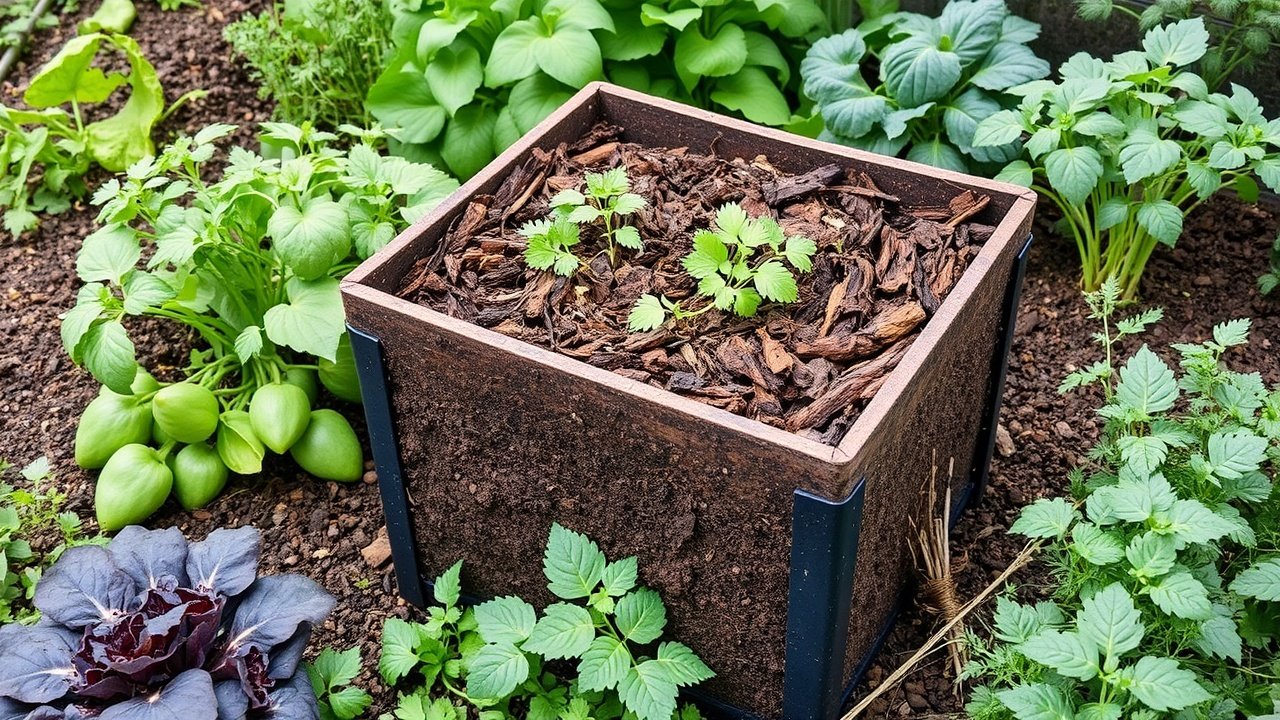
One of the most significant benefits of sustainable landscaping is its ability to conserve water. By implementing strategies like drip irrigation and using drought-tolerant plants, homeowners can dramatically reduce their water use. Additionally, installing a rain barrel can provide a free and sustainable source of water for irrigation.
Supports Local Wildlife
Eco-friendly gardens provide essential habitats for local wildlife. Native plants are particularly important as they provide food and shelter, supporting biodiversity and creating a thriving ecosystem.
Low Maintenance, Long-Term Beauty
Sustainable landscapes are designed to be low-maintenance, requiring less time and effort than traditional lawns and gardens. By selecting native plants and using mulch, you can simplify lawn care, allowing you to enjoy a beautiful and healthy landscape with minimal effort.
Increases Property Value
In today’s market, eco-friendly design is becoming an increasingly valuable selling point for homes across the United States. Investing in sustainable landscape design can therefore increase your property value and attract environmentally conscious buyers.
Best Eco-Friendly Landscaping Ideas to Try

Use Native and Drought-Tolerant Plants
Choosing native plants and drought-tolerant plants is a cornerstone of sustainable landscape design. Native plants require less water, fertilizer, and pesticides than non-native plants. This reduces the need for intensive lawn care and helps conserve water.
Destiny Landscape Pro Tip: Group plants with similar water needs together to create zones within your landscape. This allows you to efficiently conserve water and tailor your irrigation schedule to the specific needs of each planting area. Use mulch to retain soil moisture and further reduce water use around your native landscaping.
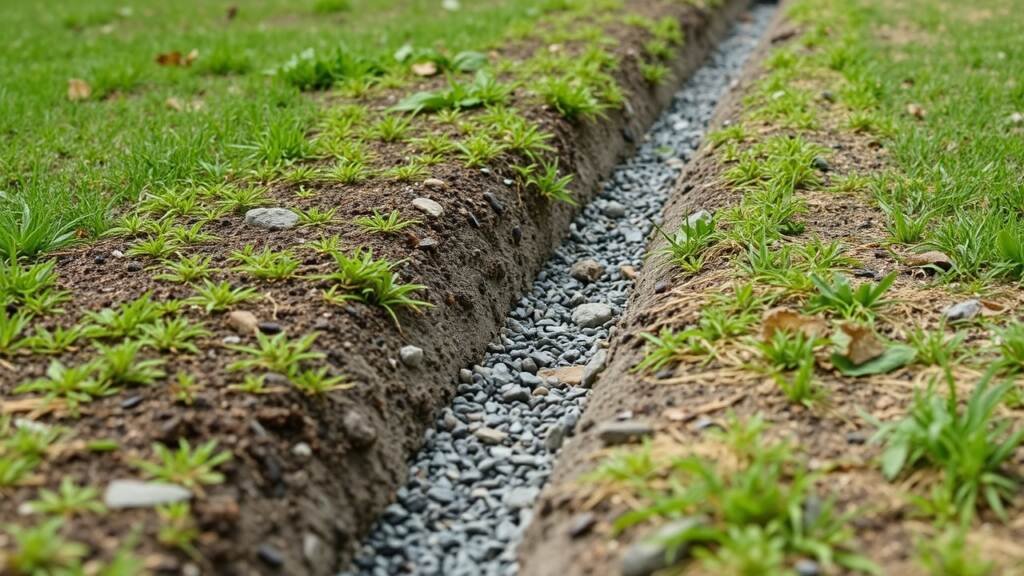
Create a Rain Garden or Bioswale
A rain garden is a shallow, planted depression designed to capture and filter stormwater runoff. These features help to reduce erosion and stormwater runoff by allowing water to slowly infiltrate the soil, recharging groundwater supplies and reducing the burden on municipal stormwater systems. Rain gardens and bioswales also improve soil health by filtering out pollutants and adding nutrient-rich organic material.
Destiny Landscape Pro Tip: Position your rain garden strategically to capture runoff from your gutter downspouts or driveway. Incorporate native plants that thrive in wet conditions, such as sedges, rushes, and wildflowers, to create a beautiful and functional feature that benefits both your landscape and the environment. Proper grading is essential to prevent standing water.
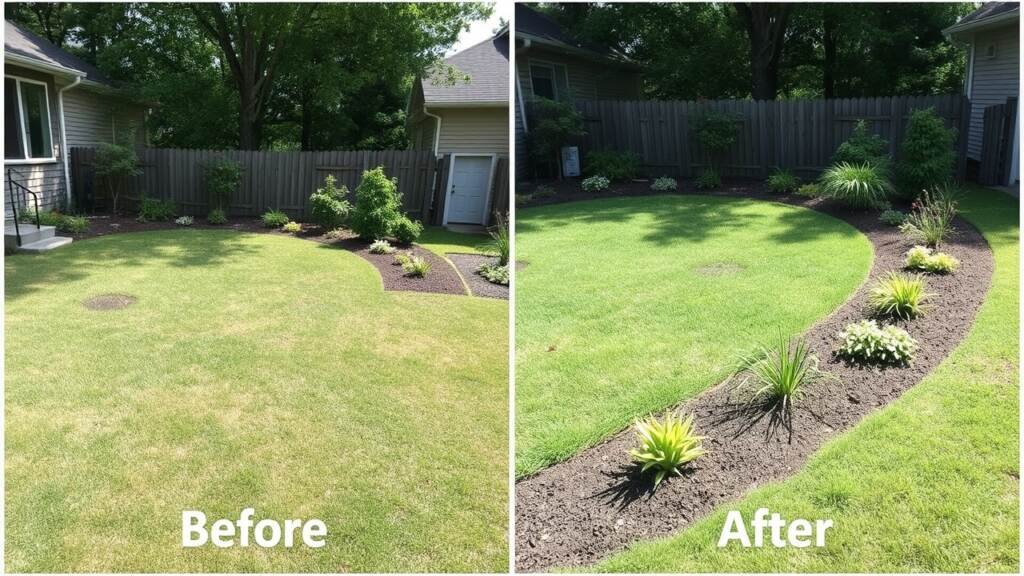
Replace Lawn Grass with Ground Covers or Gravel Paths
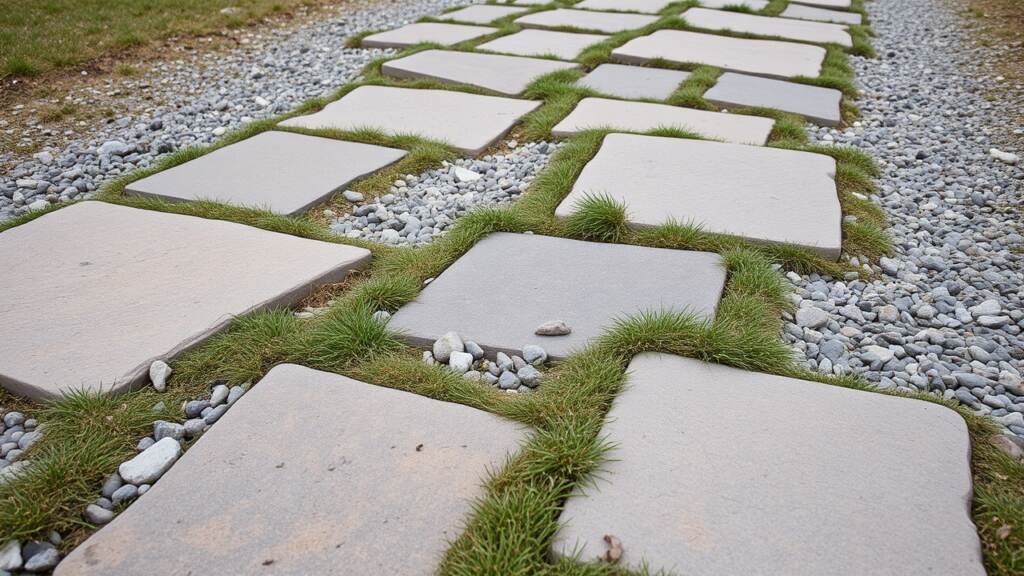
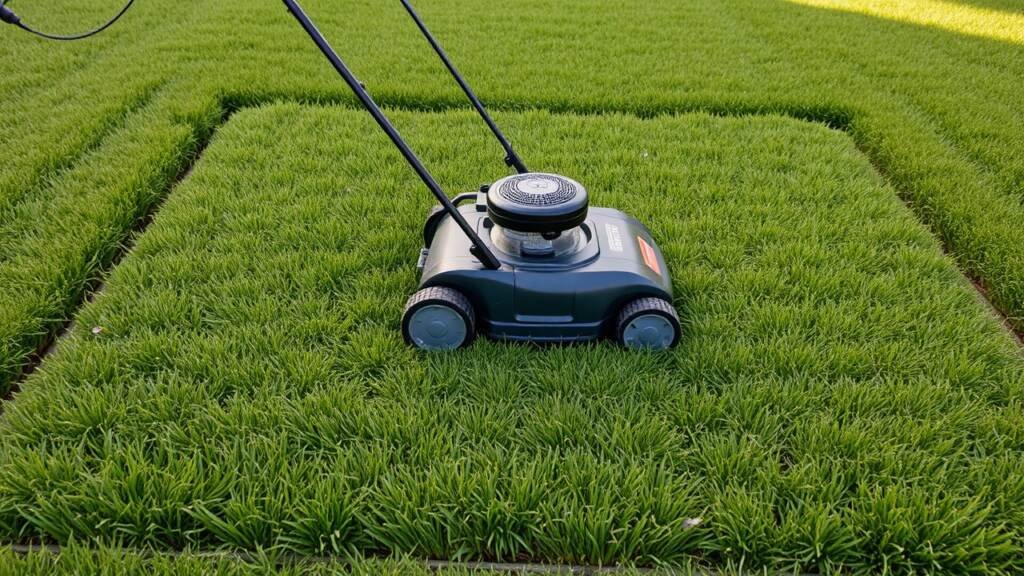
Replacing traditional lawn grass with ground covers or gravel paths offers numerous eco-friendly benefits. Traditional lawns require frequent mowing, watering, and fertilizing, contributing to increased water use and carbon footprint. Ground covers, such as clover, creeping thyme, or sedum, require less maintenance and water while providing habitat for pollinators. Gravel paths offer a permeable surface that allows water to infiltrate the soil, reducing runoff and erosion.
Destiny Landscape Pro Tip: Consider using a mix of ground covers and gravel paths to create a visually appealing and environmentally sustainable landscape. Combine different textures and colors to add interest and create a unique outdoor space that reflects your personal style. Be sure to install a weed barrier beneath gravel to prevent weeds.
Install Drip Irrigation Systems
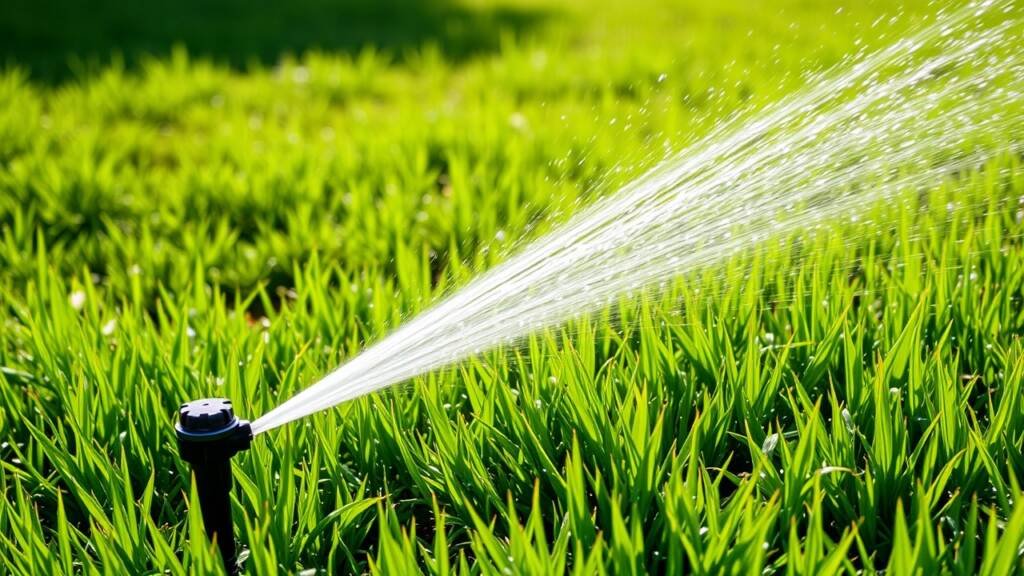
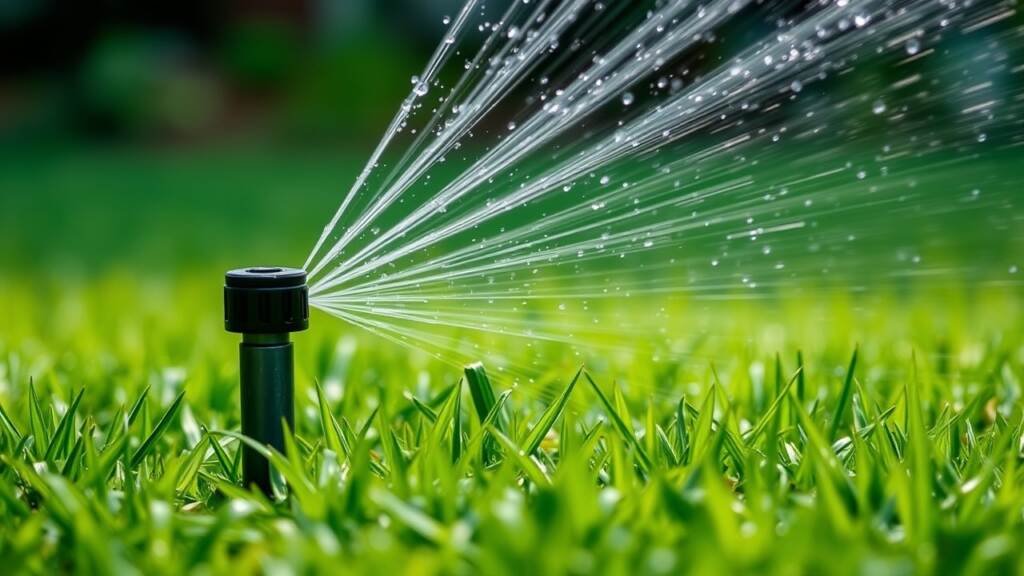
Drip irrigation systems are an efficient and sustainable way to water your landscape. These systems deliver water directly to the roots of plants, minimizing water loss through evaporation and runoff. Drip irrigation can be easily customized to meet the specific water needs of different plants, ensuring that each plant receives the optimal amount of water. This conserves water and promotes healthy plant growth.
Destiny Landscape Pro Tip: Install a timer on your drip irrigation system to automate watering and further reduce water use. Regularly inspect your system for leaks or clogs to ensure it is functioning properly. Mulch around plants to help retain soil moisture and reduce the need for frequent watering.
Compost and Reuse Yard Waste
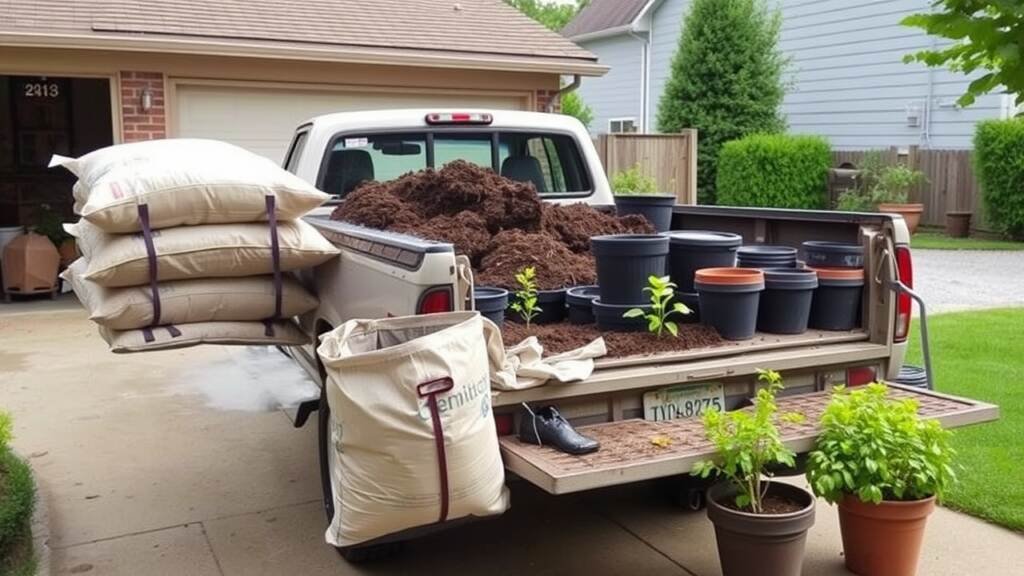
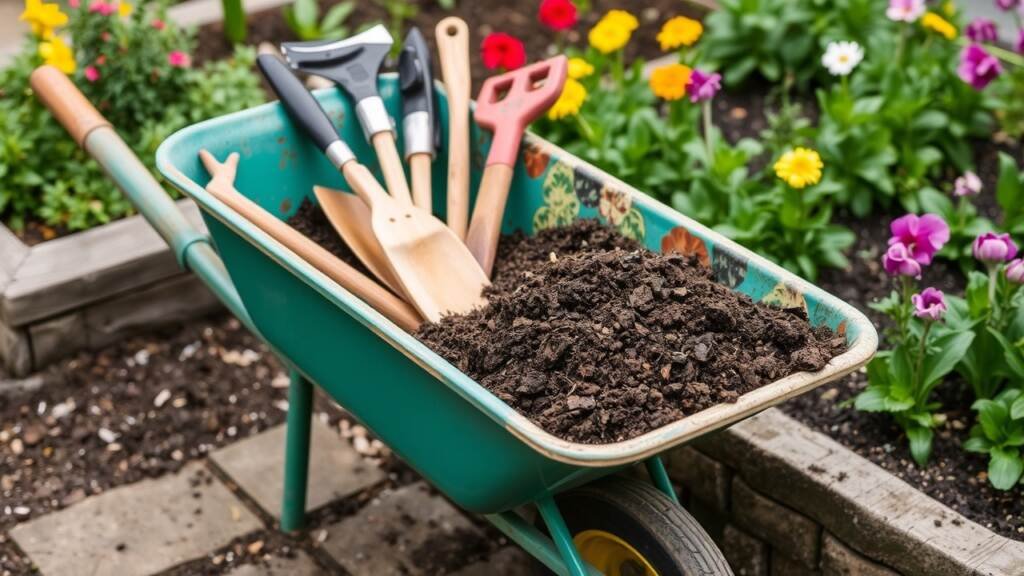
Composting is a simple and effective way to recycle yard waste and create nutrient-rich soil amendment for your garden. By composting grass clippings, leaves, and other organic material, you can reduce the amount of waste sent to landfills and create a valuable resource for your landscape.
Destiny Landscape Pro Tip: Create a compost bin or purchase a commercially available composter to make composting easy and convenient. Turn your compost pile regularly to aerate it and speed up the decomposition process. Use finished compost to amend garden beds, container plantings, and lawn areas to improve soil health and fertility. Avoid composting meat or dairy products.
Use Recycled or Natural Materials in Design
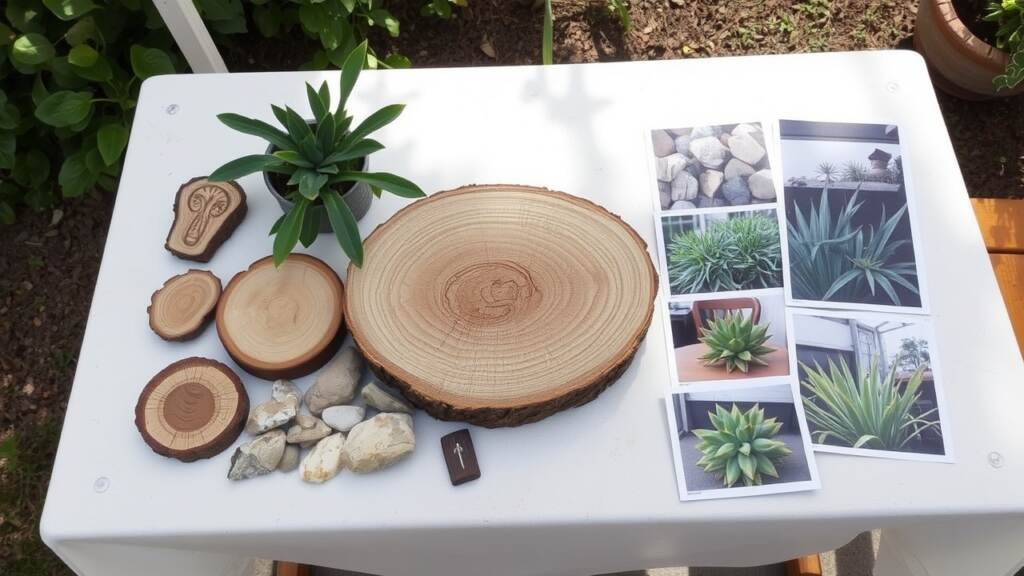
Incorporating recycled or natural materials into your landscape design is a great way to reduce your environmental impact and create a unique and sustainable outdoor space. Use reclaimed wood for decks, fences, or raised garden beds. Permeable pavers made from recycled materials can be used for patios and walkways, reducing runoff and allowing water to infiltrate the soil. Stone and gravel can be used for borders, pathways, and retaining walls, adding natural beauty and functionality to your landscape.
Destiny Landscape Pro Tip: Source recycled and natural materials from local suppliers to reduce transportation costs and support local businesses. Consider using reclaimed bricks or stones to create a charming and eco-friendly patio or walkway. Choose materials that complement the style of your home and blend seamlessly with the surrounding landscape.
Add Solar-Powered Lighting
Solar-powered lighting is a sustainable and energy-efficient way to illuminate your landscape at night. Solar lights harness the power of the sun to charge during the day and automatically turn on at dusk, providing a soft and inviting glow. Solar lights are easy to install and require no wiring, making them a convenient and cost-effective option for landscape lighting.
Destiny Landscape Pro Tip: Place solar lights in areas that receive plenty of sunlight during the day to ensure optimal performance. Choose solar lights with different styles and brightness levels to create a customized lighting scheme that enhances the beauty of your landscape. Consider using solar-powered spotlights to highlight focal points or architectural features.
How to Plan a Sustainable Garden Design
Evaluating Sunlight, Soil, and Water Flow
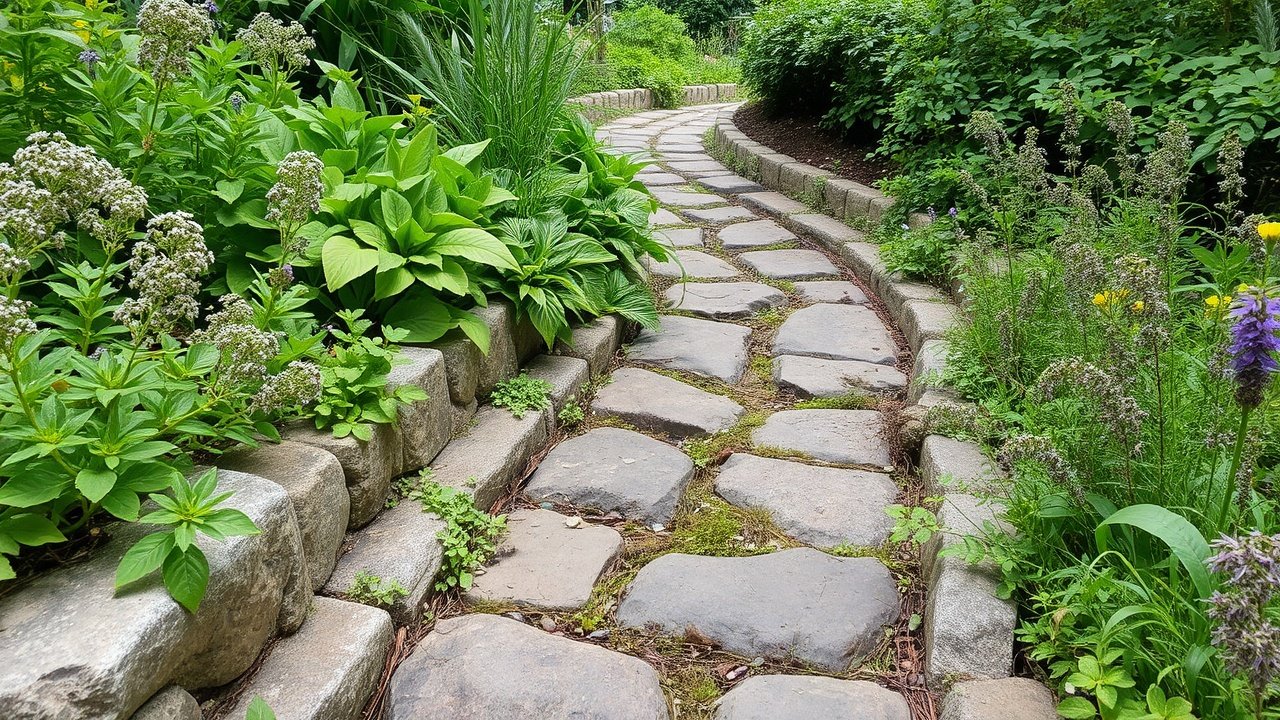
Before embarking on a sustainable landscape design project, it’s essential to evaluate your site’s conditions. Assess the amount of sunlight, analyze your soil type, and observe how water flows across your property. Understanding these factors will help you create a landscape that thrives naturally and conserves resources.
Choosing Native Plants for Your Landscape
Selecting native plants is crucial for creating a sustainable landscape. Native plants require less water, fertilizer, and pest control. Native plants also provide essential habitat and food sources for local wildlife, supporting biodiversity and creating a healthy ecosystem.
Designing with Layers for Natural Shade
Designing with layers is a key principle of sustainable landscape design. Incorporate trees, shrubs, and groundcovers to create a multi-layered landscape that provides natural shade, reduces soil erosion, and enhances biodiversity.