
Welcome to our comprehensive guide on eco-friendly grass installation! For homeowners looking to create beautiful lawns while minimizing their environmental footprint, understanding the nuances of sustainable landscaping is essential. This guide provides a practical, step-by-step approach to achieving a thriving, eco-conscious outdoor space.
What “Eco-Friendly Grass Installation” Really Means
Difference between marketing terms and real practices
The term “eco-friendly” is often used loosely in marketing, making it crucial to differentiate between genuine sustainable practices and mere buzzwords. When considering artificial grass installation, it’s important to look beyond surface claims. True eco-friendly installation focuses on minimizing environmental impact throughout the entire process, not just the final result. Avoid assuming all artificial turf is created equal.
Key principles: water efficiency, soil health, durability
Eco-friendly grass installation revolves around several key principles. These include:
- Water efficiency, which means selecting grass types requiring less water.
- Soil health, focusing on a thriving soil ecosystem.
Furthermore, using durable materials ensures longevity.
Choosing Environmentally Responsible Grass Options
Drought-tolerant natural grass varieties
For homeowners who prefer real grass, selecting drought-tolerant varieties is a crucial step towards sustainability. These grasses require significantly less water compared to traditional lawns, reducing your environmental impact. Consider options like Bermuda grass, Zoysia grass, or Buffalo grass, depending on your climate and soil conditions. These varieties thrive with minimal watering, promoting water conservation in your lawn.
Artificial turf and its environmental trade-offs
Artificial turf offers a low-maintenance alternative to natural grass, but it comes with its own set of environmental trade-offs. While artificial grass eliminates the need for watering and mowing, it’s essential to consider the materials used in its production and disposal. High-quality artificial turf can last for many years, reducing the frequency of replacements. The installation process impacts the existing grass.
Matching grass type to climate and usage
Selecting the right grass type for your climate and usage patterns is paramount for a sustainable lawn. Different grass varieties thrive in different climates, and choosing one that is well-suited to your region minimizes the need for excessive watering, fertilization, and maintenance. Consider how you plan to use your outdoor space. A high-traffic area might benefit from a durable grass variety that can withstand wear and tear, whether it’s natural or artificial.
Soil Preparation Techniques That Reduce Environmental Impact
Improving soil structure instead of replacing it
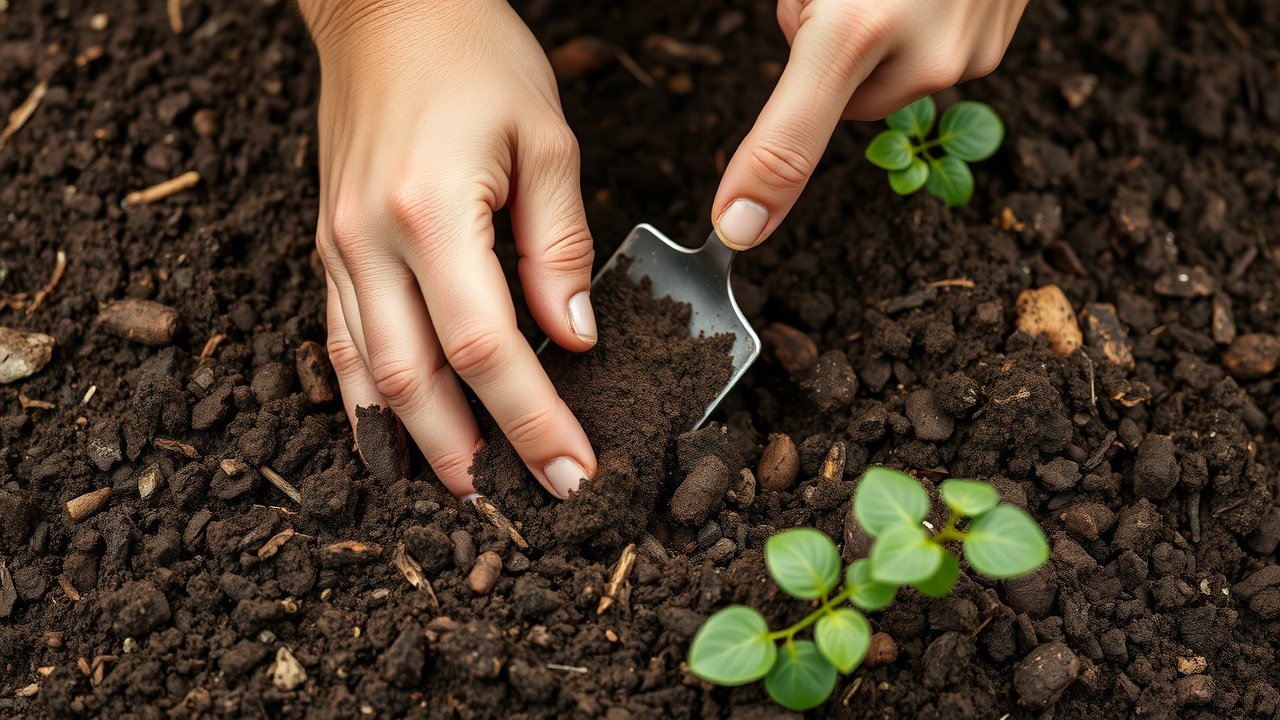
Instead of completely removing and replacing your existing soil, focus on improving its structure. Healthy soil is the foundation of a thriving lawn, whether you choose natural grass or artificial turf. Start by conducting a soil test to determine its composition and nutrient levels. Amending the soil with organic matter can improve drainage, aeration, and water retention, creating a better environment for root growth or a stable base for installation.
Organic amendments and soil reuse
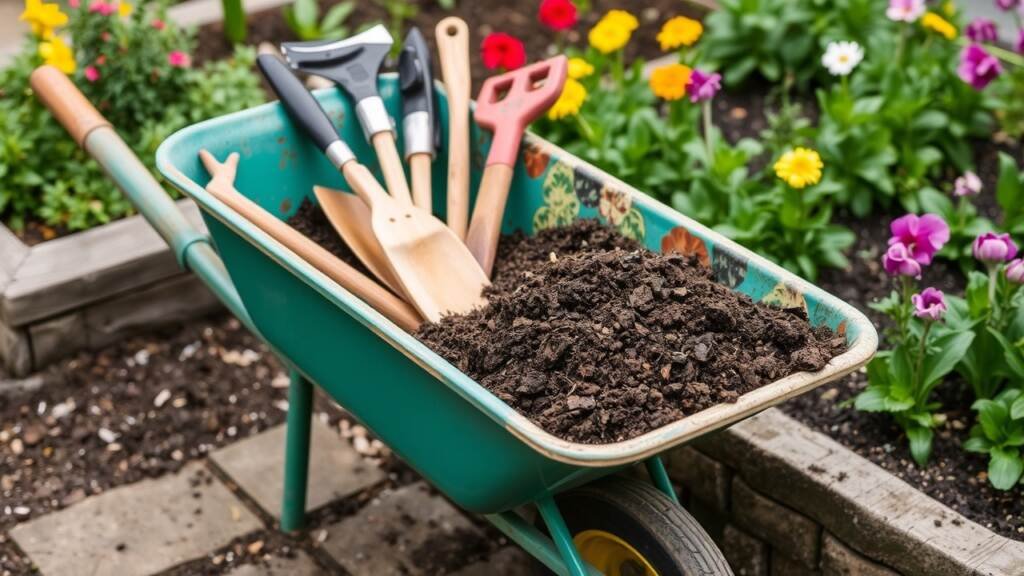
Embrace organic amendments like compost, aged manure, and leaf mold to enrich your soil. These materials not only provide essential nutrients but also improve soil structure, water-holding capacity, and drainage. Reusing existing soil can significantly reduce waste and minimize the need for transporting new materials to your property. This sustainable approach reduces your environmental footprint and promotes a healthier soil ecosystem, which is beneficial for both natural grass and the base of artificial grass.
Minimizing runoff and erosion
Preventing soil erosion and runoff is crucial for protecting water quality and maintaining the integrity of your landscape. Implement erosion control measures such as terracing, contour planting, and the use of mulch or ground cover. Proper grading during the installation process ensures that water flows away from your home and towards designated drainage areas, preventing water from pooling and causing damage. This is particularly important when installing artificial turf, as proper drainage prevents water buildup beneath the surface.
Water-Efficient Installation and Irrigation Practices
Smart irrigation and proper grading
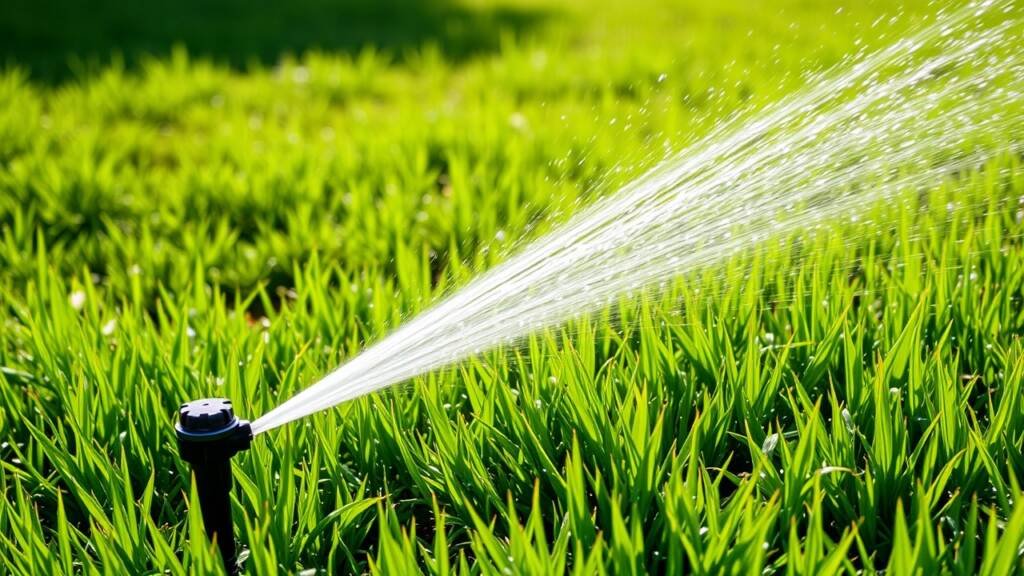
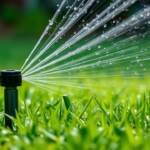
Smart irrigation systems use sensors and timers to deliver water only when and where it’s needed, minimizing water waste. Proper grading ensures that water flows evenly across your lawn, preventing puddling and runoff. Combine these practices for optimal water efficiency. By using less water and ensuring proper drainage, you create a healthier, more sustainable lawn. Even with artificial turf, proper grading is essential to manage rainwater and prevent water damage. Installation of a proper drainage system is important.
Reducing overwatering during establishment
During the establishment phase, it’s tempting to overwater new grass or artificial turf to ensure its success. However, overwatering can lead to shallow root growth, disease, and water waste. Instead, focus on providing consistent, moderate watering to encourage deep root development for natural grass. For artificial turf, ensure proper drainage to prevent water from accumulating beneath the surface, which can lead to mold and mildew growth. Proper drainage is key during the installation process.
Long-term water savings vs short-term setup
While the initial setup of an eco-friendly lawn might require some extra effort and investment, the long-term water savings are significant. Drought-tolerant grasses and smart irrigation systems can drastically reduce your water consumption, leading to lower water bills and a smaller environmental footprint. By focusing on long-term sustainability rather than short-term convenience, you can create a beautiful, eco-conscious outdoor space that benefits both your wallet and the environment.
Eco-Friendly Installation vs Traditional Methods: Key Differences
Water use
Traditional lawn installation methods often prioritize quick results over long-term sustainability, leading to excessive water use. Unlike natural grass, eco-friendly installations emphasize drought-tolerant species and efficient irrigation, drastically reducing water consumption. Artificial turf, when properly installed with proper drainage, eliminates the need for watering altogether, offering significant water savings. The long-term water saved contributes to conservation efforts. A step-by-step guide shows proper installation.
Maintenance needs
Traditional lawns demand frequent mowing, fertilization, and chemical treatments to maintain their appearance. Eco-friendly installations, on the other hand, prioritize low-maintenance solutions. Artificial grass, for example, requires no mowing, fertilizing, or pesticides, reducing both your workload and your environmental impact. Natural lawns installed with eco-friendly practices demand less frequent maintenance. As the ultimate guide to installing shows, maintenance requirements are reduced.
Long-term environmental footprint
The environmental footprint of a traditional lawn extends beyond water use and maintenance. Factors such as the production and transportation of fertilizers and pesticides contribute to pollution and carbon emissions. Eco-friendly installation methods aim to minimize this footprint by using sustainable materials, reducing waste, and promoting healthy soil ecosystems. Artificial grass reduces the carbon footprint by eliminating the need for motorized mowers; staying green and proper drainage are key.
How Destiny Landscape Approaches Sustainable Grass Installation
Climate-specific planning
At Destiny Landscape, we understand that a one-size-fits-all approach doesn’t work when it comes to sustainable grass installation. We begin every project with climate-specific planning, carefully considering the unique environmental conditions of your location. Whether you opt for natural grass or artificial turf, we select the best solution for your site and ensure it’s installed in a way that maximizes its long-term health and performance. We remove any existing grass before we start to install artificial grass.
Long-term lawn performance focus
We prioritize long-term lawn performance over short-term gains. Unlike natural grass, our goal is to create outdoor spaces that will thrive for years to come. We focus on soil health, proper drainage, and selecting the right grass or turf type to ensure a healthy, resilient lawn that requires minimal maintenance and resources. By focusing on the longevity of your artificial grass installation, we help you save money and reduce your environmental impact over the long haul. Grass fibers look like real grass.
Transparent recommendations based on site conditions
We provide transparent recommendations based on a thorough assessment of your site conditions. We take into account factors such as soil type, sunlight exposure, drainage patterns, and intended use to determine the most sustainable and cost-effective solution for your lawn. Whether you choose real grass or artificial turf, you can trust that our recommendations are based on sound science and a commitment to environmental stewardship. The artificial grass installation guide shows how to ensure the best outcome. High-quality artificial turf secures your lawn.