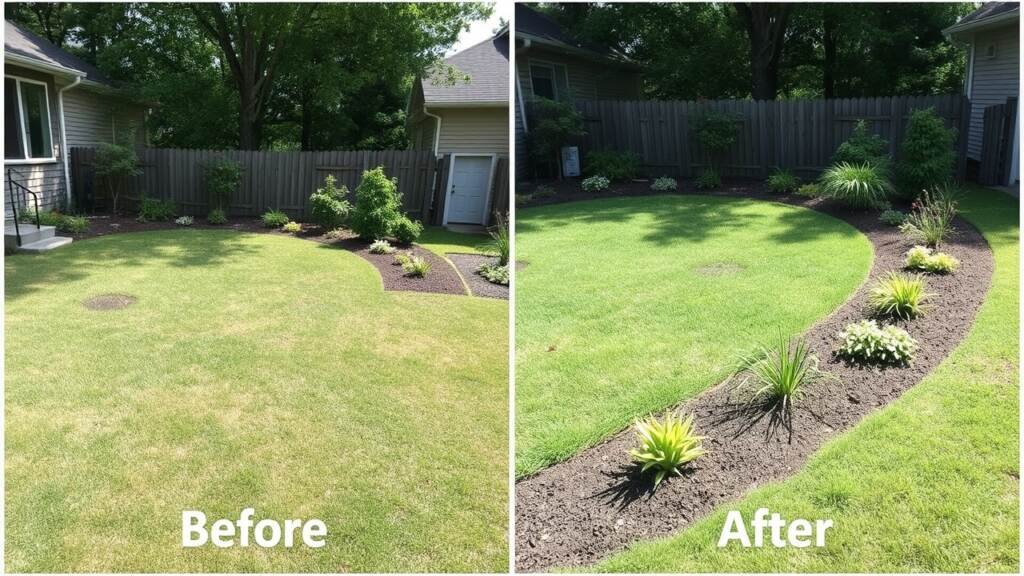
Discover the essential elements of landscape design services through this comprehensive guide, which explores innovative strategies, current trends, and practical applications to transform outdoor spaces. Whether you’re a homeowner, property manager, or enthusiast, gain valuable insights into creating sustainable, aesthetically pleasing environments that enhance functionality and beauty. This article offers a detailed, well-rounded perspective to help you understand and navigate the complexities of landscape design with confidence.
Understanding Landscape Design Services
What Are Landscape Design Services?
Landscape design services encompass the planning, conceptualization, and creation of outdoor environments that blend functionality, aesthetics, and sustainability. These services are provided by landscape architects, designers, and architecture firms bay area, who work closely with clients to transform yards, gardens, and commercial outdoor spaces into visually appealing and practical areas. Whether for a private home or a business, landscape design services aim to craft environments that reflect the client’s vision while adhering to environmental and regulatory standards.
The Role of Professional Landscape Designers
Professional landscape designers and landscape architects bring specialized knowledge of landscape architecture, horticulture, and environmental science. They assess site conditions, consider climate and soil types, and integrate design principles to develop comprehensive plans. These experts utilize advanced design services, including 3D renderings and landscape planning software, to visualize projects before implementation. Their expertise ensures that every element—from plant selection to hardscape features—is harmoniously integrated, resulting in a sustainable and aesthetically pleasing outdoor space.
Benefits of Engaging in Professional Landscape Design
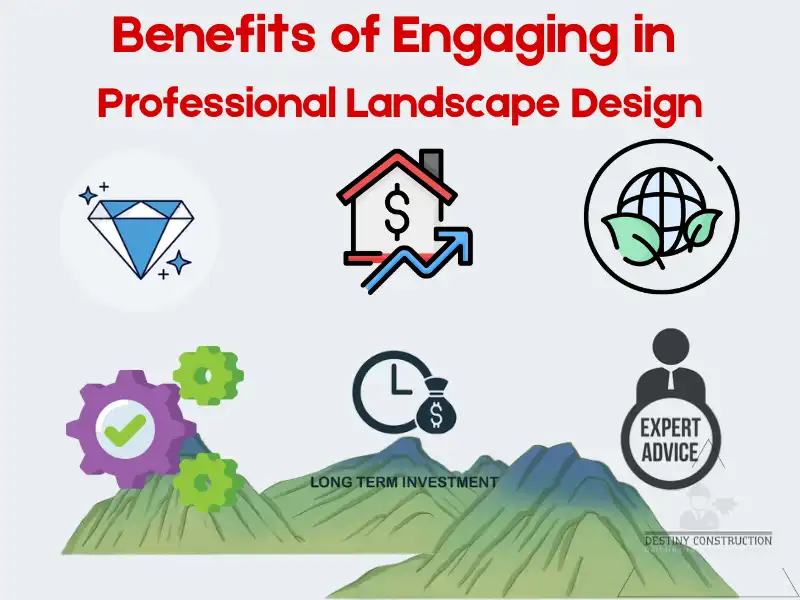
Engaging professional landscape design services offers numerous advantages:
- Enhanced Aesthetics: Achieve a cohesive and attractive outdoor environment.
- Increased Property Value: Well-designed landscapes boost curb appeal and marketability.
- Sustainability: Incorporate ecofriendly landscaping practices that conserve water and resources.
- Functionality: Optimize outdoor space utility for recreation, entertainment, or relaxation.
- Long-term Savings: Proper planning reduces maintenance costs and prevents costly mistakes.
- Expert Guidance: Access to industry insights from association professional landscape designers and landscape architects.
Key Components of Landscape Design Projects
A comprehensive landscape design project typically includes:
- Site Analysis: Evaluating existing conditions, topography, and environmental factors.
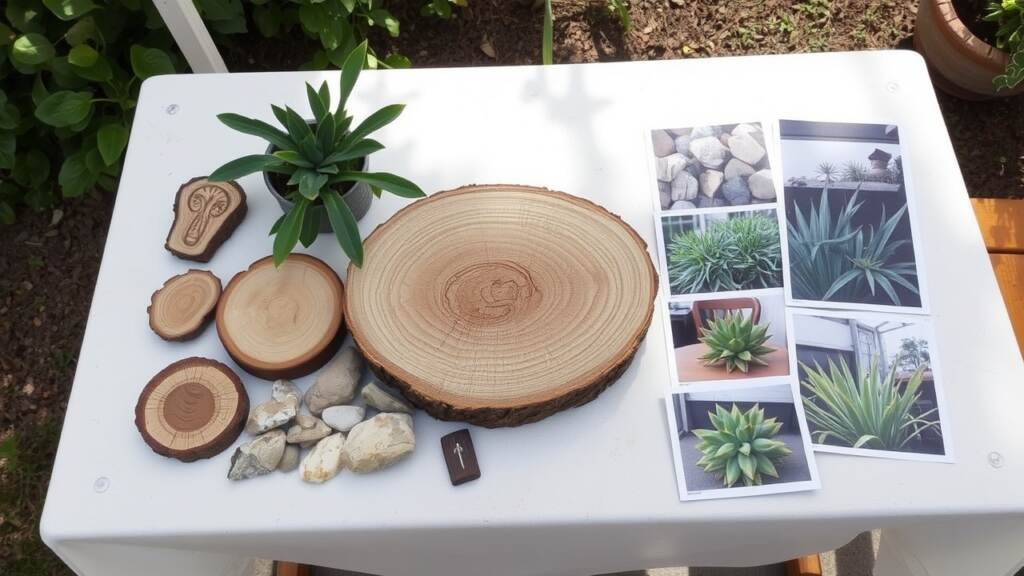
- Concept Development: Creating initial sketches and mood boards aligned with client needs.
- Design Detailing: Developing detailed plans covering plantings, hardscape elements, lighting, and irrigation.
- Material Selection: Choosing appropriate materials for pathways, patios, and plant beds.
- Implementation Planning: Coordinating with contractors and landscape project management teams.
- Maintenance Planning: Establishing care routines to ensure longevity and sustainability.
Innovative Strategies and Current Trends in Landscape Design
Sustainable and EcoFriendly Landscaping Practices
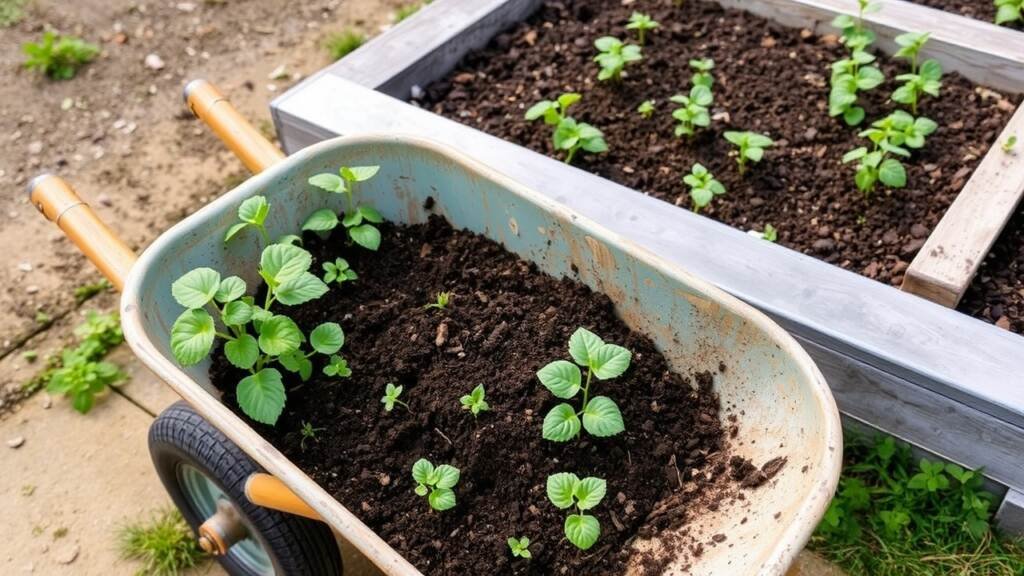
Sustainable landscaping emphasizes environmental responsibility by reducing resource consumption and promoting biodiversity. Landscape design services incorporate ecofriendly landscaping techniques such as composting, organic gardening, and the use of recycled materials. These practices not only benefit the environment but also create resilient outdoor spaces that require less maintenance.
Incorporating Native Plants and Drought-Resistant Species
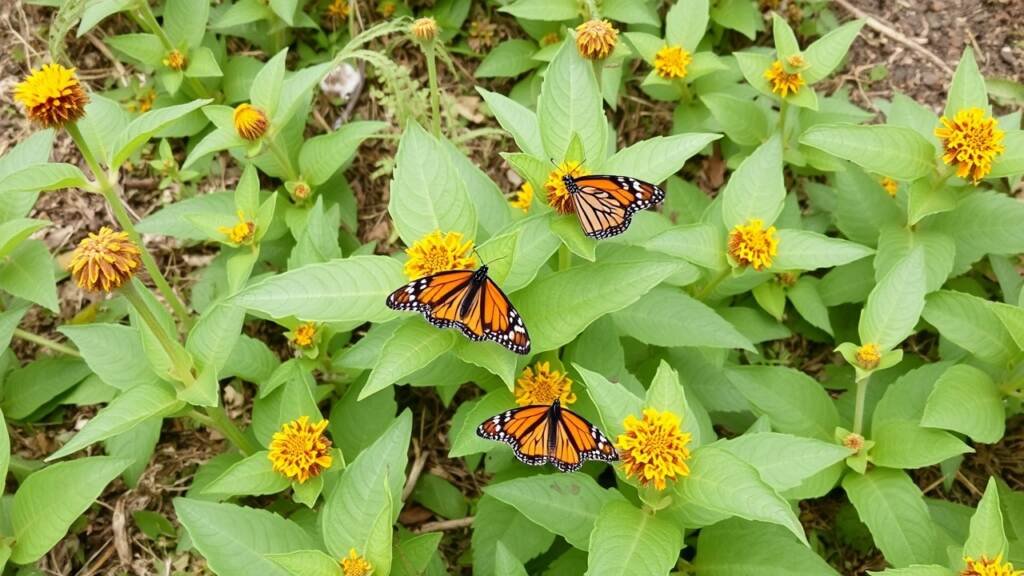
Using native plants and drought-resistant species is a key trend driven by water conservation needs and ecological benefits. Native plants thrive in local climate conditions, reducing the need for supplemental watering and chemical inputs. Landscape architects and landscape designers often recommend these species to create low-maintenance, sustainable gardens that support local ecosystems.
Modern Design Elements: Minimalism, Zen Gardens, and Water Features
Contemporary landscape design embraces minimalism, clean lines, and tranquil features such as Zen gardens and water elements. These design elements foster a sense of calm and simplicity, aligning with current garden design trends. Incorporating water features like fountains or ponds adds visual interest and promotes a soothing ambiance.
Technology Integration: Smart Irrigation and Design Software
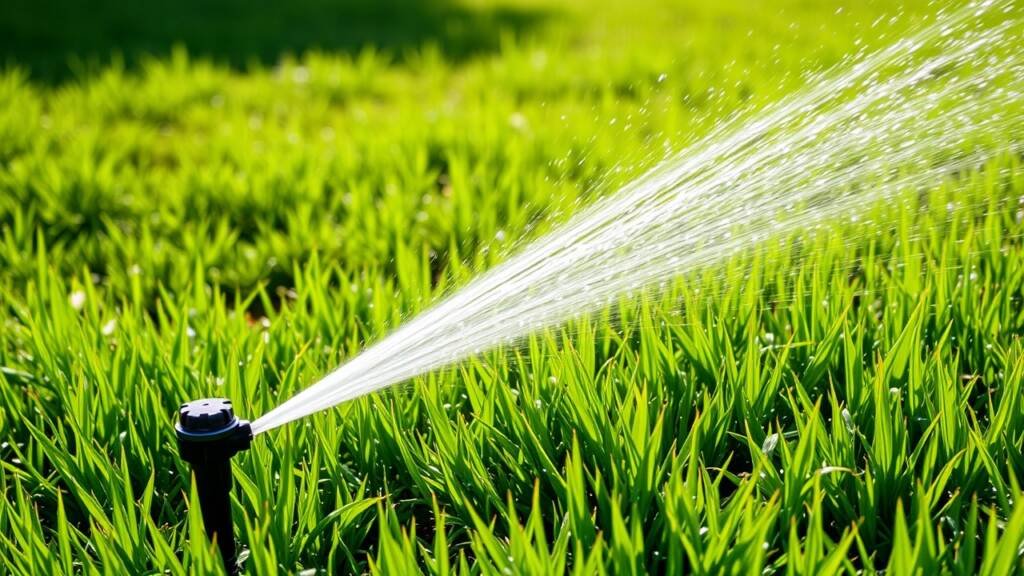
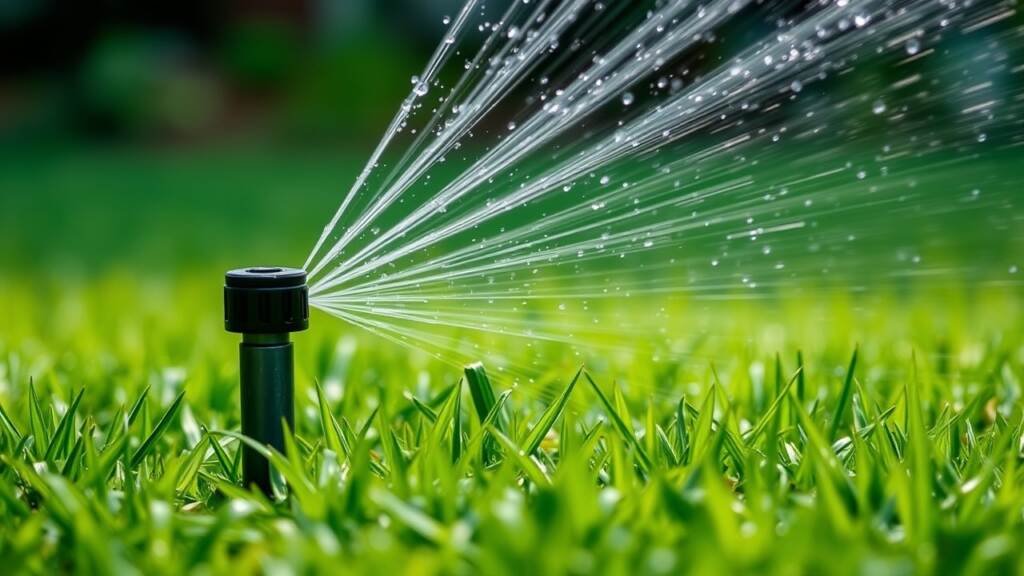
Advancements in technology have revolutionized landscape architecture. Smart irrigation systems enable precise watering schedules, conserving water and reducing costs. Design software allows landscape architects and designers to create detailed 3D renderings, facilitating better client understanding and smoother project execution.
Embracing Biophilic Design for Enhanced Well-Being
Biophilic design emphasizes the human connection to nature, integrating natural elements into outdoor spaces to promote well-being. Features such as green walls, natural lighting, and organic shapes are increasingly incorporated into landscape design services to foster healthier, more inviting environments.
Practical Applications and Best Practices for Transforming Outdoor Spaces
Planning and Concept Development: Assessing Site Conditions and Client Needs
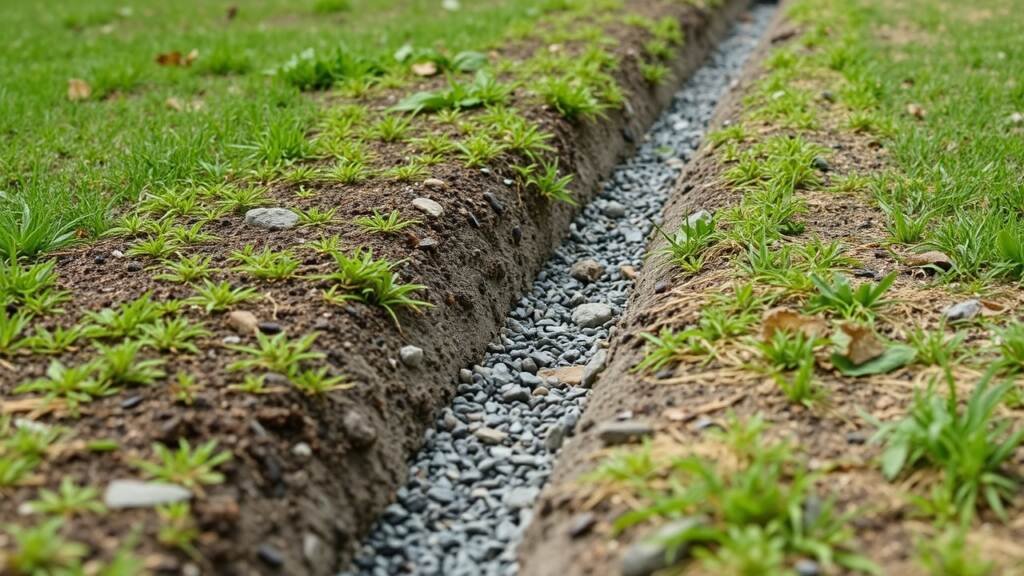
Successful outdoor space transformation begins with thorough planning. Landscape designers evaluate site conditions, including soil quality, drainage, sunlight exposure, and existing vegetation. They also gather client input regarding desired uses, aesthetic preferences, and budget constraints to develop a tailored concept.
Design Process: From Sketches to 3D Renderings
The design process typically progresses from initial sketches to detailed plans and 3D renderings, allowing clients to visualize the final outcome. This iterative process ensures alignment with client expectations and facilitates adjustments before implementation.
Material Selection: Hardscape and Softscape Considerations
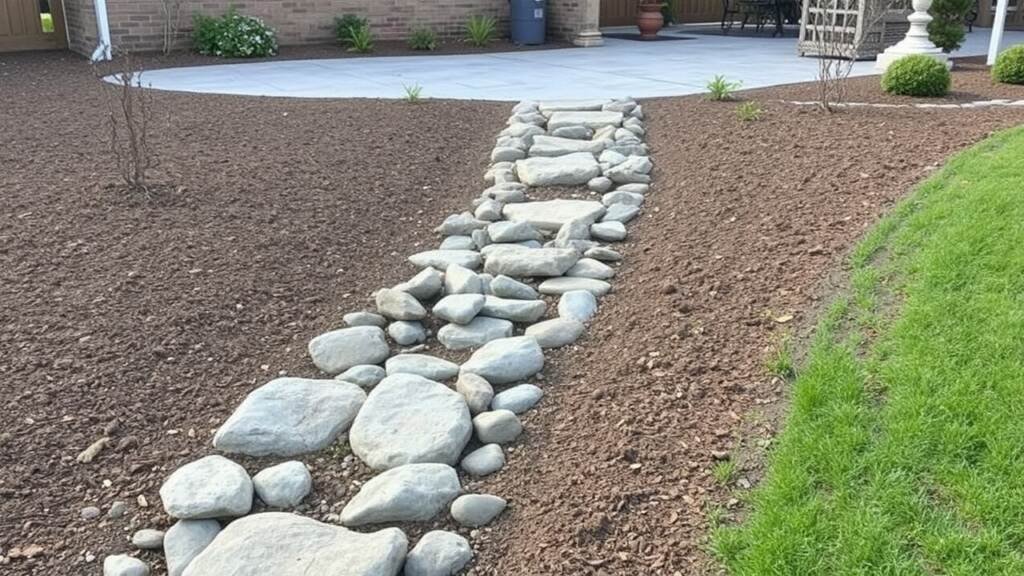
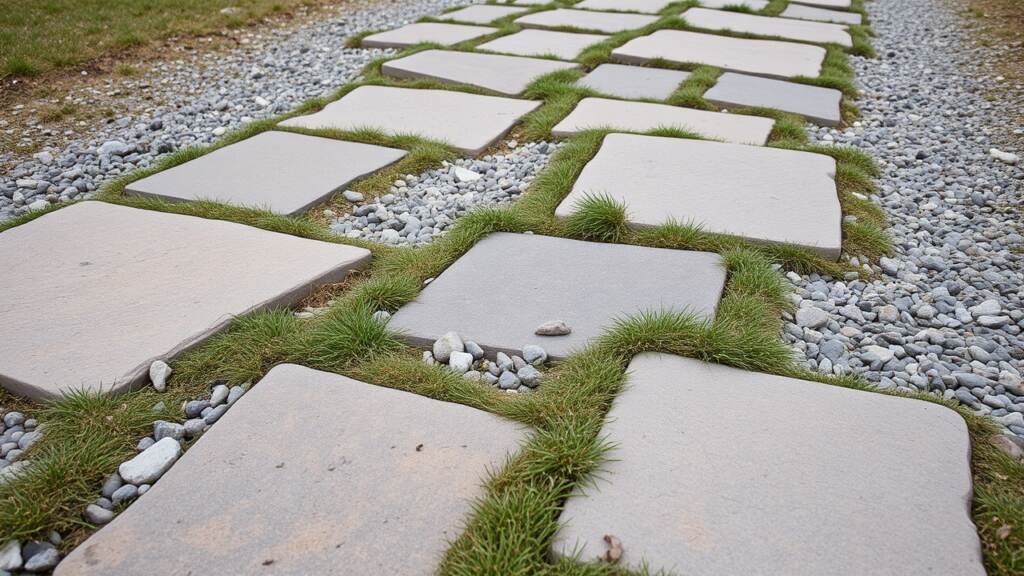
Choosing appropriate materials is crucial for durability and aesthetic appeal. Hardscape elements such as patios, pathways, and retaining walls require durable materials like stone, concrete, or brick. Softscape involves selecting plants, turf, and other organic elements that complement the hardscape and suit the local climate.
Maintenance Planning for Longevity and Sustainability
A well-designed landscape includes a maintenance plan that considers ongoing care needs. Landscape architects and landscape designers recommend sustainable practices like mulching, pruning, and seasonal planting to ensure the outdoor space remains vibrant and functional over time.
Case Studies: Successful Landscape Design Projects for Different Settings
- Residential Gardens: Incorporating native plants and water features to create tranquil retreats.
- Commercial Properties: Designing inviting outdoor spaces that enhance brand image and customer experience.
- Public Parks: Implementing sustainable landscaping with accessible pathways and ecofriendly features.
Tips for Homeowners and Property Managers to Maximize Outdoor Space Utility and Aesthetics
- Prioritize low-maintenance plants and materials.
- Incorporate lighting to extend usability into evening hours.
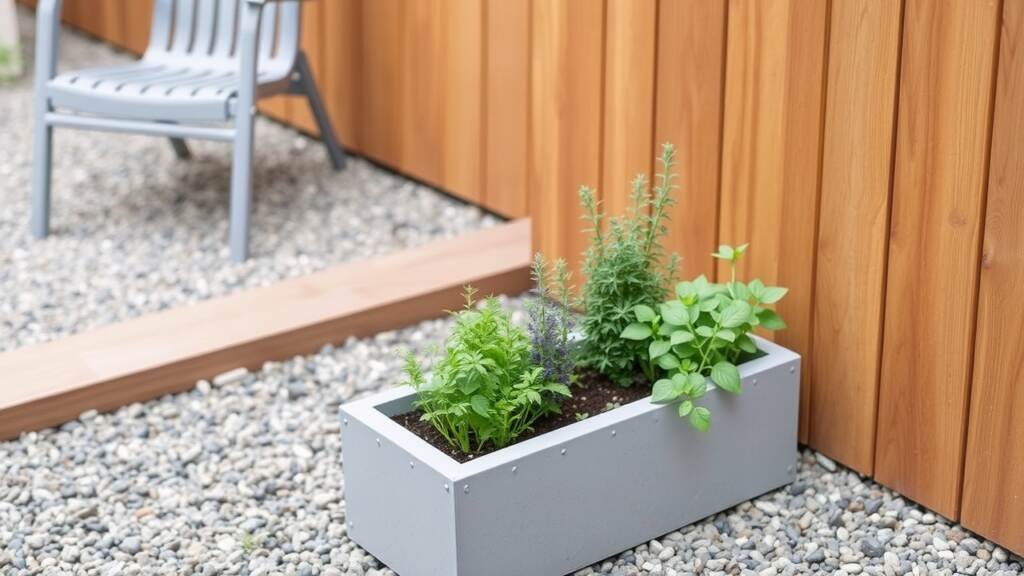
- Use vertical gardening or container planting to optimize limited space.
- Consult with landscape architects or landscape designers to develop a cohesive plan.
- Regularly assess and adapt the landscape to changing needs and trends.
Navigating the Landscape Design Service Industry
How to Select a Qualified Landscape Design Service Provider
When choosing a landscape design service, consider:
- Credentials and membership in associations such as the American Society of Landscape Architects.
- Portfolio of past projects demonstrating versatility and quality.
- Client testimonials and references.
- Experience with similar project types and scales.
- Ability to provide comprehensive design services, including landscape project management.
Questions to Ask During Consultation
- What is your design process and timeline?
- How do you incorporate sustainable landscaping practices?
- Can you provide references or case studies?
- What is your fee structure and payment process, including options for business online payments?
- How do you handle project coordination and communication?
Cost Considerations and Budgeting for Landscape Projects
Budgeting involves accounting for design fees, materials, labor, and ongoing maintenance. Clear communication about costs and scope helps prevent misunderstandings. Many landscape architecture firms offer tiered services to accommodate different budgets.
Ensuring Clear Communication and Project Management
Effective communication with the landscape designer or architecture firm bay area is essential. Establishing milestones, regular updates, and a contact customer service team ensures the project stays on track and aligns with expectations.
Legal and Regulatory Considerations in Landscape Design
Compliance with local zoning laws, permits, and environmental regulations is vital. Landscape architects and landscape designers are familiar with these requirements and can assist in navigating legal considerations to ensure smooth project approval.
By understanding the intricacies of landscape design services, exploring innovative strategies, and applying best practices, homeowners and property managers can successfully transform outdoor spaces into sustainable, beautiful environments. Whether engaging with landscape architects, designers, or architecture firms bay area, informed decision-making and clear communication are key to achieving your outdoor space goals.