
Creating a beautiful and thriving outdoor space is a goal for many homeowners. However, achieving the perfect landscape can be challenging, and it’s easy to fall into common landscaping mistakes. This article will guide you through the biggest landscaping mistakes and how to avoid them, ensuring a healthier and better-looking yard.
Understanding Common Landscaping Mistakes
Why Landscaping Mistakes Are Common Among Homeowners
Many U.S. homeowners make landscaping mistakes due to busy schedules and a lack of time for much maintenance. Another common problem is underestimating the importance of climate and soil conditions, leading to poor plant selection. All these contribute to gardens that are not as healthy as they could be. It is a common mistake.
The Impact of Mistakes on Curb Appeal and Plant Health
Avoiding landscaping mistakes is crucial for several reasons. It’s important for:
- Improving curb appeal and saving money on constant replacements.
- Supporting long-term plant health is essential for ensuring your garden thrives and avoiding costly landscaping mistakes.
Correcting these biggest landscaping mistakes also enhances the overall appearance of your property and increases its value by better design.
Importance of Knowledge in Landscape Design
Understanding the basics of landscape design is essential for creating a sustainable and visually appealing garden. Knowledge about plant needs, soil requirements, and proper spacing can help you avoid common mistakes. Engaging with a landscape architect or a landscape designer can also help prevent costly errors in the long run.
Mistake #1 — Planting in the Wrong Place
Choosing Non-Native and Incompatible Plants
One of the biggest landscaping mistakes is choosing non-native and incompatible plants for your local environment. These plants often struggle to thrive, requiring extra care and resources. Planting in the wrong conditions can manifest in several ways:
- Poor growth
- Increased susceptibility to pests
- The need for frequent replacements
This ultimately adds to more much maintenance.
Understanding USDA Hardiness Zones
USDA hardiness zones are essential when selecting plants for your landscape. These zones indicate the average minimum winter temperatures in a particular area, helping you choose plants that can survive your local climate. Paying attention to these zones ensures that your chosen species will be able to withstand the weather conditions, leading to healthier growth.
Benefits of Climate-Adapted Plants
Using climate-adapted plants offers numerous benefits, including reduced water consumption and lower maintenance needs. These plants are better suited to the local environment, requiring less fertilizer and pest control. By selecting native or well-adapted species, you’ll create a sustainable and thriving landscape, which in turn adds to lower maintenance.
Mistake #2 — Overwatering or Underwatering
Debunking the Watering Myth
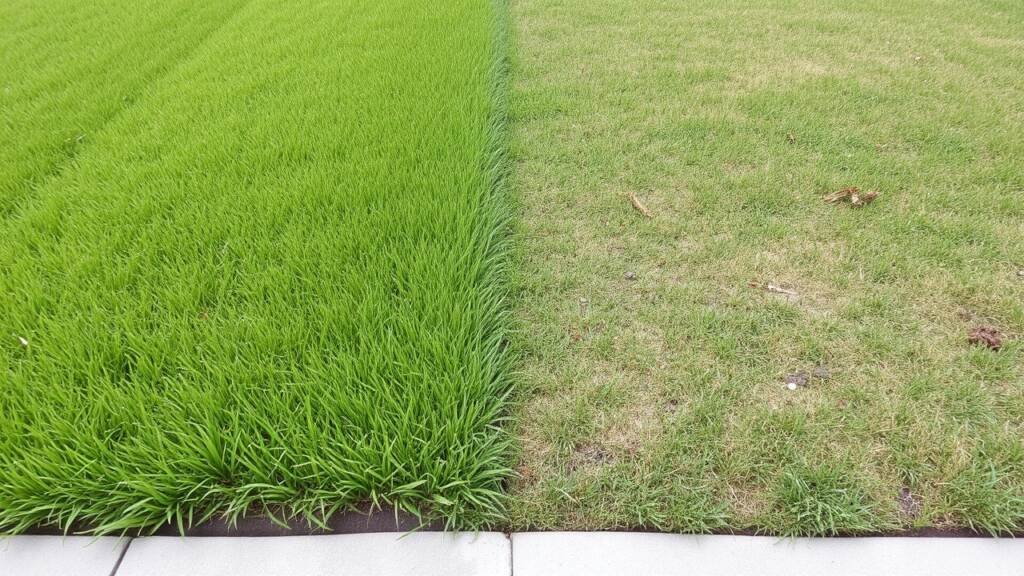
A common misconception is that “more water = healthier lawn.” Overwatering can be just as harmful as underwatering, leading to root rot and other moisture-related problems. Understanding the specific water needs of your plants is crucial for maintaining a healthy and vibrant garden. It is one of the biggest landscaping mistakes.
Creating Consistent Watering Schedules
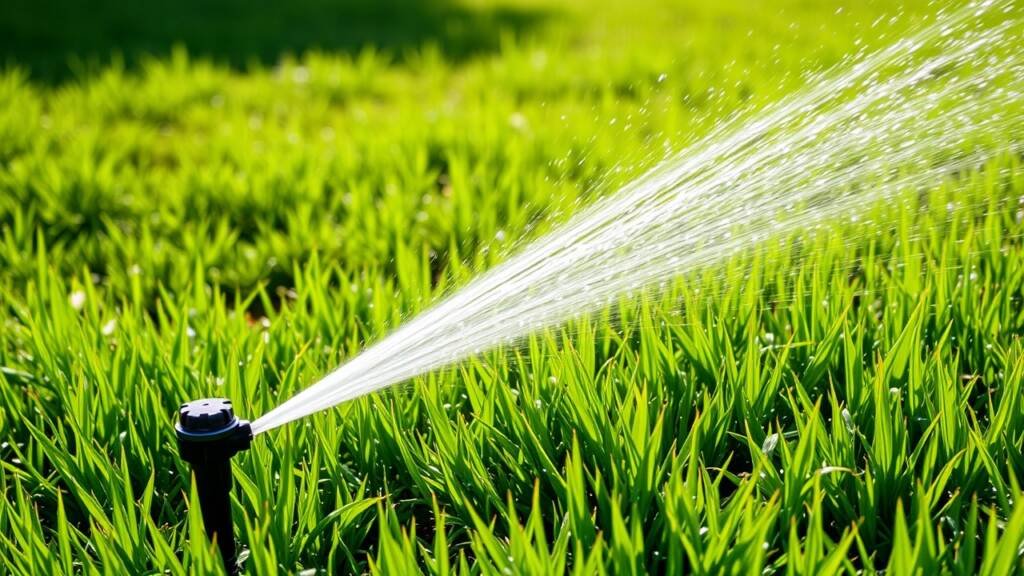
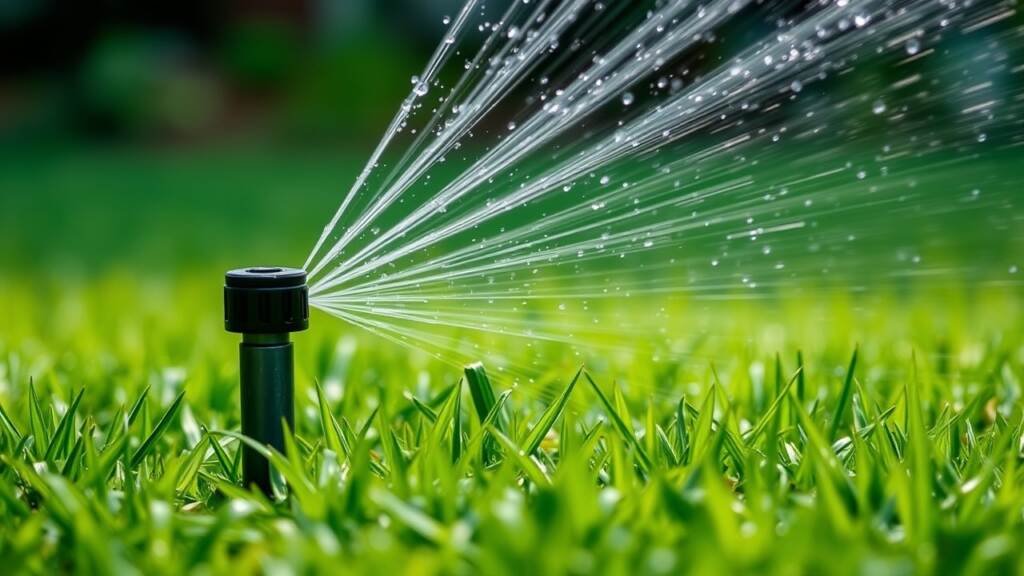
Inconsistent watering schedules can stress plants and make them more susceptible to disease. Establishing a regular watering routine that meets the needs of your landscape is essential. Monitor soil moisture levels and adjust your watering schedule accordingly to ensure plants receive the right amount of hydration. Make sure to schedule irrigation and use a sprinkler.
Smart Irrigation Solutions
Implementing smart irrigation solutions can help you avoid overwatering and underwatering. Smart sprinklers adjust watering schedules based on weather conditions and soil moisture levels, ensuring efficient water use. Consider installing an irrigation system with sensors to optimize water delivery and minimize waste. This way you ensure proper irrigation.
Mistake #3 — Poor Soil Preparation
Consequences of Compacted Soil
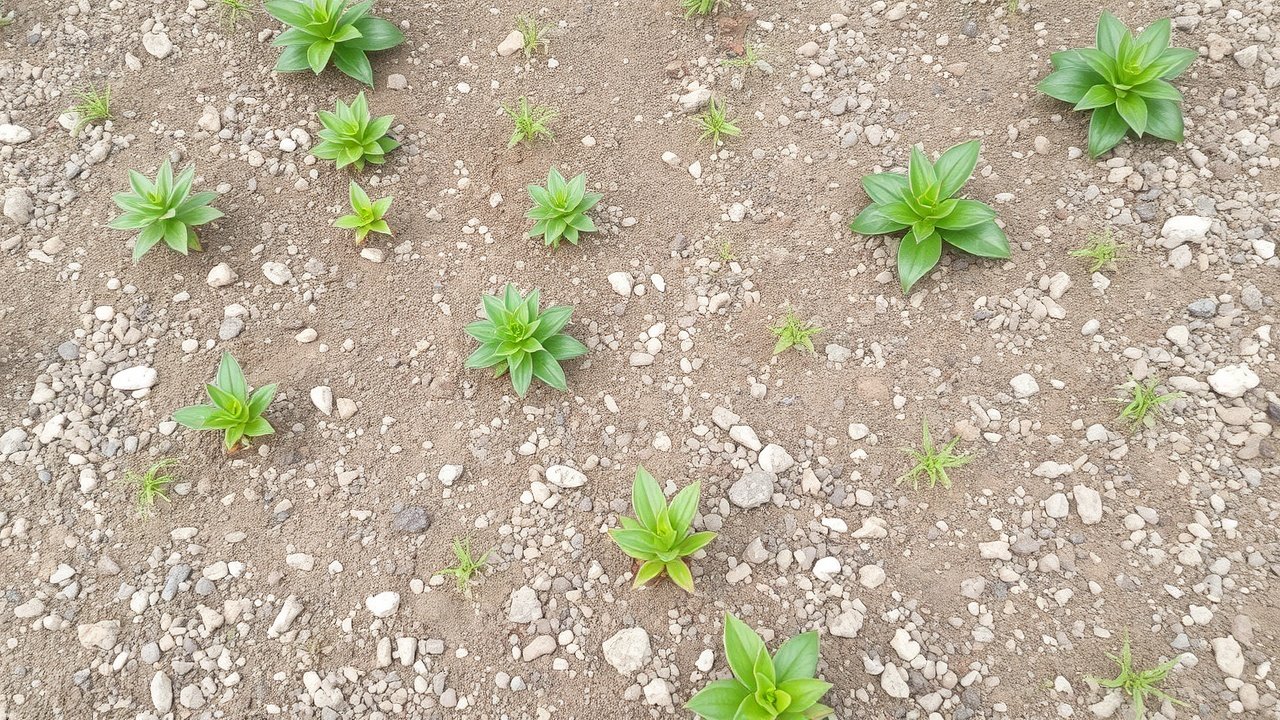
One of the most pervasive landscaping mistakes is neglecting proper soil preparation. Compacted soil restricts root growth, limits water infiltration, and reduces nutrient availability. This creates a hostile environment for your plants, hindering their ability to thrive. Addressing this issue is essential for a healthy garden, since the root will struggle and not receive enough nutrients.
Importance of Soil Testing and Aeration
Soil testing is a crucial first step in correcting poor soil conditions. It identifies nutrient deficiencies and pH imbalances, allowing you to amend the soil accordingly. Aeration, the process of creating small holes in the soil, improves drainage and allows air to reach plant roots. This helps with irrigation. Testing the soil is an important part of the landscape design.
Enhancing Soil with Compost and Drainage Solutions
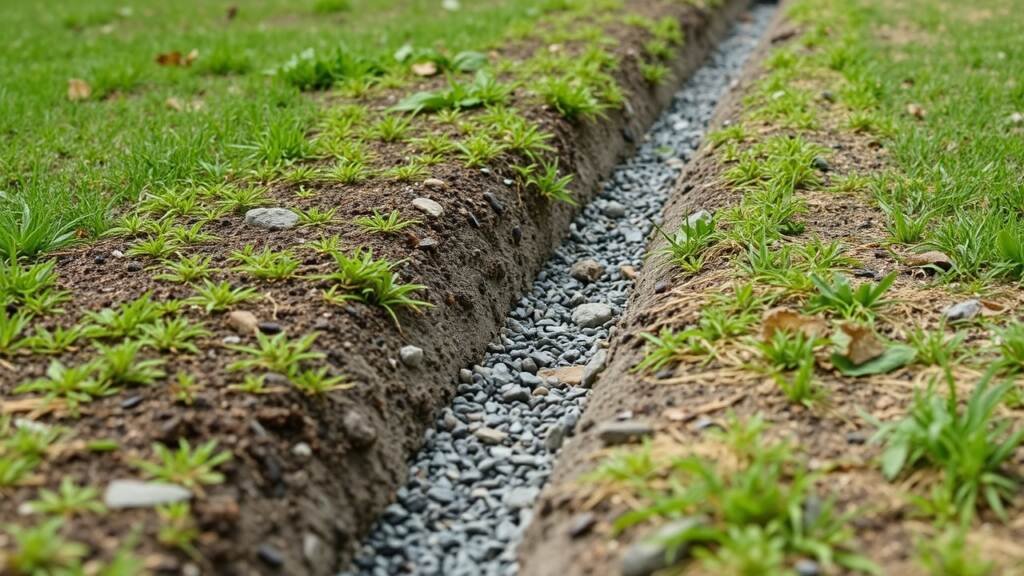
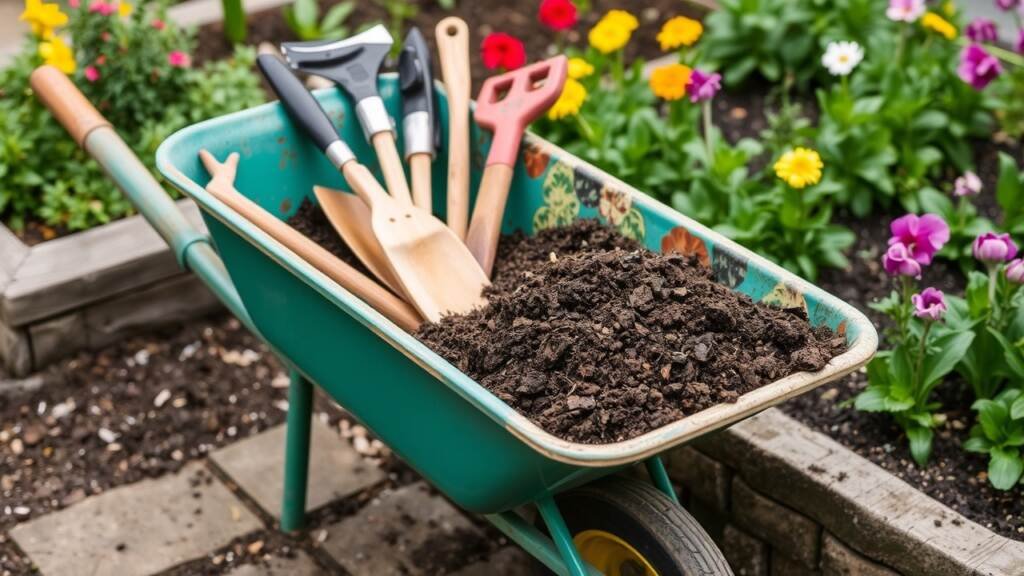
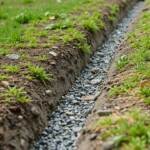
Incorporating compost into your soil is an excellent way to improve its structure and fertility. Compost adds organic matter, which helps retain moisture, improve drainage, and provide essential nutrients. Addressing drainage issues with solutions like French drains or swales is essential for preventing waterlogging and promoting healthy root growth. This way, you enhance the garden.
Mistake #4 — Neglecting Mulch or Using It Incorrectly
The Dangers of Mulch Volcanoes
A common landscaping mistake is creating “mulch volcanoes” around trees. Piling mulch against the trunk can trap moisture, leading to bark rot and attracting pests. Mulch volcanoes can suffocate the tree, preventing proper airflow and nutrient uptake. It’s crucial to apply mulch correctly to ensure its benefits without harming your plants or trees and shrubs.
Correct Mulching Depth and Techniques
Apply a 2-4 inch layer of mulch around plants, keeping it a few inches away from the base of stems and tree trunks. This depth provides adequate insulation and weed suppression without suffocating the plants. Using the right mulching techniques will help retain moisture in the soil and regulate temperature for optimal plant health, also preventing weed growth.
Benefits of Proper Mulching
Proper mul
ching offers numerous benefits for your landscape. It helps retain moisture in the soil, reducing the need for frequent watering. Mulch also suppresses weed growth by blocking sunlight and preventing weed seeds from germinating. Additionally, it helps regulate soil temperature, protecting plant roots from extreme heat and cold. Applying mulch is an important part of the low maintenance process.
Mistake #5 — Overcrowding Plants
Understanding Spacing Requirements
Overcrowding plants is a common landscaping mistake that can lead to various problems down the line. Understanding the mature size of each plant is essential for determining proper spacing. Plant tags typically provide information on the plant’s ultimate height and width, helping you avoid overcrowding. Overcrowding can be a common problem for plants.
Effects of Root Competition and Airflow
When plants are placed too close together, their roots compete for water and nutrients, leading to stunted growth. Overcrowding also restricts airflow, creating a humid environment that promotes fungal diseases. Ensuring adequate spacing allows plants to thrive without competing for resources and reduces the risk of disease. Avoid these common landscaping mistakes.
Preventing Disease Through Proper Spacing
Proper spacing is crucial for preventing disease in your landscape. Good airflow helps dry out foliage, reducing the likelihood of fungal infections. Adequate spacing also allows sunlight to penetrate the plants, promoting healthy growth and reducing the risk of pests. This is the best way to fertilize and prune your garden. Avoiding such gardening mistakes helps prevent future disease.
Mistake #6 — Forgetting Seasonal Maintenance
Importance of Seasonal Tasks in Landscaping
Forgetting seasonal maintenance is a huge landscaping mistake that can lead to long-term problems in your garden. Seasonal tasks like pruning, fertilizing, and mulching are crucial for maintaining the health and appearance of your outdoor space. By neglecting these tasks, you risk creating an unhealthy environment for your plants. Regular maintenance of your garden is necessary.
Consequences of Neglecting Maintenance
Neglecting seasonal maintenance can result in a host of issues, including increased susceptibility to pests and diseases, weakened plant structure, and reduced flowering. A lack of attention to these tasks can quickly diminish your garden’s beauty and overall health. Many landscape companies offer routine maintenance packages to keep these issues at bay. Neglecting the garden can lead to pests.
Key Seasonal Maintenance Activities
Here are key seasonal activities to maintain a healthy landscape. These tasks vary depending on the time of year and include:
- Spring cleanup, which involves clearing away debris and fertilizing plants.
- Summer pruning, the ideal time for pruning and pest control.
- Fall leaf removal, which includes mulching and leaf cleanup to prevent diseases.
- Winter protection, focused on protecting sensitive plants from frost.
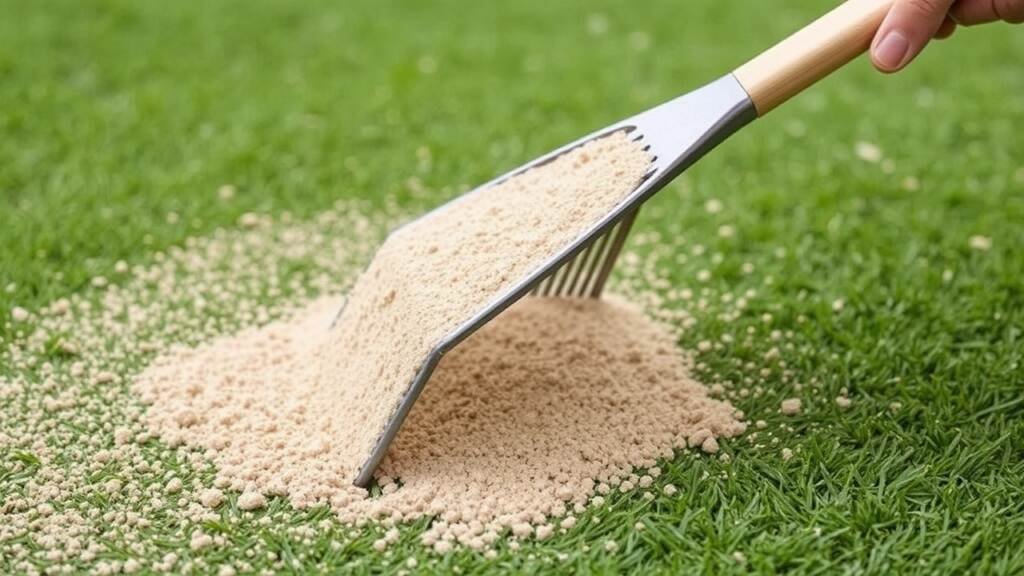
Make sure to fertilize to avoid issues.
Mistake #7 — Ignoring Drainage Issues
Signs of Poor Drainage in Your Yard
Ignoring drainage issues is a major landscaping mistake. Common signs include standing water, muddy patches, and yellowing grass. These indicate that your soil isn’t draining properly, which can suffocate plant roots. Poor drainage can also attract pests and promote fungal growth, impacting the overall health of your garden and potentially impacting the vegetable garden.
Homeowner-Friendly Solutions for Drainage Problems
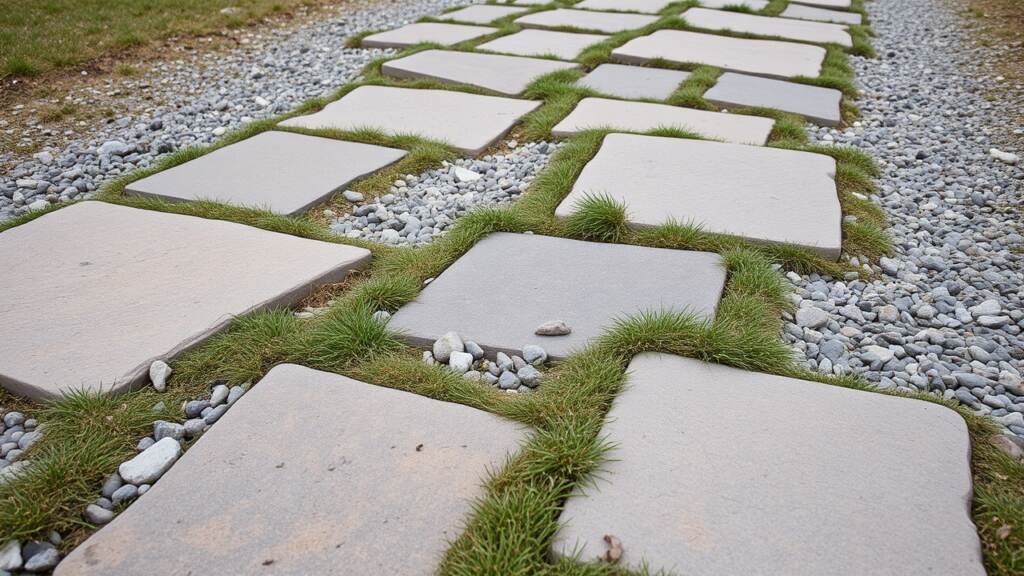
Simple solutions include creating swales to redirect water, installing French drains, or amending the soil with compost to improve drainage. Ensure gutters and downspouts are directing water away from your foundation and garden beds. These measures can prevent water from pooling and damaging your plants, and is a common problem for homeowners.
Long-Term Benefits of Addressing Drainage Issues
Addressing drainage issues provides long-term benefits, such as healthier plants, reduced soil erosion, and prevention of structural damage to your property. Proper drainage prevents root rot, fungal diseases, and pest infestations, leading to a thriving and beautiful landscape. Good drainage prevents common landscape problems and supports healthy plant growth, including trees or shrubs.
Practical Tips for Avoiding Landscaping Mistakes
Right Plant, Right Place: A Fundamental Approach
The “right plant, right place” principle is fundamental to successful landscaping. This means selecting plants that are well-suited to your climate, soil type, and sunlight conditions. Consider factors like mature size, water needs, and pest resistance when choosing plants for your landscape to prevent some of the biggest landscaping mistakes. Research the area before starting.
Utilizing Native Plants for Better Outcomes
Native plants are adapted to your local environment, requiring less water, fertilizer, and pest control. They also support local wildlife and biodiversity, creating a more sustainable landscape. Incorporating native plants into your garden reduces maintenance and ensures long-term success, helping to make your garden lower maintenance and eco-friendly. Native plants can thrive in any garden.
Consistent Watering and Seasonal Care
Establish a consistent watering schedule based on the needs of your plants and monitor soil moisture levels regularly. Perform seasonal tasks like pruning, fertilizing, and mulching to keep your landscape healthy and vibrant. Regular care ensures your plants receive the nutrients they need and protects them from pests and diseases. This ensures that the garden is kept low maintenance.
Conclusion and Call to Action
Summarizing the Benefits of Avoiding Mistakes
Avoiding landscaping mistakes results in a healthier yard, lower maintenance, and better aesthetics. By choosing the right plants, preparing the soil properly, and providing consistent care, you’ll create a thriving outdoor space that enhances your property’s value and curb appeal. Proper landscape design makes your garden a joy to look at, instead of a burden.
Encouraging Homeowners to Seek Expert Help
If you’re feeling overwhelmed or unsure about your landscaping project, don’t hesitate to seek expert help. A landscape architect or landscape designer can provide personalized advice and guidance to help you avoid common mistakes and achieve your dream garden. They can also provide guidance on how to prevent the biggest landscaping mistakes, ensuring your garden will thrive.
Contact Destiny Landscaping for Personalized Design
Contact Destiny Landscaping today for expert consultation and personalized garden design services. Our team can help you create a beautiful and sustainable landscape that meets your needs and budget. Let us transform your outdoor space into a stunning oasis that you’ll enjoy for years to come. Our landscape designers can help design garden beds and install proper irrigation systems.