
Starting a landscaping business requires more than just passion for the outdoors. Having the best landscaping equipment is crucial for efficiency and success. This guide helps small landscaping business owners choose the right landscaping tools and equipment list to grow their lawn care business.
Why Choosing the Right Landscaping Equipment Matters
Selecting the appropriate tools and equipment can significantly impact your landscaping business. It’s about finding a balance between cost and performance. Right landscaping equipment ensures quality work, satisfied clients, and a thriving lawn care business. Remember, the goal is to streamline your processes for maximum output.
Understanding the Impact on Your Lawn Care Business
The landscaping equipment you choose directly affects your lawn care business’ reputation. Using high-quality landscaping tools ensures consistent results, leading to happier customers and more referrals. Investing in reliable lawn care tools and equipment can make the difference between a struggling startup and a successful landscaping business.
Cost-Effectiveness and Efficiency
Choosing the right landscaping equipment isn’t just about the initial price; it’s about long-term cost-effectiveness. Efficient landscaping tools and equipment save time and labor, reducing operational costs. Investing in durable landscaping equipment that can handle various landscaping services can also improve efficiency.
Long-Term Benefits of Quality Tools
Opting for quality landscaping equipment may require a higher initial investment, but it pays off in the long run. Durable landscaping tools require less frequent replacements and repairs, reducing downtime and maintenance costs. Investing in essential landscaping tools extends their lifespan, increasing your return on investment.
Key Factors to Consider When Buying Landscaping Equipment
Purchasing landscaping equipment for your small landscaping business requires careful consideration. Factors like business size, type of services, and budget all play a crucial role. Making informed decisions ensures your landscaping business operates efficiently and provides top-notch landscaping services.
Assessing Your Business Needs
Before buying any landscaping equipment, evaluate the specific needs of your landscaping business. Consider the size and type of properties you’ll be servicing, the range of landscaping services you offer, and the scale of your lawn care operations. This assessment guides your equipment list.
Evaluating Equipment Durability
Durability is a crucial factor when selecting landscaping equipment. Look for tools and equipment built to withstand rigorous use and harsh weather conditions. Choosing robust landscaping tools ensures they can handle the demands of regular lawn care and landscaping services without frequent breakdowns.
Budgeting for Initial and Ongoing Costs
Creating a budget is essential when investing in landscaping equipment. Consider not only the initial purchase price but also ongoing costs like maintenance, repairs, and fuel. Balancing quality with affordability ensures your small landscaping business remains profitable while acquiring the necessary lawn care equipment.
Essential Landscaping Equipment for Small Businesses
Every landscaper needs a solid foundation of landscaping tools and equipment. From lawn mowers to hand tools, having the right gear ensures efficiency and quality. This section outlines the essential landscaping tools every small landscaping business should own to deliver exceptional landscaping services.
Lawn Mowers: Types and Recommendations
A reliable lawn mower is the cornerstone of any lawn care business. Options range from traditional push mowers to self-propelled and zero-turn mowers, each suited for different property sizes and terrains. Selecting the right lawn mower optimizes efficiency and ensures a perfectly mown lawn.
Trimmers, Edgers, and Blowers: Must-Have Tools
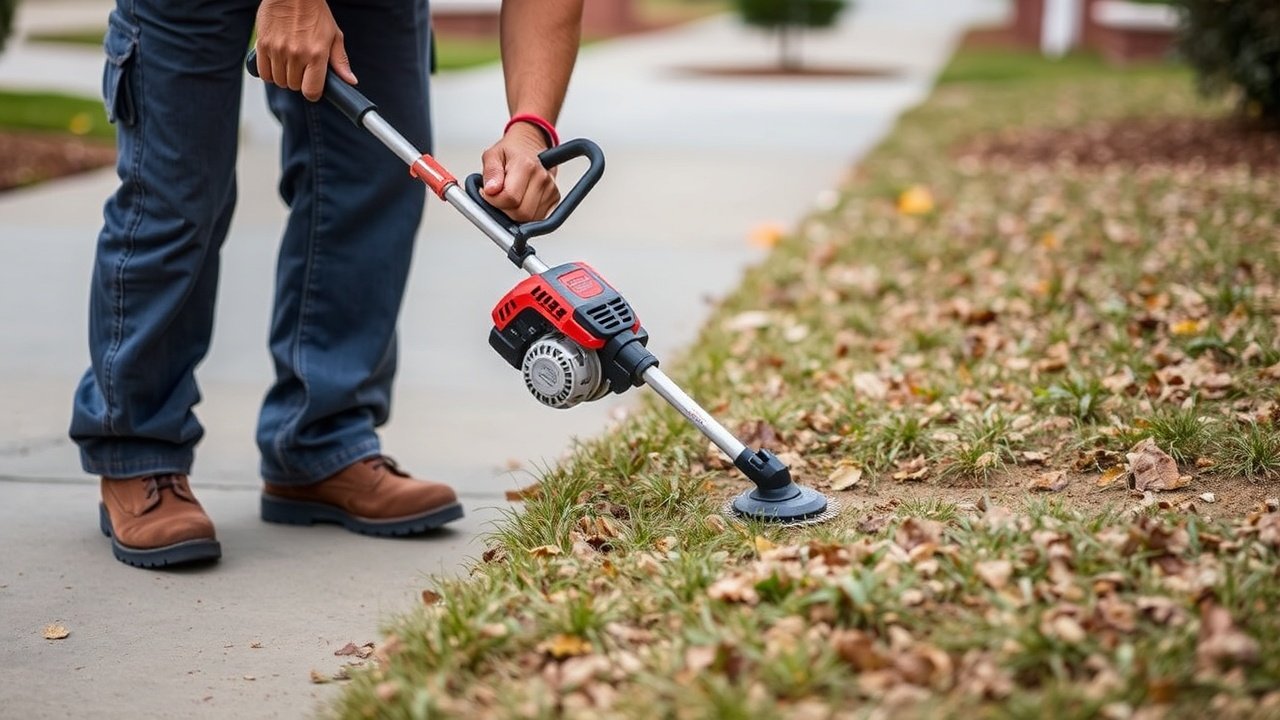
Trimmers, edgers, and blowers are essential for achieving a polished lawn care look. String trimmers tidy up edges, edgers define driveways and walkways, and leaf blowers clear debris quickly. These tools and equipment are vital for maintaining pristine lawns and satisfied customers.
Aerators and Dethatchers: Improving Lawn Health
Aerators and dethatchers are key to maintaining lawn health. Aerators improve soil aeration, allowing nutrients to reach roots, while dethatchers remove built-up thatch, promoting healthier lawn growth. Incorporating these landscaping tools into your services can set your landscaping business apart.
Hand Tools and Power Tools: The Basics
Basic hand tools and power tools are indispensable for various landscaping tasks. Shovels, rakes, shears, and hedge trimmers handle planting, pruning, and shaping. Landscaping power tools like chainsaws and drills enhance efficiency for larger projects. Having a comprehensive set of landscaping hand tools ensures you’re ready for any job site.
Hardscaping and Light Construction Equipment for Growing Businesses
Understanding Hardscaping Essentials
For a small landscaping business aiming to offer comprehensive landscaping services, understanding hardscaping is crucial. This involves using materials like stone, concrete, and wood to create functional and aesthetic features. Essential landscaping tools for hardscaping include shovels, rakes, levels, and measuring tools and equipment.
Light Construction Tools to Expand Services
Expanding landscaping services often involves light construction. This includes building small retaining walls, patios, and walkways. Landscaping equipment such as a plate compactor, concrete mixer, and power tools like drills and saws become necessary. These tools allow landscaping companies to handle more complex projects, increasing revenue streams.
Choosing the Right Equipment for Your Projects
Selecting the appropriate landscaping tools and equipment for hardscaping and light construction projects is essential for efficiency and quality. Consider the scale of your typical projects, the types of materials you’ll be working with, and the physical demands involved. Investing in the right tools and equipment ensures your landscaping business can deliver exceptional results safely.
Equipment for Efficiency, Safety, and Scalability
Investing in Safety Gear for Your Team
Safety gear is paramount when operating landscaping equipment. Protecting your team with ear protection, safety glasses, gloves, and sturdy boots is non-negotiable. Safety gear not only prevents injuries but also demonstrates your commitment to employee well-being, boosting morale and reducing potential liabilities for your landscaping business.
Tools That Enhance Productivity
To streamline operations and enhance productivity, consider investing in landscaping tools and equipment designed for efficiency. Examples include gas-powered hedge trimmers for quick pruning and shaping, leaf blowers for rapid debris removal, and mowers with wider cutting decks to cover more ground faster. These tools and equipment can significantly reduce labor hours.
Scalable Equipment Options for Growth
As your small landscaping business grows, it’s crucial to invest in landscaping equipment that supports scalability. Consider tools and equipment with attachment options, allowing you to adapt to various tasks without purchasing entirely new machines. A truck and trailer setup capable of hauling larger volumes of materials also supports expansion, enabling you to take on bigger projects.
New vs Used Equipment: What Small Businesses Should Know
Pros and Cons of New Equipment
Purchasing new landscaping equipment offers several advantages. In particular, new equipment often provides benefits such as:
- Warranties, ensuring protection against defects and breakdowns.
- The latest technologies, improving efficiency and reducing fuel consumption.
However, keep in mind that new landscaping equipment requires a significant upfront investment, impacting your initial budget.
Buying Used: Tips for Smart Purchases
Buying used landscaping equipment can be a cost-effective option for small landscaping businesses. When considering used equipment, thoroughly inspect it for signs of wear and tear, check the engine and mechanics, and ask for maintenance records. Negotiate the price and consider having a mechanic assess the equipment before making a final decision to ensure you get value for money.
Maintenance Costs and Equipment Lifespan
Understanding Routine Maintenance
Routine maintenance is crucial for extending the lifespan of your landscaping equipment. Regular servicing, including oil changes, blade sharpening, and filter replacements, keeps your lawn care tools and equipment running smoothly. A well-maintained mower, trimmer, and blower reduce downtime and costly repairs, ensuring your landscaping business operates efficiently.
Estimating Lifespan of Key Equipment
Understanding the lifespan of key landscaping equipment is vital for budgeting and planning. Lawn mowers typically last 5-10 years with proper care, while trimmers and blowers may last 3-7 years. Factors like usage frequency, maintenance, and brand quality influence equipment longevity. Regularly assess your equipment list and factor in replacement costs for long-term financial stability of your landscaping business.
Common Mistakes Small Landscaping Businesses Make
Overlooking Equipment Needs
A common mistake for small landscaping businesses is underestimating their equipment requirements. Starting with insufficient landscaping tools can lead to inefficiencies and delays. Accurately assessing the scope of landscaping services and investing in the necessary tools and equipment from the start is essential for providing high-quality work and growing your lawn care business.
Ignoring Maintenance Requirements
Many landscaping companies neglect regular maintenance, leading to premature equipment failure. Ignoring oil changes, blade sharpening, and general upkeep reduces the lifespan of landscaping equipment. Implementing a strict maintenance schedule ensures your mowers, trimmers, and other landscaping tools operate efficiently, saving time and money in the long run.
Not Assessing Long-Term Costs
Failing to consider long-term costs is a significant error. When purchasing landscaping equipment, focus beyond the initial price. Account for fuel consumption, maintenance, repairs, and potential replacements. A comprehensive cost analysis helps make informed decisions, ensuring your small landscaping business remains profitable while delivering top-notch lawn care and landscaping.
When to Upgrade to Commercial-Grade Equipment
Signs Your Business is Ready for an Upgrade
Knowing when to upgrade to commercial landscaping equipment is vital for growth. Increased workload, frequent equipment breakdowns, and the need for greater efficiency are key indicators. Upgrading to commercial lawn care equipment allows your landscaping business to handle larger projects and deliver superior results, enhancing your reputation and profitability.
Benefits of Commercial-Grade Tools
Commercial landscaping equipment offers enhanced durability, power, and efficiency compared to residential landscaping tools. Commercial-grade equipment withstands rigorous daily use, reducing downtime and repair costs. Investing in commercial lawn care equipment enables your landscaping business to tackle large properties effectively, ensuring consistent, high-quality landscaping services.
How Professional Equipment Supports High-Quality Landscaping Services
Delivering Consistent Results
Using professional landscaping equipment ensures consistent, high-quality results for every project. Reliable mowers, trimmers, and other landscaping tools deliver uniform cuts, precise edges, and clean finishes. Consistent quality builds trust with clients, leading to repeat business and positive referrals for your landscaping business.
Enhancing Customer Satisfaction
High-quality landscaping services, delivered with professional landscaping equipment, directly enhance customer satisfaction. A well-maintained lawn, neatly pruned hedges, and clean driveways reflect your commitment to excellence. Satisfied customers are more likely to recommend your landscaping business, driving growth and establishing a strong reputation in your service area.
Why Destiny Landscaping Values Reliable Equipment
Commitment to Quality and Performance
At Destiny Landscaping, we understand that reliable landscaping equipment is the backbone of any successful landscaping business. Our commitment to quality and performance stems from our belief that the right tools and equipment lead to superior landscaping services. We prioritize investing in durable mowers, trimmers and power tools to ensure consistent results.
Real-World Insights from Our Experience
From our years of experience in providing lawn care in Puyallup, WA, we’ve learned that cutting corners on landscaping equipment is never worth it. We’ve seen firsthand how gas-powered tools and basic hand tools can impact efficiency and customer satisfaction. That’s why we rely on robust landscaping tools and equipment to handle every project effectively and deliver landscaping services that exceed expectations.
FAQs
What are the essential tools for a landscaping business?
Here are some essential landscaping tools for a small landscaping business. To get started with essential lawn care tasks, you’ll want to make sure you have:
- A reliable lawn mower
- String trimmer
- Leaf blower
- Shovel
- Rake
- Hedge trimmers
Investing in quality landscaping equipment ensures efficiency and durability. Don’t forget safety gear to protect yourself.
How do I choose the right lawn mower?
Choosing the right lawn mower depends on the size of properties you service. For smaller lawns, a push mower might suffice, while larger areas benefit from a gas-powered self-propelled or zero-turn mower. Consider power source, cutting width, and maneuverability. Research the best landscaping tools for your specific needs to make an informed decision.
What safety gear should I invest in?
Safety gear is crucial for any landscaper. To ensure your well-being while working, consider these essential items:
- Ear protection
- Safety glasses
- Gloves
- Sturdy work boots
Consider investing in safety gear that provides maximum protection without compromising comfort. Properly protecting yourself with tools and equipment demonstrates professionalism and reduces the risk of injuries.
How often should I maintain my equipment?
Regular maintenance is key to prolonging the lifespan of your landscaping equipment. Check and change oil, sharpen blades, clean air filters, and inspect belts and hoses regularly. Following manufacturer guidelines ensures your lawn mower, trimmer, and blower operate efficiently, preventing costly breakdowns for your landscaping business.
When should I consider upgrading my tools?
Consider upgrading your landscaping tools when your current equipment struggles to keep up with demand. Frequent repairs, reduced efficiency, and an expanding client base signal it’s time to invest in commercial landscaping equipment. Upgrading lawn care tools enhances productivity, ensures consistent quality, and supports the growth of your landscaping business.
Conclusion: Practical Takeaways for Small Business Owners
Summarizing Key Insights
Investing in the best landscaping equipment is critical for small landscaping businesses. Consider your business needs, prioritize durability, and budget wisely for both initial and ongoing costs. Equip your team with safety gear, maintain your equipment regularly, and upgrade as your lawn care business grows to maintain efficiency and quality.
Final Thoughts on Equipment Investment
Choosing the right landscaping equipment is a strategic investment in your landscaping business’s future. By prioritizing quality, safety, and scalability, you’ll not only enhance your landscaping services but also ensure long-term success. Remember, the right tools and equipment can streamline your operations and set you apart in the competitive lawn care market.