Embarking on a garden project can be both exciting and daunting. To help you create the outdoor space of your dreams, we’ve curated a guide to the best garden design apps available in 2026. Whether you’re an experienced gardener or just starting out, these design tools will assist you in planning and visualizing your ideal garden.
Introduction to Garden Design Apps
Importance of Garden Planning
Garden planning is crucial for creating a harmonious and functional outdoor space. A well-thought-out garden plan ensures optimal spacing for plants, efficient use of sunlight, and a cohesive landscape design. By using a garden planner, you can avoid costly mistakes, maximize your yield in a veggie garden, and create a garden that thrives throughout the year. Furthermore, proper planning allows you to consider factors like soil type, drainage, and the overall aesthetic, leading to a more sustainable and enjoyable garden.
Overview of Landscape Design Software
Landscape design software has revolutionized the way gardeners and landscape designers approach their projects. These design tools range from simple 2D garden planner apps to sophisticated 3D programs that allow you to visualize your garden in real time. Many options offer features like virtual plant libraries, which help you see how different plants will look in your garden. Whether you’re looking to design a small urban garden or a large estate, there’s landscape design software available to meet your needs. Some popular choices include SketchUp and iScape, each offering unique functionalities for creating stunning landscape designs.
What to Look for in a Garden Design App
When choosing a garden design app, consider your specific needs and skill level. A good garden design app should be user-friendly, offering intuitive tools for creating garden layouts and experimenting with design ideas. Look for features such as plant databases, the ability to visualize your design in 2D and 3D, and tools for planning companion planting strategies for food gardening. Consider whether a free version or a free trial is available to test the app before committing to a purchase. Also, check if the app offers features like a garden journal or the ability to share your design with a landscape designer for professional feedback. Explore the best options to find the perfect fit for your garden planning needs to design your garden.
Top Picks for Garden Design Apps in 2026
Best Landscape Design Software
In 2026, the best landscape design software will offer a blend of advanced features and user-friendly interfaces. These design tools enable both professional landscape designers and amateur gardeners to create stunning, realistic visualizations of their outdoor space. Look for software that includes extensive plant libraries, allowing you to visualize how different species will look in your garden. High-quality software will also provide tools for simulating sunlight and shadows, helping you plan your garden layout for optimal plant health. Consider options that support 3D modeling and real-time landscaping, providing a more immersive design experience.
Notable Garden Planner Apps
Garden planner apps are essential for anyone looking to plan their garden efficiently. In 2026, several garden design app options stand out for their intuitive interfaces and robust features. These apps help you plan your garden layout, space plants effectively, and visualize your design ideas in 2D or 3D. Many offer plant databases with detailed information on growing conditions, companion planting, and maintenance. Some even include features like a garden journal to track your progress and manage your garden tasks. Whether you’re planning a veggie garden or a flower garden, a garden planner app can streamline the design process.
Comparison of Popular Design Tools
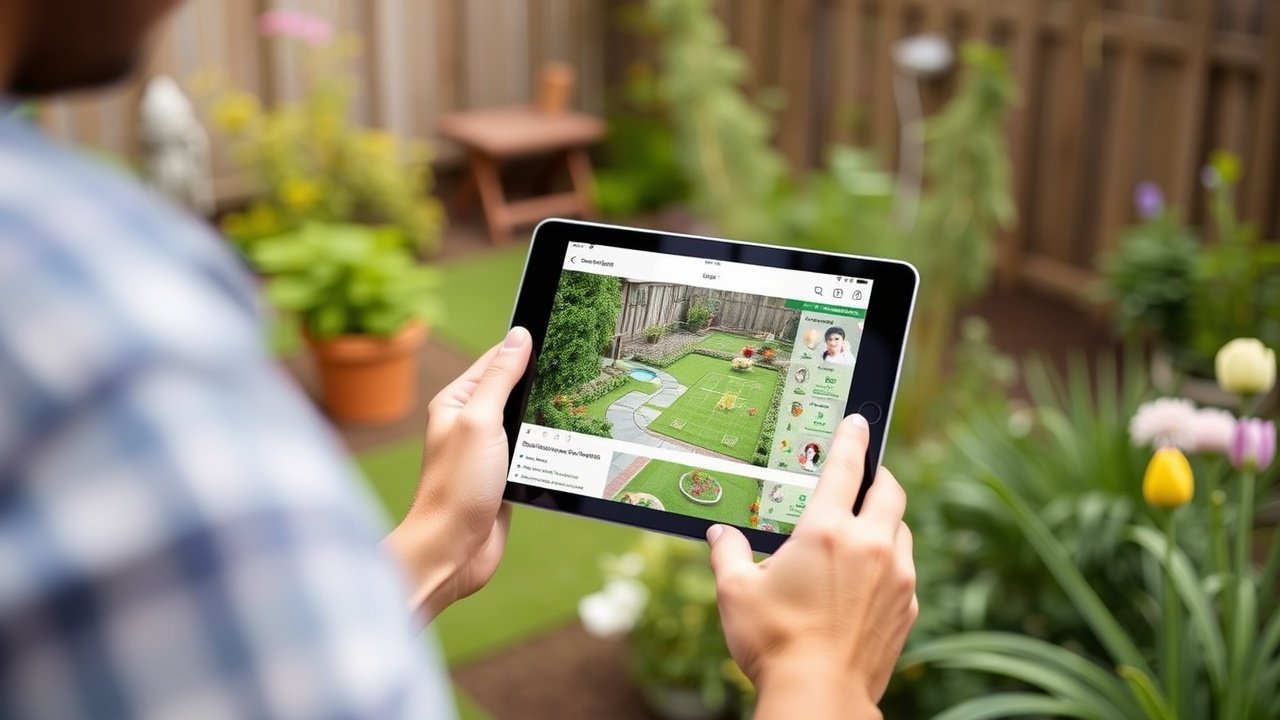
Choosing the right garden design app involves comparing the features, pricing, and user experience of various options. For example, iScape is a popular landscape design app known for its augmented reality features, allowing you to visualize your designs in your actual outdoor space. SketchUp, while more complex, offers powerful 3D modeling capabilities suitable for detailed landscape designs. Many apps offer a free version or a free trial, allowing you to explore the best option for your needs before committing to a purchase. Consider factors like the availability of plant databases, ease of use, and the ability to share your designs with a landscape designer to help you plan your garden.
Features of Leading Landscape Design Software
User-Friendly Interface
In 2026, the best landscape design software will prioritize user experience with intuitive interfaces. The design process should be seamless, allowing gardeners of all skill levels to design their garden. Key features include drag-and-drop functionality, customizable toolbars, and clear navigation. A user-friendly interface ensures that users can quickly learn how to plan their garden, visualize design ideas, and create detailed garden layout plans without a steep learning curve. The design tool will also provide helpful tutorials and support resources to guide users through the software’s capabilities. This focus on usability makes landscape design accessible, encouraging more people to create a great garden and beautiful outdoor space.
Real-Time Landscaping Capabilities
Real-time landscaping is a game-changer for garden design, enabling users to see instant updates as they make changes to their garden plan. This feature allows you to visualize how different plants, hardscapes, and water features will look in your outdoor space throughout the day and across seasons. The best landscape design software incorporates advanced rendering technology to provide realistic simulations of sunlight, shadows, and plant growth. You can experiment with different garden design concepts and immediately see the impact on your home design and garden layout, ensuring that your final landscape is both aesthetically pleasing and functional. This capability is essential for both professional landscape designers and DIY garden planner enthusiasts.
Integration with Gardening Tools
Leading landscape design software in 2026 seamlessly integrates with other gardening tools and resources to streamline the design process. This includes compatibility with garden planner apps, plant databases, and even garden journal apps. Integration allows users to import site data, such as soil test results and weather patterns, directly into the design tool. Some software also connects with iScape, allowing you to incorporate real-world elements into your design. This level of connectivity not only simplifies planning a garden but also enhances the accuracy and practicality of your design ideas. Whether you’re planning a garden or designing a complex landscape, integration with gardening tools ensures a cohesive and efficient workflow to design outdoors.
Choosing the Right Landscape Design App
Assessing Your Gardening Needs
To effectively design your garden, start by assessing your gardening needs. Custom landscape design should be tailored to meet your specific requirements and property conditions. Are you a homeowner looking to enhance curb appeal and increase property value? Or do you require reliable, efficient, and professional landscape maintenance? Understanding these needs will guide you in selecting the best garden design app with the right features. Clients often seek beautiful, functional, and easy-to-maintain outdoor spaces that offer long-term landscape solutions. Working with a trustworthy local landscape designer ensures you achieve predictable outcomes and a great garden.
Budget Considerations
Budget is a crucial factor when selecting landscape design software. Pricing for garden design is typically customized based on the project scope, property size, materials, and design complexity. While there might be a temptation to go for low-cost options, remember that professional quality, durability, and long-term value often come at a mid-to-premium price range. The focus should be on achieving quality, reliability, and sustainable results rather than opting for short-term fixes. Many design apps offer a free version, free trial, or flexible payment plans to help you plan your garden and manage costs effectively. This ensures you can design your garden within a comfortable budget while still achieving outstanding results with the best landscape design.
Trial Versions and User Reviews
Before committing to a particular garden design app, take advantage of free trial versions to explore the best option for your needs. A free version allows you to test the interface, visualize design ideas, and assess whether the design tool meets your expectations. User reviews offer valuable insights into the app’s performance, usability, and customer support. Look for apps with high ratings and positive feedback regarding ease of use, comprehensive plant databases, and responsive customer service. By combining hands-on experience with user reviews, you can make an informed decision and choose the best landscape design software to bring your garden vision to life. This ensures a successful design process and a satisfying outdoor space transformation.
Future of Garden Design Apps
Trends in Landscape Design Technology
In the realm of landscape design technology, several exciting trends are emerging in 2026. Augmented reality (AR) and virtual reality (VR) are becoming increasingly integrated into garden design apps, allowing users to visualize their garden plan in real-time. Advanced 3D modeling capabilities are also on the rise, offering more realistic and detailed representations of outdoor spaces. Another trend is the incorporation of AI-powered features, such as plant identification and personalized design recommendations. These innovations are making it easier than ever for both professional landscape designers and amateur garden planners to plan their garden and create stunning landscapes.
Innovations to Expect by 2026
By 2026, expect garden design apps to offer even more sophisticated features and capabilities. One potential innovation is the integration of drone technology for site mapping and analysis, providing precise measurements and topographical data. Improved plant databases with detailed information on climate suitability, pest resistance, and maintenance requirements are also anticipated. Furthermore, expect to see more seamless integration with smart gardening tools, such as automated irrigation systems and soil sensors. These advancements will empower gardeners to make more informed decisions and create sustainable, thriving outdoor spaces. This will further aid in planning a garden.
Impact on Home Design and Outdoor Spaces
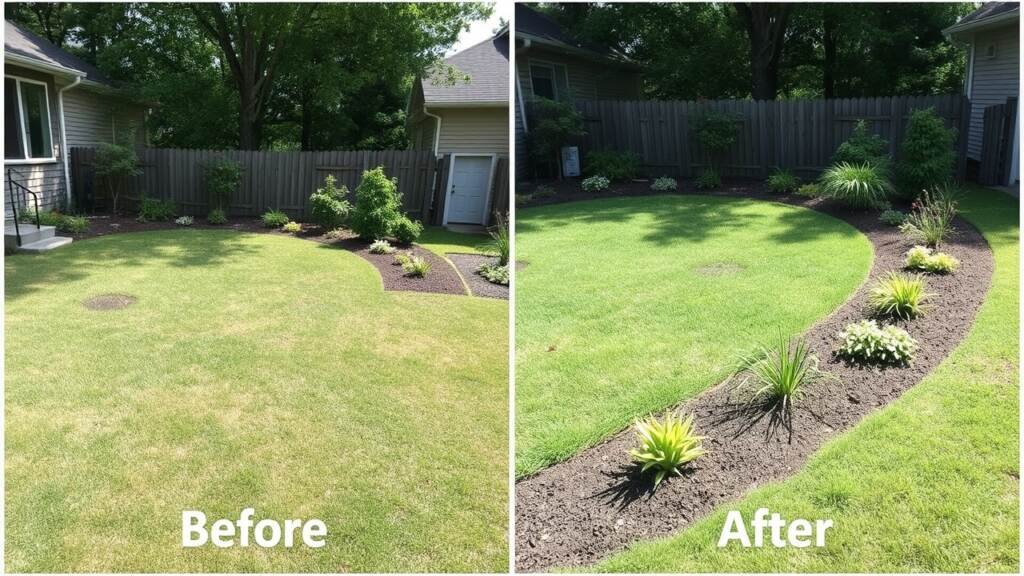
The evolution of landscape design software will significantly impact home design and outdoor spaces. With advanced design tools, homeowners can create cohesive and visually appealing landscapes that complement their architectural style. Real-time landscaping capabilities will allow homeowners to experiment with different design ideas and see the impact on their property’s curb appeal and value. Functional garden layouts will also become more accessible, enabling homeowners to create outdoor spaces that meet their specific needs and lifestyle. Whether it’s a serene retreat, a vibrant entertainment area, or a productive veggie garden, the future of garden design promises to enhance the beauty and functionality of homes everywhere, helping create a great garden.