Discover how to build a rain garden and harness the power of nature to manage stormwater runoff effectively. A well-designed rain garden not only enhances your landscape but also plays a crucial role in environmental conservation. By directing rainwater runoff from impervious surfaces, such as roofs and driveways, into these carefully planned gardens, you can significantly reduce pollutants entering our waterways and create a beautiful, sustainable space. This guide provides you with the knowledge to design and maintain a rain garden, turning your yard into a valuable asset for both your property and the environment.
Understanding Rain Gardens
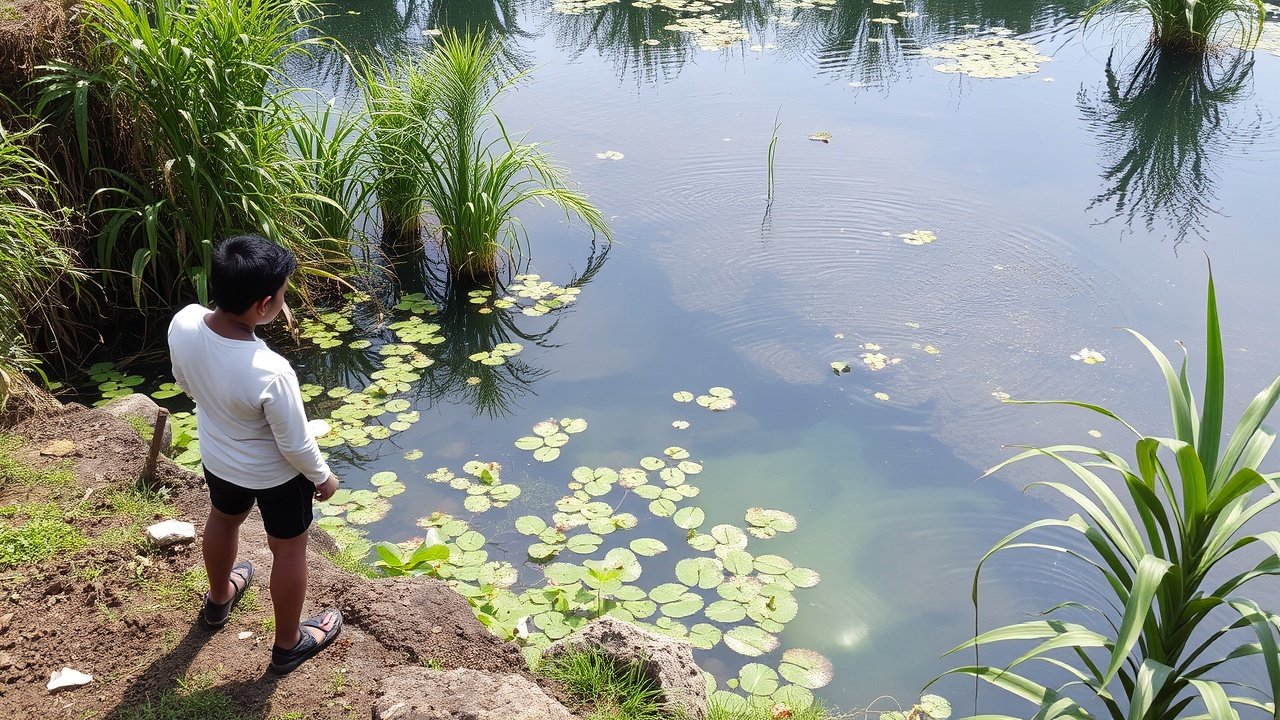
What is a Rain Garden?
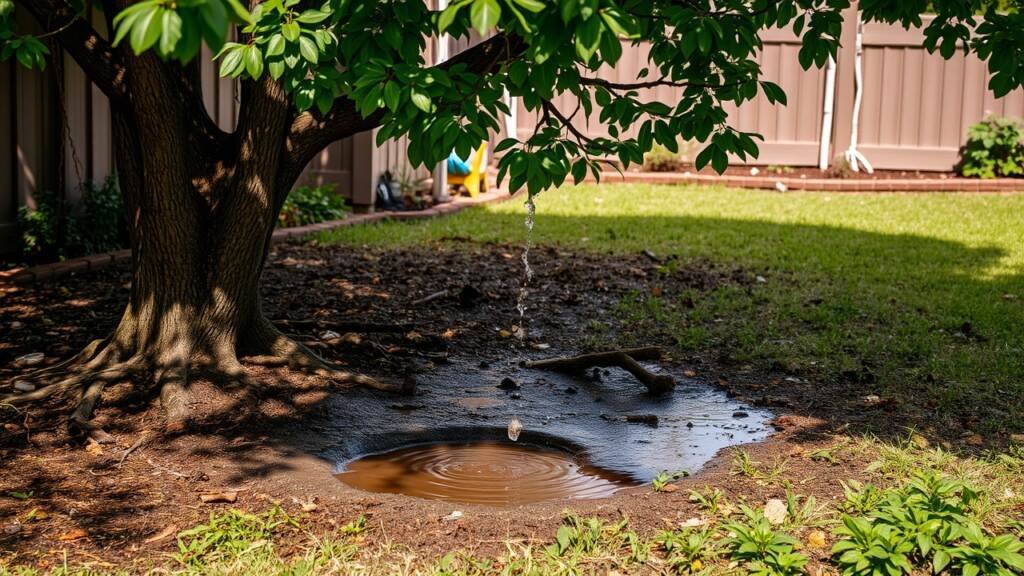
A rain garden is a shallow depression designed to collect rainwater runoff from impervious surfaces like your roof, driveway, or sidewalk. Unlike a pond, a rain garden is designed to drain within 24-48 hours, preventing standing water and mosquito breeding. It’s a beautiful and functional way to manage stormwater runoff, allowing the water to soak into the ground and be filtered by the soil and plants. A residential rain garden can transform a problem area into an attractive landscape feature while providing significant environmental benefits.
How Rain Gardens Work to Soak Stormwater
Rain gardens work by capturing stormwater runoff and allowing it to soak into the ground, mimicking the natural infiltration process. When rainwater flows from your roof through a downspout or across your driveway, it’s directed into the rain garden. The rain garden design slows the flow of water, allowing it to pond temporarily in the shallow depression. The water then percolates into the soil, where pollutants are filtered out. This process helps to replenish groundwater supplies and reduces the amount of stormwater runoff that reaches storm drains and local waterways.
Key Components of Rain Garden Design
Effective rain garden design involves several key components. Several elements are particularly important for success, including:
- The size of your rain garden, which should be carefully calculated based on the amount of rainwater runoff it needs to manage.
- Plant selection, where native plants are ideal as they are adapted to local conditions and require less maintenance.
- Amending the soil with compost, which improves drainage and provides essential nutrients for the plants.
Creating a berm on the downhill side helps contain the water within the garden. Finally, consider the location carefully, ensuring it’s away from your home’s foundation, septic systems, and underground utilities.
Benefits of Rain Gardens
Environmental Advantages
One of the most significant benefits of rain gardens is their positive impact on the environment. By strategically creating a rain garden, homeowners can effectively manage stormwater runoff, reducing the amount of pollutants that reach local waterways. The rain garden design allows rainwater runoff to soak into the ground, where the soil and plants act as natural filters. This infiltration process removes pollutants like fertilizers, pesticides, and oil, which can harm aquatic ecosystems. Furthermore, a residential rain garden helps to replenish groundwater supplies, supporting local natural resources and maintaining healthy water levels. The EPA recognizes rain gardens as a vital tool for promoting sustainable water management practices and protecting our ecosystems.
Economic Benefits
Here’s how rain gardens provide economic benefits to homeowners:
- By effectively managing stormwater runoff, rain gardens can help prevent soil erosion and flooding, which can damage property and lead to costly repairs.
- The rain garden design, particularly the use of native plants, minimizes the need for watering, fertilizing, and pest control, resulting in long-term cost savings.
Furthermore, a well-maintained rain garden can enhance the aesthetic appeal of a property, potentially increasing its market value. By reducing the impervious surface on your property, you are helping the community drain excess rainwater and prevent damage.
Improving Aesthetic Value
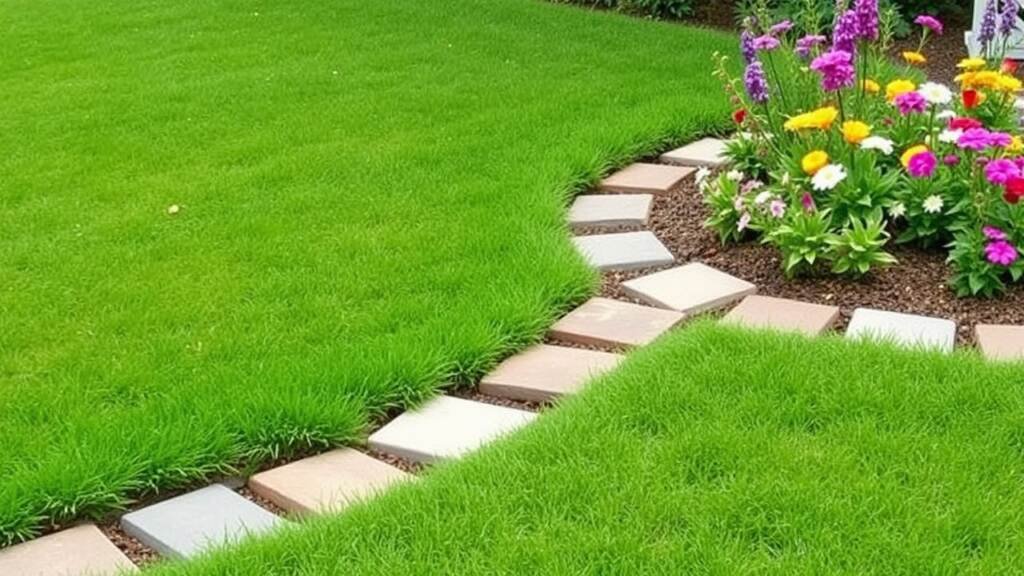
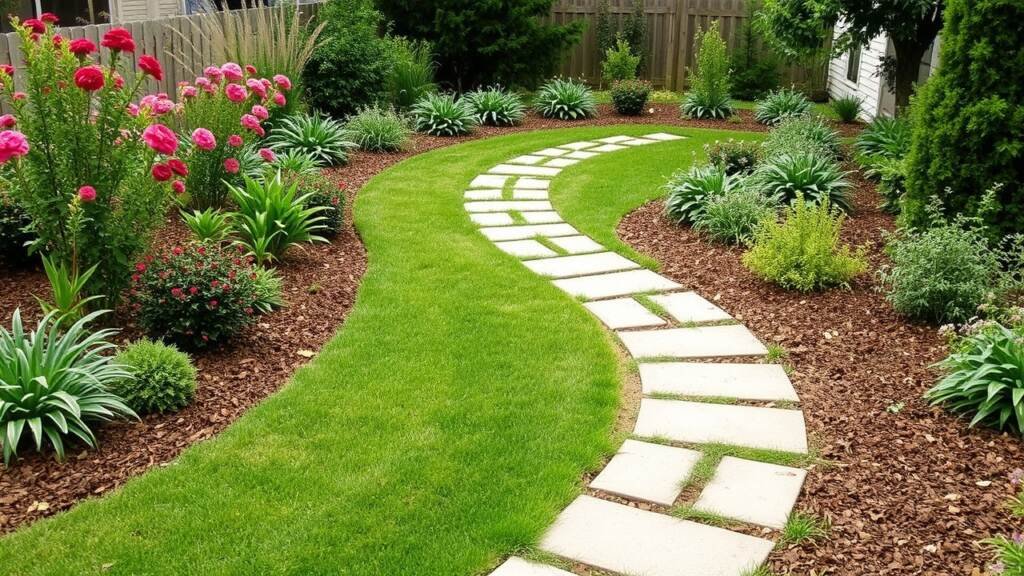
Rain gardens not only serve practical purposes but also significantly enhance the aesthetic value of a property. By carefully planning plant selection, a homeowner can transform a low area or problem spot into a beautiful and inviting landscape feature. The use of native plant species, with their diverse colors, textures, and bloom times, creates a visually appealing garden that attracts pollinators like butterflies and birds. The rain garden design can be tailored to complement the existing landscaping, adding a touch of natural beauty and biodiversity to any lawn. A well-maintained rain garden becomes a focal point, providing a serene and attractive outdoor space for relaxation and enjoyment and can really improve the curb appeal of your home. Always test the soil before selecting plants to ensure better drainage.
Building a Rain Garden
Steps to Creating a Rain Garden
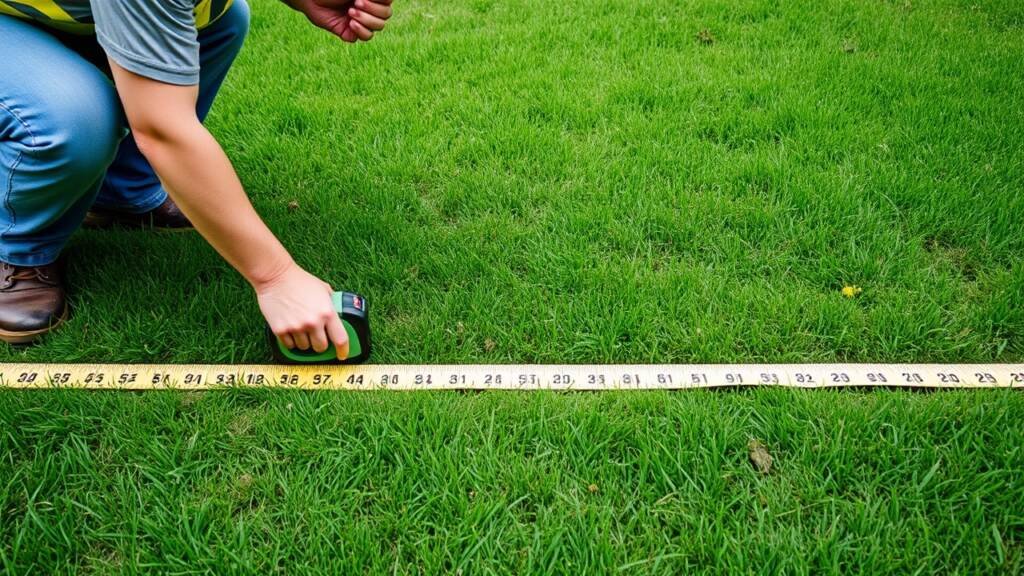
The initial step in creating a rain garden involves assessing your property to identify areas suitable for capturing and managing stormwater runoff. Measure the impervious surface area, such as the roof and driveway, that will drain into the rain garden. This measurement helps determine the appropriate size of your rain garden design. Next, conduct a percolation test to evaluate the soil’s drainage capacity. The speed at which water soaks into the soil will influence design elements and plant selection. Understanding your site’s characteristics is essential for the success of building a rain garden that effectively soaks rainwater.
Site Selection and Preparation
Choosing a location for your residential rain garden is crucial. Select a site at least 10 feet away from your home’s foundation and septic systems to prevent water damage. Consider the natural flow of rainwater runoff from impervious surfaces like the roof and driveway when selecting a site. Ensure the area receives sunlight for at least six hours per day to support the growth of select plants. Once the location is selected, remove any existing vegetation and debris. Test the soil and amend the soil with compost as necessary to improve drainage and fertility before building a rain garden.
Design Considerations for Functionality
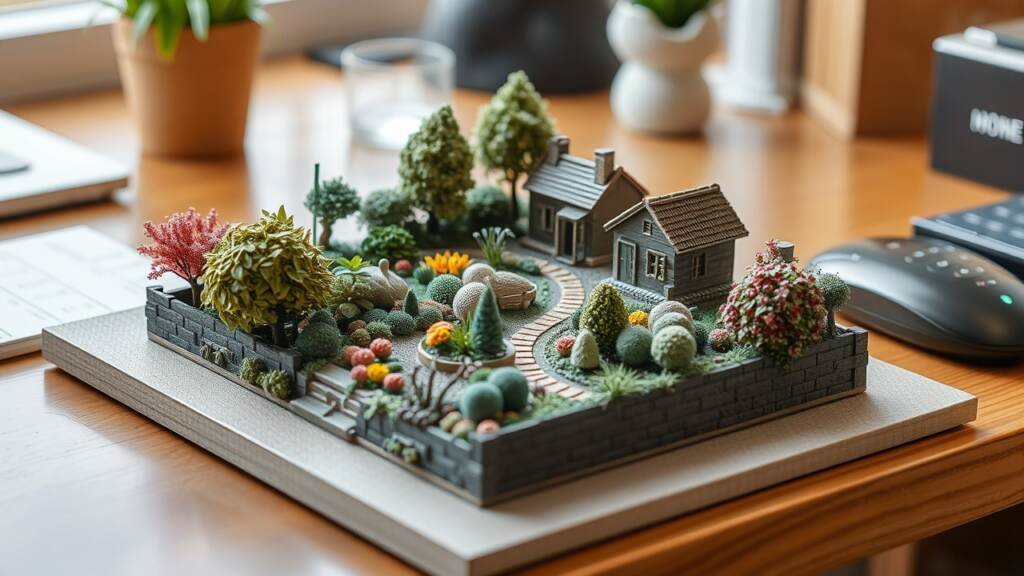
When working on rain garden design, calculate the necessary size of your rain garden based on the amount of stormwater runoff from your roof and other impervious surface. The rain garden design should include a shallow depression with gently sloping sides to allow water to pond temporarily. Creating a berm on the downhill side helps retain water within the rain garden. Incorporate an overflow mechanism, such as a swale or drain, to manage excess water during heavy rain events. Carefully plan the layout of your rain garden, considering both its functionality and aesthetic appeal to maximize the benefits of rain gardens.
Plant Selection for Rain Gardens
Choosing Native Plants
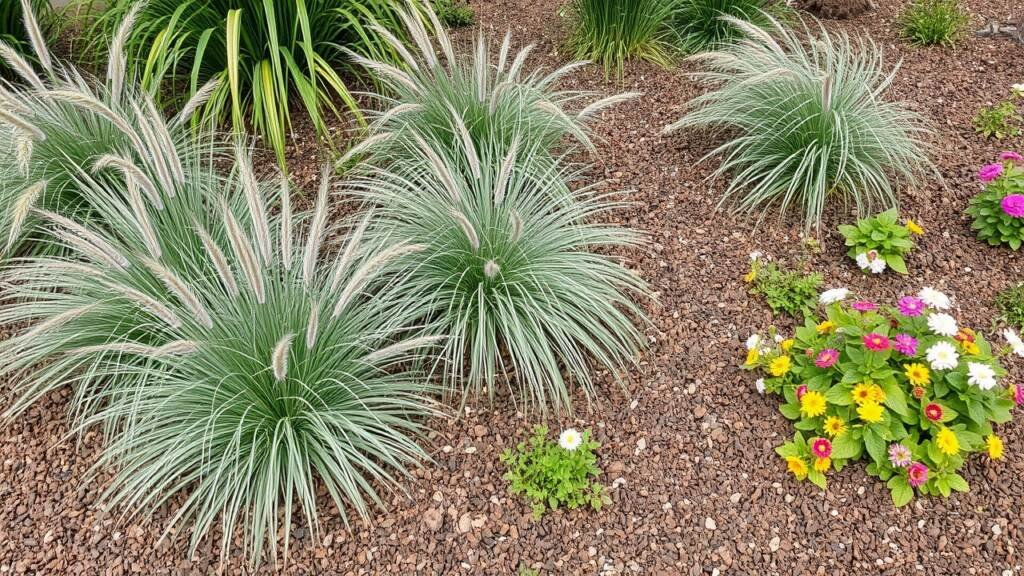
Native plants are the cornerstone of a successful rain garden. Opting for native plant species ensures that your rain garden is well-adapted to the local climate and soil conditions. Native plants require less maintenance, reducing the need for watering, fertilizing, and pest control. These plants also provide valuable habitat for local wildlife, such as butterflies and birds. When building a rain garden, select plants that are known for their deep roots and ability to soak into the ground and filter pollutants from stormwater runoff. The EPA recommends native plants as a sustainable choice.
Plant Groupings for Optimal Soaking
Effective plant selection within a rain garden design involves grouping plants based on their water tolerance levels. When planning your garden, consider these placements:
- Place plants that thrive in wetter conditions, such as sedges and rushes, at the bottom of the shallow depression where water collects.
- Position plants that prefer drier conditions, such as coneflowers and black-eyed Susans, along the edges and on the berm.
This strategic plant grouping ensures that all plants receive the appropriate amount of moisture, promoting their health and vigor. Consider the mature size and spread of select plants to prevent overcrowding and maintain optimal drainage in your residential rain garden and plan your landscape accordingly.
Maintenance Tips for Rain Garden Plants
To maintain a rain garden’s health and functionality, regular maintenance is essential. Remove weeds and debris regularly to prevent them from competing with your select plants and clogging the soil. Mulch around the plants to retain moisture, suppress weeds, and protect the soil from erosion. Prune plants as needed to maintain their shape and encourage healthy growth. Annually inspect the rain garden for signs of erosion or sediment buildup and take corrective action. By following these maintenance tips, you can ensure that your rain garden continues to effectively soak stormwater and provide environmental and aesthetic benefits. Test the soil and amend if needed for the health of your select plants.
- Low-Maintenance Garden: Proven Winners with Perennial Flowers & Shrubs
- Garden Soil Preparation: Prepare Soil for Planting Vegetables
- How long does grass installation take
- Professional Landscaping Services in Puyallup & Tacoma, WA
- Top Specialized Landscaping Tools for Professional Efficiency and Safety