Welcome to your comprehensive guide to landscape lighting! Unlock the potential of your property with thoughtfully designed exterior lighting. From enhancing curb appeal to creating inviting outdoor spaces, we’ll explore how strategic illumination can transform your landscape. Whether you’re a homeowner looking to brighten up your patio or seeking to implement a complete outdoor lighting scheme, this guide provides practical tips and expert advice to illuminate your world.
Understanding Landscape Lighting
What is Landscape Lighting?
Landscape lighting is the art and science of using outdoor light fixtures to illuminate and enhance outdoor spaces. More than just adding light bulbs, it involves a carefully considered lighting design to highlight landscape features, ensure safety along walkways, and create a welcoming ambiance. Effective landscape lighting goes beyond simple floodlight solutions; it uses various lighting techniques to transform your property after dark, adding both beauty and functionality using different types of lighting.
Importance of Outdoor Lighting
The importance of outdoor lighting extends far beyond mere aesthetics. Thoughtful exterior lighting provides several key benefits, including:
- Enhancing safety by illuminating pathways and potential hazards.
- Extending the usability of your outdoor space, making patios and gardens accessible and inviting after sunset.
Furthermore, a well-lit landscape significantly increases curb appeal and property value. By incorporating elements like accent lighting, you can create a visually stunning landscape while deterring unwanted activity. With the right lighting choices, you can transform your home into a beacon of beauty and security.
Common Landscape Lighting Techniques
Here are several landscape lighting techniques that can transform your outdoor space. These techniques include:
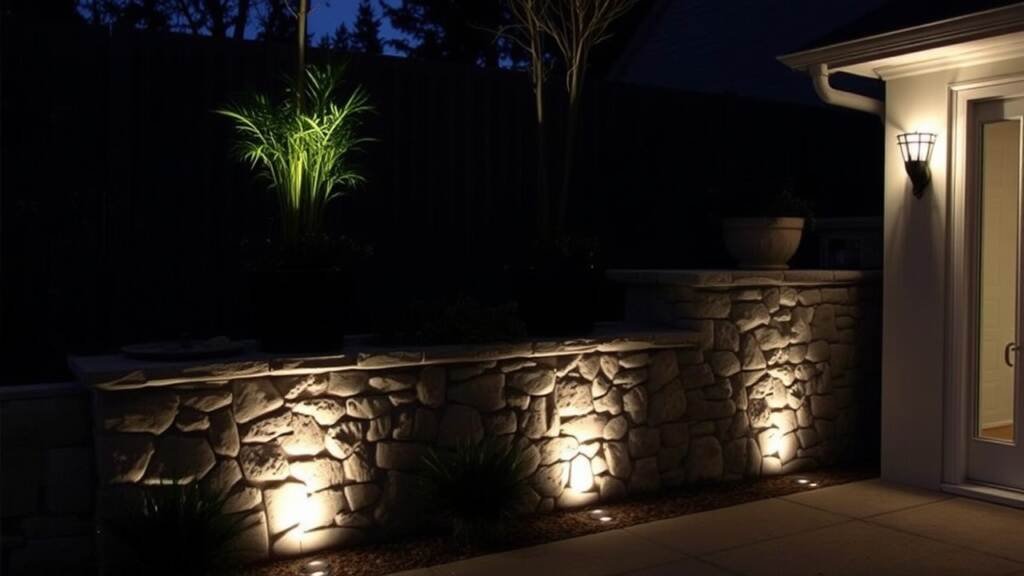
- Uplighting, which involves placing light fixtures at ground level to illuminate trees or architectural features, creating a dramatic effect.
- Downlighting, conversely, mimics natural moonlight by positioning light sources high up to cast a gentle glow.
- Path lights, which are essential for safety, guiding visitors along walkways.
- Accent lighting, which highlights specific landscape elements, such as sculptures or water features.
Understanding these various lighting techniques allows homeowners to create a tailored lighting plan that meets their specific needs and enhances their landscape’s unique features.
Choosing the Right Lighting Fixtures
Types of Outdoor Lighting Fixtures
Selecting the right type of outdoor lighting fixtures is essential to achieving the desired ambiance and functionality in your outdoor space. Several options can cater to different needs:
- Path lights are perfect for illuminating walkways, ensuring safety and guiding guests.
- Floodlights can provide broad illumination for security purposes, while spotlights highlight specific landscape features.
Post lights add a decorative touch while also providing general illumination. String lights create a festive atmosphere for patios. Your lighting choices should reflect both your aesthetic preferences and practical needs.
LEDs vs. Traditional Bulbs
When it comes to light bulbs, LEDs offer significant advantages over traditional incandescent bulbs. LEDs are far more energy-efficient, using a fraction of the energy to produce the same amount of light, which can save energy and reduce your electricity bill. They also have a much longer lifespan, reducing the need for frequent replacements. While the initial cost of LEDs might be higher, their long-term savings and environmental benefits make them a smart choice for any landscape lighting design or outdoor lighting scheme.
Solar-Powered Lights for Landscape Lighting
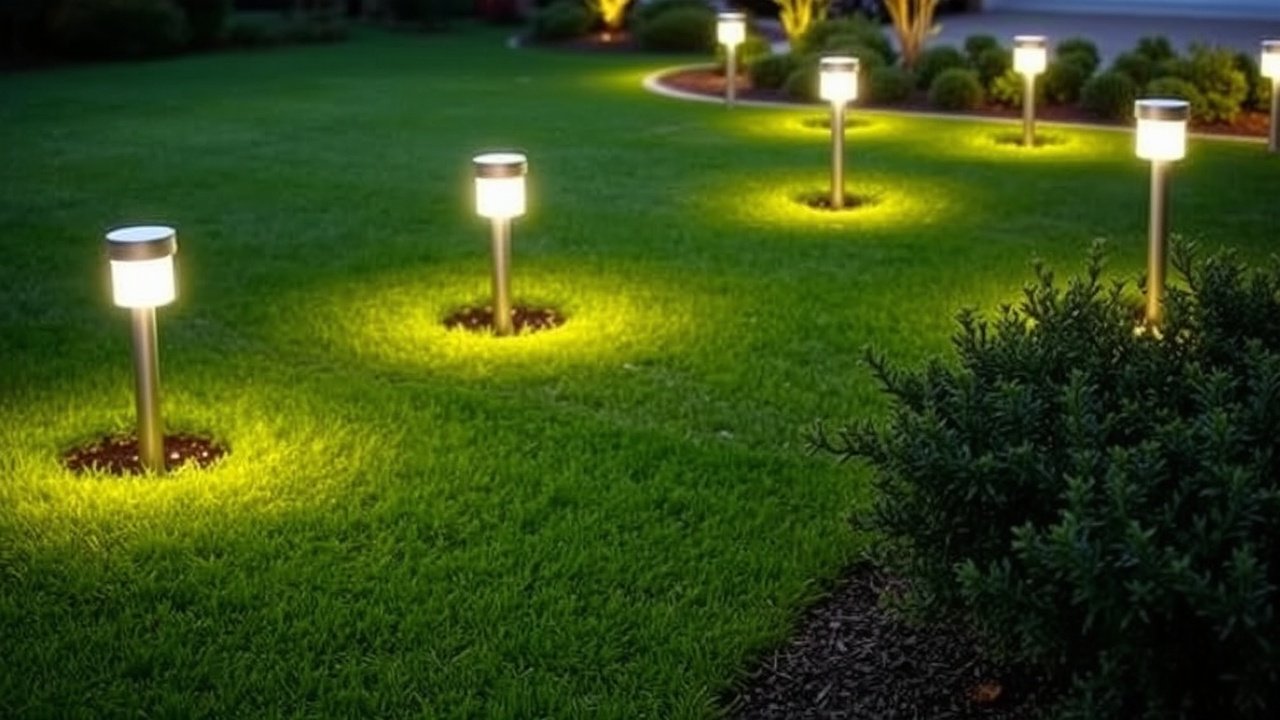
Solar-powered lights present an environmentally friendly and cost-effective option for landscape lighting. These fixtures harness solar energy during the day to illuminate your outdoor space at night, reducing your carbon footprint and eliminating the need for wiring. Ideal for accent lighting along pathways or in garden beds, solar lights are easy to install and require minimal maintenance. While their brightness may not match that of low-voltage LED lighting solutions, they provide a charming, sustainable illumination solution that enhances your landscape while promoting reduced light pollution.
Lighting Design Considerations
Creating a Lighting Plan for Your Outdoor Space
Crafting a comprehensive lighting plan is crucial for any successful landscape lighting design. Start by assessing your outdoor space and identifying key features you wish to illuminate. Determine the primary functions of your outdoor space – is it for entertaining, relaxation, or security? Consider the placement of path lights along walkways for safety and the use of accent lighting to highlight architectural details or landscape elements. Think about how different lighting techniques can enhance the overall ambiance, creating a cohesive and inviting outdoor environment.
Color Temperature and Its Impact on Outdoor Lighting
Color temperature plays a significant role in the ambiance of your outdoor light. Measured in Kelvin (K), color temperature affects how warm or cool the light appears. Warmer temperatures (2700K-3000K) produce a cozy, inviting glow, ideal for patios and seating areas. Cooler temperatures (4000K and above) offer brighter, more energizing illumination, suitable for task lighting or security lighting. Consider the color temperature of your LED lights when selecting outdoor lighting fixtures to create the desired mood and complement your landscape.
Super Bright vs. Soft Lighting Techniques
The choice between super bright illumination and soft lighting techniques depends on the intended purpose and desired atmosphere. Super bright floodlights can provide ample security lighting, deterring intruders and illuminating large areas. However, excessive brightness can lead to glare and increase light pollution, disturbing neighbors and obscuring the night sky. Soft lighting, achieved through lower lumen outputs and diffused light sources, creates a more subtle and inviting ambiance. A well-balanced landscape lighting design incorporates both, using super bright light strategically while prioritizing soft lighting for overall aesthetics.
Practical Outdoor Lighting Tips
Enhancing Safety with Exterior Lighting
Enhancing safety is a paramount consideration in exterior lighting design. Strategically placed path lights along walkways and driveways can prevent accidents and guide visitors safely. Illuminate steps and uneven surfaces to minimize the risk of falls. Consider installing motion-sensor lights near entry points to deter intruders and provide instant illumination when needed. Effective safety lighting integrates seamlessly with the overall lighting design, providing both security and aesthetic appeal. By focusing on lighting choices that prioritize safety, homeowners can create a secure and welcoming environment.
Highlighting Landscape Features
Highlighting landscape features with accent lighting can dramatically enhance your property’s curb appeal. Uplighting can create a dramatic effect by illuminating trees or architectural elements from below. Downlighting mimics natural moonlight, casting a gentle glow on garden beds or water features. Spotlights can draw attention to sculptures or unique plants. Experiment with different landscape lighting techniques to find the best way to showcase your landscape’s unique beauty. Thoughtful lighting applications can transform your yard into a nighttime masterpiece.
Maintaining Your Outdoor Lighting System
Regular maintenance is essential to ensure the longevity and optimal performance of your outdoor lighting system. Clean light fixture lenses regularly to remove dirt and debris that can reduce brightness. Inspect wiring and connections for any signs of damage or corrosion. Replace light bulbs as needed, opting for long-lasting LED lighting solutions to save energy and reduce maintenance frequency. By following these simple outdoor lighting tips, homeowners can keep their landscape lighting looking its best for years to come and reduce light pollution in their area.