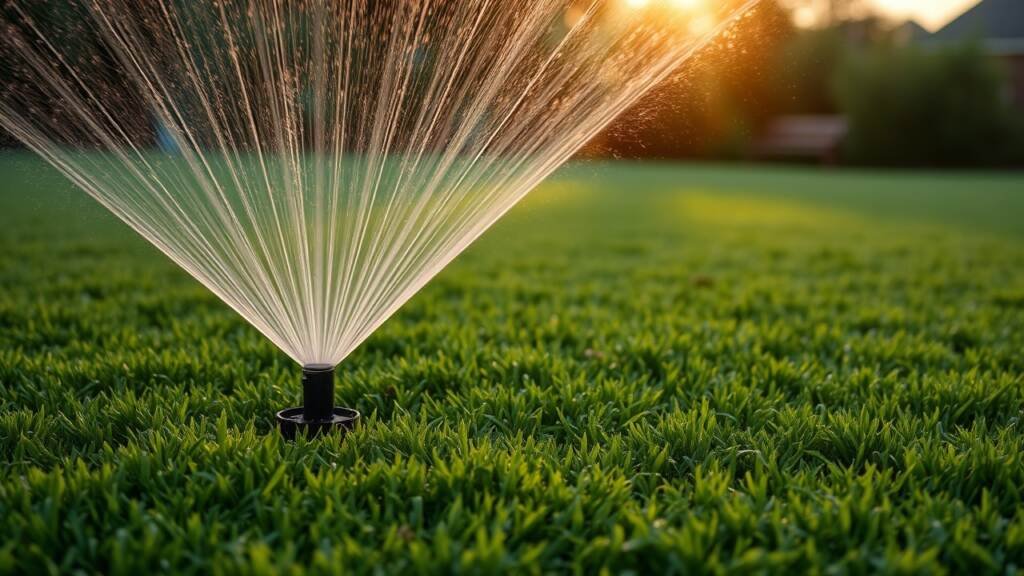
Smart irrigation systems are transforming landscape water management. These systems leverage advanced technology to improve how we irrigate, offering numerous advantages. Key aspects of these systems include:
- Optimized irrigation schedules tailored to specific plant needs and environmental conditions.
- Conservation of water resources by reducing unnecessary watering.
Dive deeper to discover the various components, benefits, and types of smart controllers and learn how to revolutionize your outdoor water usage.
Understanding Smart Irrigation Systems
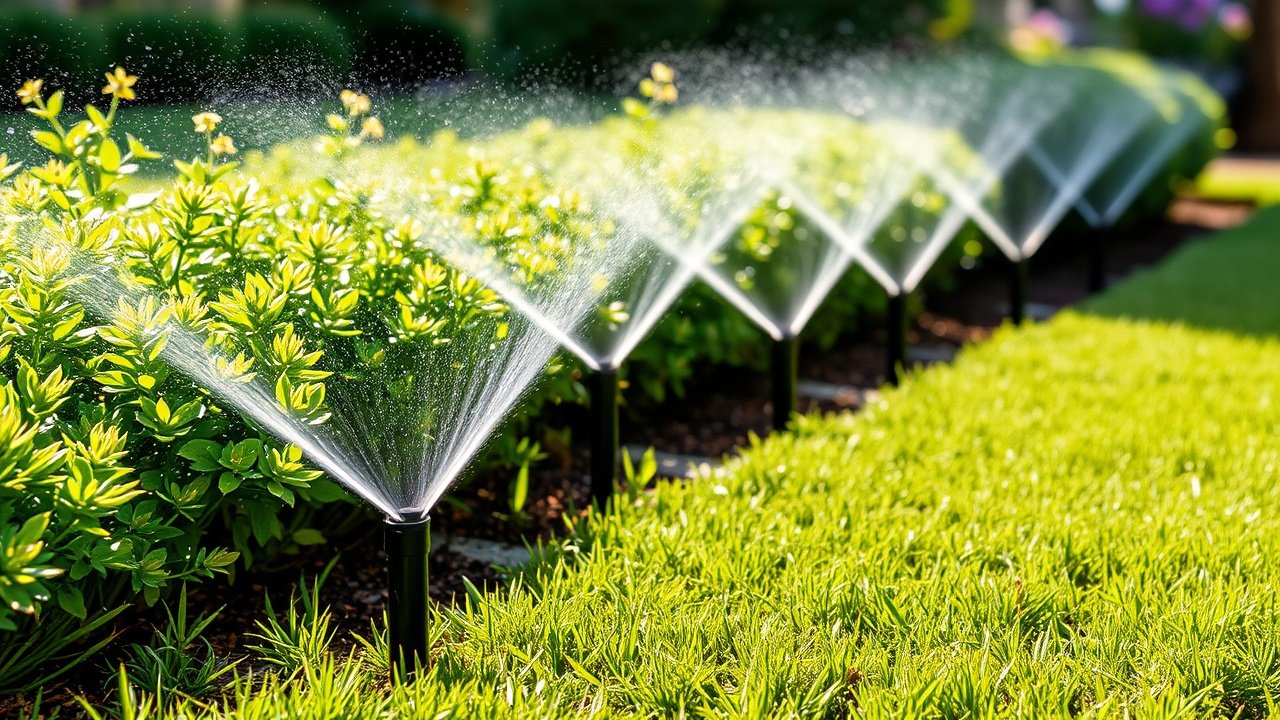
Smart irrigation systems are revolutionizing outdoor water use by using advanced irrigation technologies and smart controllers. These innovative systems use sensors and local weather data to adjust irrigation schedules, ensuring that plants receive the precise amount of water they need. This approach conserves water, reduces water consumption, and promotes sustainable landscape irrigation practices.
Definition of Smart Irrigation Systems
A smart irrigation system is an advanced irrigation system using a smart controller that optimizes water use by automatically adjusting irrigation schedules based on real-time data. Unlike traditional irrigation methods, smart irrigation technologies incorporate weather conditions and soil moisture levels to ensure efficient water usage, ultimately leading to water savings and reduced water consumption.
How Smart Irrigation Technologies Work
Smart irrigation technologies work by using sensors and controllers to monitor soil moisture and weather conditions. The irrigation controller receives data from the soil moisture sensor and local weather stations, and it adjusts irrigation schedules accordingly. This precise irrigation process ensures that plants receive the optimal amount of water, preventing overwatering and promoting water savings.
Components of a Smart Irrigation System
A smart irrigation system typically includes an irrigation controller, soil moisture sensors, and weather data integration. The soil moisture sensor measures moisture in the soil, providing crucial information to the irrigation controller. The irrigation controller then interprets this data, along with weather forecasts, to adjust irrigation schedules, optimizing the system’s use and conserving water.
Types of Smart Controllers
Smart controllers are the brains behind smart irrigation systems, offering advanced features to optimize water usage and promote efficient irrigation. These controllers come in various types, each designed to meet specific landscape irrigation needs. By understanding the different types of smart controllers, users can select the best option to conserve water and enhance irrigation efficiency.
Overview of Smart Irrigation Controllers
Smart irrigation controllers are designed to optimize water usage by automatically adjusting irrigation schedules based on weather conditions and soil moisture levels. These smart controllers use data from sensors and local forecasts to determine the appropriate amount of water for plants, reducing water consumption and promoting sustainable landscape irrigation practices, unlike traditional irrigation methods.
Smart Sprinkler Controllers
Smart sprinkler controllers are a type of smart controller specifically designed for sprinkler systems. These controllers use weather data and soil moisture sensor readings to automatically adjust irrigation schedules, ensuring that lawns and gardens receive the precise amount of water they need. This reduces water consumption, conserves water, and promotes healthier plant growth.
Comparing Traditional and Smart Controllers
Traditional irrigation controllers operate on a fixed schedule, often leading to overwatering and water waste. In contrast, smart controllers adjust irrigation schedules based on real-time data, optimizing water usage and conserving water. Implementation of smart irrigation results in significant water savings, reduced water consumption, and improved irrigation efficiency compared to traditional irrigation methods.
Role of Sensors in Smart Irrigation
Sensors play a vital role in smart irrigation systems, providing real-time data that informs the irrigation process. These sensors monitor moisture in the soil and weather conditions, ensuring that the system delivers the precise amount of water needed. By using sensors, smart irrigation technologies optimize water usage, reduce water waste, and promote healthier plant growth by meeting plant water needs.
Types of Soil Moisture Sensors
Various types of soil moisture sensors are available to measure the moisture content in the soil. These sensors provide essential data to the irrigation controller, which then adjusts irrigation schedules accordingly. Common types include capacitance sensors, resistance sensors, and tensiometers, each offering unique benefits for optimizing smart irrigation systems and reducing water consumption as compared to traditional irrigation methods.
Benefits of Using Sensors in Irrigation
Using sensors in irrigation offers numerous benefits, including precise water management and significant water savings. Sensors help to conserve water by preventing overwatering and underwatering, ensuring that plants receive the optimal amount of water. By monitoring moisture in the soil and weather conditions, smart irrigation systems with sensors optimize water usage and promote sustainable landscape irrigation.
Integration of Sensors with Smart Controllers
The integration of sensors with smart controllers is crucial for the effective operation of smart irrigation systems. The soil moisture sensor provides real-time data to the irrigation controller, which then adjusts irrigation schedules based on the information received. This seamless integration ensures that the irrigation system using advanced irrigation technologies responds dynamically to changing environmental conditions, optimizing water use and reducing water consumption in scheduled irrigation.
Advantages of Smart Irrigation Systems
Smart irrigation systems offer numerous advantages over traditional irrigation methods, including significant water conservation, cost savings, and enhanced crop health. By using smart irrigation technologies, users can optimize water usage, reduce water consumption, and promote sustainable landscape irrigation. These advantages make smart irrigation systems a valuable investment for both residential and commercial properties.
Water Conservation Benefits
One of the primary benefits of smart irrigation systems is their ability to conserve water. By using sensors and weather data, these smart irrigation technologies ensure that plants receive the precise amount of water they need, reducing water consumption and preventing water waste. Smart watering system implementation of smart irrigation leads to significant water savings compared to traditional irrigation methods. Conserve water using a smart controller today.
Cost Savings Over Time
While the initial investment in a smart irrigation system may be higher than that of a traditional system, the long-term cost savings can be substantial. By reducing water consumption and preventing water waste, smart irrigation systems help lower water bills over time. Additionally, the improved plant health resulting from efficient irrigation can reduce the need for costly treatments and replacements. The water savings will add up.
Enhanced Crop Health and Yield
Smart irrigation systems promote enhanced crop health and yield by delivering the optimal amount of water to plants. By preventing overwatering and underwatering, these systems ensure that plants receive the precise amount of water they need to thrive. This results in healthier plants, increased crop yields, and improved overall landscape health with smart irrigation technologies, no matter the type of smart irrigation system used.
Implementing a Smart Irrigation System

Steps to Install a Smart Irrigation System
Installing a smart irrigation system involves several key steps. The initial phases include:
- Assessing your existing irrigation system and identifying areas for improvement.
- Selecting the appropriate smart controllers and sensors based on your specific landscape irrigation needs.
- Installing the soil moisture sensors strategically throughout your yard to accurately measure moisture in the soil.
Finally, program the irrigation controller with your desired irrigation schedules and monitor its performance to ensure efficient water use.
Choosing the Right Smart Controller
Selecting the right smart controller is crucial for maximizing water savings and optimizing irrigation efficiency. Consider the size of your landscape, the type of plants you have, and your specific water needs when choosing a controller. Look for smart controllers that offer features such as weather-based adjustments, remote control via smartphone, and integration with soil moisture sensor to ensure precise amounts of water. These smart irrigation controllers can conserve water.
Maintenance of Smart Irrigation Technologies
Proper maintenance is essential to ensure the longevity and effectiveness of your smart irrigation technologies. Regularly inspect sensors for damage and ensure they are properly calibrated. Clean the irrigation controller and check for any signs of wear or malfunction. Additionally, monitor your water usage and adjust irrigation schedules as needed to optimize water use and reduce water consumption to save water in the long run.
Future of Irrigation Technologies
Emerging Trends in Smart Irrigation
The future of smart irrigation is marked by several emerging trends. One significant trend is the increased use of wireless sensors and IoT (Internet of Things) devices to enhance data collection and control. Another trend is the development of more sophisticated algorithms that can predict plant water needs based on various factors such as weather conditions, soil moisture levels, and plant type. Implementation of smart irrigation is becoming the future.
Advancements in Smart Water Systems
Advancements in smart water systems are revolutionizing landscape irrigation. New irrigation technologies are integrating artificial intelligence (AI) and machine learning to optimize water usage and improve irrigation efficiency. These systems can analyze vast amounts of data to fine-tune irrigation schedules, reduce water consumption, and promote sustainable landscape irrigation practices. Using smart water is the future.
Impact of Technology on Traditional Irrigation Methods
Technology is profoundly impacting traditional irrigation methods, driving a shift towards more efficient and sustainable practices. Smart irrigation systems offer significant advantages over traditional methods, including reduced water consumption, lower water bills, and improved plant health. As technology continues to advance, traditional irrigation methods are gradually being replaced by smart irrigation technologies, leading to a more sustainable approach to outdoor water use. This is helping conserve water for all.
- Drainage and Soil Solutions for a Healthy, Sustainable Lawn Year-Round
- 5 Ways to Aerate Your Lawn Without Expensive Equipment Using a Free Landscape Design App
- How Eco-Friendly Landscaping Reduces Water Usage
- 25 budget-friendly landscaping ideas for small yards
- Best Plants for Landscaping in California’s Climate Zones