Creating an eco-friendly lawn is about more than just having a green lawn; it’s about fostering a sustainable landscape that benefits both your home and the environment. As homeowners increasingly seek environmentally friendly options, understanding the principles of eco-friendly lawn care and the potential of grass alternatives becomes essential. This guide explores various strategies for converting your traditional turf lawn into a thriving, eco-conscious outdoor space.
Understanding Eco-Friendly Lawn Options
The Importance of an Eco-Friendly Lawn
An eco-friendly lawn plays a crucial role in supporting biodiversity and reducing your carbon footprint. Traditional turf lawns often require heavy use of fertilizer, herbicide, and significant water consumption, leading to stormwater runoff and environmental harm. By choosing an eco-friendly lawn, you achieve multiple benefits, including:
- Conserving water
- Protecting local wildlife
- Minimizing the negative impacts of lawn care on the environment
Embracing native plant species and reducing the need to mow contributes to a healthier, more sustainable landscape.
Benefits of Grass Alternatives
Grass alternatives present several benefits over traditional turf, especially for homeowners desiring a low-maintenance and environmentally conscious lawn. These benefits include:
- Reduced water consumption due to drought resistance, which also minimizes mowing frequency.
- Support for biodiversity by attracting pollinators like butterflies and fostering a healthier ecosystem.
Furthermore, these alternatives diminish the necessity for chemical treatments like herbicides and fertilizers, contributing to a more sustainable environment.
Factors to Consider When Choosing Lawn Alternatives
Selecting the right lawn alternative involves considering several factors to ensure it meets your needs and thrives in your landscape. Key considerations include:
- Evaluate the amount of foot traffic your lawn experiences, as some groundcovers are more durable underfoot than others.
- Consider your local climate and soil conditions to choose drought-tolerant and low-growing options that will flourish.
Also, think about your aesthetic preferences; do you prefer a clover lawn with flowers or a lush green grass alternative that mimics traditional turf?
Popular Lawn Alternatives
Clover as a Sustainable Option
Many homeowners are converting to clover lawns as an environmentally friendly and sustainable alternative to traditional turf. Clover is a low-growing plant that requires less fertilizer and water than grass, making it a great option for those looking to conserve water. Clover also attracts pollinators, like butterflies, enhancing biodiversity in the landscape and supporting local wildlife. As a low-maintenance solution, clover naturally fixes nitrogen in the soil, reducing the need for synthetic fertilizers.
No-Mow Lawns: A Low-Maintenance Solution
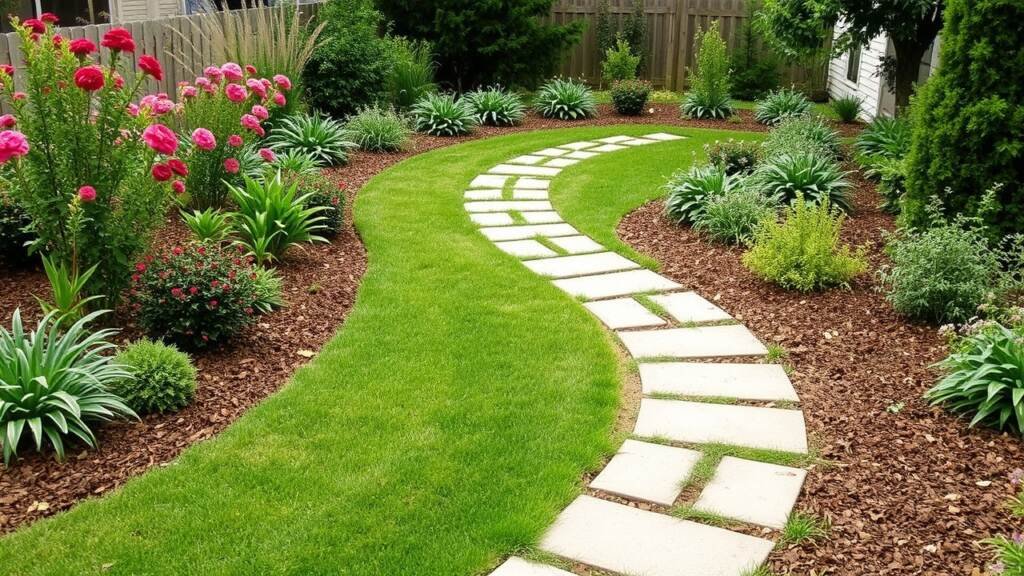
No-mow lawns are gaining popularity as a low-maintenance solution for replacing turf. These lawns often consist of a mix of low-growing fescue grasses and other native plants that require minimal mowing, reducing the carbon footprint associated with lawn care. Homeowners appreciate the convenience and the ability to create a more natural-looking landscape. No-mow options contribute to an eco-friendly lawn, minimizing herbicide use and conserving resources.
Ground Covers That Conserve Water
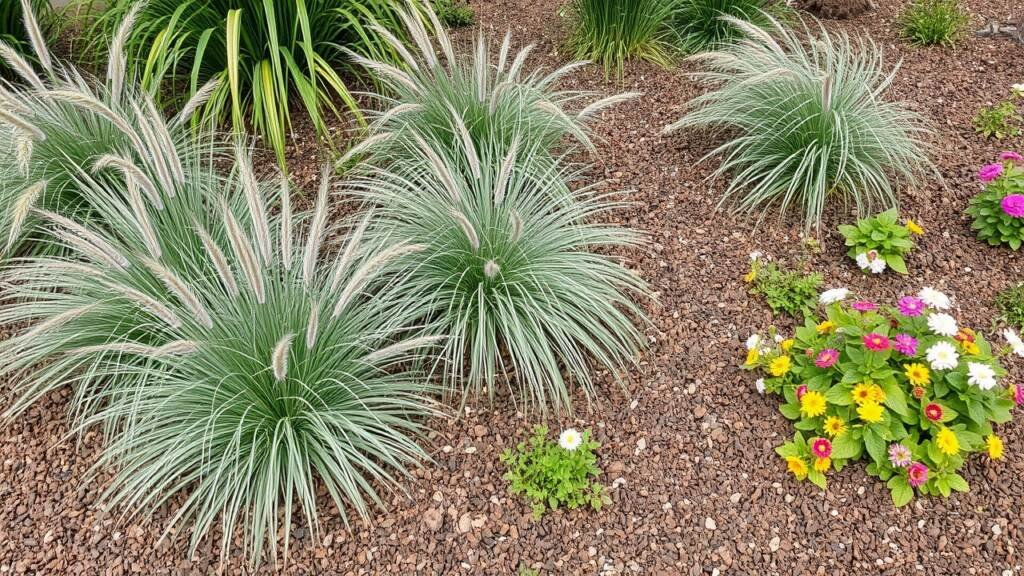
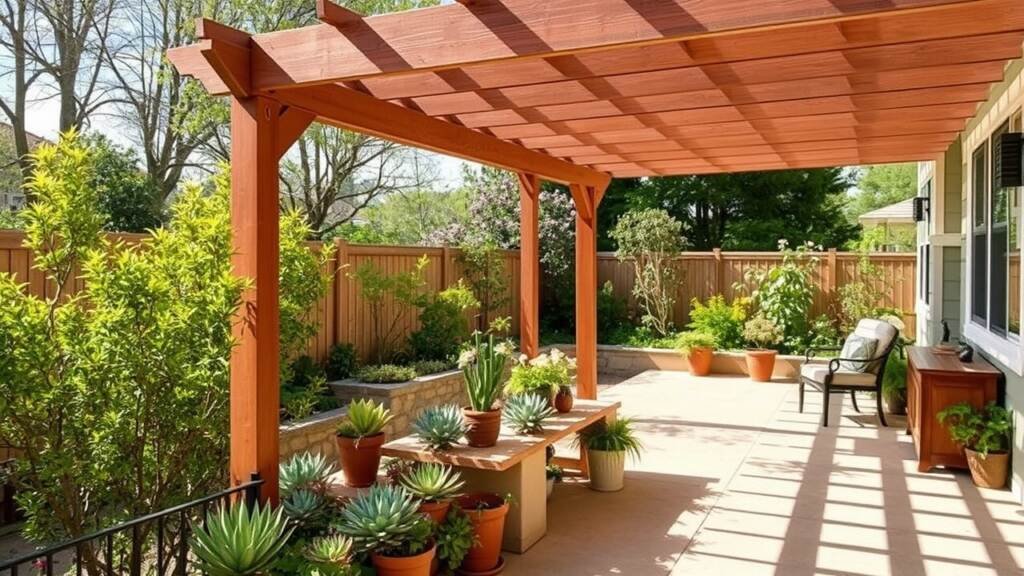
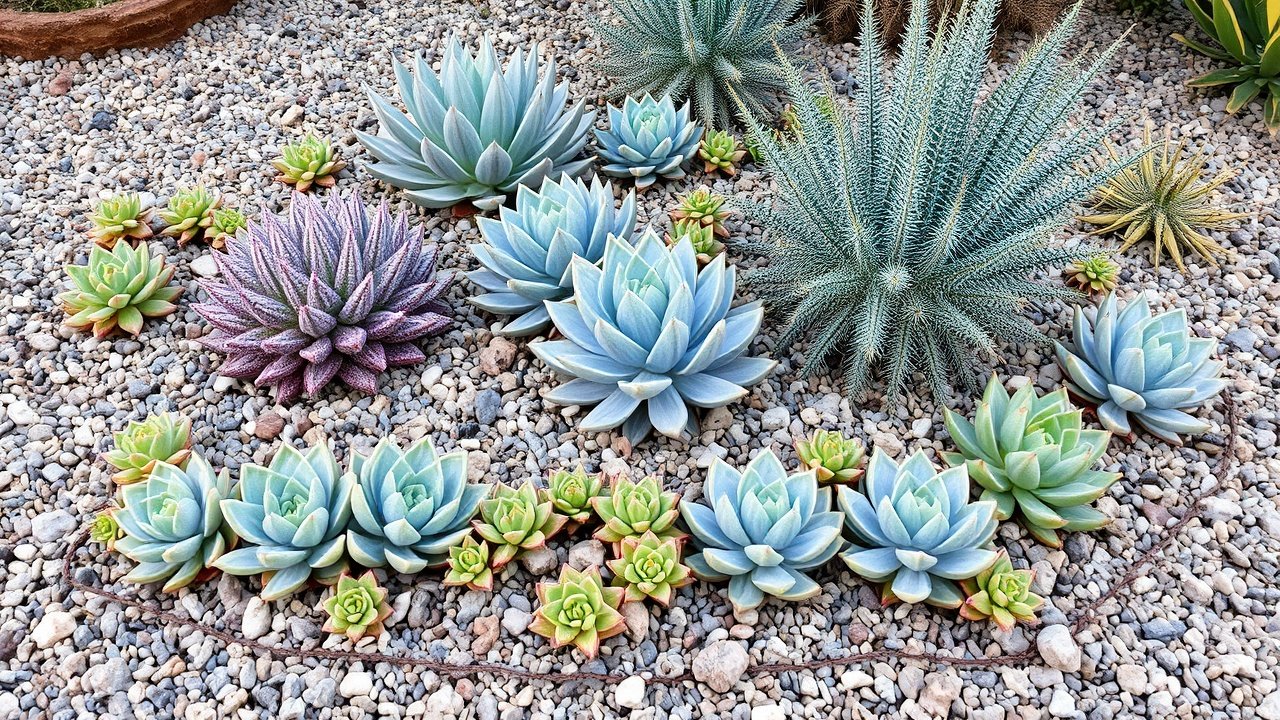
Groundcovers offer an attractive way to conserve water and reduce the amount of turf in the yard. Many drought-tolerant groundcover options are available, such as creeping thyme and succulents, that thrive in sunny areas and require less irrigation than traditional grass. These groundcovers provide excellent turf replacement, minimize stormwater runoff, and support an eco-friendly lawn. They are a beneficial alternative, especially in suburban areas with water restrictions.
Seeding Techniques for an Eco-Friendly Lawn
Choosing the Right Seeds for Your Landscape
Selecting the right seed mixes is crucial for establishing an eco-friendly lawn that thrives in your specific landscape. Consider factors like sunlight, soil type, and foot traffic when choosing seeds. For example, drought-tolerant seed mixes with native grasses and wildflowers are ideal for sunny areas and can significantly reduce water consumption. Opting for perennial species ensures a green lawn that persists year after year, minimizing the need for reseeding.
Organic Fertilizers and Their Benefits
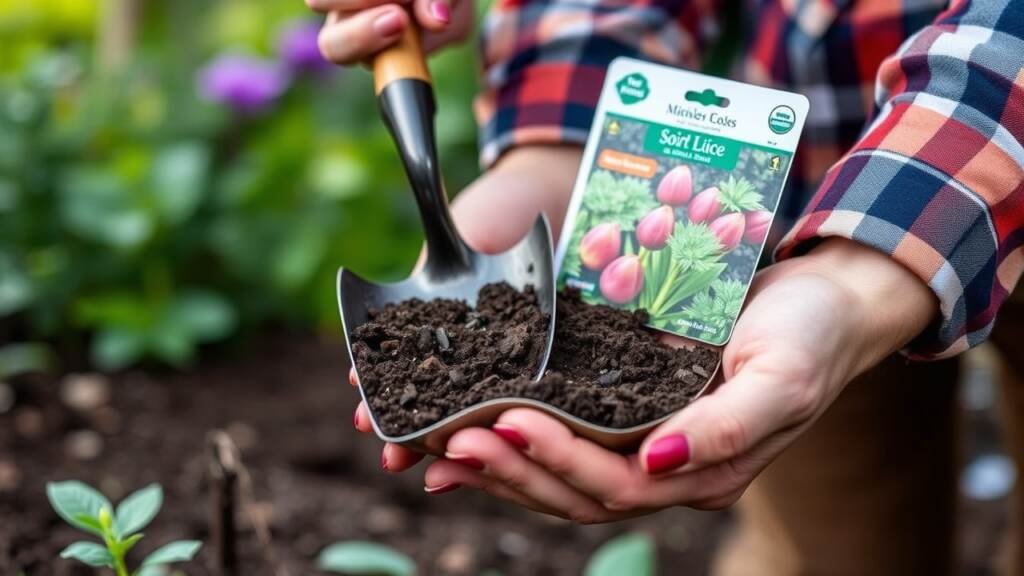
Using organic fertilizers is a key component of eco-friendly lawn care. Unlike synthetic fertilizers, organic options like compost and well-rotted manure release nutrients slowly, promoting healthy grass growth without the risk of chemical runoff. These fertilizers improve soil structure, enhance water retention, and support beneficial soil microbes, creating a resilient and eco-friendly lawn. By choosing organic fertilizers, homeowners can reduce their environmental impact and promote biodiversity.
Watering Practices that Save Resources
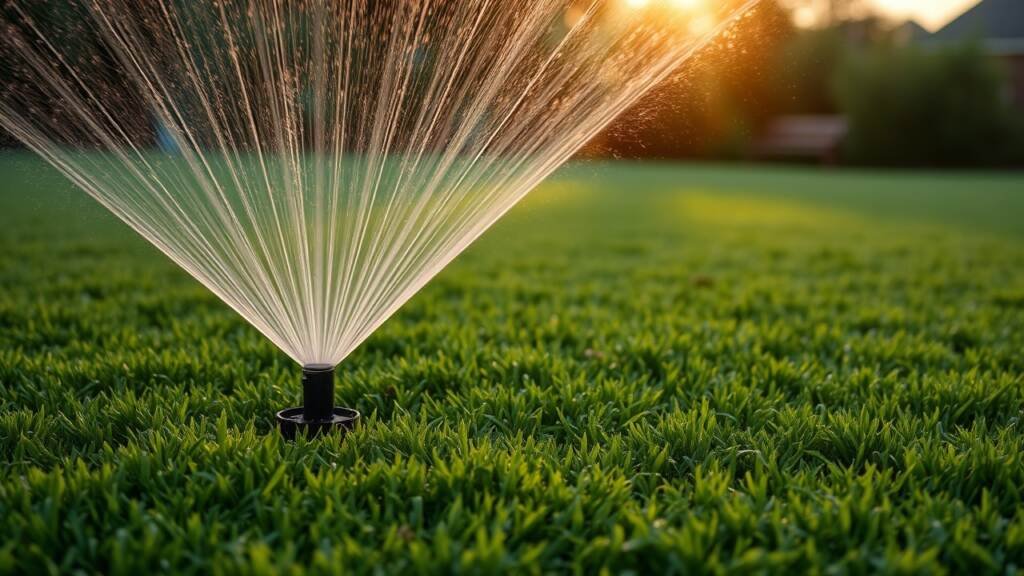
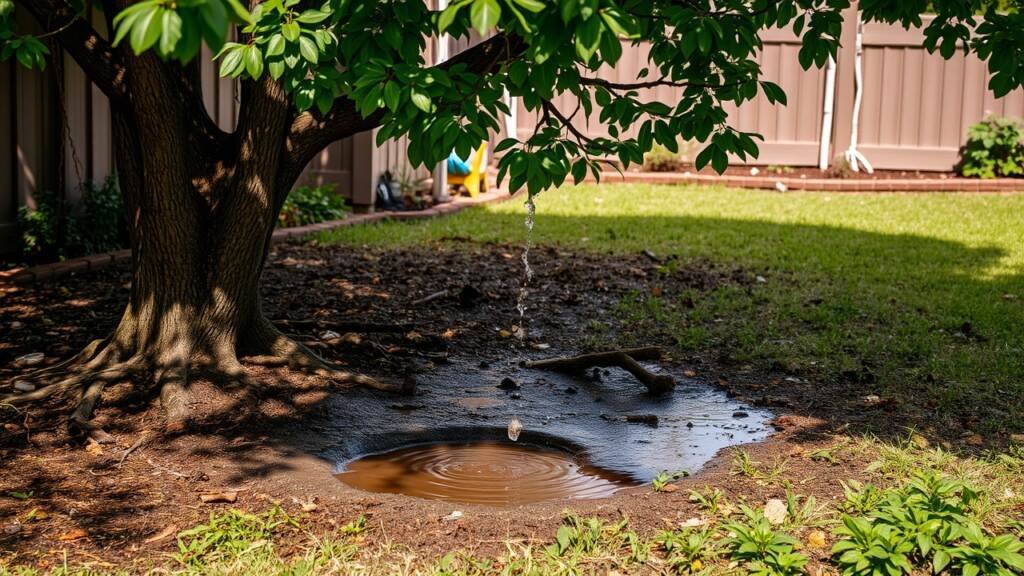
Implementing efficient watering practices is essential for conserving water and maintaining a healthy, eco-friendly lawn. Water deeply but less frequently to encourage deep root growth, which makes the grass more drought-resistant. Consider using smart irrigation systems or rain barrels to collect and reuse water. By adopting these practices, you can minimize water waste and create a more sustainable landscape while keeping your lawn lush and green.
Maintaining an Environmentally Friendly Lawn
Reducing Herbicide Use in Lawn Care
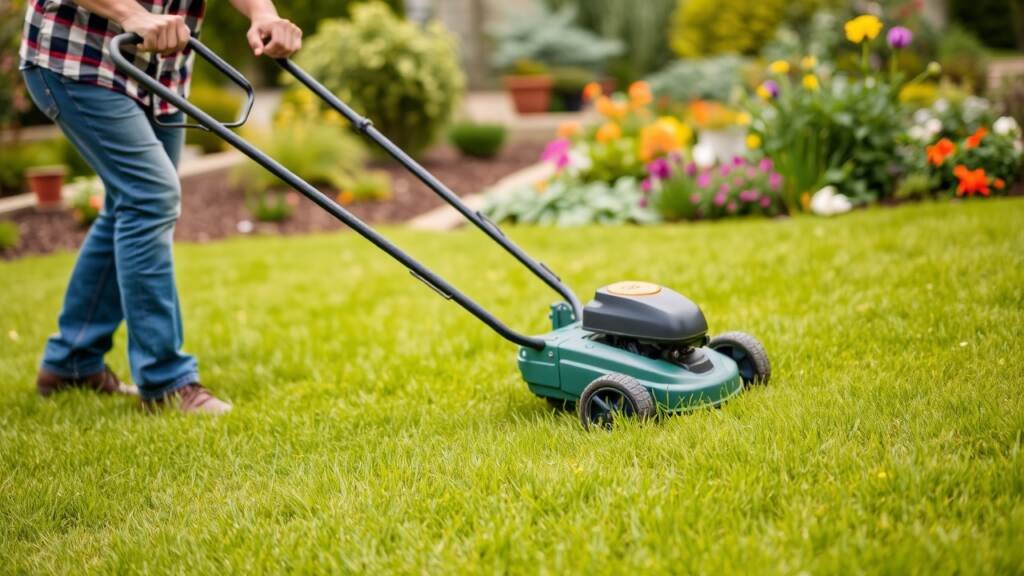
Reducing herbicide use is crucial for maintaining an environmentally friendly lawn and protecting local wildlife. Instead of relying on chemical herbicides, homeowners can employ natural methods to control weeds in their grass lawn. Regular mowing at the correct height can prevent weed seeds from germinating, while hand-pulling weeds is effective for smaller infestations. Using organic weed killers or natural solutions like vinegar can also minimize the impact on the environment.
Using Natural Pest Control Methods
Natural pest control methods are essential for preserving the biodiversity of your eco-friendly lawn and landscape. Attracting pollinators and beneficial insects, such as butterflies, can naturally control pests. Introducing native plants that support these beneficial species helps to maintain a balanced ecosystem. Additionally, using organic pest control products and practicing proper lawn maintenance can keep pests at bay without harming the environment or local wildlife. The goal is to create a balanced ecosystem.
Implementing Sustainable Landscape Practices
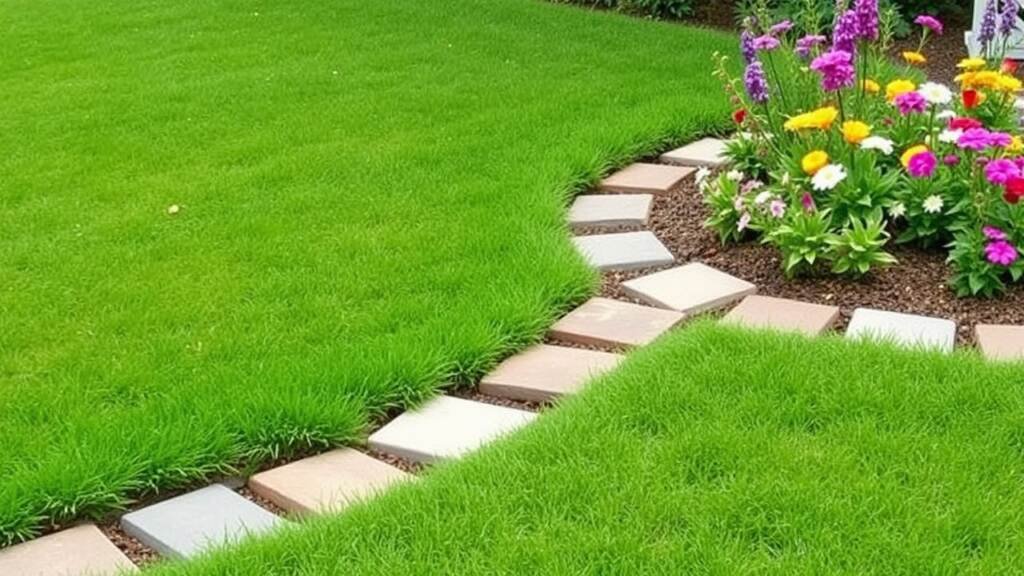
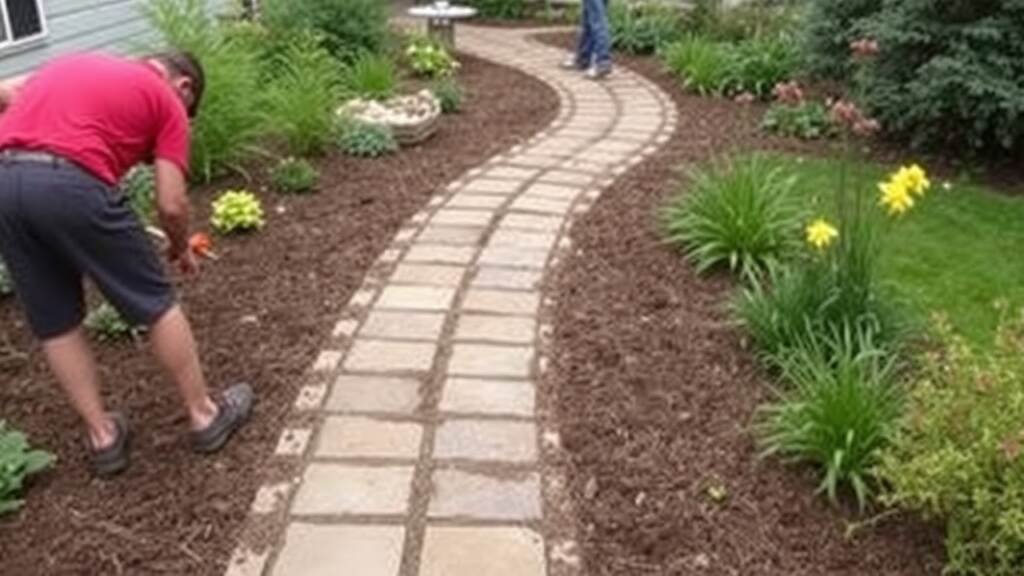
Implementing sustainable landscape practices is fundamental to creating an eco-friendly lawn that benefits both the environment and the homeowner. Incorporating elements like hardscape features, rain gardens, and kitchen gardens reduces the area covered by turf grass and minimizes water consumption. Using drought-tolerant native grasses and wildflowers ensures the lawn thrives with minimal irrigation. Composting and mulching also improve soil health, further reducing the need for fertilizers and herbicides.
Resources for Greener Lawns
Organizations Promoting Eco-Friendly Practices
Several organizations are dedicated to promoting eco-friendly practices and helping homeowners create greener lawns. The NRDC provides valuable information on reducing your carbon footprint and implementing sustainable lawn care practices. Local environmental groups often offer workshops and resources on native plant selection, water conservation, and reducing the use of herbicides and fertilizers. Engaging with these organizations provides access to expert advice and support for converting to an eco-friendly lawn.
Local Resources for Lawn Alternatives
Finding local resources is essential for sourcing lawn alternatives and native plants that thrive in your specific climate. Local nurseries and garden centers often carry drought-tolerant groundcovers, microclover, and various grass alternatives that are well-suited to your region. Many municipalities offer programs that promote xeriscaping and provide incentives for replacing turf with water-wise landscaping options. Utilizing these local resources ensures you select the right plants for a sustainable and eco-friendly lawn.
Online Communities and Support Groups
Online communities and support groups can be invaluable resources for homeowners seeking to create and maintain eco-friendly lawns. These platforms offer a space to share tips, ask questions, and learn from others who have successfully converted to grass alternatives or implemented sustainable lawn care practices. Joining these communities provides access to a wealth of knowledge, from selecting the right seed mixes to dealing with common lawn problems without resorting to harmful chemicals. Learn from others converting their lawns into a clover lawn.