Embarking on a landscaping project can be an exciting journey toward creating your dream landscape. However, without proper planning and knowledge, homeowners often encounter common landscape design mistakes that can lead to costly mistakes and a less-than-desirable outdoor space. This guide aims to shed light on frequent landscaping mistakes and how to avoid them, ensuring you create a beautiful garden that thrives.
Understanding Landscape Design Mistakes
What Constitutes a Landscape Design Mistake?
A landscape design mistake occurs when elements of your garden design fail to harmonize with each other, the surrounding environment, or your personal needs. These mistakes range from poor plant selection that doesn’t account for mature size and soil type to a flawed layout that lacks cohesive design elements. Identifying common mistakes early can save time, money, and disappointment, ensuring your landscaping project aligns with your vision of a sustainable landscape.
Common Landscaping Mistakes to Watch For
Several common landscape design mistakes frequently plague homeowners. To avoid detracting from the overall appeal of your outdoor space, consider avoiding these common pitfalls:
- Overlooking the mature size of trees and shrubs, which can lead to overcrowding, is one of the common garden design mistakes to steer clear of.
- Ignoring soil type, which can result in struggling plants, is a critical mistake to steer clear of for a vibrant garden look.
Avoiding these pitfalls is key to designing your landscape effectively.
Impact of Poor Landscape Design on Outdoor Space
The impact of poor landscape design on your outdoor space can be significant. A poorly designed landscape can reduce curb appeal, diminish the value of your property, and create an uninviting environment. Overgrown shrubs, a patchy lawn, and a lack of cohesive design can make your garden feel disjointed and unappealing, highlighting the importance of creating a landscape with harmony. By understanding and avoiding these common landscaping mistakes, you can transform your outdoor space into a harmonious and beautiful garden.
Plant Selection and Planting Mistakes

Choosing the Right Plants for Your Soil Type
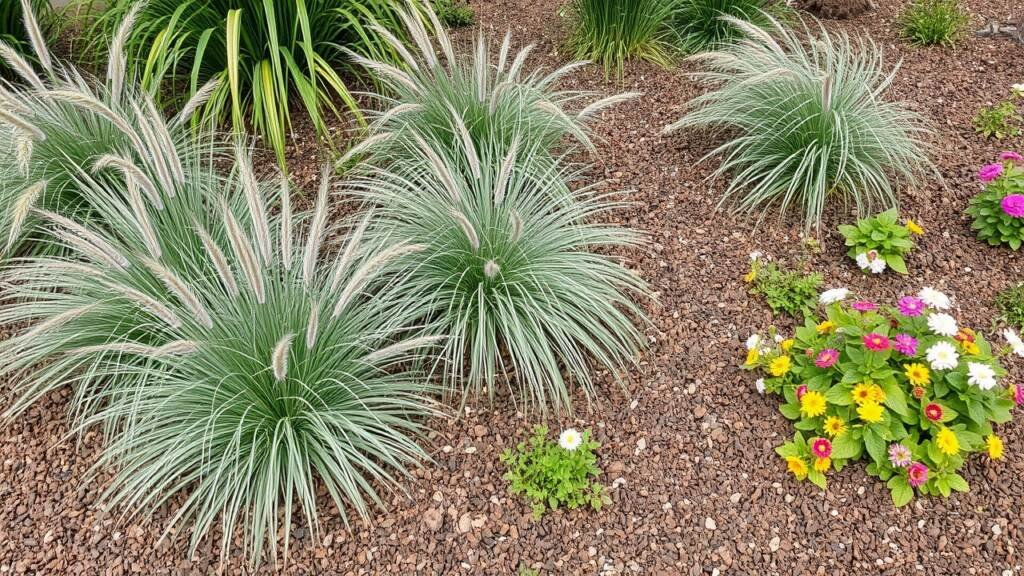
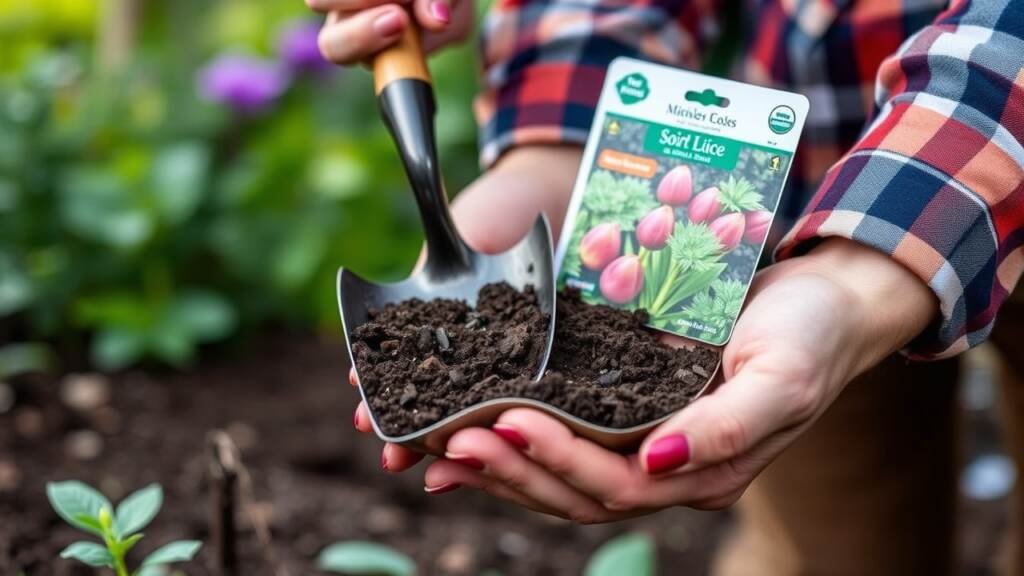
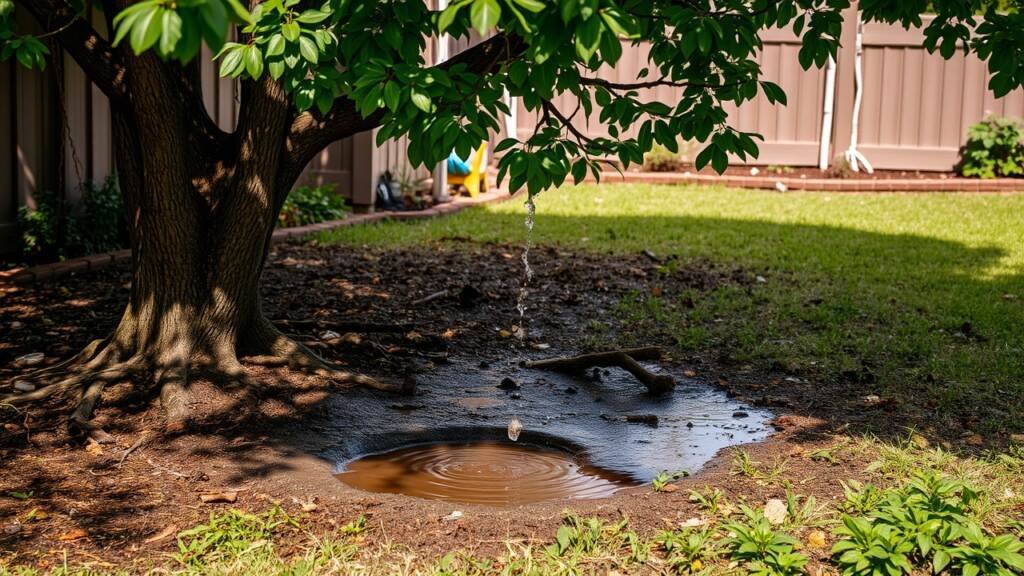
One of the most pervasive common landscape design mistakes is ignoring soil type during plant selection, which can lead to struggling plants and a lack of garden look. A successful landscape hinges on choosing plants that thrive in your garden’s specific soil conditions. Before you begin your landscaping project, assess your soil’s composition and drainage. Select plants that are naturally suited to your soil to minimize the need for amendments and ensure a thriving, sustainable landscape. This thoughtful plant selection will save you from costly mistakes down the road.
Common Planting Mistakes in Garden Design
Many common landscape design mistakes stem from improper planting techniques. Failing to consider mature size is a frequent oversight; trees and shrubs can quickly outgrow their allotted space, leading to overcrowding and the need to prune excessively. Incorrect planting depth can also be detrimental; planting too deep can suffocate roots, while planting too shallow can leave them exposed. Always research the specific needs of your plants and follow proper planting guidelines to ensure a healthy start for your beautiful garden.
How to Avoid Overcrowding with Shrubs and Hedges
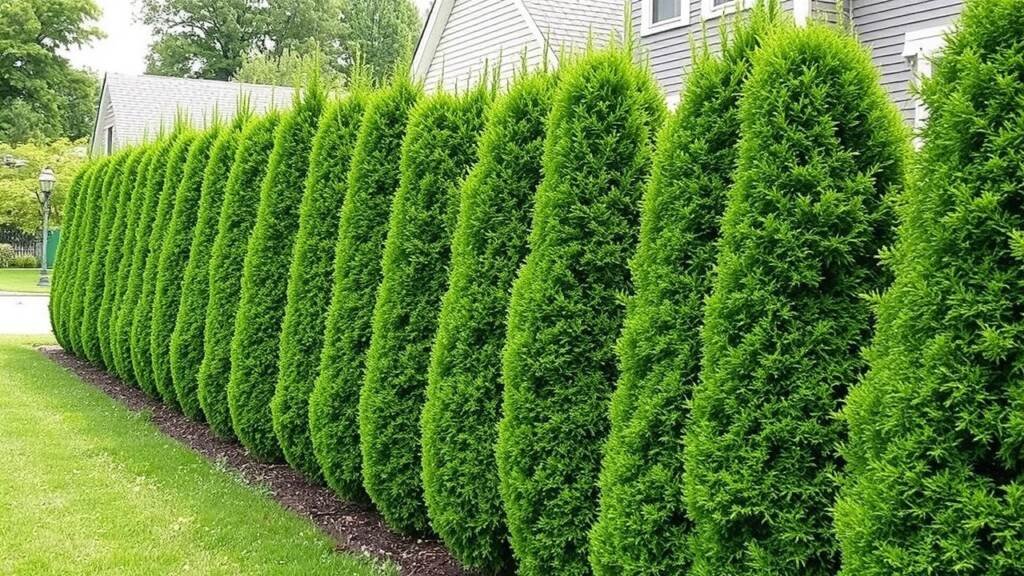
Overcrowding is among the common landscaping mistakes that can diminish the beauty and functionality of your outdoor space. When designing your landscape, carefully consider the mature size of shrubs and hedges. Allow ample space for plants to grow to their full potential without encroaching on walkways, structures, or other plants to ensure the entire landscape flourishes. Regular pruning can help maintain shape and size, but proper spacing from the outset will prevent the need for drastic measures and maintain a cohesive garden design. If you’re landscaping, consider using low-maintenance plants.
Lawn Care and Maintenance Errors
Common Lawn Care Mistakes
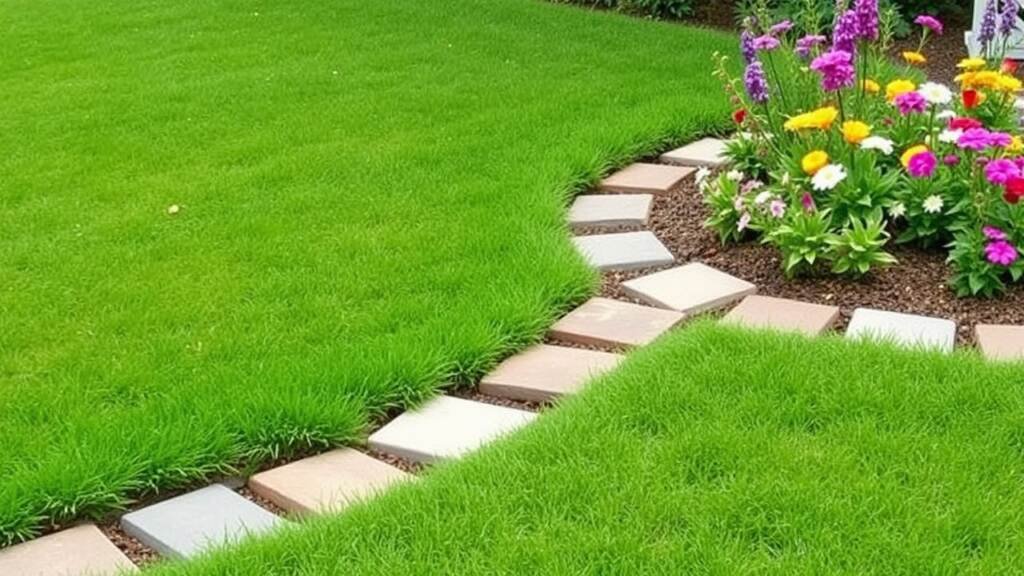
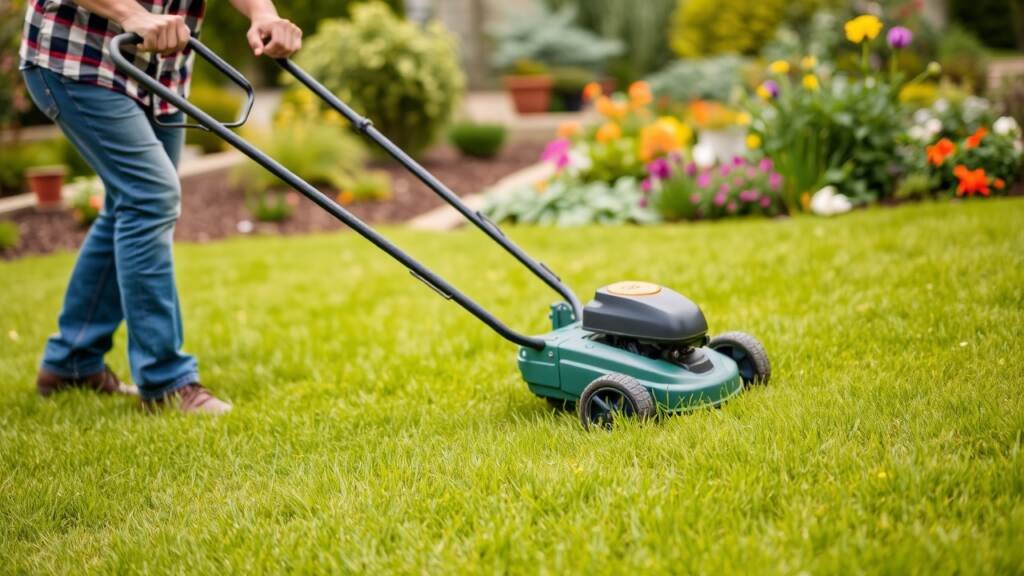
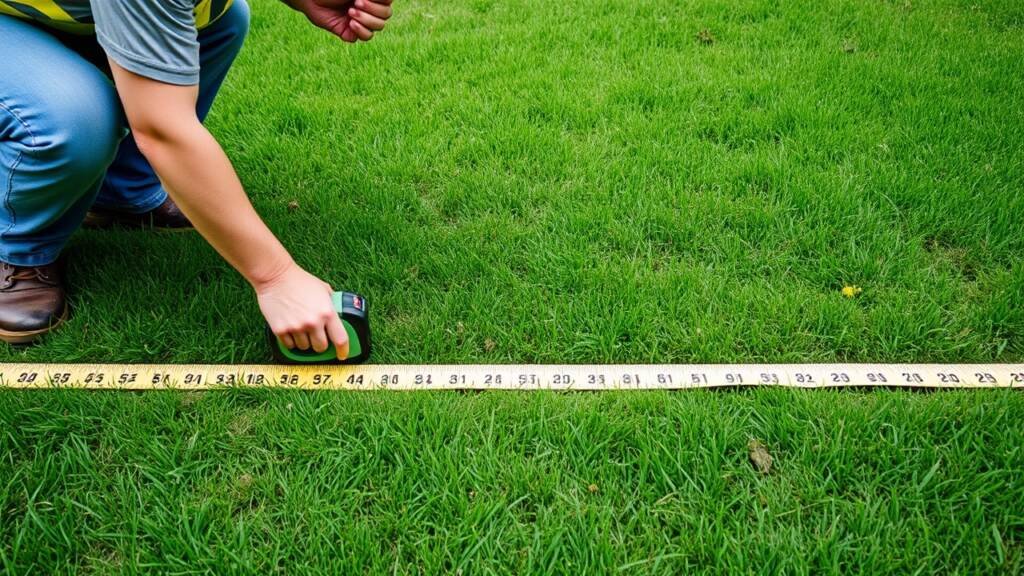
Many homeowners commit common landscape design mistakes in lawn care, leading to a less than stellar outdoor space without a plan. Improper mowing heights can stress the grass, making it susceptible to disease and weeds. Over or under watering can also significantly impact lawn health. Neglecting to aerate the lawn can lead to soil compaction, hindering root growth. Finally, inconsistent fertilization can result in nutrient imbalances, leaving your lawn vulnerable. Avoiding these mistakes will ensure a lush, vibrant lawn that enhances your landscape, providing tips on how to avoid common pitfalls.
Pruning Mistakes That Can Ruin Your Landscape
Pruning is essential for maintaining the health and aesthetics of your landscape, but incorrect techniques can lead to significant damage. One of the common landscaping mistakes is improper timing; pruning at the wrong time of year can stress trees and shrubs, making them susceptible to pests and diseases. Over-pruning can also weaken plants and ruin their natural shape, which is a mistake to steer clear of in your home design. Use sharp, clean tools to avoid spreading diseases, and always make cuts at the correct angle. Steering clear of these common mistakes will keep your landscape thriving.
Creating a Low-Maintenance Lawn
A low-maintenance lawn doesn’t have to be a dream landscape; with the right tips on how to avoid common mistakes, it can be a reality. Selecting the right grass species for your climate and soil type is crucial. Incorporate drought-tolerant varieties that require less watering. Regular mulching helps retain moisture and suppress weeds, reducing the need for frequent lawn care. Embrace slow-release fertilizers to minimize nutrient runoff and promote steady growth. By implementing these strategies, you can enjoy a beautiful lawn with minimal effort. Consider consulting a landscape designer for additional design tips.
Designing Focal Points in Your Landscape
Importance of Focal Points in Landscaping Design
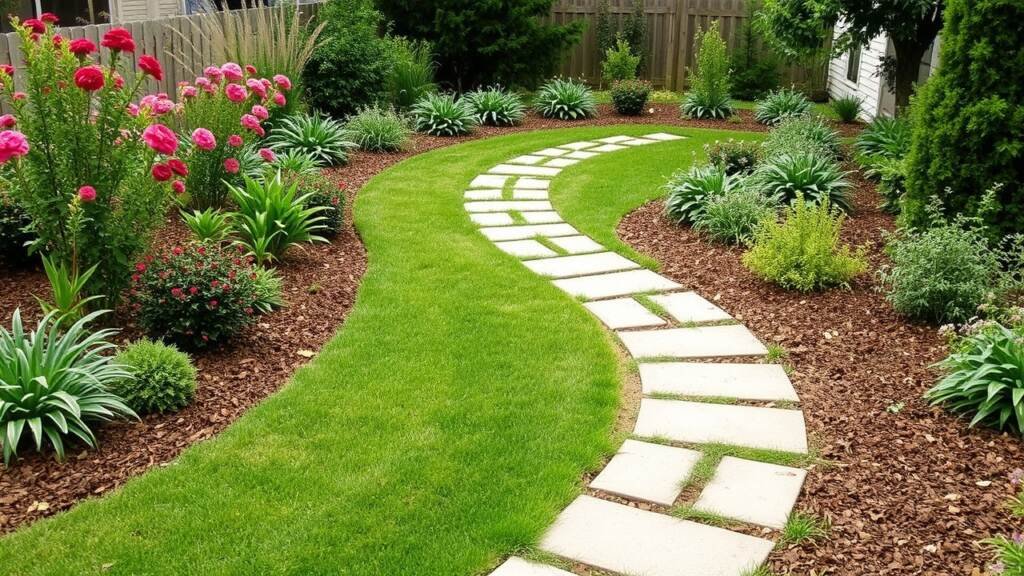
Focal points are essential design elements in any landscaping design, drawing the eye and creating visual interest in your entire landscape. A well-placed focal point can transform an ordinary outdoor space into a captivating garden. These design elements provide a sense of direction and organization, guiding visitors through your garden. Whether it’s a striking sculpture, vibrant planting beds, or elegant water features, focal points add depth and personality to your landscape. Avoiding mistakes by creating these focal points will elevate the overall aesthetic of your landscaping project.
How to Create Symmetrical Designs
Symmetry is a powerful design element that brings balance and harmony to your landscape. To create symmetrical landscaping design, mirror elements on either side of a central axis. This could include matching planting beds, identical trees and shrubs, or paired planters. Ensure that the sizes, shapes, and colors of plants and hardscape materials are consistent to maintain the symmetrical effect. Symmetrical designs create a sense of order and formality, enhancing the overall appeal of your beautiful garden.
Utilizing Planters and Pots Effectively
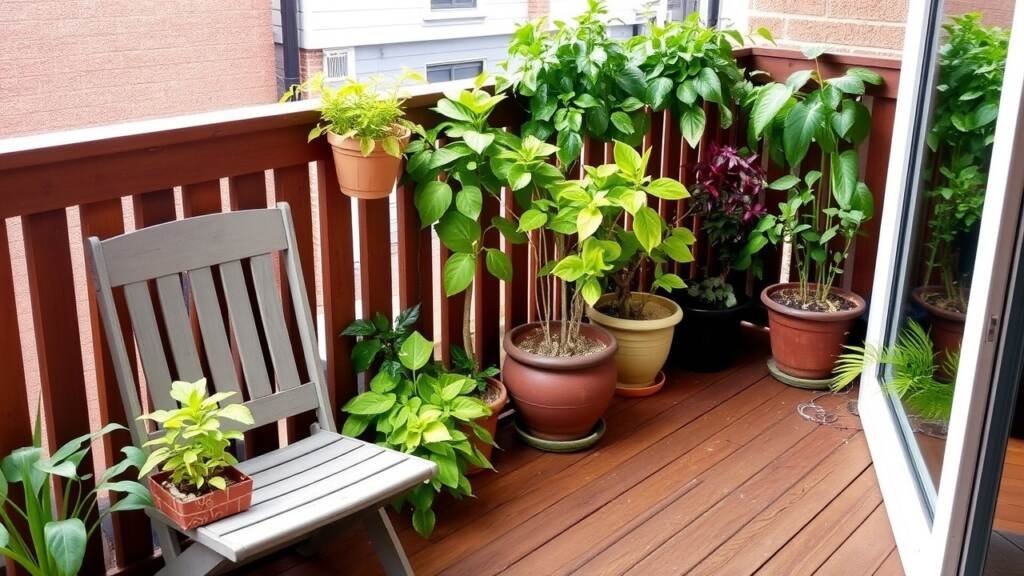
Planters and pots are versatile tools for adding color, texture, and height to your landscape, especially when used thoughtfully to avoid garden design mistakes. Use them to create focal points on patios, decks, or near entryways. Choose planters that complement your home’s architectural style and the surrounding landscape. Group planters of varying sizes and shapes to create visual interest, and select perennial plants that thrive in containers for a vibrant garden look. Remember to provide adequate drainage and use high-quality potting mix for optimal plant health, as these tips on how to avoid common mistakes are crucial for a successful garden. With careful planning, planters can transform your outdoor space into a vibrant and inviting garden.
Foundation Planting and Its Mistakes
What is Foundation Planting?
Foundation planting involves strategically planting trees and shrubs near the base of your home to enhance its aesthetics and create a cohesive look. Effective foundation planting softens the transition between the building and the landscape, making your home appear more inviting. It can also provide practical benefits such as shading walls, protecting the foundation, and improving curb appeal. The goal is to integrate your home seamlessly into the surrounding garden design, showcasing the beauty of your beautiful garden.
Common Foundation Planting Mistakes to Avoid
Several common landscape design mistakes occur in foundation planting, including planting trees and shrubs that will outgrow their space, blocking windows or doorways. Ignoring soil type and sunlight exposure is another frequent error. Poor layout can lead to an unbalanced or cluttered appearance. Select low-maintenance shrubs and evergreen varieties that complement your home’s style. By avoiding these common landscaping mistakes, you can create a visually appealing and functional foundation planting.
Strategies for Effective Foundation Planting
For effective foundation planting, start by assessing your home’s architectural style and the available space. Choose plants that complement the building’s design and won’t overwhelm the area when they reach mature size. Consider factors like soil type, sunlight exposure, and drainage. Incorporate a mix of textures and heights to add visual interest. Regular pruning is essential to maintain shape and prevent overcrowding. These tips will ensure a well-designed foundation planting that enhances your landscape.
Final Tips for Successful Landscape Design
Making Your Garden Sustainable
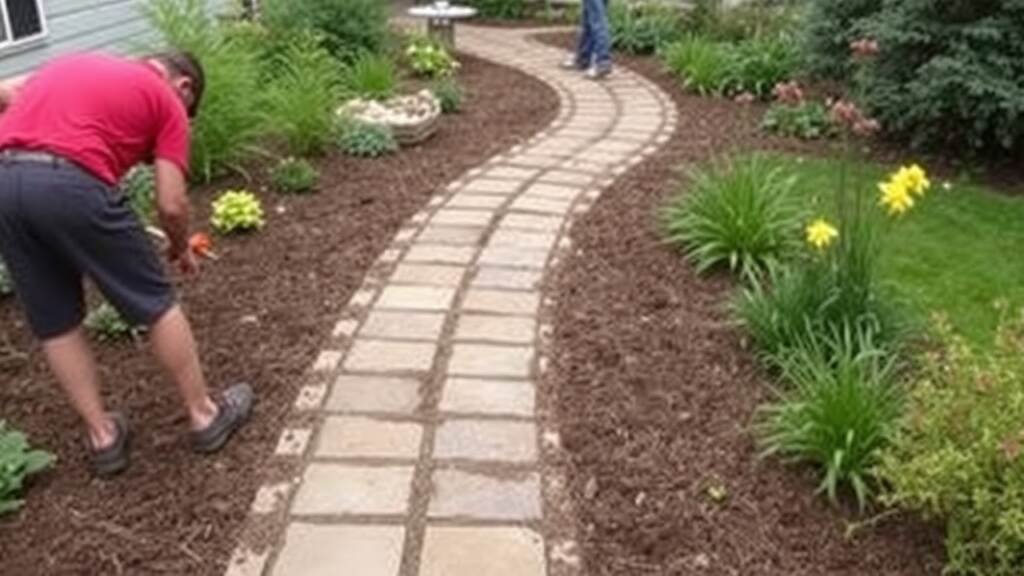
Creating a sustainable landscape involves practices that minimize environmental impact and promote long-term health. Choose native plants that are well-suited to your local climate and require less water and fertilizer. Implement water-wise irrigation techniques, such as drip irrigation, to conserve water. Reduce lawn areas and replace them with drought-tolerant groundcovers or planting beds. Use organic mulch to suppress weeds and improve soil health. By embracing these strategies, you can make your garden both beautiful and environmentally friendly.
Consulting a Landscape Designer
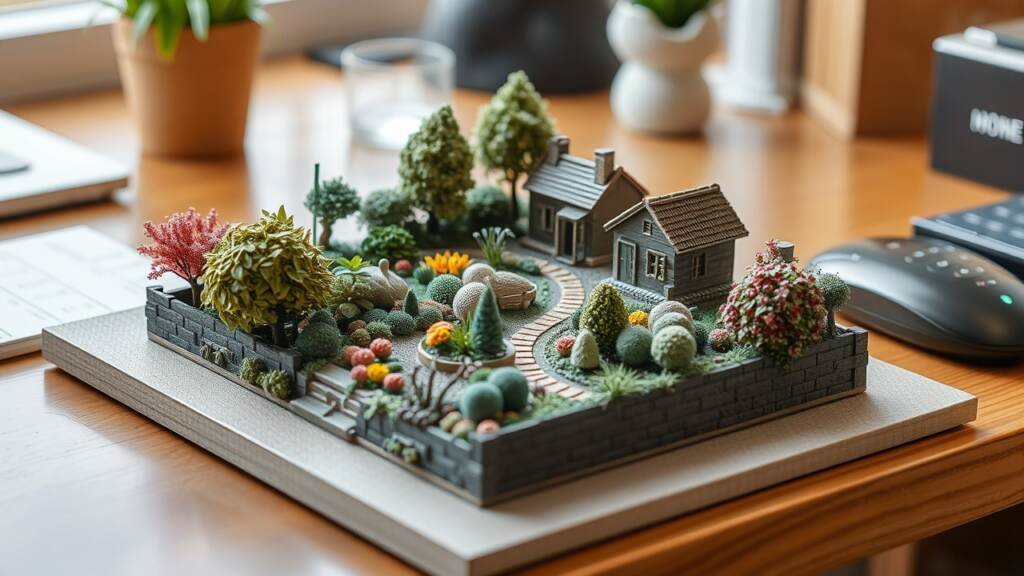
When planning a landscaping project, consulting a landscape designer can provide invaluable expertise and guidance. A garden designer can help you develop a cohesive design that meets your needs and preferences. They can assess your site conditions, recommend suitable plants, and create a layout that maximizes the potential of your outdoor space. Whether you’re landscaping a small backyard or a large estate, a landscape designer can help you avoid costly mistakes and achieve a stunning result in your home design.
Continuous Learning and Adaptation
The field of landscape design is constantly evolving, so continuous learning and adaptation are crucial for homeowner success. Stay updated on new plant varieties, sustainable practices, and innovative design elements. Attend workshops, read garden design books, and explore online resources to expand your knowledge. Experiment with different techniques and observe how your garden responds. Embracing a mindset of continuous learning will help you refine your skills and create a beautiful garden that evolves with your changing needs and preferences. Destiny Landscape is a professional landscaping company that specializes in high-quality outdoor designs and lawn care, stay tuned for more design tips.