Embarking on a landscaping project can transform your outdoor space into a personal oasis. Whether you’re a homeowner eager to improve the landscape of your front yard or seeking a beginner’s guide to garden design, understanding the fundamentals is key. This guide will help you navigate the landscape design process, ensuring that your new landscape is both beautiful and functional.
Understanding Landscape Design
What is Landscape Design?
Landscape design is more than just planting flowers; it’s the art of creating an outdoor space that harmonizes with its surroundings. It involves developing a design plan that incorporates various elements such as trees and shrubs, garden beds, and hardscape features like walkways and trellises. A landscape designer or landscape architect considers the overall aesthetic, functionality, and sustainability of the garden space to create a cohesive and visually appealing residential landscape.
The Importance of Landscape in Garden Planning
Careful planning is crucial for a good landscape design. A well-thought-out landscape plan ensures that your garden design is not only aesthetically pleasing but also practical and sustainable. Planning a landscape involves considering factors like soil type, sunlight exposure, and water availability. This approach helps guide the placement of plants and other landscape features, ensuring they grow well and contribute to the overall visual impact of your garden.
Key Elements of Effective Landscape Design
Effective landscape design considers several key elements. These elements include careful plant selection, which should consider the following:
- Annuals and perennials
- Evergreens
- Native plants that thrive in your local climate
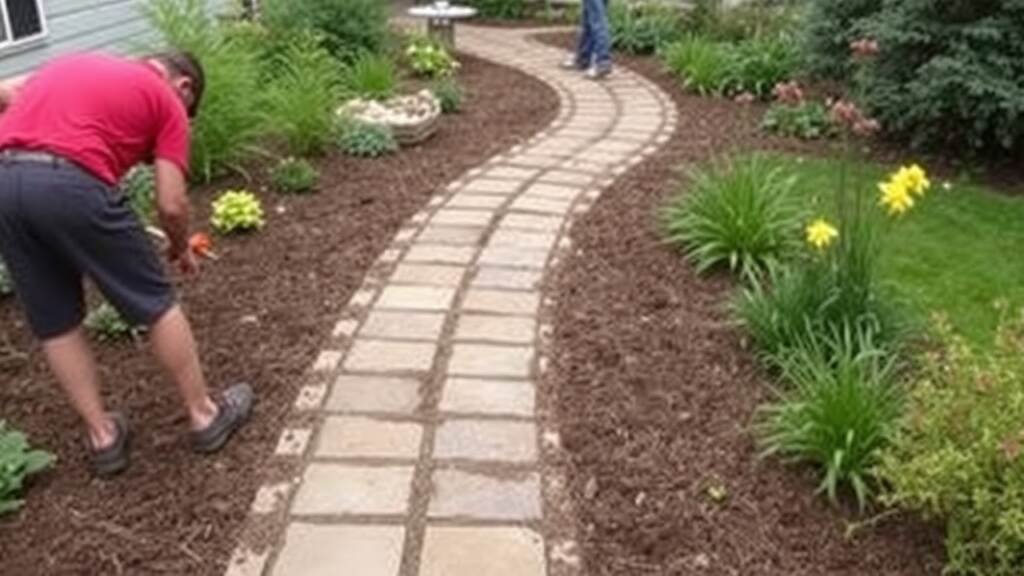
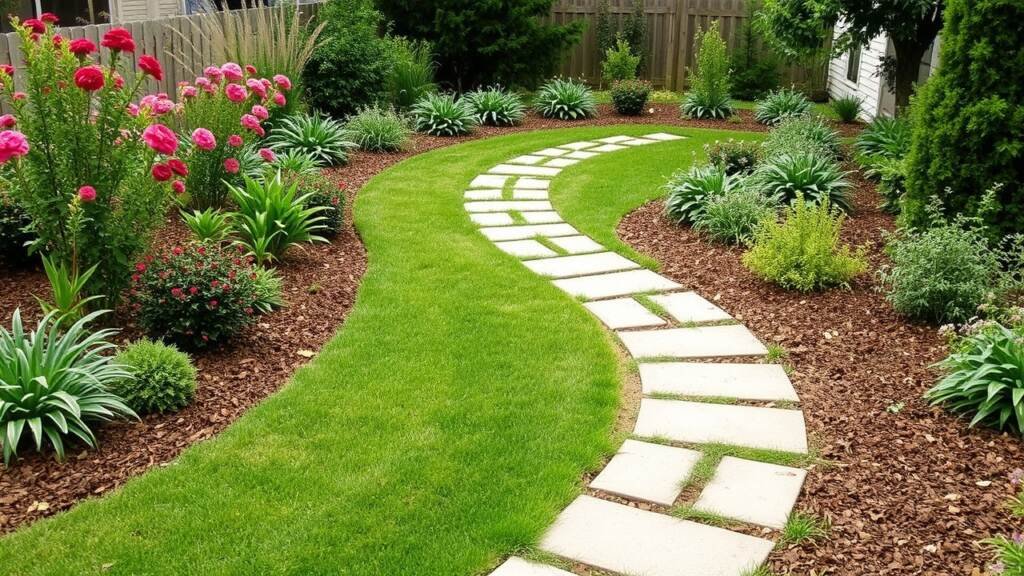
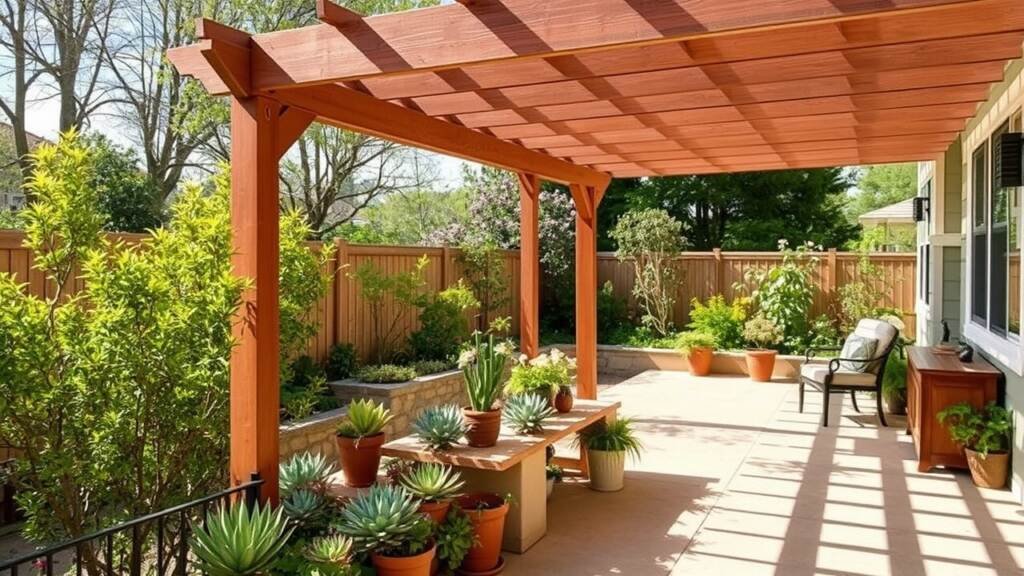
Beyond plants, effective design also thinks about the hardscape, including elements like walkways and patios, which provide structure and functionality within a landscape. Additionally, consider the need for irrigation to maintain your plants, and remember to pay attention to colors and textures to create visual interest. By balancing these elements, you can create a landscape that enhances your outdoor space.
Planning Your Garden
Steps to Design a Landscape
Embarking on a landscaping project starts with a solid design process. The initial steps are crucial and involve:
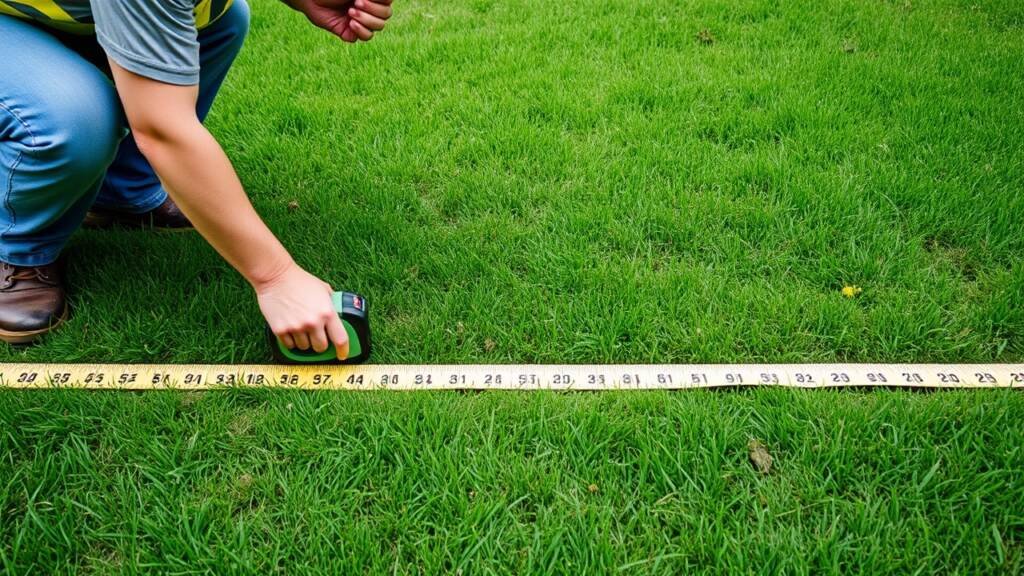
- Assessing your existing landscape to identify areas for improvement.
- Brainstorming landscape design ideas, considering the type of garden you desire.
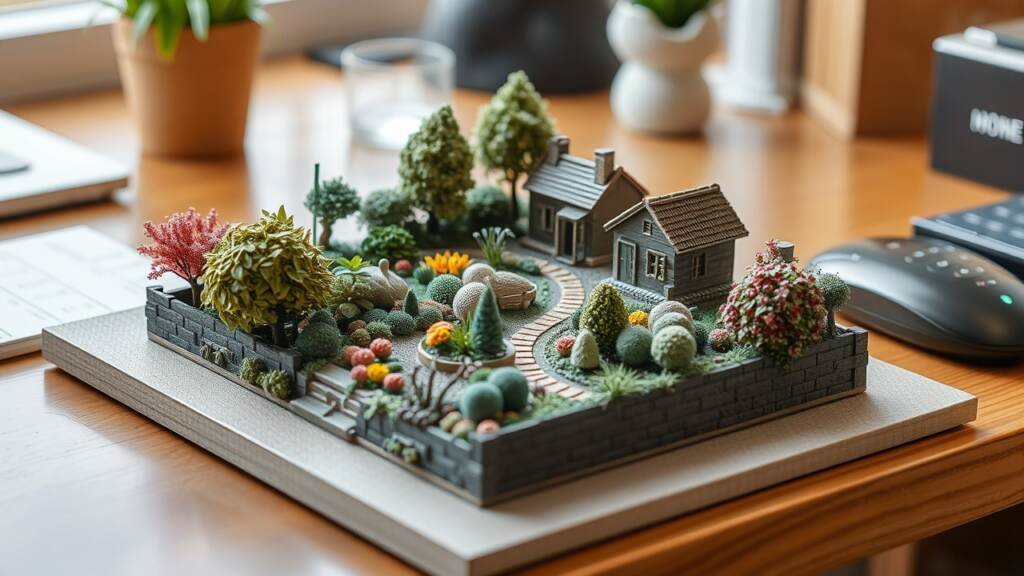
Develop a landscape plan that incorporates your vision, noting the placement of plants, shrubs, and hardscape features. Consider the overall symmetry and balance in your new landscape to ensure a visually appealing outdoor space. This landscape design plan will serve as your roadmap, guiding every step of the way and ensuring your design becomes a reality.
Choosing the Right Outdoor Space
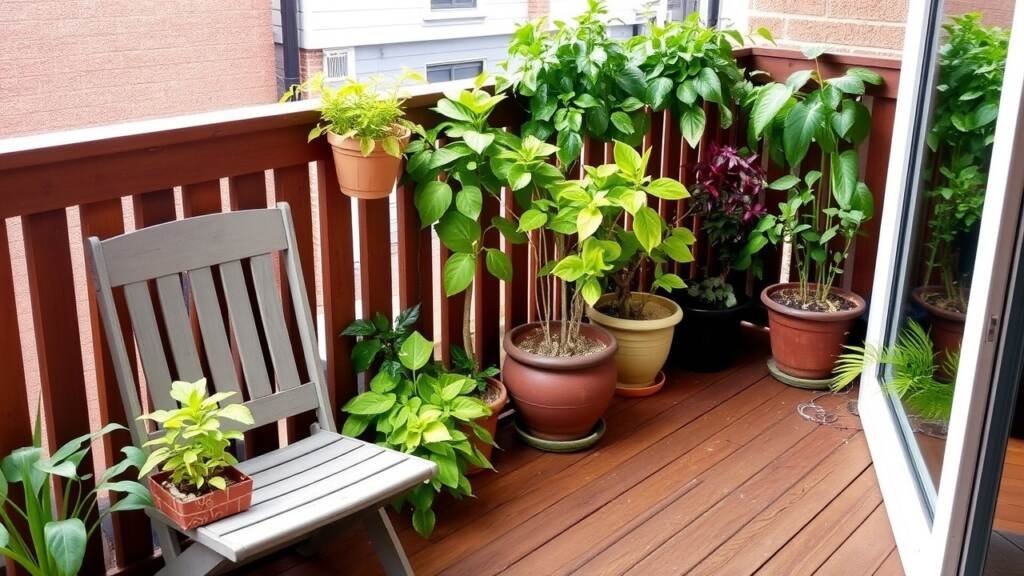
Selecting the right outdoor space is crucial for any garden design. Evaluate your front yard or backyard, considering factors like sunlight, soil quality, and water availability. Understanding these elements will help guide the choice of garden plants and landscape features. If you have limited space, consider vertical gardening or container planting. For larger areas, think about creating distinct garden beds and lawn areas. Working with the natural features of your landscape will enhance the overall appeal and ensure your garden space thrives. By choosing the right outdoor space, you are laying the foundation for a successful and beautiful garden.
Factors to Consider When Planting Trees
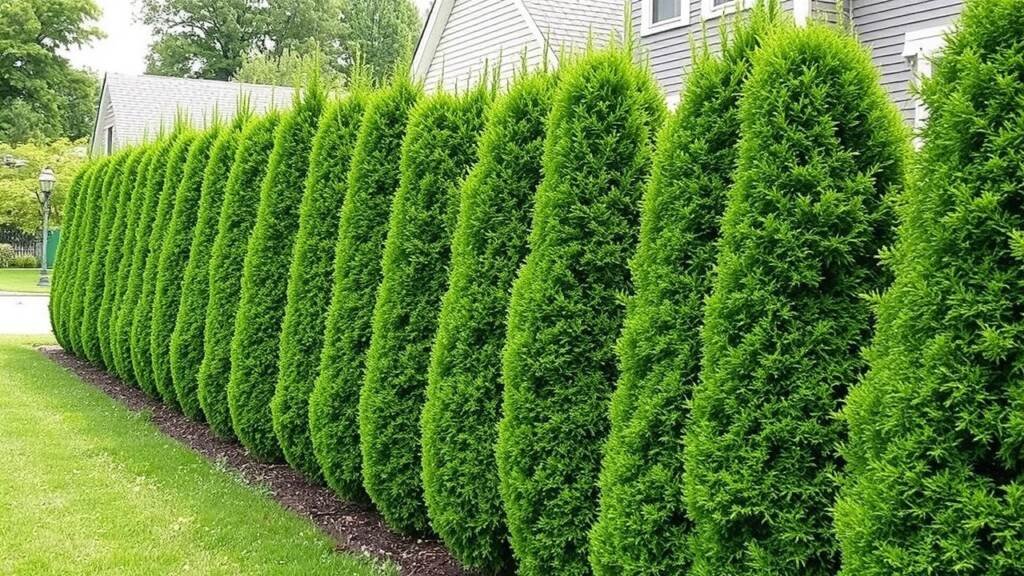
Planting trees is a significant decision in landscape architecture, impacting the landscape for years to come. When planning a landscape that includes trees and shrubs, consider factors like mature size, sun exposure, and soil type. Choose plants, like native plants, that are well-suited to your local climate to ensure they grow well. Deciding what kind of plants will grow in the soil is important. Think about the tree’s purpose – is it for shade, privacy, or visual interest? Remember to factor in landscape maintenance; some trees require more care than others. Consulting with a landscape designer or garden center can help guide your choices and ensure successfully planting trees in your garden. Properly planned, trees create focal points within a landscape.
Hiring a Professional Landscape Architect
When to Hire a Landscape Designer
Deciding when to hire a professional landscape designer or a landscape architect depends on the complexity of your landscaping project. If your goal is a simple garden design, like adding a few garden beds or planting a hedge, you may not need professional assistance. However, for more extensive projects that involve significant changes to your outdoor space, such as creating a new landscape with intricate hardscape elements, altering the grade, or installing an irrigation system, consulting a landscape architect is highly recommended. A landscape designer can help you develop a comprehensive landscape plan and ensure your vision becomes a reality, particularly when dealing with challenging or large-scale projects.
What to Expect from a Landscape Architect
When you hire a landscape architect, you can expect a comprehensive design process. This process begins with an initial consultation to discuss your landscape design ideas and goals. The landscape architect will assess your existing landscape, considering factors such as soil type, sun exposure, and drainage, and develop a design plan. You can typically expect the following deliverables:
- Detailed drawings
- Specifications for plants, shrubs, and hardscape materials
- A timeline for the project
A good landscape design should also include ongoing support during the installation phase to ensure the landscape design plan is followed accurately and that your vision comes to life.
Questions to Ask Before Hiring
Before hiring a landscape architect or landscape contractor, it’s essential to ask the right questions to ensure they are the right fit for your project. Inquire about their experience with similar types of gardens and landscaping projects. Ask to see examples of their previous work, focusing on residential landscape designs. Discuss their design process, including how they handle site analysis, design development, and project management. Clarify their fees and payment schedule, and ensure you have a clear understanding of the scope of work. Also, ask about their knowledge of native plants and sustainable landscape practices. Choosing a landscape architect who is experienced, knowledgeable, and communicative will contribute to the success of your new landscape and improve the landscape of your outdoor space.
Landscape Maintenance Essentials
Understanding Landscape Maintenance
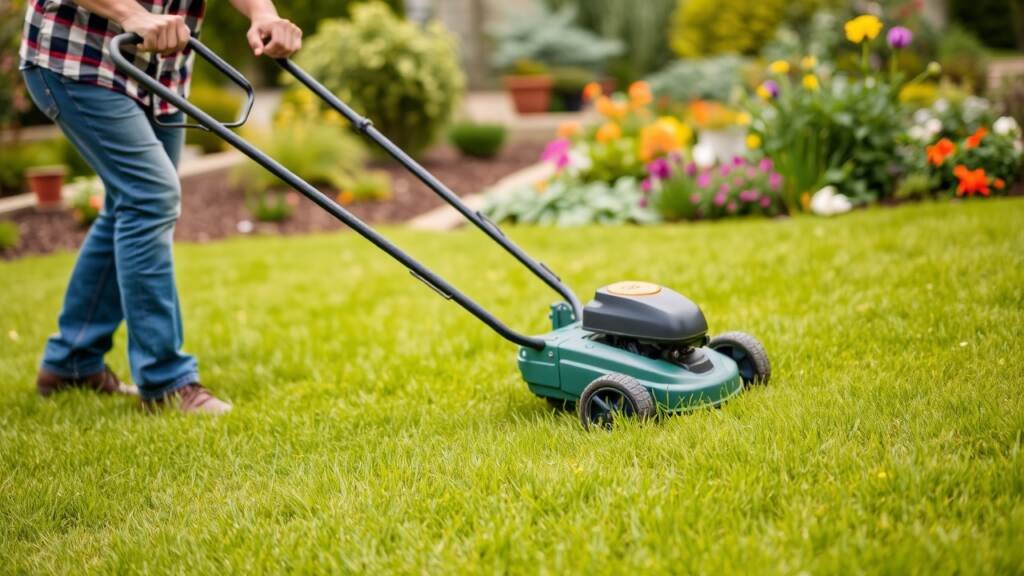
Effective landscape maintenance is key to preserving the beauty and health of your garden. A well-maintained landscape enhances the appeal of your outdoor space and protects your investment. Landscape maintenance includes regular lawn care, shrub pruning, weed control, and seasonal clean-up. It’s important to manage existing landscape features and ensure the long-term viability of the garden. By understanding the fundamentals of landscape maintenance, homeowners can keep their landscape looking its best and prevent costly problems down the road. Regular landscape maintenance will also help your chosen plants grow well for years to come.
Tips for Maintaining Your Garden
To properly maintain your garden, it’s essential to establish a routine landscape maintenance schedule. Regular irrigation is crucial, especially during dry periods, to ensure your plants receive adequate water. Pruning shrubs and trees promotes healthy growth and maintains their shape. Fertilizing plants provides them with the nutrients they need to thrive. Keep an eye out for pests and diseases, addressing any issues promptly to prevent them from spreading. Mulching garden beds helps retain moisture, suppress weeds, and regulate soil temperature. By following these landscape maintenance tips, you can keep your garden thriving throughout the year and improve the landscape of your front yard.
Common Landscape Maintenance Mistakes
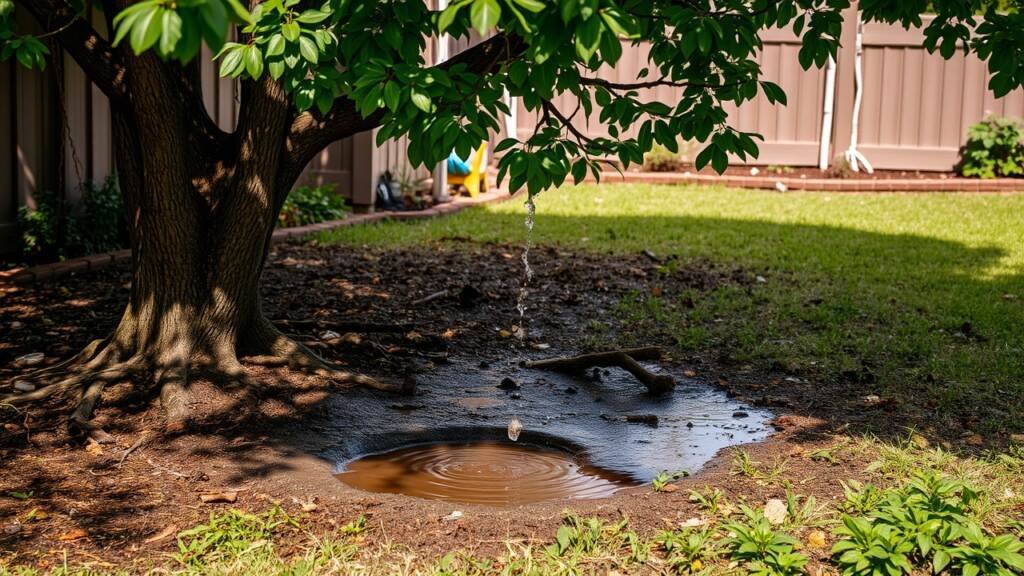
Several common mistakes can undermine your landscape maintenance efforts. One frequent error is overwatering or underwatering plants, both of which can lead to plant stress and disease. Neglecting to prune shrubs and trees can result in overgrown, unsightly plants. Ignoring weed control allows weeds to compete with your plants for resources. Failing to address soil issues, such as poor drainage or nutrient deficiencies, can hinder plant growth. Overlooking landscape maintenance tasks can lead to a decline in the overall health and appearance of your garden space. Avoiding these mistakes ensures your landscape remains vibrant and healthy and that your plants grow well.
The Difference Between a Landscape Designer and a Landscape Architect
Roles and Responsibilities
While both landscape designers and landscape architects work to enhance outdoor spaces, their roles and responsibilities differ. A landscape designer focuses on the aesthetic and functional aspects of a residential landscape. They create design plans that incorporate garden design ideas, garden beds, and hardscape elements. A landscape architect, on the other hand, has a broader scope and is trained in landscape architecture. They can handle larger-scale projects, such as parks, commercial developments, and urban planning. Landscape architects are also qualified to address environmental and regulatory issues, making them essential for complex projects.
Qualifications and Certifications
Landscape architects typically require a professional degree in landscape architecture and must be licensed to practice. This education equips them with knowledge in areas such as site planning, grading, drainage, and environmental design. Landscape designers may have formal training in horticulture or landscape design, but they are not typically licensed. Certifications, such as those offered by professional organizations, can demonstrate a landscape designer’s expertise and commitment to quality. When hiring a landscape designer or landscape architect, it’s important to verify their qualifications and experience to ensure they can meet the needs of your landscaping project. It’s important to choose plants, native plants, with the help of a knowledgeable professional.
Choosing the Right Professional for Your Needs
Selecting the right professional depends on the scope and complexity of your landscaping project. For simple garden design improvements, such as adding garden plants or creating planting beds, a landscape designer may suffice. However, for extensive projects that involve significant changes to the site, such as grading, drainage, or structural elements, a landscape architect is necessary. Consider your budget, timeline, and specific design goals when making your decision. Obtain multiple bids and review portfolios to assess the quality of their work. A good landscape design will consider whether your plants grow well in the area.
- Smart Lawn Mowing Robots: The Future of Effortless Lawn Care in the U.S.
- Yard Drainage: Ways to Improve Drainage & Solutions for Your Lawn
- Year-Round Lawn Care Calendar: Seasonal Secrets for a Healthy, Lush Yard
- Best Plants and Flowers for Tropical Landscapes
- Expert Lawn Care Tips for a Healthy, Green Yard