Is your lawn suffering from excess water? Do you notice standing water long after it rains? Effective drainage is crucial for maintaining a healthy and beautiful landscape. Ignoring drainage issues can lead to significant damage to your landscape and even your home’s foundation. This article explores various landscape drainage solutions to prevent water accumulation and ensure proper drainage around your property.
Understanding Drainage Problems
A well-designed landscape should not only be aesthetically pleasing but also functional, with a robust drainage system to manage rainwater effectively. Many homeowners face challenges with poor drainage, leading to standing water, soil erosion, and damage to their lawns and gardens. Understanding the root causes of these problems is the first step toward implementing effective drainage solutions for your yard.
Common Types of Drainage Issues
Here are several factors that can contribute to drainage problems in your yard. These often include issues such as:
- Improper grading, where the slope of the land doesn’t allow water to flow away from your home.
- Clogged downspouts, which can cause water to pool around the foundation.
- Compacted soil, preventing water from being absorbed and leading to standing water on the lawn.
Identifying the specific type of drainage issue is essential for selecting the right drainage solution.
Identifying Standing Water in Your Yard
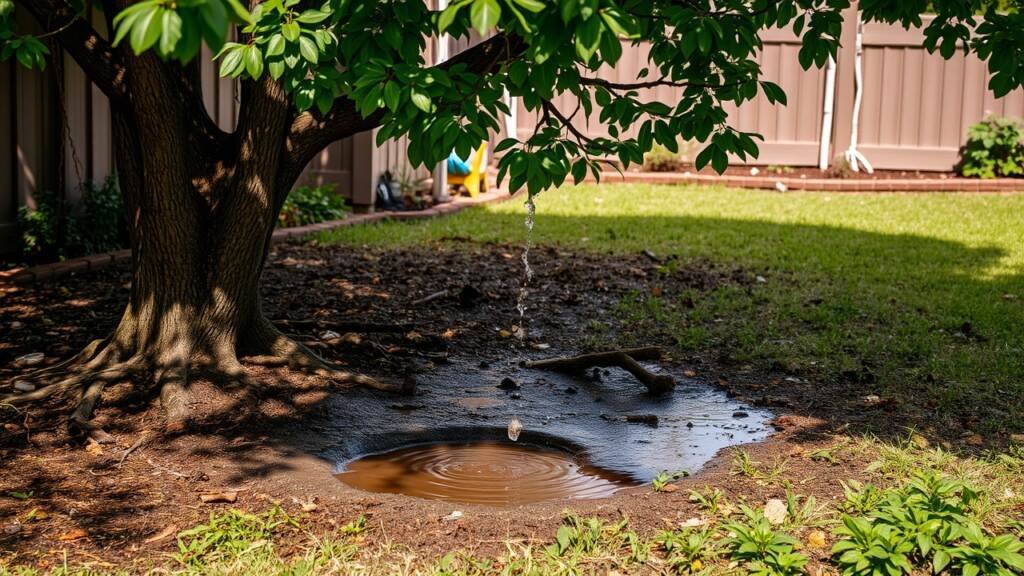
Standing water is a clear sign of a drainage problem. Look for areas where water accumulates after rain, especially near the foundation, in low-lying spots, or on the lawn. Check if the grass is consistently soggy or if there are patches of dead grass. These are indicators of poor drainage. By identifying where standing water is a problem, you can better plan for a yard drainage solution and implement an effective drainage system.
Consequences of Poor Drainage
Poor drainage can lead to a host of problems. These include:
- Soil erosion
- Damage to your landscape
- Structural damage to your home
Excess water can weaken the foundation, attract pests, and create a breeding ground for mosquitoes. Additionally, it can kill plants and grass, resulting in an unsightly and unhealthy lawn. Addressing drainage issues promptly is crucial to protect your property and maintain its value.
Types of Landscape Drainage Solutions
Yard Drainage Solutions Overview
When dealing with drainage issues in your landscape, several drainage solutions for your yard are available to homeowners. The best type of yard drainage solution will depend on the specifics of the drainage problem, the slope of your lawn, and the amount of excess water you need to manage. Proper landscape drainage is essential for maintaining a healthy and vibrant lawn, preventing water from accumulating, and allowing water to drain away from your home. Destiny Landscape offers irrigation and water-efficient landscape solutions.
Installing a French Drain
A french drain is a common yard drainage solution to redirect water from areas where it tends to pool. This drainage system typically involves digging a trench, lining it with fabric, and filling it with gravel. A perforated pipe is placed within the gravel to drain excess water away from the foundation and discharge it to a more suitable location. Installing a french drain can be highly effective in preventing damage to your landscape and ensuring proper drainage.
Utilizing a Dry Creek Bed
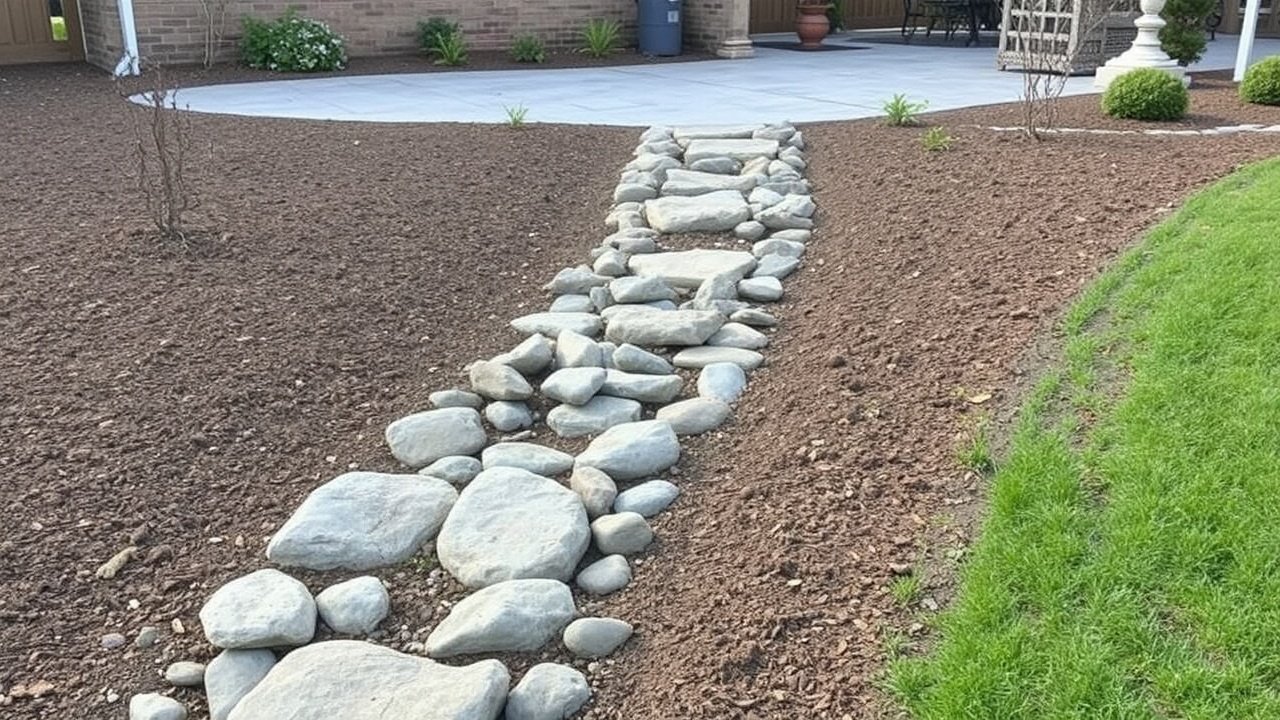
A dry creek bed serves as both a functional drainage solution and an attractive landscape design feature. This involves creating a channel lined with rocks and gravel to mimic a natural creek bed. During heavy rains, the dry creek bed channels water flow away from your home and vulnerable areas, preventing soil erosion and standing water. When dry, it adds visual interest to your landscape. Utilizing a dry creek is a creative and effective drainage approach.
Effective Yard Drainage Systems
Importance of Downspouts and Extensions
Downspouts play a vital role in your drain system by channeling rainwater away from your home’s foundation. However, if downspouts discharge water too close to the foundation, it can lead to drainage problems. Adding extensions to downspouts helps direct water further away from your home, preventing water from pooling and causing damage to your landscape. Ensuring your downspouts are properly positioned is crucial for proper drainage.
Incorporating a Rain Garden
A rain garden is a designed landscape area that collects rainwater runoff from roofs, driveways, and other impervious surfaces. By creating a shallow depression filled with native plants, a rain garden can effectively absorb excess water and reduce standing water on your lawn. This drainage solution not only improves drainage but also enhances the beauty of your yard while promoting environmental sustainability. Incorporating a rain garden is an innovative landscape drainage solution.
Understanding Grading and Slope for Proper Drainage
Grading and slope are fundamental aspects of landscape design for achieving proper drainage. The ground should slope away from your home to allow water to flow naturally. Improper grading can lead to standing water and soil erosion. If your yard has poor drainage due to incorrect slope, regrading may be necessary. Consulting with professional drainage experts can help ensure optimal grading for effective drainage.
Creative Landscaping for Drainage
Designing Swales for Water Management
Swales are shallow, vegetated channels designed to manage water flow and improve drainage in your landscape. As a natural drainage solution, they slow down rainwater runoff, allowing water to infiltrate the soil. A swale can redirect water away from problem areas, prevent soil erosion, and enhance the overall aesthetics of your lawn. Designing a swale requires careful consideration of the slope, soil type, and vegetation to ensure its effectiveness as part of your landscape drainage system.
Integrating Rain Barrels into Your Landscape
Integrating rain barrel systems into your landscape is an eco-friendly drainage solution. Rain barrels collect rainwater from downspouts, storing it for later use in irrigation. This reduces excess water runoff, alleviating drainage issues and conserving water. Strategically placing rain barrels can prevent water from pooling near the foundation, safeguarding against potential damage to your landscape. This type of drainage approach supports sustainable landscape practices.
Using Lawn and Grass for Natural Drainage
Your lawn itself can play a significant role in drainage. Healthy grass promotes better soil infiltration, reducing standing water and soil erosion. Aerating the lawn improves drainage by creating pathways for water to penetrate the soil more effectively. Selecting the right type of grass for your climate and soil conditions can also enhance natural drainage, contributing to a healthier and more resilient landscape. This helps allow water to drain naturally.
Professional Drainage Solutions
When to Consult a Professional
While many drainage problems can be addressed with DIY solutions, some situations require the expertise of professional drainage experts. If you’re dealing with persistent standing water, structural issues, or complex grading challenges, consulting a professional is advisable. A professional drainage specialist can assess your landscape, identify the root causes of poor drainage, and recommend the most effective drainage solutions for your yard, ensuring long-term protection for your property.
Choosing the Right Drainage System for Your Landscape
Selecting the right drainage system is crucial for effective drainage. The best drainage solution depends on several factors, including the slope of your lawn, the amount of excess water, and the soil type. Options range from french drain systems and underground drainage systems to yard drains and catch basin installations. A professional drainage expert can evaluate your specific needs and recommend the most suitable type of yard drainage solution, such as installing a perforated pipe to redirect water.
Cost Considerations for Professional Drainage Installation
The cost of professional drainage installation varies depending on the complexity of the drainage problem and the chosen drainage solution. Factors influencing cost include the size of the area, the type of drainage system, and labor expenses. While DIY solutions may seem more affordable upfront, professional drainage installation ensures proper drainage and prevents costly water damage in the long run. Destiny Landscape specializes in high-quality outdoor design and maintenance solutions for residential and commercial properties.