Achieving a lush, vibrant yard starts with proper lawn care, and topdressing is a vital technique to improve your soil and overall lawn health. This guide will walk you through the process of topdressing your lawn with sand, helping you create a beautiful outdoor space. Whether you’re dealing with uneven surfaces or want to boost your lawn’s vigor, understanding how to top dress a lawn effectively is the key.
Understanding Topdressing

What is Topdressing?
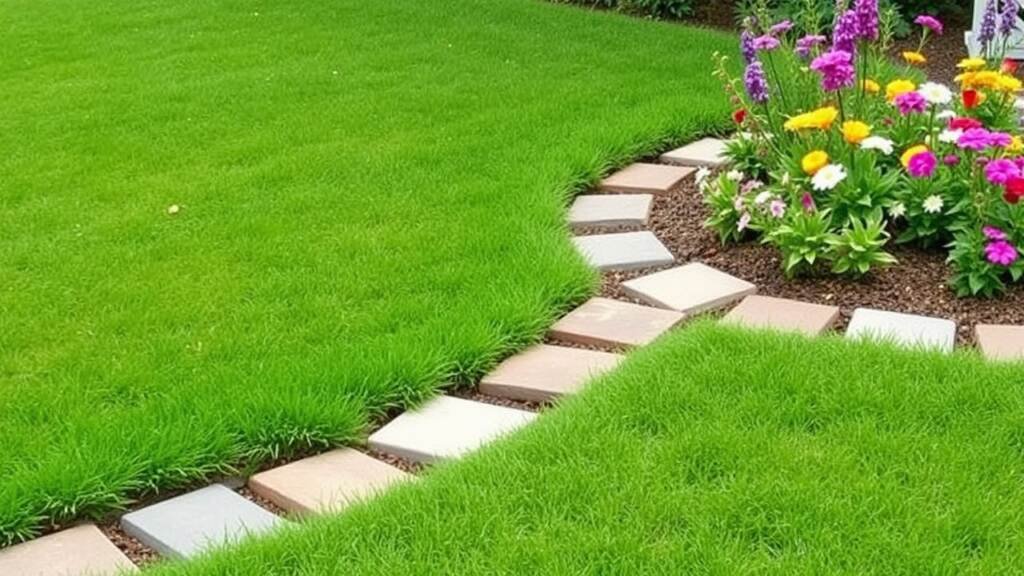
Topdressing involves applying a thin layer of material, such as sand, topsoil, or compost, over your existing grass. This lawn care practice helps level the lawn, improve soil structure, and promote healthier grass growth. The goal is to evenly spread the top dressing mix across the yard, allowing it to work its way into the soil without smothering the grass.
Benefits of Top Dressing Lawns
Top dressing lawns offers numerous benefits. It’s a great way to improve your lawn’s health, providing advantages such as:
- Improved soil drainage and aeration, particularly beneficial for clay soils, and encourages stronger root development.
- Leveling uneven surfaces, leading to a smoother and more visually appealing lawn.
- Enriching the soil with nutrients and beneficial microbes, acting as a natural fertilizer to promote thicker turf.
Regular topdress applications can significantly improve the overall health and appearance of your lawn.
When to Top Dress a Lawn
The best time to top dress a lawn depends on your grass type. For cool season grasses, autumn is often ideal, allowing the grass to recover before winter. Before you top dress a lawn, always mow the lawn to a shorter height, almost scalping it to ensure the top dressing material reaches the soil. Consider aerating the lawn before applying the top dressing mix to further improve soil contact and drainage. This allows the soil to improve the roots.
Materials for Top Dressing
Choosing the Right Sand
Selecting the right sand is crucial. Use coarse, sandy material for better drainage, avoiding fine or silty sand. The best option is usually a coarse, sandy material that improves drainage and aeration, especially for clay soil. Avoid using fine or silty sand, as it can compact and hinder drainage, defeating the purpose of top dressing your lawn. Ensure the sand is dry for easier spreading and evenly as possible distribution with a spreader. Proper sand choice is essential for a healthy lawn. Using the wrong sand can negatively improve your lawn in the long run.
Other Recommended Materials
Besides sand, other materials like compost and topsoil can significantly improve your lawn. Compost adds organic organic matter and beneficial microbes, enriching the soil and acting as a fertilizer. Topsoil can help level uneven areas and provide a fresh soil base, especially if your existing soil is poor. Peat moss is another good option for adding organic matter, although it should be used sparingly. These materials should be carefully selected to match your lawn’s specific needs to improve the soil.
Mixing Ingredients for a Topdressing Mixture
A common top dressing mix includes sand, compost, and topsoil, adjusting the ratio to suit your soil type. Creating an effective top dressing mix often involves combining several ingredients to maximize benefits for your lawn. A common blend includes sand, compost, and topsoil, typically in a ratio that suits your soil type. For clay soils, more sand can aid drainage, while compost enriches the soil with nutrients and organic matter. Thoroughly mix these ingredients with a shovel or in a wheelbarrow before you apply to ensure a homogenous spread and even distribution across your yard.
How to Top Dress a Lawn with Sand
Preparation Steps Before Top Dressing
Before you top dress your lawn, preparation is key to ensure the best results. This preparation involves several important steps:
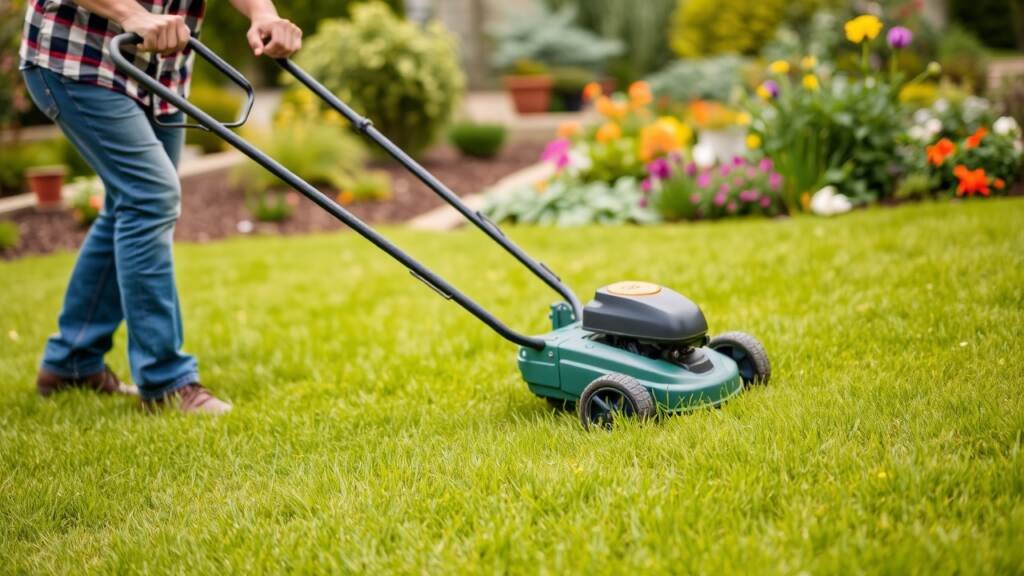
- Mowing the lawn short, ideally to a height of about one inch or less, to allow even sand distribution.
- Removing thatch buildup to ensure proper integration of the sand with the soil.
- Aerating the lawn to further improve soil contact.
Clear any debris, such as leaf matter, to provide a clean surface for the top dressing.
Applying Sand: Techniques and Tips
Apply a thin, even layer of sand using a spreader and work it into the grass with a rake. When applying the sand, remember that the right tools can make the job easier. Consider using the following:
- A spreader for larger areas to ensure even distribution.
- A shovel and rake for smaller yard spaces.
Apply a thin layer, typically no more than a quarter to half an inch thick, to avoid smothering the grass. Spread the sand evenly, working it into the grass with a rake to ensure it settles into the soil.
Post-Topdressing Care for Your Yard
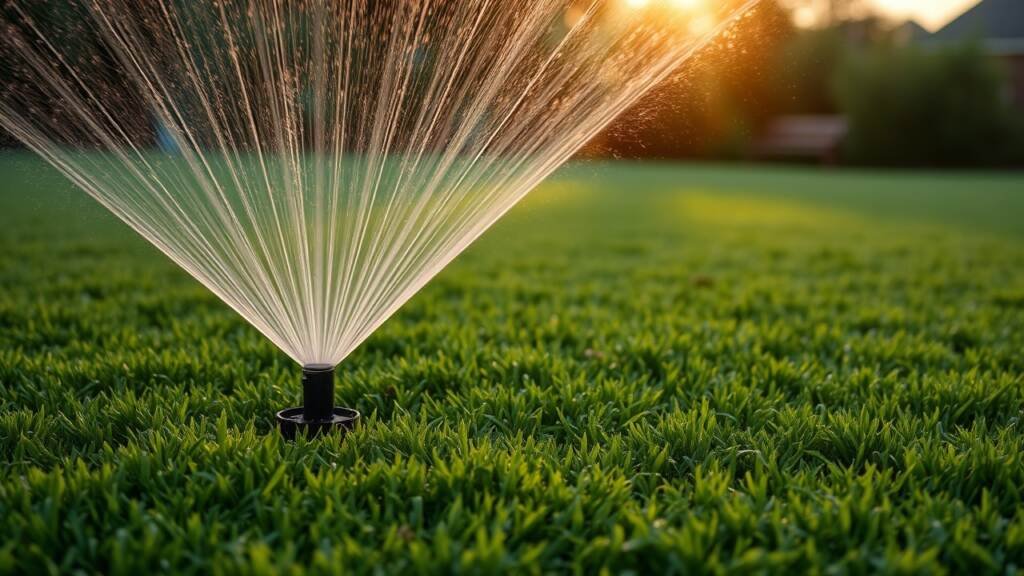
After top dressing, water the lawn lightly to help the sand settle, and monitor for any signs of stress. After top dressing, proper care is essential to help your lawn recover and thrive. Water the lawn lightly to help the sand settle and integrate with the soil. Avoid heavy watering immediately after application to prevent runoff and uneven settling. If you performed overseeding, keep the soil consistently moist to promote seed germination. Monitor the grass for any signs of stress and improve your watering schedule accordingly to maintain the health of the turf.
Maintaining a Healthy Lawn After Top Dressing
Watering and Fertilization
Consistent watering and strategic fertilization are crucial, using a balanced or organic fertilizer. Consistent watering and strategic fertilization are crucial for a healthy lawn after top dressing. Ensure the soil remains consistently moist, but avoid overwatering to prevent fungal diseases. A balanced fertilizer can supply essential nutrients to support new grass growth. Consider using an organic fertilizer to further enrich the soil with organic matter and beneficial microbes. Proper watering and fertilization will help improve the turf and make your lawn thicker.
Monitoring Grass Growth
Monitor grass growth for signs of successful integration and address any issues promptly. Closely monitor the grass growth following top dressing to ensure successful integration of the sand and overall lawn health. Look for signs of new growth and uniform color, indicating that the grass is benefiting from the topdressing. Check for any bare spots or areas where the grass appears stressed, and apply additional seed or fertilizer as lawn needs dictate. Regular monitoring will allow you to address any issues promptly and ensure a vibrant lawn.
Common Issues and Solutions
Even with careful lawn care, you might encounter some common issues after top dressing your lawn. Yellowing grass could indicate a nutrient deficiency, while patchy growth may suggest uneven distribution of the sand. If you notice fungal diseases, improve air circulation and adjust your watering schedule. Address these issues promptly by re-applying fertilizer, re-seeding, or adjusting your lawn care practices to maintain a healthy yard. The sand may contain too much clay and influence drainage so choose the sandy sand.