Is your lawn struggling to thrive? Is your turf looking tired and worn out? One potential solution to revitalize your yard and achieve a healthy lawn is liquid aeration. But what exactly is it, and how does it compare to traditional methods? Let’s explore the world of liquid aeration and determine if it is the right choice for your lawn care needs.
Understanding Liquid Aeration

Understanding liquid aeration is the first step in deciding if it’s the right solution for your lawn. Many factors contribute to the health and appearance of your lawn, and soil compaction can be a major obstacle. By learning about the benefits and limitations of liquid aeration, you can make an informed decision about the best approach to lawn aeration for your property.
What is Liquid Aeration?
Liquid aeration is a lawn care technique designed to alleviate soil compaction without the use of mechanical equipment. Instead of physically removing cores of soil, as with traditional core aeration, liquid aeration employs a liquid solution that penetrates the soil. The primary goal of liquid aeration is to loosen the soil, allowing water and nutrients to reach the roots more effectively.
How Does Liquid Aeration Work?
The way liquid aeration works is by using a liquid product, often containing a soil loosener, that is sprayed onto the lawn. This liquid product helps to break down the surface tension of the soil particles, allowing for better water penetration and air circulation. The process aims to improve soil structure over time by reducing soil compaction and fostering a healthier environment for root growth, leading to a healthy lawn, ultimately improving nutrient and water absorption.
Comparison with Core Aeration
When comparing liquid and core aeration, it’s essential to consider the differences in their approaches and effectiveness. Core aeration, also known as traditional core aeration or mechanical aeration, involves using an aerator to physically remove cores of soil from the lawn. In contrast, liquid aeration uses a liquid to aerate your lawn. Both aeration methods aim to combat soil compaction, but they achieve this through very different mechanisms. There are pros and cons of liquid aeration and core aeration that should be carefully reviewed.
Benefits of Liquid Aeration
Improving Soil Compaction
One of the primary benefits of liquid aeration is its ability to improve soil compaction. Soil compaction can suffocate the roots of your lawn, preventing them from accessing essential water and nutrients. Liquid aeration works by using a soil loosener that penetrates the compact soil, helping to loosen the soil and create pathways for air and water to reach the roots.
Enhancing Turf Health
Enhancing turf health is another significant advantage of liquid aeration. A healthy lawn requires well-aerated soil to thrive. Liquid aeration allows for better root development, leading to stronger, more resilient grass. By improving water and nutrient uptake, liquid aeration contributes to a greener, denser lawn, making your turf the envy of the neighborhood. The result is a vibrant, healthy lawn.
Convenience and Application
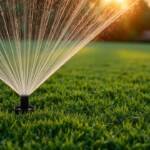
Convenience and application are key factors that make liquid aeration an appealing option for lawn care. Unlike traditional core aeration, which requires heavy machinery and can be time-consuming, liquid aeration is a simpler process. The product is typically applied with a sprayer, making it easy to cover large areas quickly and efficiently to aerate your lawn.
Pros and Cons of Liquid Aeration
Pros of Liquid Aeration
The pros of liquid aeration are numerous and compelling for homeowners seeking an easier lawn care solution. One significant advantage is the ease of application; the liquid solution is typically sprayed onto the lawn, eliminating the need for heavy equipment. This method can also be less disruptive to the soil surface compared to mechanical aeration and traditional core aeration.
Cons of Liquid Aeration
While there are pros and cons of liquid aeration, it is important to consider the potential drawbacks of this method. One of the main cons of liquid aeration is that it may not be as effective as traditional core aeration for heavily compacted soil. In cases of severe compaction, manual aeration with a core aerator might be necessary to achieve significant improvement.
Evaluating the Effectiveness
Evaluating the effectiveness of liquid aeration is crucial in determining if it’s the right choice for your lawn aeration needs. While liquid aeration can be a convenient and less invasive method, it is essential to assess whether it adequately addresses the level of soil compaction in your lawn. For lawns with severe soil compaction, core aeration might still be the more effective option to improve soil structure.
Methods of Aeration for Your Lawn
Traditional Core Aeration vs. Liquid Aeration
When considering aeration for your lawn, you will encounter two primary methods: traditional core aeration and liquid aeration. Traditional core aeration, also known as mechanical aeration, involves using an aerator to physically remove cores of soil from the lawn. This creates small holes in the soil, allowing air, water, and nutrients to penetrate more effectively to improve soil structure.
When to Choose Liquid Aeration
The decision of when to choose liquid aeration depends on the condition of your lawn and your specific lawn care goals. Liquid aeration is particularly suitable for lawns with mild soil compaction or as a preventative measure to maintain soil health. If you want to aerate your lawn quickly and without the disruption of traditional core aeration, liquid aeration can be a great option. It is especially effective when used regularly to improve soil structure.
Best Practices for Lawn Aeration
To achieve the best results with lawn aeration, whether using traditional core aeration or liquid aeration, timing is crucial. Aerate your lawn during its peak growing season to allow for quick recovery. After you aerate, consider applying fertilizer and overseeding to take full advantage of the improved soil conditions. Regular maintenance and proper watering will further enhance the benefits of aeration.
Choosing the Right Liquid Aeration Product
Factors to Consider
When choosing a liquid aeration product, several factors should influence your decision. Look for a product that is specifically designed to address soil compaction in lawns. Consider the concentration of the product and the recommended application rate to ensure you get the best value for your money. Reading customer reviews and seeking recommendations from lawn care professionals can also guide your choice, ensuring a healthy lawn.
Top Liquid Lawn Aerators in the Market
Exploring the market for top liquid lawn aerators can help you find a product that meets your lawn’s specific needs. Look for liquid lawn aerators that contain soil loosener known to enhance water penetration and improve soil structure. Some popular options include those with humic acid or beneficial bacteria, which promote root growth. Always check product reviews and compare ingredients to make an informed decision.
How to Apply Liquid Aerators
Applying liquid aerators correctly is essential to maximize their effectiveness. Start by ensuring that your lawn is properly watered before application. Use a sprayer to evenly distribute the product across your lawn, following the manufacturer’s instructions for application rates. Avoid applying liquid aeration during extreme heat or when rain is expected to ensure the product has time to penetrate the soil and improve soil compaction effectively.
- Landscape Design: A Garden Guide for Beginners
- Landscape Edging Ideas: Lawn & Garden Edge Ideas for Your Yard
- Sustainable backyard makeover ideas for 2025
- What Is a Smart Lawn? Why Homeowners Across the U.S. Are Switching to Intelligent Lawn Systems
- The top january gardening tasks for the pacific northwest