As the days grow shorter and a chill fills the air, many gardens seem to fade into dormancy. But the winter landscape doesn’t have to be devoid of color and life. With careful planning and the right selection of winter flowers for your garden, you can create a beautiful winter garden that provides visual interest and cheer throughout the winter months. These resilient blooms offer a welcome burst of color when most other plants are dormant, proving that beauty can indeed thrive even in the coldest conditions.
Understanding Winter Flowers
What Are Winter Flowers?
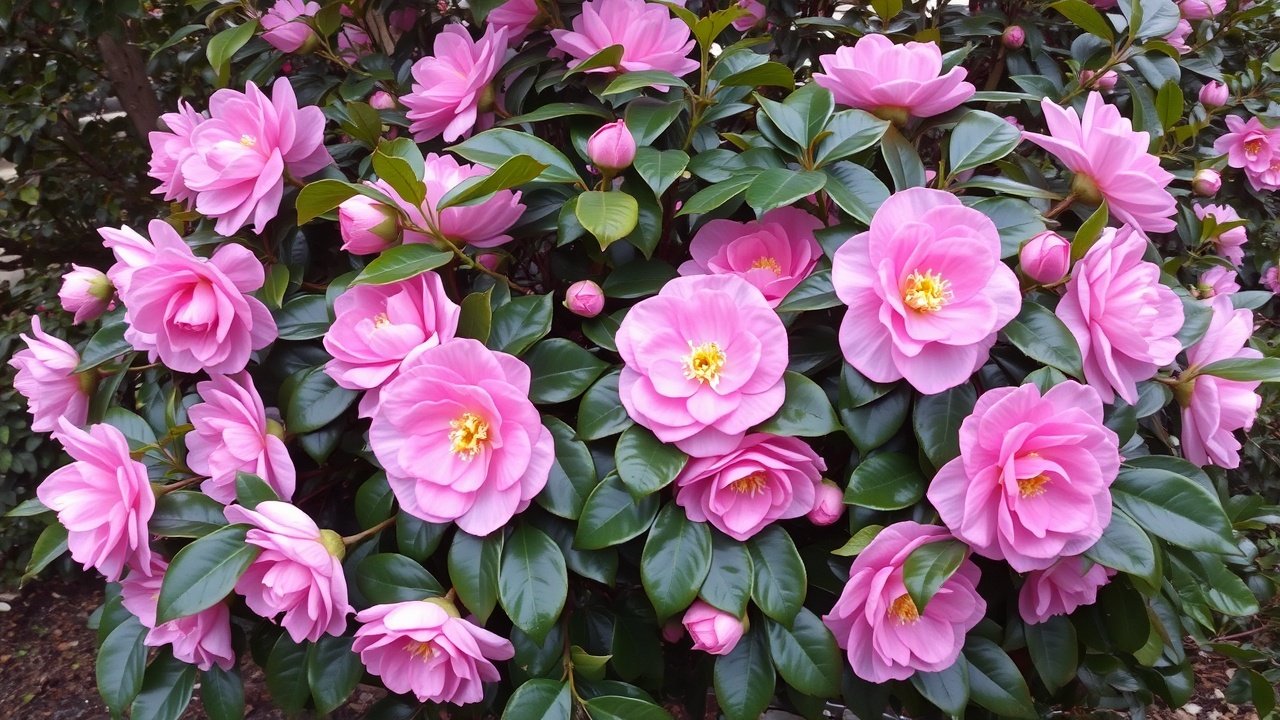
Winter flowers are plants that bloom in winter, offering a splash of color during the typically bleak winter months. These hardy varieties have adapted to withstand colder temperatures and shorter daylight hours, allowing them to produce their beautiful flowers in shades of white, yellow, pink, and red when other plants are dormant. Unlike spring garden or summer blooms, winter flowers for your garden provide essential visual interest and can significantly enhance your winter landscape.
Benefits of Having Winter Blooms
The presence of winter-blooming plants provides numerous benefits, extending beyond mere aesthetics. These flowers that bloom in winter offer a crucial source of nectar and pollen for early-emerging pollinators. Introducing flowers in shades of vibrant colors can also boost your mood during the darker months. A garden that blooms in late winter or early spring can be a welcome sight. Winter flowers for your garden add texture and form to what might otherwise be a barren winter landscape.
Overview of Winter-Blooming Plants
Here are some plants that bring color and fragrance to the winter garden, offering a welcome sight during the colder months. Consider these options for adding interest:
- Winter heath, known for its bell-shaped flowers, perfect for rock gardens.
- Winter jasmine, a versatile shrub with bright yellow flowers.
The winter daphne is another excellent choice, appreciated for its fragrant flowers. Finally, winter aconite provides cheerful, cup-shaped yellow flowers, often blooming in late winter.
Best Winter Flowers for Your Garden
Top Winter Flowers to Consider
Selecting the best winter flowers for your garden involves considering your local climate, soil conditions, and desired aesthetic. There are many popular choices, including:
- The resilient winter heath, known for its profusion of small flowers that bloom in winter.
- The fragrant winter daphne, offering a delightful scent during the colder months.
- Winter jasmine, which provides a cascade of bright yellow flowers.
- The winter aconite, one of the earliest plants that bloom, heralding the approach of spring with its cheerful blooms.
Highlighting Winter Jasmine
Winter jasmine is a versatile shrub that adds a touch of elegance to the winter landscape. Its bright yellow flowers appear on arching branches, creating a cascading effect that can brighten any garden. This hardy plant blooms in late winter, offering a welcome burst of color when other plants are dormant. Winter jasmine can be trained to climb a wall or trellis or allowed to spill over a rock garden, making it a versatile choice for various garden designs.
Exploring Winter Heath and Its Benefits
Winter heath, also known as Erica carnea, is a low-growing perennial prized for its ability to thrive and flower during the winter months. It offers a profusion of tiny, bell-shaped flowers in shades of pink, purple, and white, creating a carpet of color in the winter garden. Winter heath is an excellent choice for rock gardens, borders, or ground cover, providing winter interest and attracting early pollinators to your winter flowers for your garden when little else is in bloom.
Flowering Plants That Bloom in Winter
Perennials That Thrive in Cold Months
Many perennials can thrive in cold weather, but those that bloom in winter offer a special reward. These hardy plants provide a splash of color and life to the winter landscape when other flowers are dormant. Some of the best winter flowers include winter heath, which blooms in late winter to early spring, and hellebores, also known as winter roses, which offer a range of colors and bloom from late fall through the winter months.
Winter Daphne: A Fragrant Choice
The winter daphne is a fragrant shrub that is highly valued for its sweet-smelling flowers that bloom in winter. Its clusters of small, pink or white flowers release a delightful fragrance, filling the winter garden with a pleasant aroma. This plant blooms in late winter or early spring, providing a welcome sensory experience during the colder months. Winter daphne prefers well-drained soil and partial shade, making it an excellent choice for woodland gardens or sheltered areas.
Winter Aconite: Early Bloomer
Winter aconite is a charming early bloomer that signals the beginning of spring. These cheerful, cup-shaped flowers emerge as early as late winter, offering a burst of bright yellow flowers that brighten the winter landscape. Winter aconite naturalizes easily and can form a carpet of color under trees or shrubs, providing a beautiful and low-maintenance ground cover. This plant blooms best in full sun to partial shade and prefers well-drained soil, making it a delightful addition to any winter garden.
Creating a Winter Garden
Design Tips for a Colorful Winter Garden
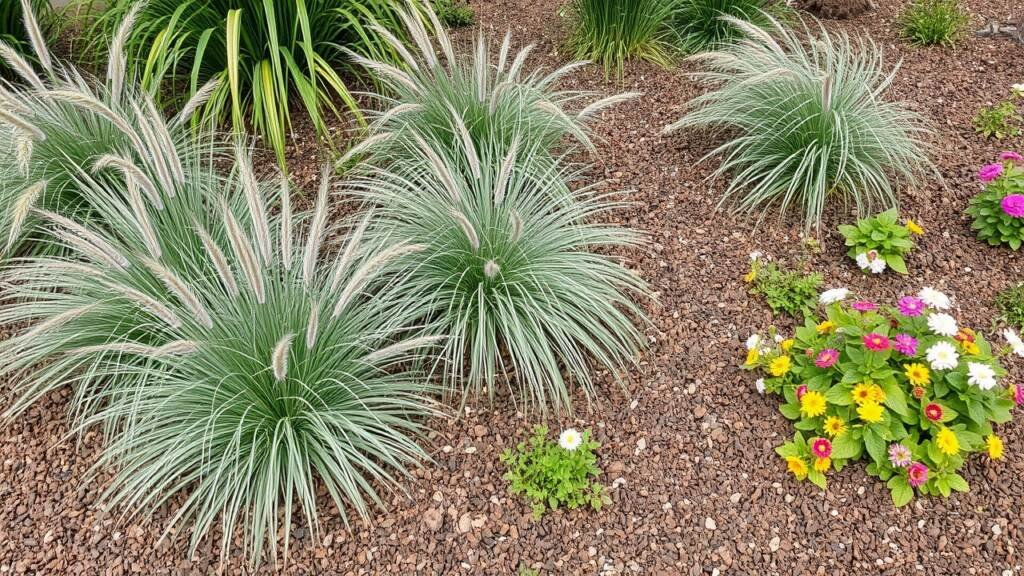
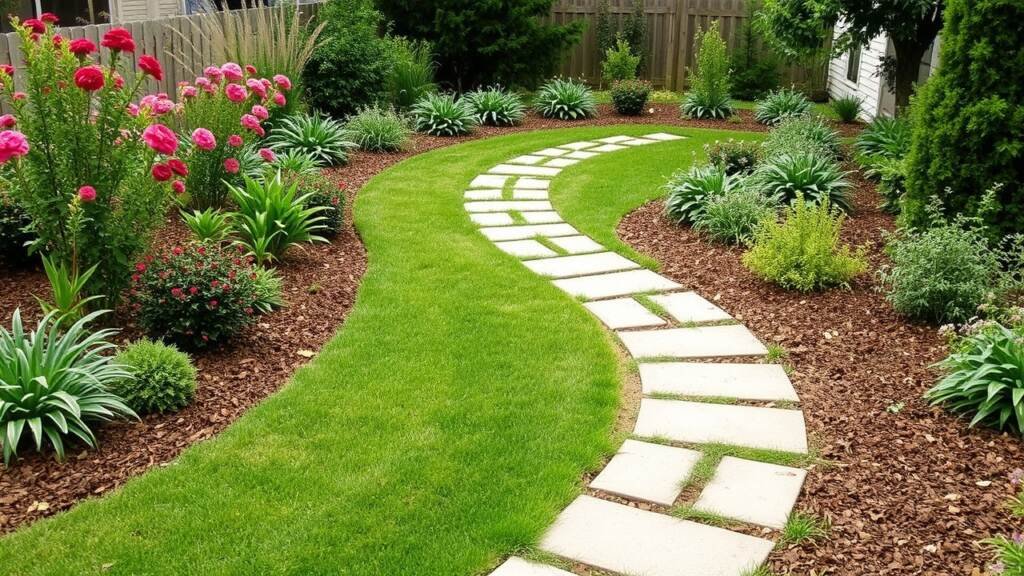
Designing a colorful winter garden involves strategic placement of plants that bloom in winter to maximize visual impact. To enhance the winter landscape, consider the following approaches:
- Incorporate winter-blooming plants with varying heights and textures to add depth.
- Group plants that bloom in late winter together to create focal points, and use evergreens as a backdrop to highlight the vibrant flowers in shades.
Add structural elements like rocks or garden art for added winter interest when the flowering shrubs are not in bloom. This can enhance the bloom time.
Combining Shrubs and Flowers
Combining shrubs and flowers in your winter garden can create a dynamic and visually appealing landscape. Use shrubs, such as winter heath or winter jasmine, as the foundation and then add perennials like winter aconite or winter daphne for pops of color. The structure of the shrubs provides a backdrop, allowing the winter flowers to stand out. Consider the bloom time of each plant to ensure a continuous display of color throughout the winter months. These late winter blooms create a beautiful winter garden.
Maintaining Your Winter Garden
Maintaining a winter garden involves several key practices to ensure the health and vibrancy of your winter-blooming plants. Mulching helps retain moisture and protect roots from freezing temperatures. Pruning shrubs and flowers that bloom in winter after they finish blooming promotes healthy growth and encourages more blooms in late winter and early spring. Regularly check for pests or diseases that might affect plants for winter, and address them promptly to prevent further damage. Consistent care is essential for a thriving, beautiful winter garden.
Transitioning to a Spring Garden
Preparing for Early Spring Blooms
Preparing for early spring blooms involves assessing your winter garden and making necessary adjustments. Remove any dead or damaged foliage from winter-blooming plants to promote new growth. Consider adding a layer of compost around the base of perennials and shrubs to provide nutrients for the upcoming growing season. As the weather warms, gradually reduce winter protection measures to acclimate plants to milder temperatures. This ensures a seamless transition from winter interest to a vibrant spring garden.
Best Practices for Seasonal Change
To ensure a successful seasonal change in your garden, follow best practices that support plant health and encourage robust blooms. Begin by gently removing any remaining winter mulch to allow the soil to warm up faster. Prune any late winter bloomers like winter jasmine or winter daphne that have finished flowering to encourage new growth. Fertilize perennials and shrubs with a balanced, slow-release fertilizer to provide essential nutrients. Monitor soil moisture levels and water as needed, especially as plants begin to actively grow and the early spring emerges.
Continuing the Bloom Cycle
To continue the bloom cycle and maintain a vibrant garden throughout the year, plan for succession planting by incorporating early spring-blooming plants. As flowers that bloom in winter fade, early spring bulbs like tulips and daffodils will provide a fresh burst of color. Deadhead spent blooms of winter flowers to encourage more blooms. By carefully selecting and staggering bloom times, you can enjoy a continuous display of flowers from late winter through spring, creating a captivating and beautiful winter landscape that transitions seamlessly into spring.