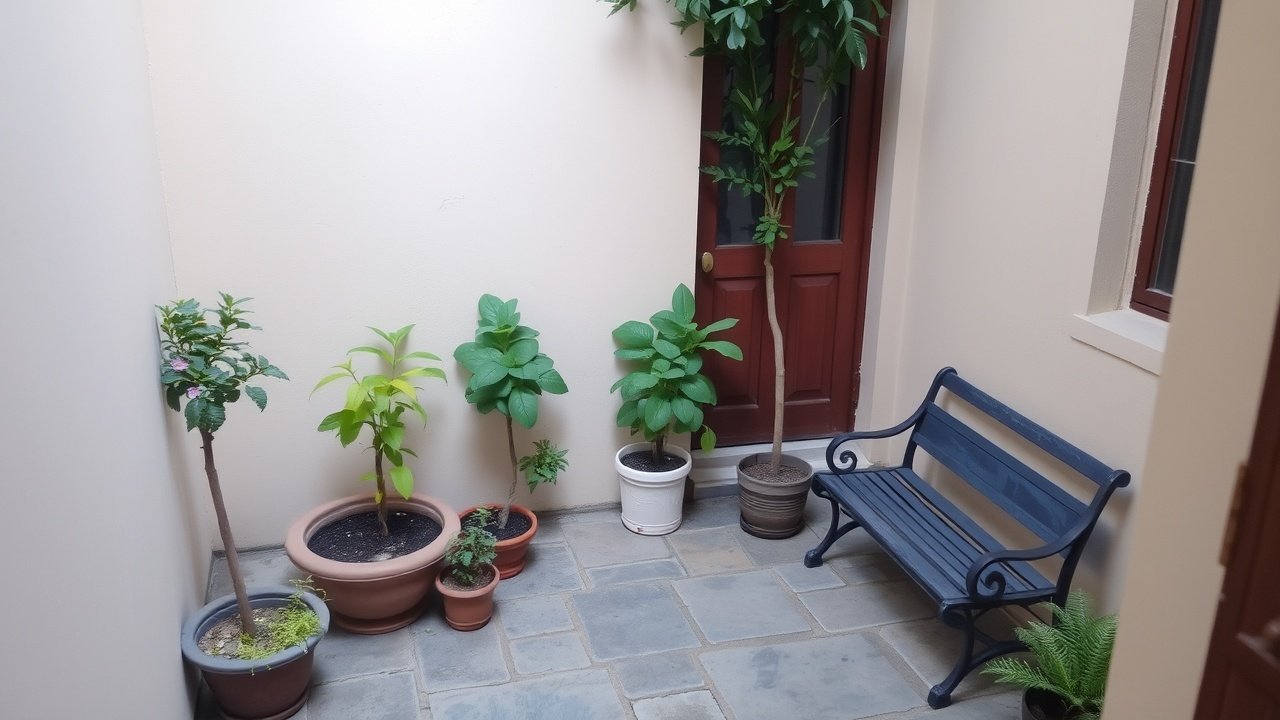
Creating an inviting outdoor space is an art that blends aesthetics with functionality. Whether you have a sprawling estate or a small space, the right style of landscape can transform your property into a beautiful and relaxing haven. From lush greenery to elegant hardscaping, this guide explores various landscaping styles and design ideas to enhance your home’s curb appeal and create a personal oasis.
Understanding Landscape Design
Principles of Landscape Design
The principles of landscape design are fundamental to creating a harmonious and visually appealing outdoor space. Balance, proportion, and unity are key elements that landscape architects consider when developing a design plan. Achieving balance involves creating a sense of equilibrium, whether through symmetrical or asymmetrical arrangements of plants and hardscape features. Proportion ensures that the scale of elements, such as trees, shrubs, and flower beds, is appropriate for the size of the garden and the surrounding architecture. Unity ties the design together, ensuring that all components work in harmony to create a cohesive and aesthetically pleasing landscape.
Key Elements of a Landscape Plan
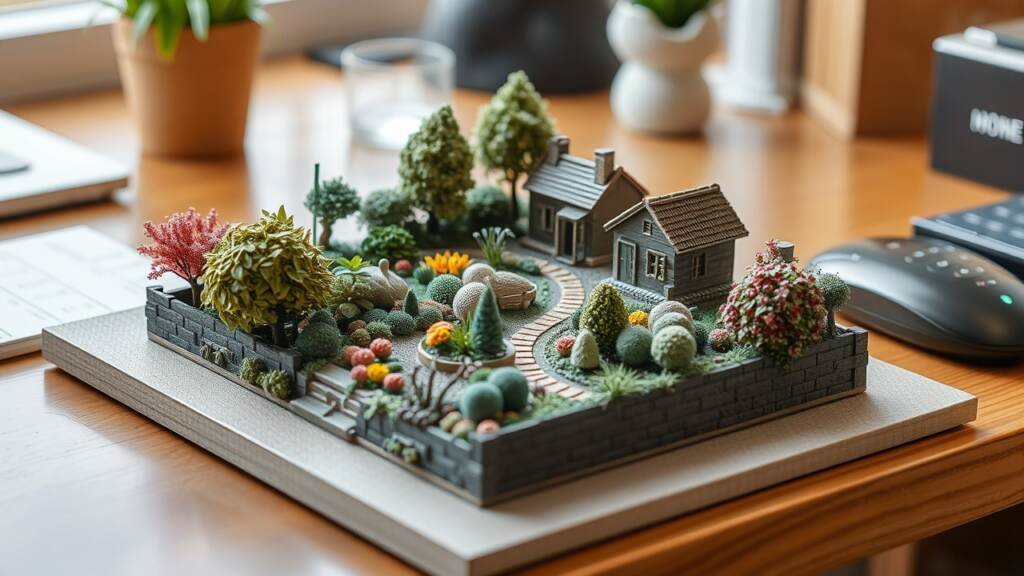
A well-thought-out landscape plan incorporates several key elements to maximize the beauty and functionality of your outdoor space. Hardscaping, planting design, and focal points are essential elements. Hardscaping, which includes features like patios, walkways, retaining walls, and paver installations, provides structure and definition to the landscape. Planting design focuses on the selection and arrangement of plants to create visual interest, texture, and seasonal color. Focal points, such as a water feature or a specimen tree, draw the eye and create a sense of drama. These elements, when carefully considered and integrated, transform a simple yard into a stunning garden landscape design that enhances your living space.
Choosing the Right Landscaping Styles
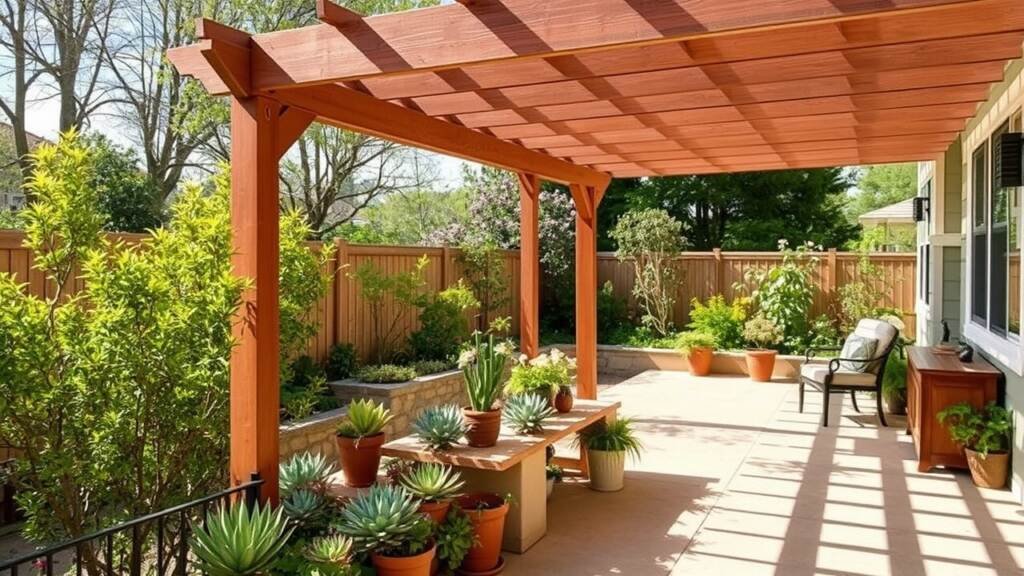
Selecting the right landscaping styles is crucial for achieving the desired look and feel for your outdoor space. Consider your personal preferences, the architectural style of your home, and the climate in your area. For homeowners seeking a low-maintenance option, a desert design incorporating drought tolerant plants like cacti and succulents may be ideal. If you prefer a classic and romantic look, an English garden style with perennial flower beds and lush greenery might be more suitable. Understanding the various landscaping styles and how they complement your property is the first step in creating a beautiful and functional outdoor area that reflects your personal taste and enhances your home’s curb appeal.
Exploring Different Garden Styles
Traditional Garden Design
Traditional garden design often reflects a sense of timeless elegance and formal structure. These landscaping styles typically incorporate symmetrical layouts, manicured lawns, and meticulously arranged flower beds. Common features include precisely trimmed shrubs, perennial borders, and elegant hardscaping elements such as stone walkways and decorative retaining walls. The design plan for a traditional garden might also include a focal point, such as a classic water feature or a beautiful statue. Homeowners who appreciate order and sophistication often gravitate toward traditional garden design for its enduring appeal and harmonious balance, creating a serene and inviting outdoor space.
Modern and Minimalist Gardens
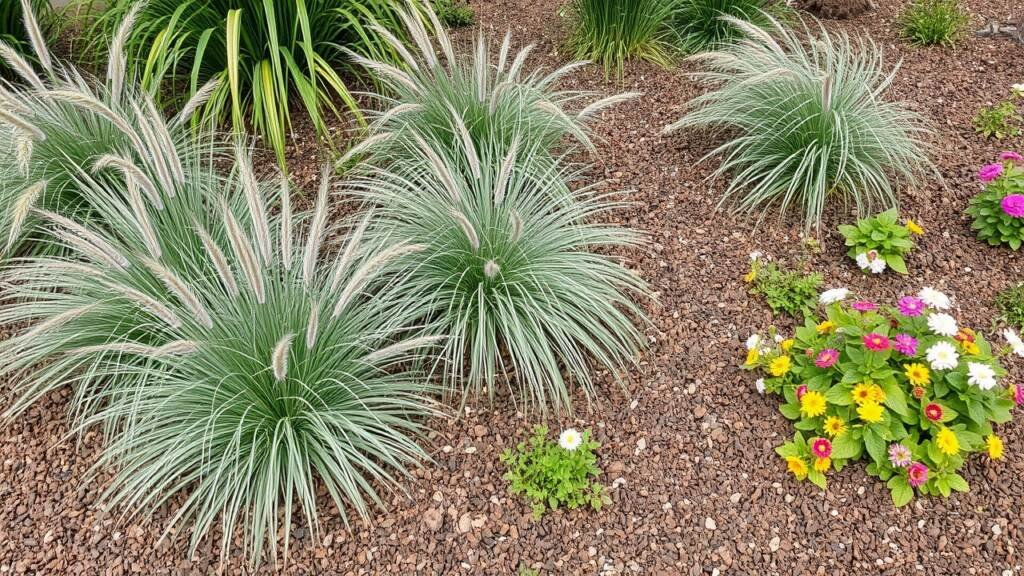
Modern and minimalist gardens emphasize clean lines, simplicity, and functionality. These landscaping styles prioritize open space, geometric shapes, and a curated selection of plants. Hardscape elements like concrete pavers, sleek patios, and contemporary seating areas are central to the design. Planting is often limited to a few carefully chosen species, such as ornamental grasses, succulents, or evergreen shrubs. The goal is to create a serene and uncluttered outdoor space that is both visually appealing and easy to maintain. Minimalist landscaping ideas often incorporate drought tolerant plants and simple landscaping solutions to enhance curb appeal without requiring extensive upkeep.
Low-Maintenance Landscaping Ideas
Low-maintenance landscaping focuses on beautiful outdoor spaces requiring minimal upkeep, using elements like drought-tolerant plants and strategic hardscaping. For busy homeowners, low-maintenance landscaping ideas are a game-changer. This design style focuses on creating beautiful outdoor spaces that require minimal time and effort to maintain. Key elements include drought tolerant native plants, pea gravel pathways, and strategically placed ground cover to reduce weeding. Hardscaping features like patios, decks, and retaining walls can also minimize lawn space and reduce the need for mowing. Incorporating elements like raised bed gardens or simple landscaping projects with potted plants can add visual interest without demanding constant care. With thoughtful design and plant selection, it’s possible to create a stunning yard landscaping that maximizes curb appeal while minimizing the time spent on upkeep.
Landscaping Ideas for Small Spaces
Backyard Landscaping for Limited Areas
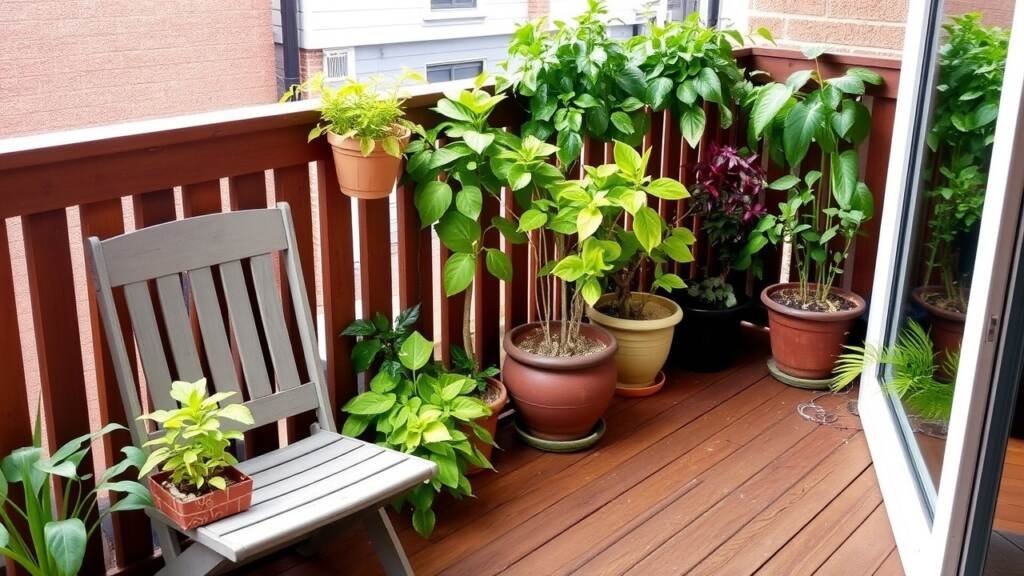
Transform small backyards with vertical gardening, compact patios, and focal points to maximize space and create an inviting oasis. Transforming a small backyard into a captivating outdoor space requires thoughtful planning and creative landscaping ideas. Start by defining your needs and desired functions, such as a relaxation zone, a dining area, or a play space for children. Utilize vertical gardening with trellises or wall-mounted planters to maximize greenery without sacrificing ground space. Consider installing a compact patio or deck for seating, and opt for low-maintenance materials to minimize upkeep. A well-placed water feature or fire pit can add a focal point, creating a cozy and inviting ambiance. With smart design and clever space-saving solutions, even the smallest backyard can become a personal oasis.
Front Yard Enhancements
Enhance front yards by planting low-growing shrubs, defining walkways, and incorporating focal points to significantly boost curb appeal. Enhancing your front yard is a simple landscaping project that significantly boosts your home’s curb appeal and creates a welcoming first impression. Start by assessing the existing landscape and identifying areas for improvement. Plant low-growing shrubs and colorful flower beds along the foundation to soften the architecture. Create a defined walkway with pavers or stepping stones, leading to the front door. Incorporate a focal point, such as a specimen tree or a decorative pot, to draw the eye. Remember to maintain a well-manicured lawn and keep the landscape tidy to enhance the overall appeal of your property. Simple landscaping tips like adding outdoor furniture can create an inviting space.
Creative Side Yard Solutions
Transform side yards into functional spaces with pathways, herb gardens, vertical trellises, and tiered beds, utilizing native plants for a sustainable landscape. Often overlooked, the side yard presents a unique opportunity to add functionality and beauty to your landscape. If narrow, consider creating a pathway lined with drought tolerant plants and pea gravel, transforming it into a serene garden walkway. If wider, you might create a dedicated herb garden or a small outdoor seating area. Utilize vertical space with trellises or espaliered trees to maximize greenery. A strategically placed retaining wall can create tiered garden beds, adding depth and visual interest. With creative design ideas and thoughtful planting design, the side yard can become a valuable extension of your outdoor living space. Don’t forget the value of native plants in creating a sustainable and attractive landscape.
Incorporating Hardscaping Elements
Walkways and Pathways
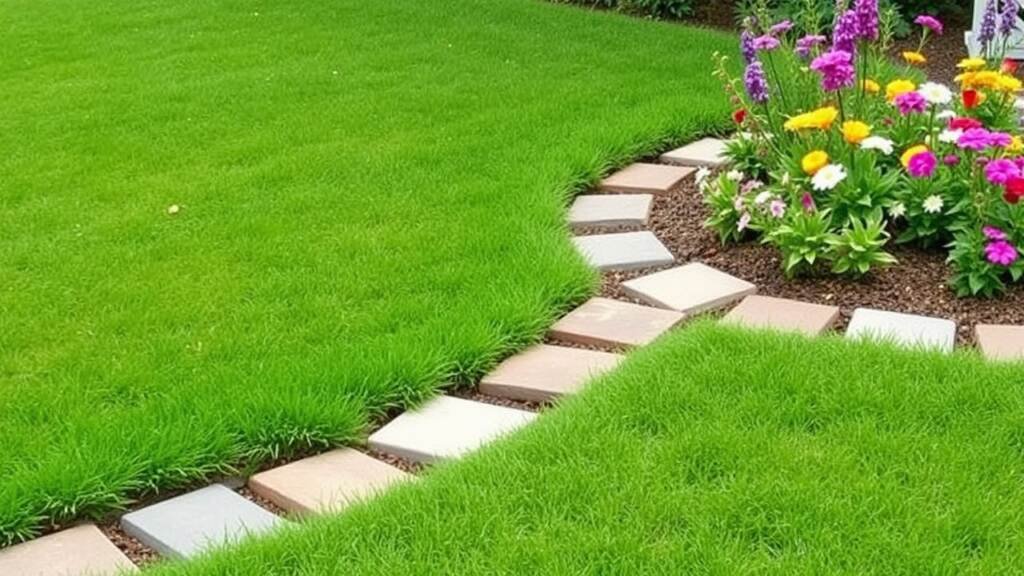
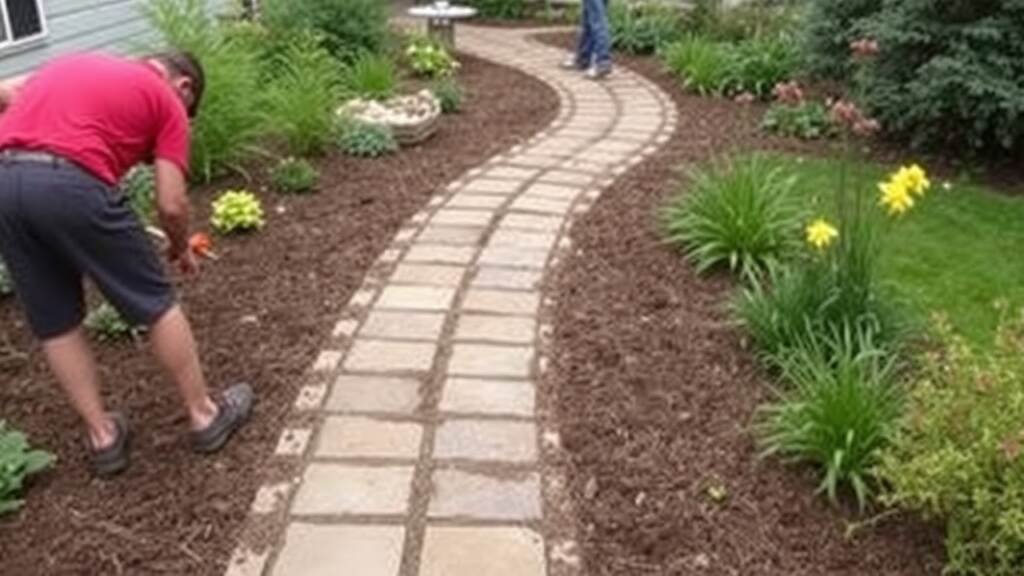
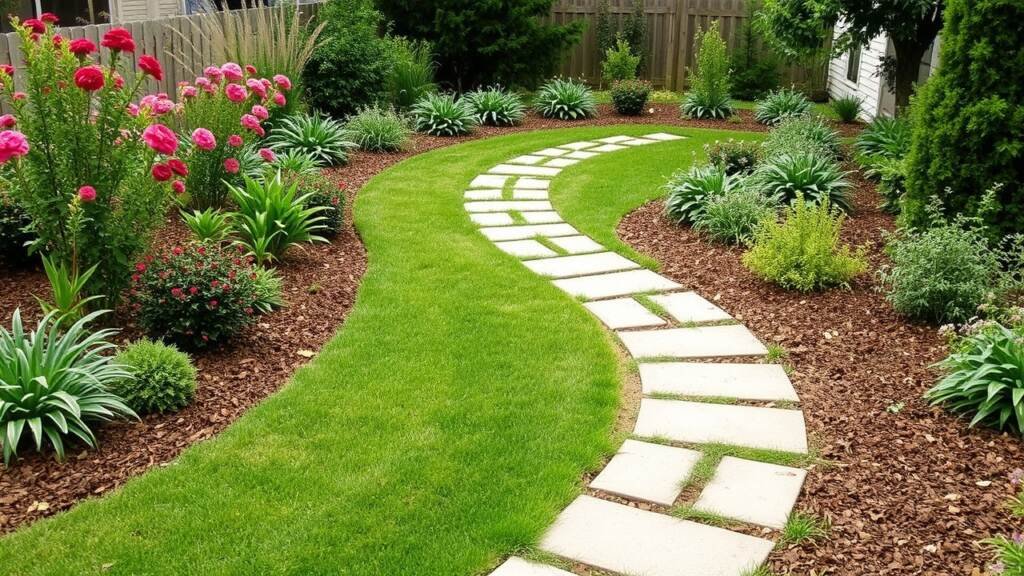
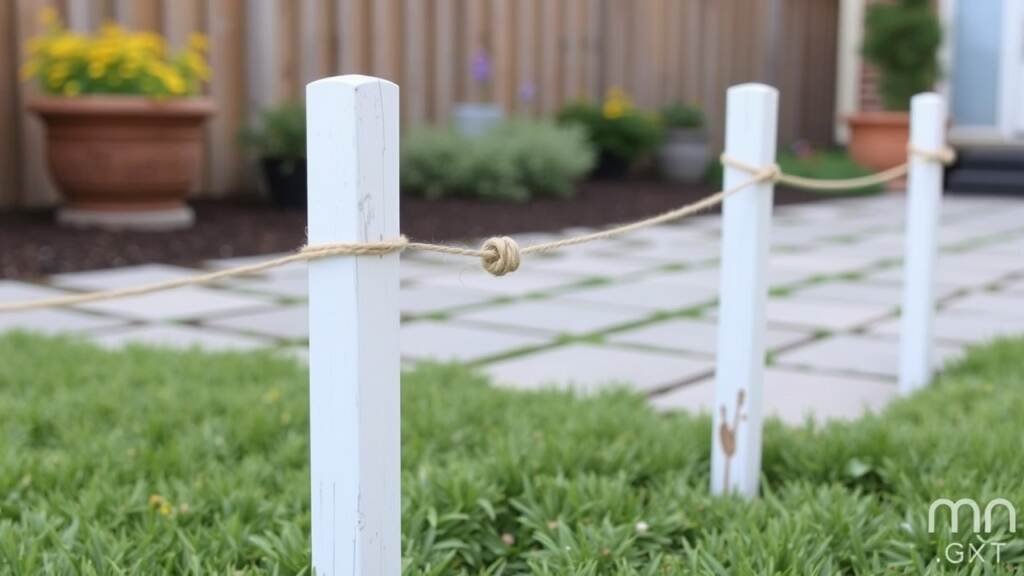
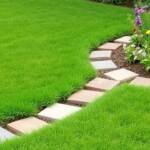
Incorporate hardscaping elements like walkways to define outdoor space, enhance functionality, and add visual interest to any landscape design. Incorporating hardscaping elements like walkways is crucial for defining outdoor space and enhancing the functionality of any landscape design. Walkways not only provide safe passage through your garden but also add structure and visual interest. When planning your design plan, consider using pavers, stepping stones, or pea gravel to create a path that complements your garden style. A well-designed walkway can guide visitors through your flower beds, lead to a seating area, or simply provide a pleasant stroll through your yard landscaping. Choose materials that are durable, low-maintenance, and aesthetically pleasing to create a walkway that enhances your living space.
Fire Pits and Seating Areas
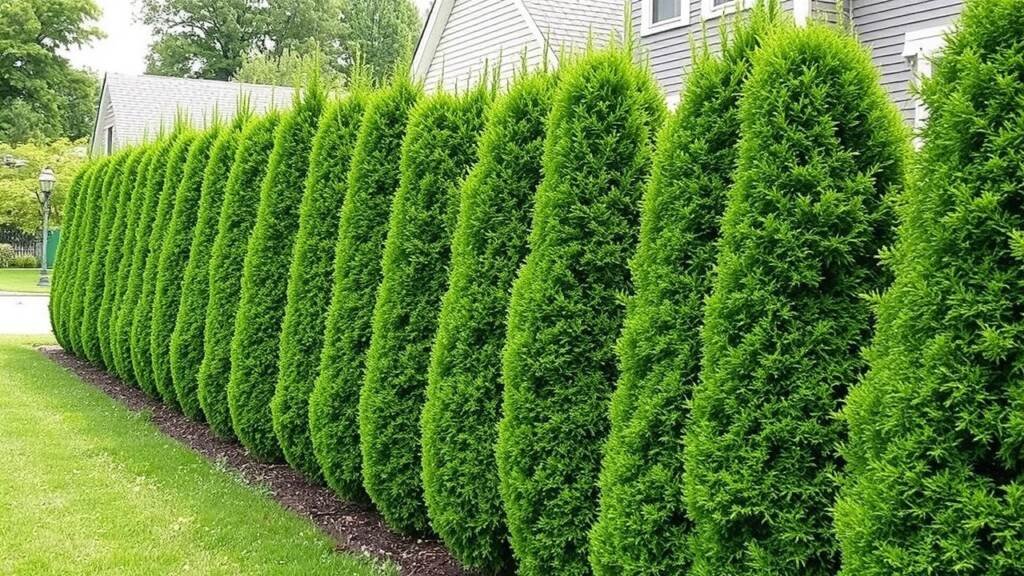
Create inviting outdoor spaces with fire pits and seating areas, using natural stone and comfortable furniture to encourage relaxation and social interaction. Creating a cozy and inviting outdoor space often involves incorporating fire pits and seating areas. These hardscaping elements serve as focal points, encouraging relaxation and social interaction within your garden. A fire pit can extend the usability of your backyard landscaping into the cooler months, while a comfortable seating area provides a space to unwind and enjoy the greenery. Consider using natural stone or paver installations to create a patio around the fire pit, and add outdoor furniture like comfortable chairs and benches. Strategically placed shrubs can provide privacy and wind protection, enhancing the overall ambiance of your outdoor living space.
Retaining Walls and Their Functionality
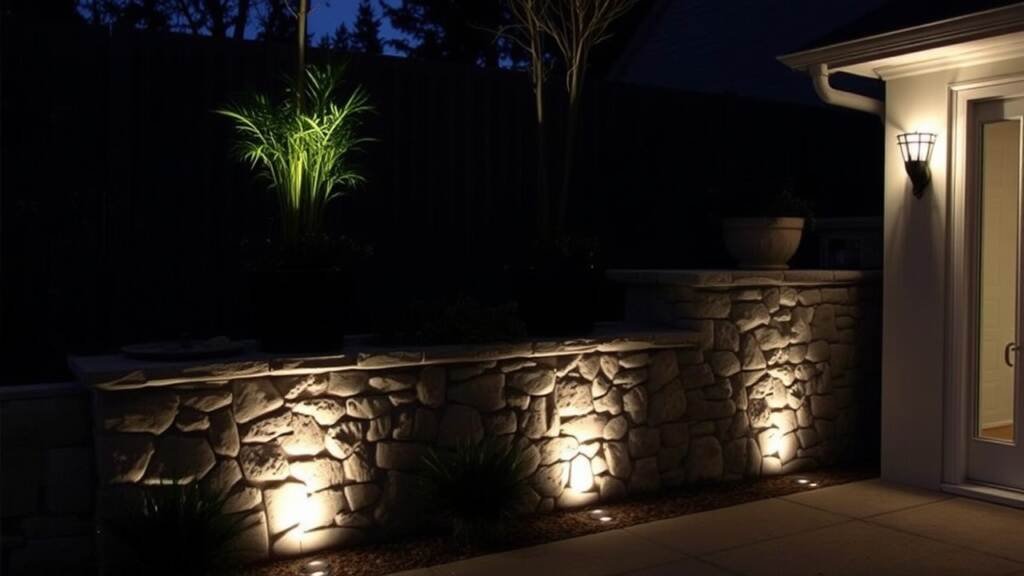
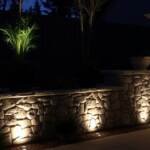
Use retaining walls for structural support and aesthetic enhancement in sloping gardens, preventing erosion and adding visual interest with various materials and tiered beds. Retaining walls are essential hardscaping features that provide both structural support and aesthetic enhancement to your yard landscaping. They are particularly useful in gardens with sloping terrain, preventing soil erosion and creating level planting surfaces. Retaining walls can be constructed from various materials, including stone, concrete, or timber, depending on the desired look and feel. These walls not only serve a functional purpose but also add visual interest and depth to your landscape. Consider incorporating retaining walls into your design plan to create tiered garden beds, define pathways, or add architectural detail to your outdoor space. Adding native plants can soften the hardscape and blend the structure into the natural environment.
Landscaping Tips for Homeowners
Working with a Landscape Designer
Engaging a landscape designer ensures a cohesive, functional design plan that meets your needs, recommending suitable plants and hardscaping to enhance curb appeal. Engaging a professional landscape designer can transform your landscaping ideas into a stunning reality. Landscape architects possess the expertise to create a cohesive and functional design plan that meets your specific needs and preferences. They can assess your property, evaluate soil conditions, and recommend plants and hardscaping elements that thrive in your local climate. A landscape designer can also help you navigate the design process, ensuring that your garden style complements your home’s architecture and enhances its curb appeal. Investing in professional landscape design can save you time, money, and frustration in the long run, resulting in a beautiful and sustainable outdoor space.
DIY Landscaping Projects
DIY projects personalize outdoor spaces and enhance curb appeal with simple additions like flower beds and pea gravel pathways, using low-maintenance plants. Embarking on DIY landscaping projects can be a rewarding way for homeowners to personalize their outdoor space and enhance its curb appeal. Simple landscaping projects like planting flower beds, creating a pea gravel pathway, or building a raised bed garden can add instant charm to your yard. Start by sketching out your design plan and gathering the necessary materials. Choose low-maintenance plants that are well-suited to your local climate, and consider incorporating hardscaping elements like stepping stones or decorative pots. Remember to prioritize safety and take your time to ensure a professional-looking result. With careful planning and a little elbow grease, you can transform your landscape into a beautiful and inviting oasis.
Boosting Curb Appeal
Boost curb appeal by maintaining lawns, adding colorful flower beds, ensuring clear walkways, and adding outdoor furniture for a welcoming first impression. Enhancing your home’s curb appeal is a smart investment that not only increases its value but also creates a welcoming first impression. Start by maintaining a well-manicured lawn and trimming any overgrown shrubs or trees. Add colorful flower beds along the front of your home to create visual interest and soften the architecture. Ensure your walkways are clear and inviting, and consider adding outdoor furniture like a bench or a decorative pot to create a welcoming seating area. Simple landscaping solutions like power washing your driveway and adding new house numbers can also make a big difference. With thoughtful design and attention to detail, you can significantly boost your home’s curb appeal and create a landscape that you’re proud to show off.