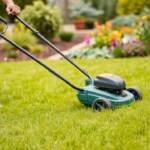

Many homeowners face the dilemma of whether to mow a wet lawn. This practical guide provides a comprehensive overview of wet mowing, helping you understand the challenges and offering tips for mowing in damp conditions. Whether you’re dealing with morning dew or lingering moisture after a rain, we’ll explore the safest and most effective methods to protect your lawn while achieving a well-manicured look.
Understanding Wet Grass and Lawn Conditions
What Constitutes Wet Grass?
Wet grass isn’t just grass that’s been rained on; it includes grass covered in morning dew, damp grass after irrigation, or grass affected by high humidity. The key factor is moisture clinging to the grass blades. Visually, wet grass often appears darker and heavier, with water droplets visible on the surface. Before you consider mowing the lawn, assess how much moisture is present. If the grass is saturated, cutting wet grass poses significant challenges.
Why Grass Becomes Wet
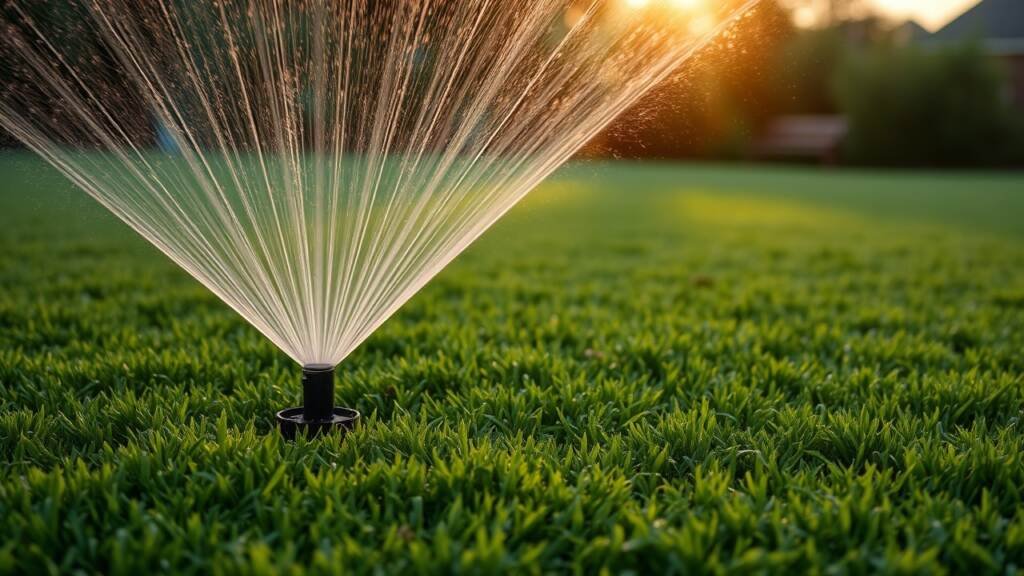
Several factors contribute to grass becoming wet. Dew formation is a common cause, especially in the early morning, as moisture condenses on the cool grass blades. Rainfall, whether a light drizzle or a heavy downpour, obviously wets the grass. Additionally, lawn irrigation systems, if not properly managed, can leave the grass damp. Understanding these sources of moisture is crucial in determining when and how to mow a wet lawn safely and effectively, reducing the risks associated with mowing in wet conditions.
Impacts of Wet Conditions on Lawn Health
Wet conditions significantly impact lawn health. Mowing in wet conditions or attempting to mow wet grass can lead to various problems. Wet grass may clump together, causing the mower to struggle and potentially clog. This can also increase the risk of lawn diseases, as wet turf creates a breeding ground for fungi. Additionally, the lawn mower’s wheels can compact wet soil, damaging the root system. Therefore, understanding these impacts is crucial for responsible lawn care.
Is It Safe to Mow Wet Grass?
Risks of Mowing a Wet Lawn
Mowing a wet lawn presents several risks. The most immediate is the potential for the lawn mower to slip on the wet grass, posing a safety hazard. Additionally, the mower deck can become clogged with wet grass clippings, reducing its efficiency and potentially causing the lawn mower to overheat. Cutting wet grass also increases the risk of lawn diseases, as the damp environment encourages fungal growth. Therefore, assessing these risks is vital before you mow the lawn in wet conditions.
Benefits of Mowing Wet Grass
Despite the risks, there are some benefits to mowing wet grass under specific circumstances. For instance, mowing in wet conditions can sometimes result in a cleaner cut, especially if the grass blades are weighed down by moisture. In regions with frequent rainfall, waiting for completely dry conditions might mean never mowing the lawn at all. However, the key is to mitigate the risks by using the right equipment and techniques to protect your lawn and yourself when mowing a wet lawn.
When Is It Too Wet to Mow?
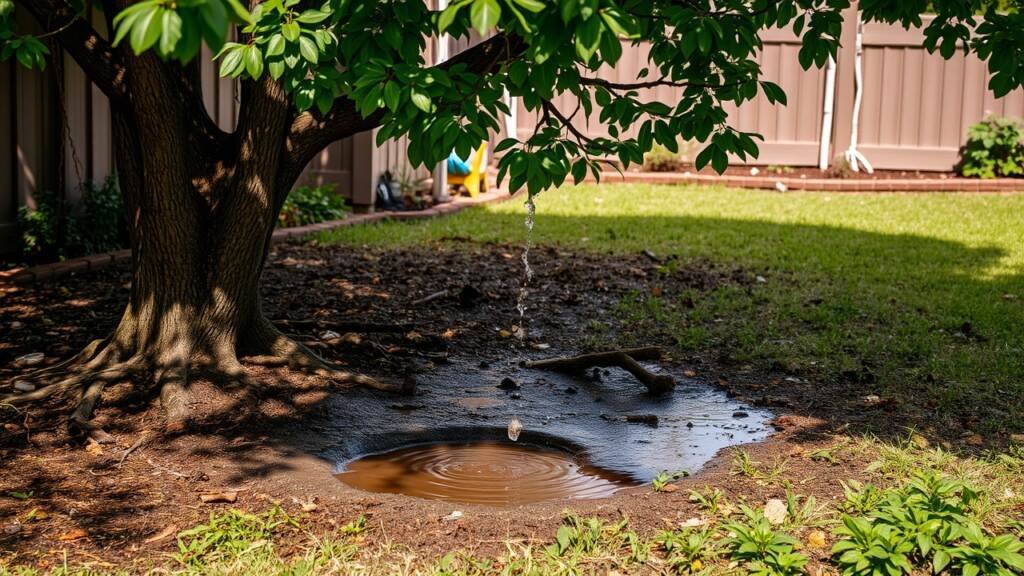
Knowing when it’s too wet to mow is crucial. Avoid mowing a wet lawn if there’s standing water or if the ground is saturated. If grass is wet, leaves excessively clump together under the lawn mower. Early morning dew might be manageable, but heavy rainfall requires waiting until the lawn has had a chance to dry out. Use your best judgment; if in doubt, it’s better to postpone mowing the lawn to prevent damage and ensure safety.
Preparing for Wet Mowing
Choosing the Right Mower for Wet Conditions
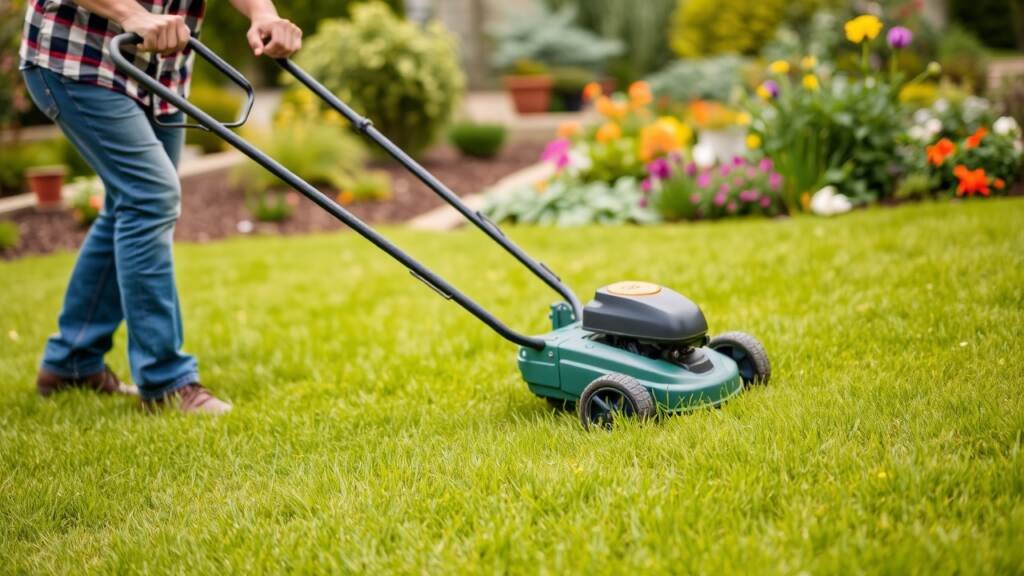
Selecting the appropriate lawn mower is vital for wet mowing. An electric mower is often a better choice for damp conditions due to its lighter weight and maneuverability. Ensure the mower blade is sharp to prevent tearing the grass blades, which can lead to disease. Regular maintenance, such as cleaning the mower deck and ensuring the discharge chute is clear, is essential for efficient wet mowing. A practical guide suggests that a well-maintained mower makes a significant difference when cutting grass.
Essential Tools and Equipment
Beyond the lawn mower, several tools can enhance your wet mowing experience. Wear appropriate safety gear, including slip-resistant boots and eye protection. A leaf blower can help clear excess water or wet clippings from the lawn. A scraper or similar tool is useful for cleaning the underside of the mower deck if it becomes clogged. These tools collectively contribute to safer and more effective lawn care in wet conditions.
Setting Up for a Safe Mowing Experience
Before you start mowing, take a few steps to ensure a safe experience. Raise the deck of your lawn mower to avoid cutting wet grass too short, which can stress the grass. Plan your mowing path to minimize slipping and ensure good traction. If possible, mow the lawn when it’s only slightly damp rather than saturated. Keep an eye out for any hazards, such as hidden objects or uneven terrain that might be more treacherous in wet conditions. Tips for mowing always include safety first!
Tips for Mowing a Wet Lawn
Best Practices for Cutting Wet Grass
When cutting wet grass, employ best practices to minimize damage and ensure a clean cut. Always raise the deck of your lawn mower to avoid scalping the grass, as wet conditions make it easier to cut wet grass too short. Mowing when the grass is slightly damp, rather than saturated, can also help. Overlap your mowing passes to prevent leaving uncut patches, and frequently clear the mower deck to prevent clogging.
Techniques for Handling Wet Grass
Here are some techniques to make mowing a wet lawn more manageable. When tackling this task, remember to:
- Use a bagging attachment to collect wet grass clippings, preventing them from clumping together on the lawn.
- Maintain a slower pace, giving the lawn mower more time to process the wet grass.
If your lawn mower struggles, take breaks to clean the underside of the mower deck and discharge chute. These tips for mowing can improve your efficiency.
Post-Mowing Lawn Care in Wet Conditions
After mowing a wet lawn, proper lawn care is essential. Avoid walking on the freshly mown lawn, as wet soil is more susceptible to compaction. Monitor the lawn for signs of lawn diseases, such as brown patches or fungal growth, and apply appropriate treatments if necessary. Rake any remaining wet clippings to promote air circulation and prevent matting. These wet conditions are crucial to maintaining a healthy lawn.
Alternatives to Mowing Wet Grass
When to Delay Mowing
Knowing when to delay mowing the lawn is crucial for maintaining lawn health. If grass is wet and saturated, postpone mowing until it has a chance to dry. Heavy rainfall, standing water, or excessive morning dew are indicators that it’s too wet to mow. Remember, patience is key; waiting a day or two can prevent significant damage and ensure a better cut when you do mow the lawn.
Creative Lawn Care Solutions
When conditions are consistently wet, consider creative lawn care solutions. Explore drought-resistant grass varieties that require less frequent mowing. Use a string trimmer for areas where the lawn mower can’t reach safely in wet conditions. Aerate the lawn to improve drainage and reduce moisture retention. A practical guide to alternative approaches can help you maintain a healthy lawn without always needing to mow.
Maintaining Your Lawn After Rain
After rainfall, focus on helping your lawn recover. Remove any debris, such as fallen branches or leaves, that can trap moisture and increase the risk of disease. Aerate the soil to improve drainage and reduce compaction caused by the rain. Apply a balanced fertilizer to replenish nutrients washed away by the wet conditions. These steps promote healthy growth and resilience, ensuring your lawn thrives even after being wet.