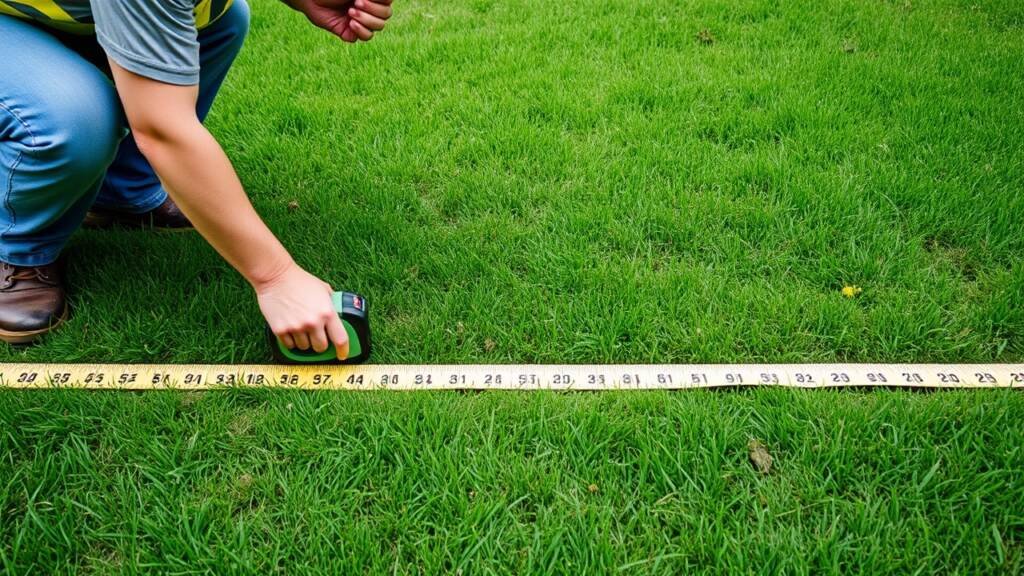
Achieving a healthy lawn starts with understanding the best mowing height. More important than mowing frequency, the grass cutting height significantly influences lawn health, resilience, and overall appearance. This guide will walk you through everything you need to know.
Introduction to Mowing Height
Mowing height refers to the length at which you cut your grass, and it plays a critical role in determining the health and appearance of your lawn. The correct height impacts everything from root development to weed control, so getting it right is essential for a vibrant, healthy lawn.
Importance of Mowing Height Over Frequency
While consistent lawn mowing is necessary, the mowing height is actually more critical for lawn care. Cutting the grass at the right height encourages deeper root growth, making the grass plant more resilient and better able to withstand environmental stresses. Mowing frequency is less important than mowing height.
Overview of Grass Types in Puyallup, WA
Puyallup, WA, is known for its cool-season grasses, which thrive in the Pacific Northwest’s climate. Common grass types include Kentucky bluegrass, perennial ryegrass, and fescues. Each type of grass has an ideal mowing height to maintain a healthy lawn, which will be discussed throughout the text.
How Mowing Height Influences Lawn Health
The grass cutting height directly impacts the lawn’s ability to absorb sunlight, retain moisture, and compete with weeds. Proper mowing at the recommended height promotes a dense turf, reducing weed invasion and enhancing the lawn’s overall vigor. You should always keep your lawn in good condition.
Impact of Mowing Height on Lawn Health
Mowing height dramatically affects various aspects of lawn health, from root depth to resistance against drought and weeds. The right height encourages robust growth, improves water retention, and helps the lawn withstand common stresses, all of which results in a healthy lawn.
Effects on Root Depth
When you mow your lawn at the proper height, you encourage deeper root growth. Taller grass blades shade the soil, keeping it cooler and reducing moisture loss. This encourages the grass plant to send roots deeper into the soil in search of water and nutrients, promoting a healthier, more resilient lawn. This way you keep your lawn in good condition.
Drought Resistance and Weed Control
Maintaining the optimal height for your grass type significantly improves drought resistance. Taller grass can retain more moisture and shade the soil, reducing evaporation. Additionally, a dense, healthy lawn at the correct height naturally chokes out weeds, minimizing the need for herbicides. Proper mowing helps prevent weed growth.
Understanding the One-Third Rule
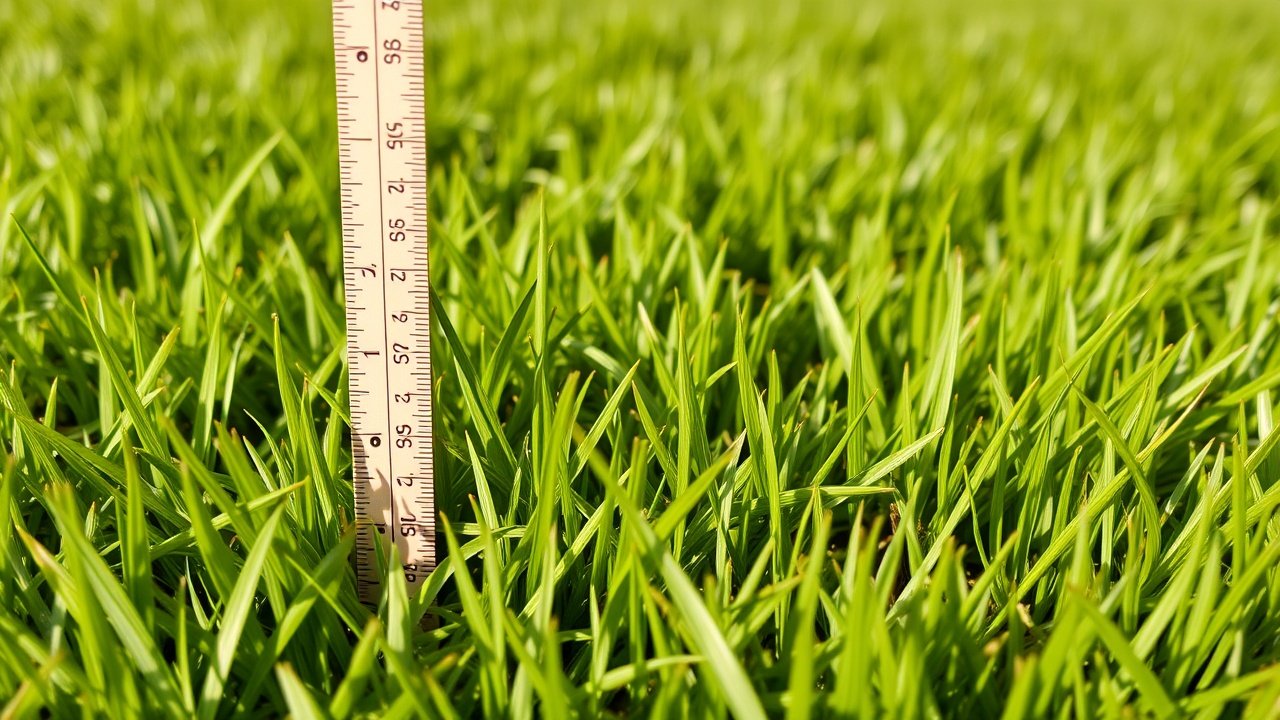
The “one-third rule” is a fundamental principle in lawn care. It states that you should never remove more than one-third of the grass blade in a single mowing. This prevents stress on the grass plant, ensuring it remains healthy. Adhering to this rule promotes stronger roots and a denser, greener lawn, so always follow the one-third rule.
Lawn Mowing Height Chart by Grass Type
Choosing the best height to cut grass depends on the grass type you have. A grass cutting height chart provides a quick reference to ensure you cut the grass at the ideal mowing height. This promotes optimal health and appearance of your lawn. Always consider grass type for proper mowing.
Complete Grass Cutting Height Chart
Below is information detailing the recommended height for various cool-season grasses. Following this information will help you maintain a healthy lawn and achieve the ideal height for your grass. This can be used to find the best height to cut. Some of the information is summarized below:
| Grass Type | Recommendation |
|---|---|
| Cool-Season Grasses | Ideal height for your grass |
| All Grasses | Maintain a healthy lawn |
Cool-Season Grass Types and Their Ideal Heights
Here’s the transformed paragraph with a table summarizing the mowing heights: “`html Cool-season grasses like Kentucky bluegrass, perennial ryegrass, and fescues thrive at different mowing heights. To help you keep your lawn beautiful, here’s a table summarizing recommended mowing heights:
| Grass Type | Recommended Mowing Height |
|---|---|
| Kentucky Bluegrass | 2 inches to 2.5 inches |
| Perennial Ryegrass | 2 inches to 3 inches |
| Fine Fescues | 2.5 inches to 3.5 inches |
Warm-Season Grass Considerations
While less common in Puyallup, WA, warm-season grasses such as Bermuda grass and Zoysia grass are more common in warmer climates and require different mowing heights. If you have warm-season grasses, it is important to research their specific mowing height needs to maintain a healthy lawn, because grass type is essential.
Seasonal Best Mowing Height in Puyallup, WA

Spring and Summer Mowing Heights
During the growing season of spring and summer, it’s crucial to adjust your mowing height to promote a healthy lawn. For cool-season grasses, maintaining a higher cut – around 2 inches to 3 inches – is generally recommended. This encourages deeper root growth and helps the grass withstand warmer temperatures, ensuring a vibrant turf.
Fall and Winter Mowing Adjustments
As the weather cools, gradually lower the mowing height for the last few lawn mowings of the season. Cutting the grass slightly shorter—around 2 inches—can help prevent snow mold and other winter diseases. Ensure not to cut grass too short, as this can damage the grass plant. Always keep your lawn’s health in mind.
Adapting to Weather Conditions
Be flexible with your mowing schedule based on weather patterns. If there’s a prolonged dry spell, allowing the grass to grow a bit longer can help it conserve moisture. Conversely, during periods of rapid growth, more frequent lawn mowing at the recommended height will keep your lawn looking its best and prevent scalping by adhering to the one-third rule.
Common Mowing Height Mistakes
Cutting Grass Too Short
One of the most frequent errors is cutting grass too short. This practice weakens the grass plant, making it more susceptible to weeds and disease. When you mow your lawn, aim for the optimal height that supports healthy growth without stressing the turf. Avoid scalping when you cut your lawn.
Inconsistent Mowing Practices
Inconsistent lawn mowing can also harm your lawn. Varying the grass height each time you mow your lawn stresses the grass, leading to uneven growth and a less attractive appearance. Maintain a consistent mowing schedule at the right height to promote uniform growth and density. Be mindful of your mowing frequency.
Ignoring Grass Type Differences
Different grass types have varying needs when it comes to mowing height. Ignoring these differences can lead to poor lawn health. Always consider the specific grass type in your lawn and adjust your grass cutting height accordingly. Using a grass cutting height chart can help with this, finding the best height to cut grass.
Long-Term Benefits of Proper Mowing Height
Improving Lawn Density and Health
Maintaining the proper height when you cut your grass significantly improves lawn density and overall health. Taller grass promotes deeper root systems, which in turn leads to a more resilient and vibrant lawn. This also helps in preventing weeds and reducing the need for chemical treatments.
Enhancing Aesthetic Appeal
A well-mown lawn at the ideal height enhances the aesthetic appeal of your property. Uniform grass height creates a polished, manicured look that improves curb appeal and adds value to your home. Regular lawn mowing at the recommended height ensures a consistently beautiful turf.
Cost Savings on Lawn Care
Practicing proper mowing techniques can lead to long-term cost savings on lawn care. A healthy lawn is more resistant to pests, diseases, and drought, reducing the need for expensive treatments and excessive watering. By adhering to the best mowing height for your grass type, you invest in the long-term health and beauty of your lawn.
When to Hire a Professional Lawn Care Service
Signs Your Lawn Needs Expert Attention
Knowing when to seek professional lawn care is crucial for maintaining a healthy lawn. If you notice persistent weed problems, uneven growth, or signs of disease despite your best efforts, it may be time to consult an expert. Professionals have the knowledge and tools to diagnose and address complex lawn issues effectively, helping you keep your lawn beautiful.
Benefits of Professional Lawn Services
Hiring a professional lawn care service offers numerous benefits. Experts can provide tailored solutions based on your specific grass type and soil conditions. They also have access to professional-grade equipment and treatments, ensuring your lawn receives the best possible care. With regular maintenance, you can enjoy a lush, weed-free turf without the hassle.
Why Choose Destiny Landscaping
For homeowners in Puyallup, WA, Destiny Landscaping offers top-notch lawn care services. With a deep understanding of cool-season grasses and local climate conditions, they can provide customized mowing and maintenance plans to ensure your lawn stays healthy and vibrant year-round. Trust Destiny Landscaping to keep your lawn looking its best.
Conclusion
Recap of Key Mowing Height Tips
Remember, the best mowing height is crucial for a healthy lawn. Know your grass type, adhere to the one-third rule, and adjust your mowing height seasonally. Proper mowing promotes deeper root growth, prevents weeds, and enhances the overall appearance of your lawn, helping you keep your lawn in great condition.
Encouragement to Apply Best Practices
By following these lawn care tips and maintaining the correct height when you mow your lawn, you can achieve a lush, vibrant turf that enhances your home’s curb appeal. Consistent effort and attention to detail will pay off with a beautiful and healthy lawn that you can enjoy year-round. Adhere to proper mowing practices.
Soft Call-to-Action for Lawn Care Services
If you’re struggling to maintain the ideal mowing height and achieve a healthy lawn, consider reaching out to Destiny Landscaping. Our expert team can provide tailored lawn care solutions to meet your specific needs, ensuring your lawn always looks its best. Contact us today for a consultation!
FAQs About Mowing Height
How High Should You Mow Your Lawn?
The grass height depends on the grass type, but generally, cool-season grasses should be mown between 2 inches and 3 inches. Taller grass promotes deeper root growth, which helps the lawn withstand drought and compete with weeds. Always adjust the mowing height based on the grass type and season for a healthy lawn.
What is the Ideal Mowing Height for Cool-Season Grass?
The ideal mowing height for cool-season grasses like Kentucky bluegrass, perennial ryegrass, and fescues typically ranges from 2 inches to 3.5 inches. Mowing height can be adjusted to promote optimal health and density. Specific recommendations are listed below:
| Grass Type | Ideal Mowing Height |
|---|---|
| Kentucky Bluegrass | 2 inches to 2.5 inches |
| Perennial Ryegrass | 2 inches to 3 inches |
| Fine Fescues | 2.5 inches to 3.5 inches |
How Often Should I Mow My Lawn?
Mowing frequency depends on the grass type and growth rate. Typically, you should mow your lawn when it has grown about one-third above the recommended height. This might mean mowing once a week during peak growing season or less frequently during slower growth periods. Adhering to the one-third rule prevents stressing the grass plant.
Can I Mow When It’s Wet?
While it’s best to mow your lawn when it’s dry, sometimes it’s unavoidable to cut grass when it’s wet. Wet grass can clump and be difficult to cut evenly. Using a sharp mower blade helps, but avoid mowing if the grass is excessively wet to prevent damage and ensure a clean cut. Be mindful of your grass type.
What Equipment is Best for Mowing?
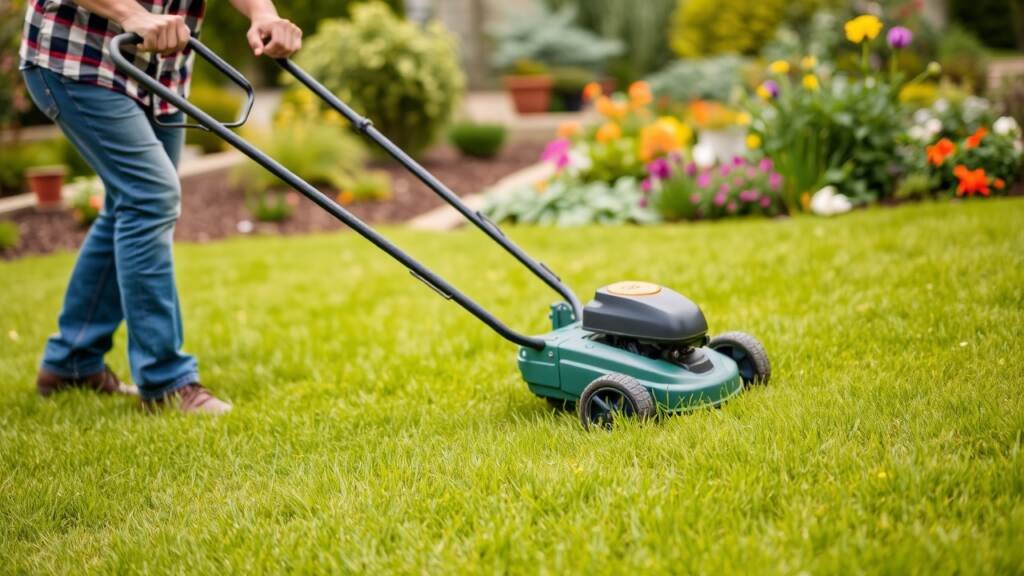
The best equipment depends on the size and terrain of your lawn. A rotary mower is suitable for most residential lawns, while a reel mower provides a cleaner cut for fine turf. Ensure your mower blade is sharp and well-maintained for optimal performance and a healthy lawn. Select the lawn mower based on your needs.
- Commercial Landscaping Tacoma – Professional Maintenance for Businesses
- Smart Design Tips for Multi-Generational Homes: Comfort, Connection, and Cost Optimization
- Luxury outdoor living spaces in puyallup wa ideas cost guide
- Smart Lawn Mowing Robots: The Future of Effortless Lawn Care in the U.S.
- Transform Your Outdoor Space: Decor & Patio Ideas for Outdoor Living