Maintaining a vibrant and healthy lawn requires more than just watering and fertilizing. The lawn mowing frequency plays a crucial role in the overall health and appearance of your yard. Understanding when and how often you should mow is essential for optimal grass growth and preventing common lawn problems. This guide will help you identify signs you’re mowing too often or not enough, ensuring you keep your lawn looking its best.
Introduction: Understanding Lawn Mowing Frequency
Achieving a lush, green lawn involves understanding the nuances of lawn care, with mowing frequency being a key component. Knowing how often you should mow your lawn directly impacts its health, density, and resilience. The goal is to find a balance that promotes healthy grass growth without stressing the grass. It’s more than just running the mower over the yard; it’s about understanding your lawn’s needs.
Importance of Proper Mowing for Lawn Health
Proper mowing directly influences lawn health by affecting grass growth patterns. When you mow correctly, you encourage the grass to grow denser and stronger. On the other hand, incorrect mowing can weaken the grass, making it susceptible to disease and weed infestations. Regular, appropriate mowing promotes a healthy lawn, enhancing its ability to withstand environmental stresses.
Common Questions: How Often Should You Mow Your Lawn?
One of the most frequently asked questions in lawn care is, “How often should you mow your lawn?”. The answer isn’t straightforward, as it depends on several factors, including the type of grass, the season, and your desired lawn height. Generally, the rule of thumb is to never cut more than one-third of the grass blade at a time. This principle helps maintain lawn health and prevents stress on the grass.
Signs You’re Mowing Too Often
Recognizing the signs you’re mowing too often is crucial for maintaining a healthy lawn. Overmowing can lead to several visible and detrimental effects. If you’re cutting your grass too short or mowing too frequently, the grass may struggle to recover, resulting in a thin, weak lawn. Understanding these signs helps you adjust your mowing schedule for optimal grass growth and lawn health.
Visual Symptoms of Overmowing
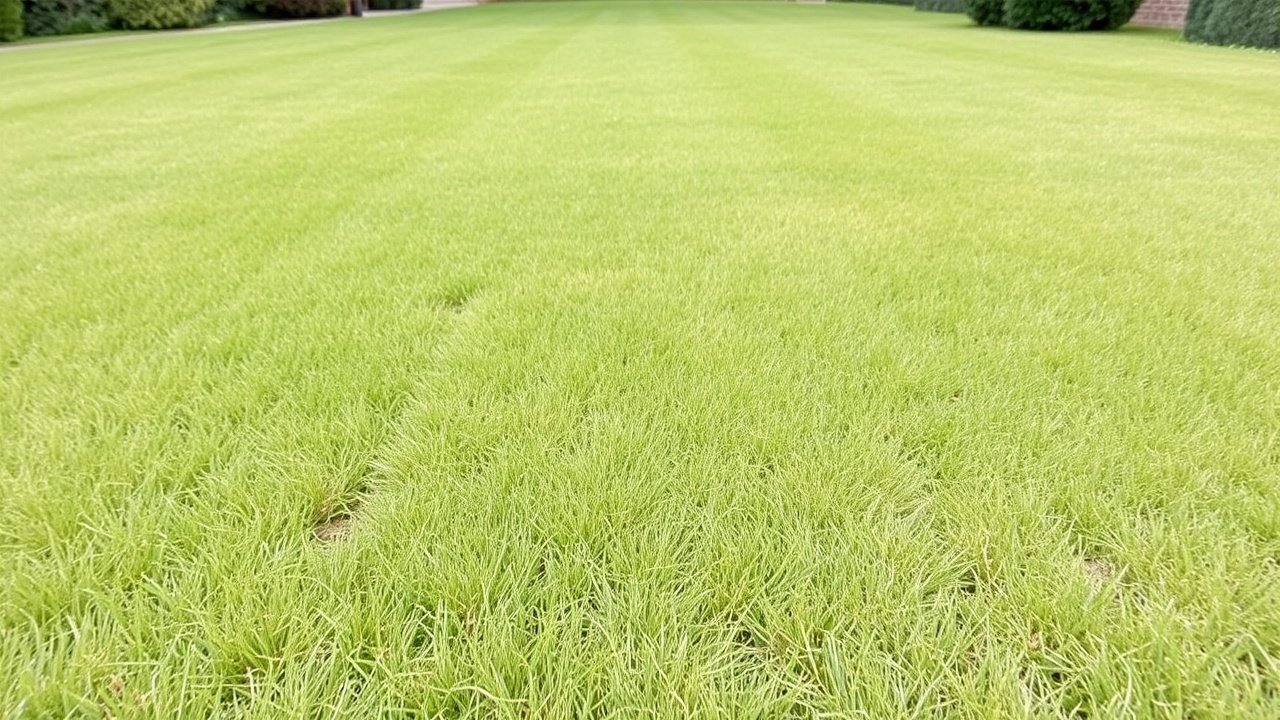
One of the first visual symptoms of overmowing is a scalped or brown appearance of the lawn. When you mow too short, you’re cutting your grass too short and exposing the soil to excessive sunlight, which can scorch the grass. Additionally, you might notice that the grass appears thin and sparse rather than dense and full. These visual cues indicate that you need to mow less and adjust your mowing height.
Impact on Grass Growth and Health
Mowing too often can severely impact grass growth and overall lawn health. Frequent mowing stresses the grass plants. This stress weakens the root systems, making them less able to absorb water and nutrients. As a result, the grass growth slows down, and the lawn becomes more vulnerable to diseases, pests, and weed infestations.
Grass Type Considerations for Mowing Frequency
The ideal mowing frequency is heavily influenced by the type of grass you have in your lawn. Different grass types have different growth rates and optimal mowing heights. For instance, some grass types thrive when kept at a lower mowing height, while others prefer to be a bit longer. Understanding your grass type and its specific mowing needs is crucial for maintaining a healthy lawn and avoiding the pitfalls of mowing too often or not enough.
Signs You’re Not Mowing Enough

Indicators of Undermowing
If you aren’t mowing your lawn often enough, several indicators will become apparent. One of the most obvious signs you’re not mowing is excessively tall grass. When the grass grows too long, it begins to flop over, creating a matted appearance. You might also notice an increase in weeds, as taller grass provides shade and protection for weed seeds to germinate and thrive. This can significantly impact your lawn health.
Consequences of Letting Grass Grow Too Tall
Letting the grass grow too tall has several negative consequences for your lawn. Tall grass shades the lower grass blades, preventing them from receiving adequate sunlight, which is essential for photosynthesis and healthy grass growth. This can lead to weaker grass and a thinner lawn overall. Additionally, tall grass can become a breeding ground for pests and diseases, further compromising lawn health. If you don’t mow regularly, it will affect the type of grass.
Adjusting Your Mowing Schedule
Adjusting your mowing schedule is essential if you observe signs you’re not mowing enough. Consider mowing more often, especially during peak growing seasons when the grass type grows rapidly. Ensure that you never cut more than one-third of the grass blade at a time to prevent stressing the grass. Regularly mowing the lawn at the correct mowing height promotes denser, healthier grass and helps keep your lawn looking its best. If your grass is getting too long, adjust your mowing frequency.
Ideal Mowing Frequency by Season in Puyallup, WA
Spring Mowing Schedule
In Puyallup, WA, spring brings increased rainfall and warmer temperatures, leading to rapid grass growth. During this season, you might need to mow every five to seven days to keep your lawn at the ideal grass height. Pay attention to your specific grass type and its growth rate. It’s crucial to adjust your mowing frequency based on how quickly the grass grows. Consistent lawn mowing is essential for maintaining lawn health during the active spring growth period.
Summer Mowing Frequency
Summer in Puyallup often means drier conditions and potentially slower grass growth compared to spring. Adjust your mowing schedule accordingly; you may find that mowing every seven to ten days is sufficient. Monitor your lawn closely. If the grass isn’t growing as quickly, avoid the temptation to cut your grass too short in an attempt to maintain its appearance. Prioritize lawn health by mowing based on the actual grass growth rate, not just a fixed schedule.
Fall and Winter Considerations
As fall arrives, grass growth slows down significantly, and you’ll need to reduce your mowing frequency. Typically, mowing every two to three weeks may suffice. Once winter sets in, grass growth largely ceases, and you can essentially stop mowing until spring. Before the final mow of the season, remove any leaves or debris from your lawn to prevent disease and promote healthy lawn conditions as the grass enters its dormant phase. Always take extra care of your grass.
How Correct Mowing Improves Lawn Health and Appearance
The Role of Mower Blade Height
The height of your mower blade plays a vital role in maintaining a healthy lawn. Setting the mower blade to the correct mowing height ensures you never cut the grass too short, which can stress the grass and lead to various lawn problems. Using the correct mower blade height encourages grass growth, leading to a denser and more resilient lawn. When you cut your grass at the proper height, you promote lawn health.
Maintaining Grass Height for a Lush Lawn
Maintaining the right grass height is crucial for a lush and vibrant lawn. Different grass types have different optimal heights. Understanding your grass type and setting your mower accordingly is key. Aim to mow your lawn so that you only remove one-third of the grass blade at a time. This practice supports healthy grass growth and helps keep your lawn looking its best. Knowing how often you should mow is important.
Best Practices for Cutting Your Grass
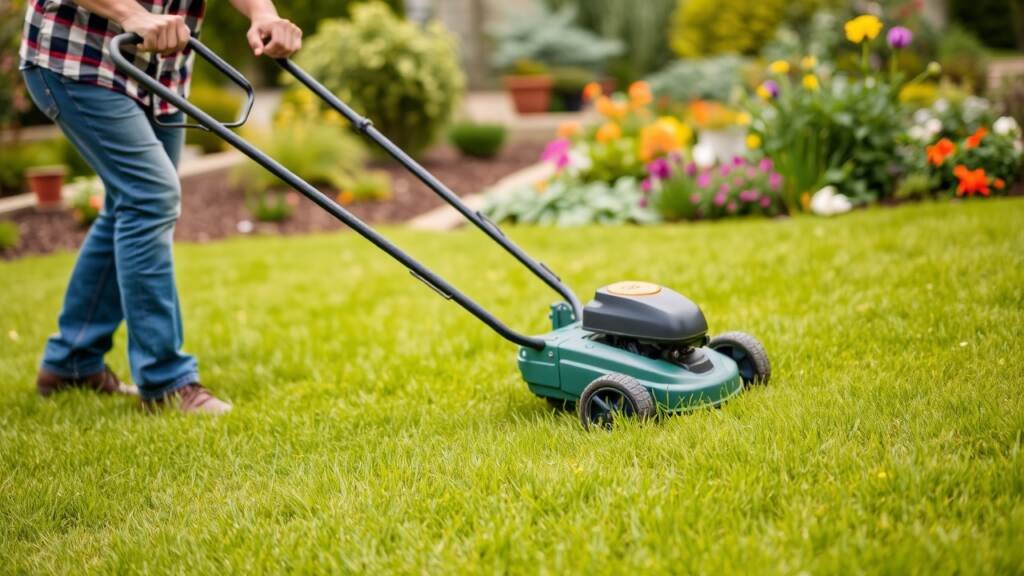
When you cut your grass, there are several best practices to follow. Ensure your mower blade is sharp to avoid tearing the grass, which can make your lawn vulnerable to disease. Mow in the early morning or late afternoon to avoid the heat of the day, reducing stress on the grass. Overlap each mowing pass slightly to ensure even cutting. Adhering to these practices promotes a healthy lawn and enhances its appearance.
When to Hire a Professional Lawn Care Service
Recognizing When You Need Help
There are times when lawn care becomes overwhelming, and you might recognize you need to mow and it’s time to seek professional help. If you notice persistent problems such as recurring diseases, pest infestations, or uneven grass growth, it may be beneficial to consult with a lawn care service. Professional lawn care services have the expertise and tools necessary to diagnose and address complex lawn issues, helping you keep your lawn in optimal condition.
Benefits of Professional Lawn Care in Puyallup
In Puyallup, professional lawn care services offer numerous benefits tailored to the local climate and grass types. These services can provide specialized treatments for common lawn problems in the Pacific Northwest, such as moss and fungal diseases. Moreover, professional lawn care services ensure your lawn receives the right nutrients and care, promoting healthy lawn and beautiful grass growth. When deciding how often you should mow the professionals will help.
Why Homeowners Choose Destiny Landscaping
Reputation for Quality Lawn Care Services
Destiny Landscaping has built a strong reputation for providing quality lawn care services in Puyallup, WA. Homeowners trust their expertise to maintain healthy lawns. Destiny Landscaping delivers consistent and reliable service. When you mow your lawn, you will want the best service possible.
Expertise in Local Grass Types and Conditions
One of the reasons homeowners choose Destiny Landscaping is their expertise in local grass types and conditions. They understand the specific needs of lawns in Puyallup, WA, and tailor their lawn care services accordingly. Whether it’s choosing the right fertilizer or adjusting the mowing schedule based on the season, their knowledge ensures your lawn receives the best possible care. When you mow your lawn the team at Destiny Landscaping will keep your lawn green.
Conclusion: Finding the Right Mowing Balance
Summarizing Key Lawn Care Tips
In summary, maintaining a healthy lawn involves understanding lawn mowing frequency, adjusting your mowing schedule based on the season and grass growth, and ensuring you never cut more than one-third of the grass blade at a time. Proper lawn care also includes using a sharp mower blade and knowing your grass type. Always mow so you never cut grass too short. Following these tips will keep your lawn in top condition.
Encouragement to Reach Out for Professional Help
If you’re struggling to maintain a healthy lawn or unsure about how often you should mow, don’t hesitate to reach out for professional lawn care assistance. Destiny Landscaping in Puyallup, WA, offers expert services to help you achieve and keep your lawn looking its best. Contact us today to schedule a consultation and take the first step towards a beautiful, thriving lawn.
FAQs About Lawn Mowing Frequency
How Often Should You Mow in Different Seasons?
Determining how often you should mow in different seasons depends on the grass growth rate, which varies significantly. In spring, when grass grows rapidly, you might need to mow more frequently, perhaps mow every five to seven days. Summer may require less frequent mowing as grass growth slows. Fall sees a further reduction, and winter typically means you can stop mowing altogether. Understanding these seasonal changes will keep your lawn healthy lawn.
What Are the Signs of Overmowing?
The signs you’re mowing too often include a scalped appearance, where the grass looks brown and thin. Other indicators are stunted grass growth, increased weed infestations, and a general decline in lawn health. If you’re cutting your grass too short or too frequently, the grass won’t have enough leaf surface to photosynthesize efficiently, leading to weakness. So, if you cut grass too much, you’ll weaken grass growth.
How Can I Maintain a Healthy Lawn?
To maintain a healthy lawn, it’s crucial to mow your lawn at the correct mowing height for your grass type, ensuring you never cut more than one-third of the grass blade at a time. Regularly sharpen your mower blade to prevent tearing the grass, and adjust your mowing schedule based on seasonal grass growth. Proper watering and fertilization practices also contribute to lawn health. If you follow these simple tips, you will keep your lawn healthy.
What Grass Types Require Different Mowing Frequencies?
Different grass types have varying grass growth rates and optimal grass heights, which influences mowing frequency. For example, some warm-season grass types might require more frequent mowing during their peak growing season, while cool-season grass types might need less frequent mowing in the summer. Understanding the specific needs of your grass type is essential for lawn health and helps determine how often to mow.