
Many homeowners hear the term “landscape construction” and aren’t entirely sure what it means, often confusing it with regular landscaping. However, understanding the difference is key to planning any major outdoor space renovation. This ultimate guide will help clarify what landscape construction is, what it includes, and how it differs from typical landscape maintenance. At Destiny Landscape, we know how important it is for homeowners to have a clear understanding before starting any landscape project.
Defining Landscape Construction
What It Includes
Landscape construction focuses on creating functional outdoor living spaces and involves various structural elements. These elements can include:
- Building patios
- Installing retaining walls
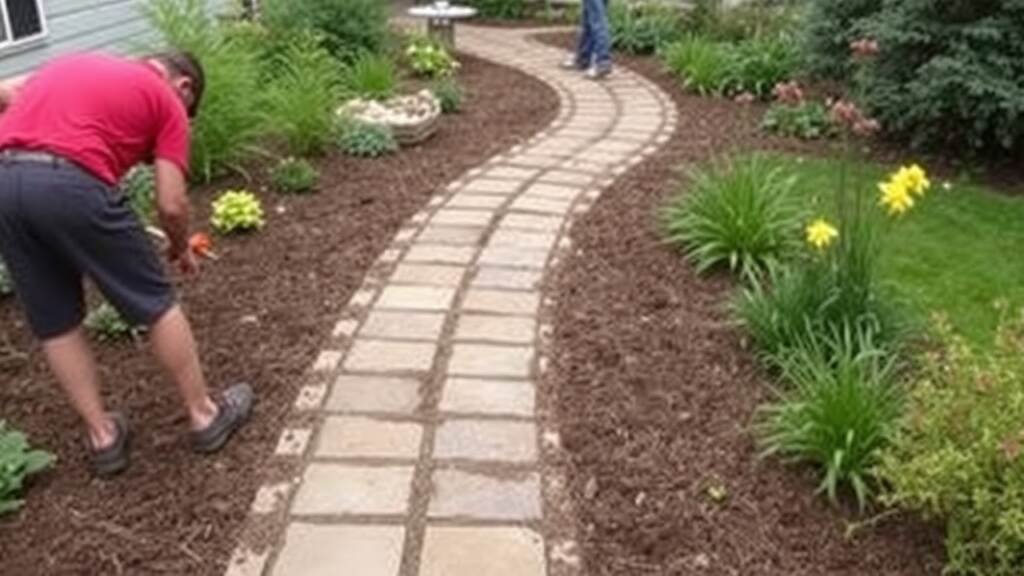
It also covers features like walkways, ensuring durable installations and transformations of your outdoor area.
How It Differs from Landscaping
While landscaping primarily deals with the aesthetic elements like planting shrubs, laying sod, and general landscape maintenance, landscape construction is about the foundational build, involving hardscape elements and addressing critical issues like drainage. Think of it as the architectural side of creating your dream landscape.
Project-Based Scope
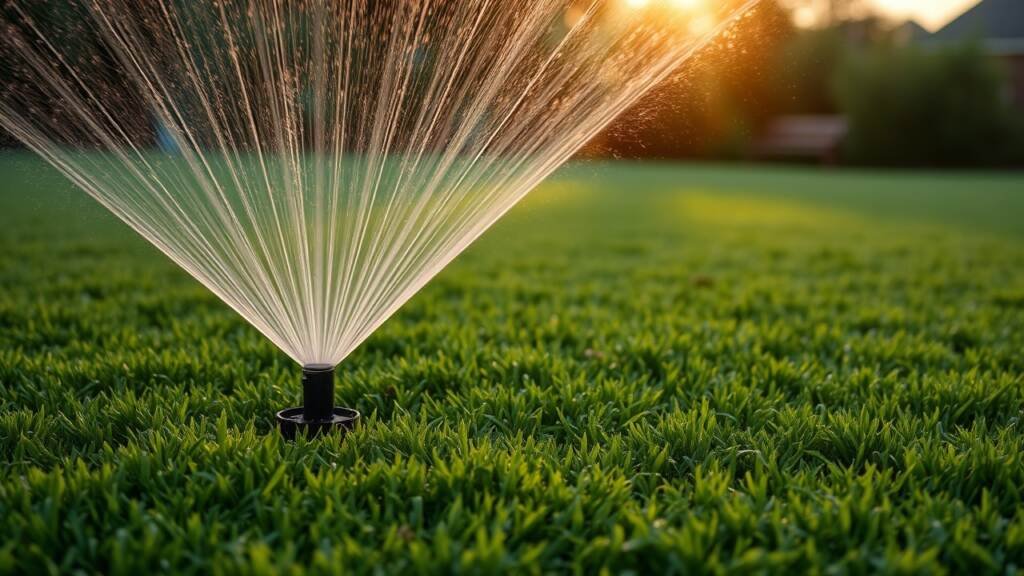
Landscape construction is typically project-based, addressing larger-scale changes to your property. Unlike regular landscaping services, which are often ongoing, construction projects are finite and designed to achieve specific goals. Whether it’s building an outdoor kitchen or installing an irrigation system, the scope is defined by the construction project’s objectives, aiming to enhance both the beauty and functionality of your outdoor area.
Common Landscape Construction Services
Hardscaping: Pavers, Patios, Retaining Walls
Hardscaping forms the backbone of many landscape construction projects, adding curb appeal and creating more usable living space. This often involves several key elements:
- Installing pavers to create elegant patios
- Constructing sturdy retaining walls to manage soil erosion and add visual interest
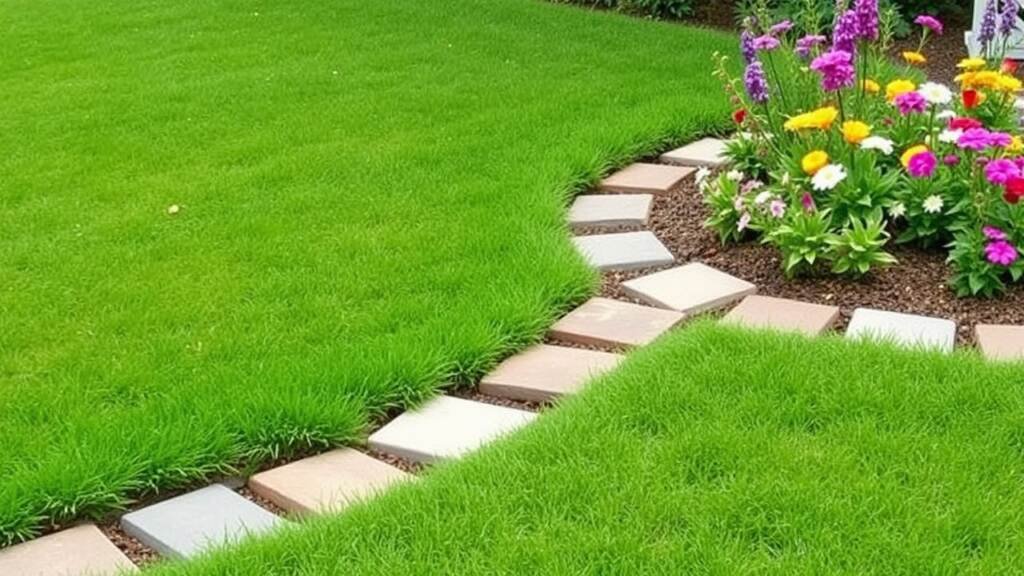
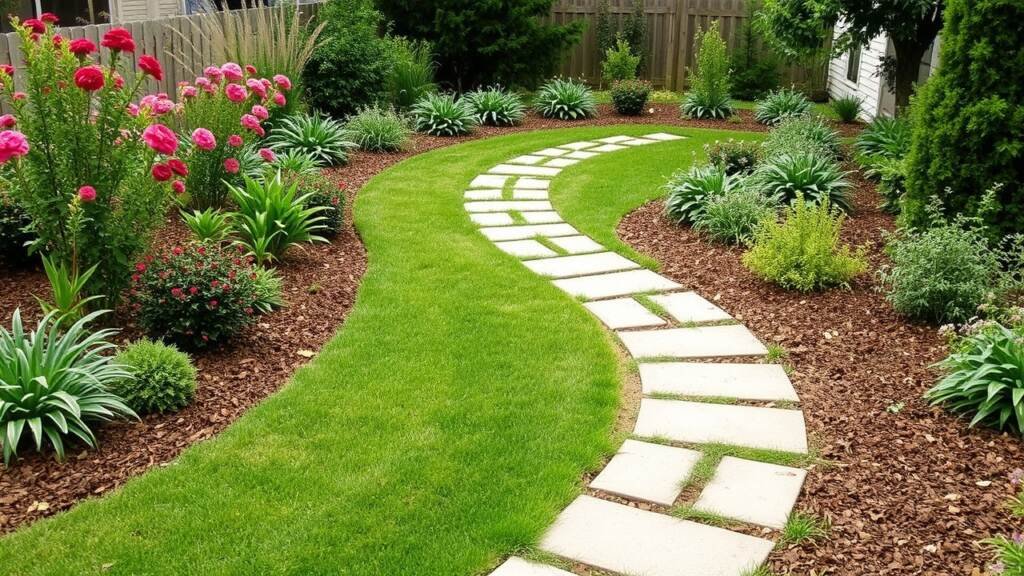
- Designing walkways that seamlessly integrate with your landscape design
These elements not only add curb appeal but also create more usable and enjoyable living space.
Outdoor Structures
Landscape construction often includes the creation of outdoor structures that can dramatically enhance your outdoor living space. These enhancements can come from building structures such as:
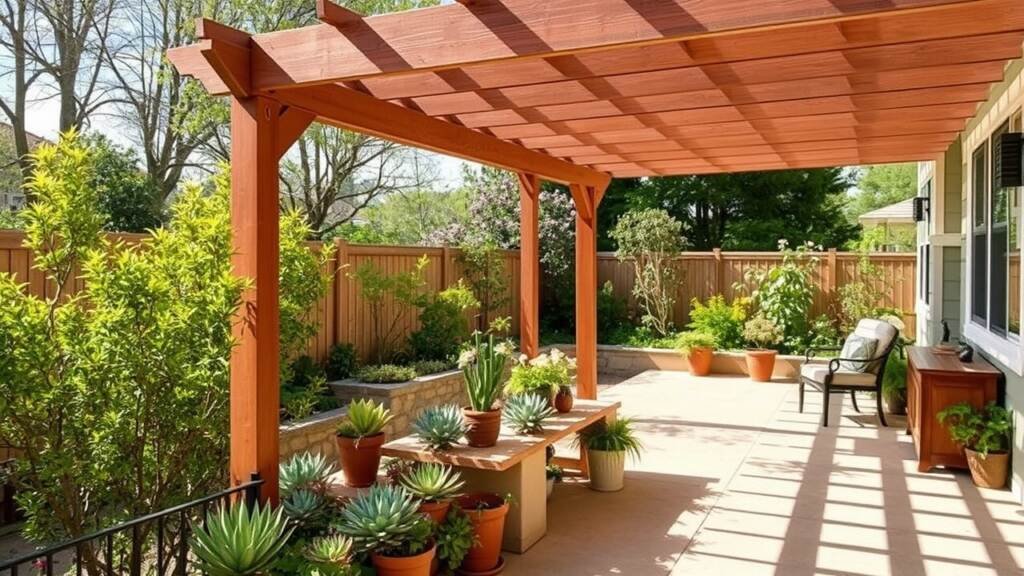
- Pergolas for shaded relaxation areas
- Decks for entertaining
- Custom-built sheds for storage
These structures add functionality and create focal points within your new landscape, increasing the value and enjoyment of your property.
Grading and Drainage
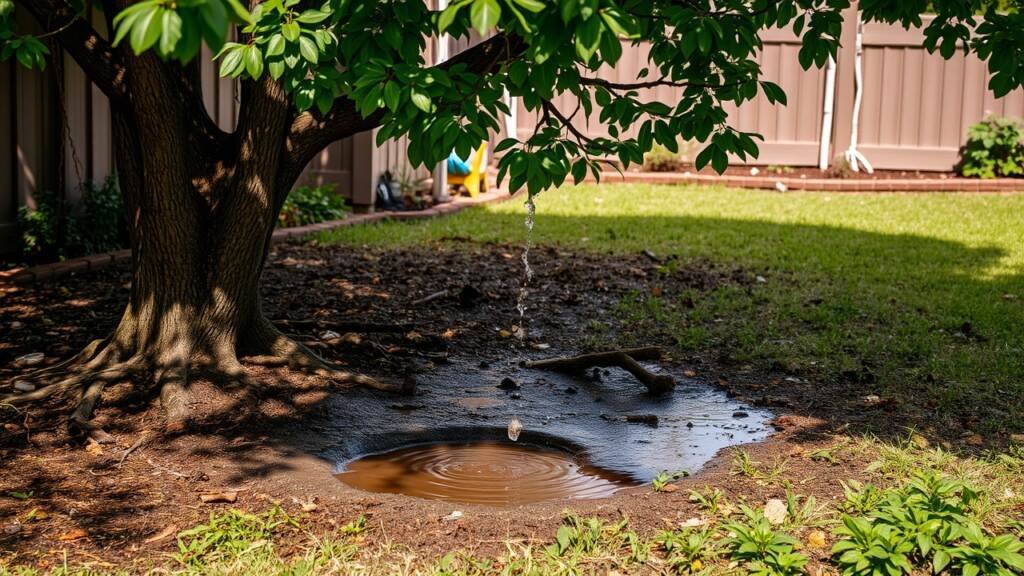
Proper grading and drainage are crucial aspects of landscape construction, ensuring the longevity and stability of your landscape project. Addressing these elements involves reshaping the land to direct water away from your home’s foundation and installing drainage systems to prevent water accumulation. Effective drainage is essential for maintaining a quality landscape and preventing costly damage.
The Landscape Construction Process Explained
Planning and Design
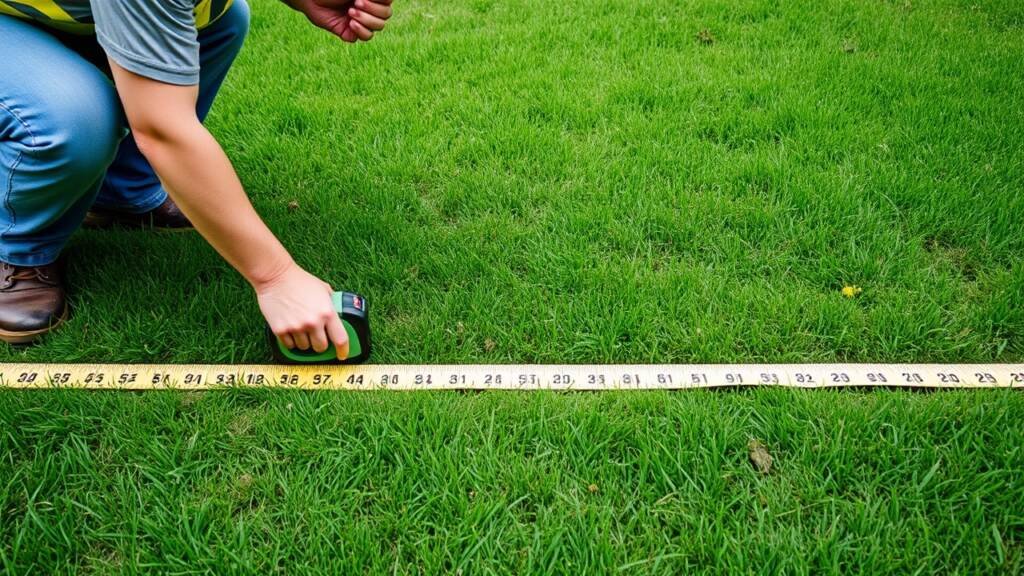
The landscape construction process begins with meticulous planning and landscape design, considering the homeowner’s vision, site conditions, and budget. During this phase, the homeowner collaborates with a landscape designer or landscape architect to create a comprehensive landscape plan. This design plan considers factors like the homeowner’s vision, the existing landscape features, site conditions, and budget, ensuring the final construction project aligns with their needs and preferences, resulting in a functional outdoor space.
Site Preparation
Site preparation involves clearing the area and grading the land to ensure proper drainage. This is the next crucial step in landscape construction. This involves clearing the area, grading the land to ensure proper drainage, and addressing any underlying issues that could impact the project’s stability. Proper site preparation is essential for creating a solid foundation for the new landscape and preventing potential problems down the road, leading to a quality landscape.
Installation and Finishing
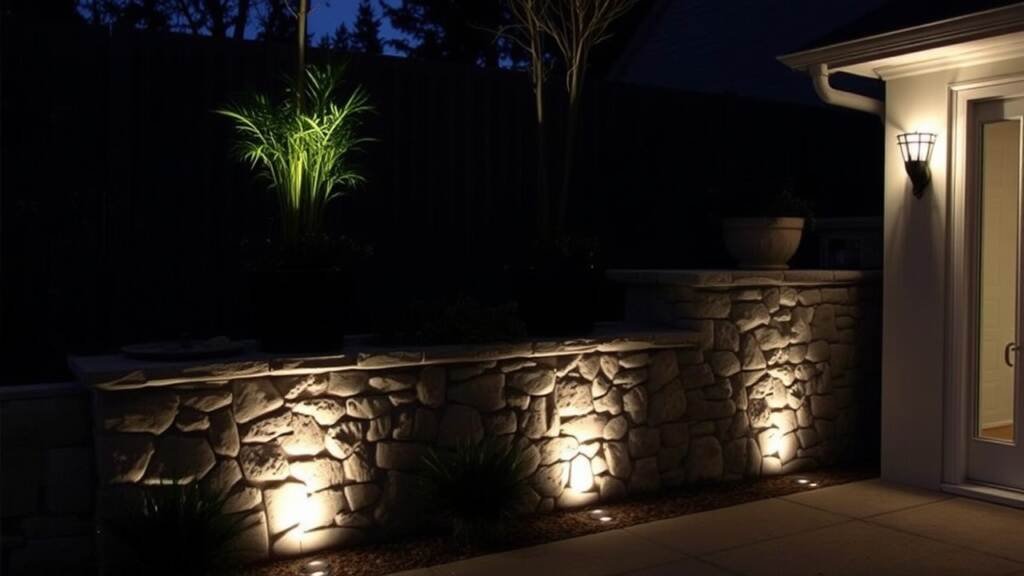
The installation phase involves building hardscape elements, installing outdoor structures and irrigation systems, and completing finishing touches like landscape lighting and planting. This is where the landscape construction truly comes to life. This involves building hardscape elements like patios, walkways, and retaining walls, as well as installing outdoor structures and irrigation systems. Finishing touches, such as landscape lighting and planting, complete the project, transforming the outdoor area into a stunning and functional outdoor living space. With careful attention to detail, the installation and finishing phase brings the landscape design to a successful completion.
Landscape Construction vs Traditional Landscaping
Scope and Scale
Landscape construction involves large-scale projects that often require structural changes, while traditional landscaping focuses on maintenance-oriented tasks. Landscape construction and traditional landscaping differ significantly in scope and scale. Landscape construction involves large-scale projects that often require structural changes to the property, such as building retaining walls or installing a new patio. Traditional landscaping, on the other hand, focuses on smaller, maintenance-oriented tasks like mowing, pruning shrubs, and planting flowers, ensuring the landscape maintenance is up to date.
Time Commitment
Landscape construction projects typically require a longer time commitment than regular landscaping services due to extensive planning and installation. Construction projects involve extensive planning, site preparation, and installation, which can take several weeks or even months to complete. In contrast, landscaping services are usually performed on a regular basis, such as weekly or monthly, requiring less intensive time commitment from the homeowner.
Required Expertise
Landscape construction requires specialized expertise and skills that go beyond traditional landscaping. Landscape contractors and landscape architects have the knowledge and experience to handle complex projects involving grading, drainage, and structural elements. While landscaping companies can handle basic maintenance tasks, landscape construction demands a higher level of technical proficiency and design principles to ensure a successful landscape.
When Homeowners Need Landscape Construction
Structural Upgrades
Homeowners often seek landscape construction for structural upgrades to enhance safety, functionality, and curb appeal. This might involve replacing an old, crumbling retaining wall with a new, more stable one, or perhaps adding a walkway to improve accessibility across the yard. These types of projects not only enhance the safety and functionality of the outdoor area but also significantly boost curb appeal, adding value to the home. Considering structural upgrades is essential in landscape design to ensure a successful landscape.
Outdoor Remodeling
Outdoor remodeling projects, such as expanding a patio or adding an outdoor kitchen, necessitate landscape construction. If a homeowner wants to expand their patio or add an outdoor kitchen, this requires more than just landscaping services. It involves building new hardscape features, potentially altering the existing grading for proper drainage, and ensuring that all new elements integrate seamlessly with the existing landscape design. These projects are a perfect example of when professional landscape construction is essential to achieve a quality landscape.
New Builds
Landscape construction is a crucial part of completing a new home, setting the stage for all other landscaping work by ensuring functionality and sustainability. From the initial grading of the land to installing drainage systems and building driveways and walkways, landscape construction sets the stage for all other landscaping work. This ensures that the outdoor space is not only aesthetically pleasing but also functional and sustainable, enhancing the value of the home from the outset and resulting in a dream landscape for many homeowners.
Planning a Landscape Construction Project
Setting Goals
Before starting, clearly define your goals to guide the design process and ensure the final result meets your needs. Do you want to create a relaxing outdoor living space, improve your home’s curb appeal, or address drainage issues? Knowing your objectives will help guide the design process and ensure that the final result meets your needs and expectations, helping you make decisions related to the landscape lighting that fits best with your functional outdoor area.
Budget Awareness
Budget awareness is essential to prioritize features and avoid overspending. Understanding the costs associated with different materials and services will help you make informed decisions and avoid overspending. Remember, there are ways to achieve a beautiful landscape without breaking the bank through smart landscape design.
Timeline Expectations
Have realistic timeline expectations, considering factors like project scope, weather, and contractor availability. Discussing the timeline with your landscape contractor upfront will help you plan accordingly and minimize any disruptions, ensuring a successful landscape is developed by professional landscape and landscaping companies.
Mistakes Homeowners Should Avoid
Skipping Design
Skipping the landscape design phase can lead to costly errors and an unsatisfactory outdoor space. A well-thought-out landscape design plan is essential for ensuring that your project is both aesthetically pleasing and functional. Without a design, you risk making costly errors and ending up with an outdoor space that doesn’t meet your needs, leading to an unsuccessful landscape maintenance. Always consult with a landscape architect or landscape designer.
Poor Drainage Planning
Poor drainage planning can cause water damage, soil erosion, and standing water. Addressing drainage issues is a critical part of landscape construction, and it’s important to ensure that your project includes proper grading and drainage systems. Neglecting this aspect can result in costly repairs down the line, reducing the quality landscape and functional outdoor.
Hiring Unqualified Contractors
Hiring unqualified contractors can lead to poor workmanship and unnecessary headaches. It is important to check that your landscape contractor has the necessary skills and experience to handle the job, including checking their license, insurance, and references. Choosing a reputable and qualified landscape contractor will ensure that your project is completed to a high standard and avoids unnecessary headaches. This will help many homeowners develop the dream landscape.