
As the chill of winter settles in, many gardeners might think that gardening activities are on hold. However, winter is actually the perfect time to get ahead and ensure a thriving garden when spring arrives. Destiny Landscape understands that preparing your garden during the colder months is crucial for a productive garden in the spring. Let’s explore essential winter gardening tasks to set you up for success.
Why Winter Preparation Makes Spring Gardening Easier
Taking on winter tasks to prepare offers a significant advantage for any gardener eager to maximize their spring garden’s potential. By proactively managing your resources and environment, you pave the way for a seamless transition into the growing season, allowing you to focus on nurturing new growth rather than catching up on overdue tasks.
Reduced Spring Workload
One of the greatest benefits of winter preparation is a lighter workload when spring arrives. By tackling certain tasks during the dormant months, such as soil preparation and garden tool maintenance, gardeners avoid the spring rush. This allows more time to focus on planting and nurturing seedlings, leading to a more enjoyable and less stressful gardening experience during the busy spring season.
Better Soil and Plant Outcomes
Winter tasks, like enriching the soil with compost and ensuring proper drainage, lead to healthier plants and better yields. Winter soil preparation allows organic matter to break down and integrate fully, creating a nutrient-rich environment for new growth. Starting this process early means that when spring planting begins, the soil is ready to support robust and healthy plants, maximizing the potential of your spring garden.
Cost and Time Efficiency
Investing time in winter gardening tasks can lead to significant cost savings and increased efficiency in the long run. For example, taking the time to sharpen and repair garden tools during winter ensures they are in optimal condition for spring planting, preventing breakdowns and the need for costly replacements. Planning your garden layout and ordering seeds early can also help you avoid impulse buys and ensure you get the varieties you want before they sell out, contributing to a more budget-friendly gardening season.
Task #1: Organize and Evaluate Your Seeds
Before the first signs of spring blooms, one of the most valuable winter gardening tasks is organizing and evaluating your seed collection. This ensures that you are only planting viable seeds and allows you to plan your spring garden effectively, preventing unnecessary costs and wasted effort. Let’s explore how to make the most of this task.
Checking Viability and Expiration
Here’s how to get started with your seed preparation. First, sort through your seed packets and check their expiration dates. Expired seeds might not sprout well, so it’s important to check if they’re still good. You can do this with a simple test:
- Place a few seeds between damp paper towels.
- Keep the paper towels moist and watch for sprouting.
This will show you which seeds are ready for spring planting and which ones you’ll need to replace in your veggie or flower garden.
Storing Seeds Properly
Proper seed storage is critical to maintaining their viability. Store seeds in a cool, dark, and dry place to prevent premature germination and degradation. Airtight containers are ideal for keeping moisture and pests out. Label each container with the seed type and expiration date for easy identification. Good storage ensures that when spring arrives, your seeds are ready to sprout and contribute to a healthy garden.
Planning Planting Schedules
With your organized and evaluated seeds, you can now create a planting schedule. Consult a garden calendar to determine the best time to start seeds indoors based on your local climate and last frost date. Consider the specific needs of each plant, such as sunlight and soil requirements. A well-planned schedule maximizes the growing season and ensures a bountiful harvest from your spring garden.
Task #2: Prepare and Improve Garden Soil
Soil Testing Basics
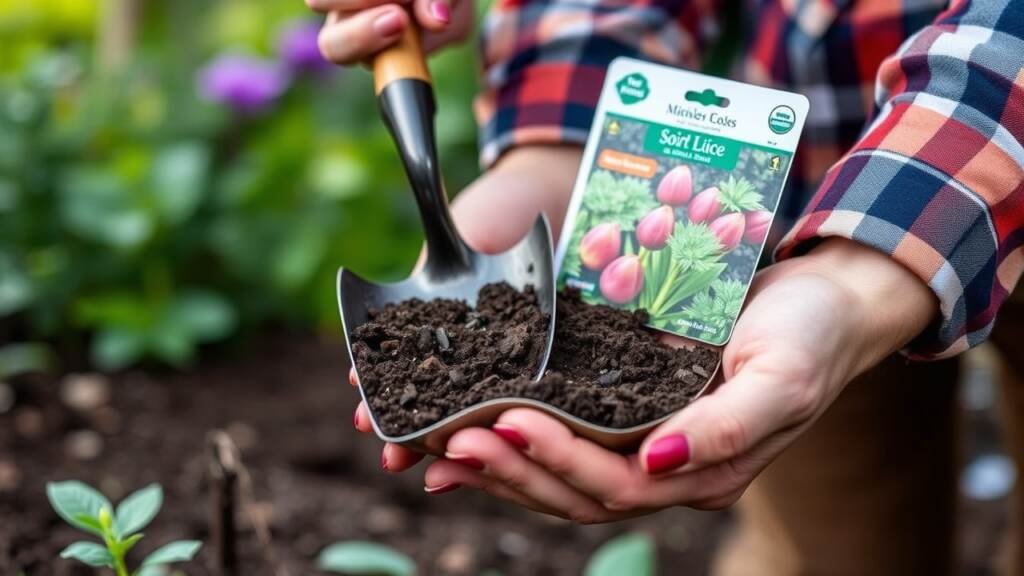
Before spring planting, conducting a soil test is a fundamental step in winter gardening tasks. This process reveals the soil’s pH levels and nutrient composition, which directly affect plant health. A balanced soil ensures that your spring garden receives the necessary nutrients for thriving and productive growth. Adjustments based on the test results, such as adding lime to raise pH or sulfur to lower it, can optimize your soil for the coming growing season.
Adding Organic Matter
One of the most beneficial winter tasks is incorporating organic matter into your garden beds. Adding compost, well-rotted manure, or leaf mold improves soil structure, drainage, and fertility. This prepares your garden for new growth. Organic matter also acts as a slow-release fertilizer, providing essential nutrients throughout the spring season. This practice enhances the soil’s ability to retain moisture, reducing the need for frequent watering next spring.
Protecting Soil Structure During Winter
Protecting your soil structure during the winter is crucial to prevent erosion and compaction. Applying a layer of mulch, such as straw or shredded leaves, helps insulate the soil, preventing it from freezing and thawing cycles that can damage its structure. Mulch also suppresses weed growth and retains moisture, setting the stage for a healthy garden in the spring. Consider using cover crops that add nutrients back into the soil and prevent erosion during the dormant months.
Task #3: Clean, Sharpen, and Repair Garden Tools
Preventing Rust and Wear
Winter offers a great opportunity to maintain your garden tools, protecting them from rust and wear. A good approach involves several key steps:
- Begin with a thorough cleaning, making sure to remove all soil and debris.
- Then, dry each tool completely and apply a thin coat of oil.
This ensures your tools are protected and ready for use when spring arrives.
Safety and Efficiency Benefits
Sharpening your garden tools during the late winter not only prolongs their lifespan but also enhances their safety and efficiency. Sharp tools require less force to use, reducing the risk of strain and injury. Clean cuts also promote healthier plant growth by minimizing damage and preventing disease transmission. Taking the time for this important winter task makes gardening activities safer and more effective when you start seeds in the spring.
Task #4: Plan Your Spring Garden Layout
Crop Rotation
Planning your garden layout is one of the essential winter gardening tasks to ensure a productive garden in the spring. One key strategy is crop rotation, which involves changing the location of crops each gardening season. This helps prevent the buildup of soilborne pests and diseases, as well as nutrient depletion. Proper planning can significantly enhance your vegetable garden’s health and yield when spring planting arrives.
Companion Planting
Companion planting is another valuable technique to incorporate into your garden layout. This involves planting mutually beneficial plants together to enhance growth, deter pests, or attract pollinators. For example, planting basil near tomatoes can repel pests while improving the flavor of the tomatoes. Carefully consider companion planting options to maximize the health and productivity of your spring garden and prepare your garden efficiently during the dormant months.
Space Optimization
Optimizing space is crucial, especially in smaller garden beds or raised beds. Plan your garden layout to maximize the use of available space, considering the mature size of each plant. Use vertical gardening techniques, such as trellises for climbing plants, to save space and increase yields. Effective space optimization ensures that your garden and the spring growth can thrive, leading to a bountiful harvest during the spring and throughout the growing season.
Task #5: Start Seeds Indoors (When Appropriate)
Timing by Climate Zone
Starting seeds indoors is a critical task to prepare for the spring in many regions, especially those with shorter growing seasons. Timing is everything, and it varies by climate zone. Consult your local garden calendar or extension office to determine the appropriate time to start seeds indoors, based on the last frost date. Starting too early or too late can negatively impact the success of your spring garden and delay those precious spring blooms.
Light and Temperature Control
When starting seeds indoors, light and temperature control are paramount for successful germination and seedling development. Provide ample light using grow lights or a sunny windowsill, ensuring seedlings receive at least 12-16 hours of light per day. Maintain a consistent temperature between 65-75°F (18-24°C) for optimal germination. Using a heat mat can help regulate soil temperature. Proper light and temperature control are essential for robust growth and a healthy garden in the spring, ready for the gardening activities outdoors when spring arrives.
Task #6: Protect Perennials and Garden Beds
As winter approaches, protecting your perennial plants and garden beds becomes a critical winter gardening task. These winter tasks ensures that your plants survive the cold and are ready to thrive when spring arrives. By implementing protective measures, you not only safeguard your existing plants but also create a nurturing environment for future growth. This is the perfect time to prepare for a flourishing spring season.
Mulching Strategies
Effective mulching is essential for protecting perennial plants and garden beds during the winter. Apply a thick layer of organic mulch, such as straw, shredded leaves, or compost, around the base of your perennials and over the surface of your garden beds. Mulch acts as an insulator, protecting plant roots from freezing temperatures and temperature fluctuations. It also helps retain moisture, suppress weed growth, and enrich the soil as it decomposes, making sure your soil is ready for new growth next spring.
Frost Protection
In regions prone to severe frosts, additional frost protection may be necessary for tender perennials and shrubs. Cover vulnerable plants with burlap, frost blankets, or cloches to shield them from harsh conditions. For sensitive plants in raised beds, consider moving them indoors or into a greenhouse if possible. Protecting against frost prevents damage to plant tissues and ensures that your plants emerge healthy and vigorous when spring planting and the gardening activities can begin.
Task #7: Review Last Season’s Results
Before the gardening season begins anew, take the time to reflect on the previous year’s successes and challenges. This reflective winter gardening task provides valuable insights that can inform your future planting decisions and improve your overall gardening practices. By analyzing what worked well and what didn’t, you can refine your strategies and maximize your chances of a productive garden next spring.
Identifying Successes and Challenges
Start by evaluating which plants thrived in your garden and which struggled. Consider factors such as sunlight exposure, soil conditions, pest and disease issues, and watering practices. Note any varieties that performed particularly well or those that were disappointing. Identifying both successes and challenges allows you to make informed decisions about crop selection, planting location, and pest control measures for the upcoming spring, ensuring a thriving garden.
Adjusting Future Plans
Based on your review of last season’s results, adjust your future plans accordingly. This could involve trying different varieties of plants, amending the soil in certain areas, or implementing new pest control strategies. Consider incorporating crop rotation to improve soil health and reduce the risk of soilborne diseases. By learning from past experiences and making necessary adjustments, you can create a more resilient and productive garden in the spring.
Common Winter Gardening Mistakes to Avoid
Even with the best intentions, gardeners can sometimes make mistakes during the winter months that can negatively impact their spring garden. Avoiding these common pitfalls ensures that your efforts are not undermined and that your garden is well-prepared for the growing season. By being aware of these potential missteps, you can take proactive steps to prevent them and set your garden up for success when spring arrives.
Overworking Frozen Soil
One of the most common mistakes is attempting to work the soil when it’s frozen. Digging or tilling frozen soil can damage its structure, creating compacted clumps that are difficult for roots to penetrate. Wait until the soil has thawed before attempting any soil preparation tasks. If you need to amend the soil during the winter, focus on top-dressing with compost or other organic matter that will gradually work its way into the soil as it thaws, which means that the soil is ready for spring planting.
Improper Seed Storage
Improper seed storage is another frequent error that can reduce germination rates and diminish the viability of your seeds. Storing seeds in a warm, humid environment can cause them to deteriorate and lose their ability to sprout. Always store seeds in a cool, dry place, away from direct sunlight and extreme temperatures. Use airtight containers to protect them from moisture and pests. Proper seed storage ensures that your seeds remain viable and ready to start seeds indoors when spring arrives.
Neglecting Tool Maintenance
Neglecting garden tool maintenance during the winter can have several negative consequences. These include:
- Rust and corrosion build-up, along with dull blades.
- The potential spread of diseases due to dirty or damaged tools, making gardening more difficult and less efficient.
Therefore, take the time to clean, sharpen, and oil your tools before storing them for the winter. Replace any broken or worn-out tools to ensure they are ready for use when you prepare your garden in the spring. Garden tool maintenance helps prolong their lifespan and ensures they perform optimally when the spring comes around.
Winter is the perfect time to reflect on your experiences and prepare for the upcoming growing season. Destiny Landscape encourages taking these winter tasks seriously; it’s an investment that pays off with a flourishing and productive spring garden. With careful planning and proactive steps, you can ensure that your garden is ready to thrive when the weather warms up and the spring begins, and those spring blooms return, transforming your yard into a stunning landscape.