
Many modern homeowners are seeking alternatives to traditional turf lawns. Concerns about water usage, the need for frequent mowing, and the environmental impact of fertilizers and pesticides have fueled the search for eco-friendly, low-maintenance lawn solutions that still provide a beautiful and functional outdoor space.
What Makes a Lawn Eco-Friendly and Low-Maintenance?
Reduced Water Use
An eco-friendly lawn prioritizes water conservation. Choosing drought-tolerant grass or drought-tolerant alternative options minimizes irrigation needs, particularly crucial in dry climates. Low-water landscaping featuring native plants reduces the strain on local water resources and lowers your water bill, offering a sustainable approach to lawn care.
Minimal Mowing
Low-maintenance lawns dramatically reduce or eliminate the need to mow. Opting for a no-mow grass alternative, such as certain ground covers or sedge lawn varieties, frees up your time and reduces reliance on a lawn mower. Less mowing translates to less noise and air pollution, making your lawn more eco-friendly.
Lower Chemical Dependency
Eco-friendly lawn options minimize or eliminate the need for fertilizers, herbicides, and pesticides. Native grass varieties and other lawn alternative solutions are naturally more resilient to pests and diseases, reducing reliance on harmful chemicals. This approach protects beneficial insects, pollinators, and the overall health of your garden.
Option #1: Native Grass Varieties
Climate Adaptability
Native grass is well-suited to the local climate, requiring less water and fertilizer. Choosing native grass minimizes the need for intervention, as it’s adapted to the soil type and weather patterns of your region. This makes native grass a sustainable and low-maintenance lawn choice for homeowners.
Seasonal Appearance
Native grass may have a seasonal appearance, changing in color and texture throughout the year. While some homeowners prefer a consistently green lawn, the natural variation of native grass offers visual interest and reflects the local ecosystem. This seasonal change contributes to a dynamic and eco-friendly yard.
Maintenance Expectations
While low-maintenance, native grass still requires some care. This may include occasional weeding, raking, and overseeding to maintain a healthy lawn space. However, the overall maintenance is significantly less demanding than a traditional lawn, making it a practical alternative to grass.
Option #2: Clover Lawns
Soil Improvement Benefits
Clover lawns offer significant benefits for soil health. As a legume, clover naturally fixes nitrogen in the soil, reducing or eliminating the need for nitrogen fertilizers. This natural fertilization improves soil fertility and promotes healthy plant growth, making clover an eco-friendly lawn option that enhances the overall landscape.
Mowing Frequency
Clover lawns generally require less mowing than traditional grass lawns. While clover can be mowed to maintain a uniform height, it can also be left unmowed for a more natural, meadow-like appearance. Reducing the need to mow saves time, reduces fuel consumption from a lawn mower, and lessens the impact on the environment.
Pollinator Support
Clover lawns are excellent for supporting pollinator populations. Clover flowers attract bees, butterflies, and other beneficial insects, contributing to a healthy and vibrant garden ecosystem. By choosing clover as a lawn alternative, homeowners can create a beautiful outdoor space that also supports important pollinator species, enhancing the eco-friendly yard.
Option #3: Drought-Tolerant Ground Covers
Visual Appeal
Drought-tolerant ground covers offer a diverse range of visual styles for modern landscape design. From low-growing, spreading plants with interesting textures to flowering varieties that add color and interest, there’s a drought-tolerant ground cover to suit any aesthetic preference. These lawn alternative options enhance curb appeal while conserving water.
Water Efficiency
Drought-tolerant ground covers are specially adapted to thrive in dry climates with less water. These plants require minimal irrigation once established, making them an ideal choice for homeowners seeking a low-water landscaping solution. By reducing water consumption, drought-tolerant ground covers contribute to a more sustainable and eco-friendly lawn.
Traffic Tolerance
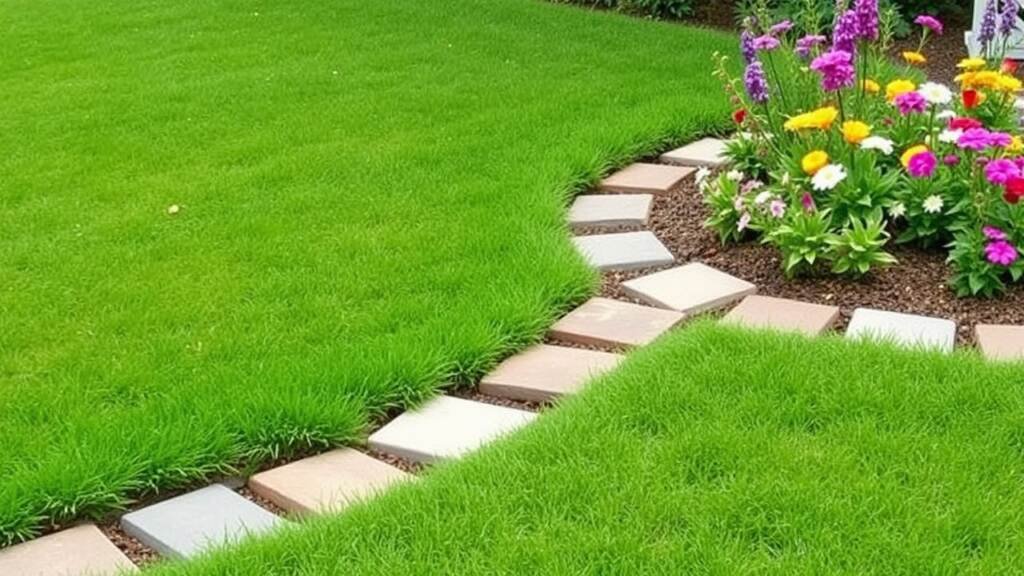
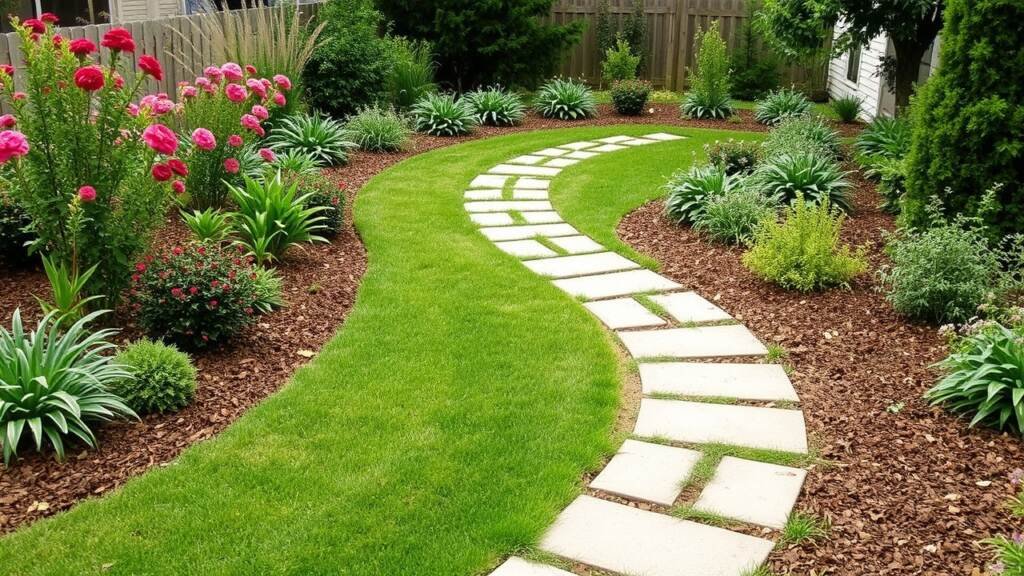
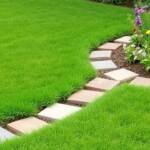
While not all drought-tolerant ground covers can withstand foot traffic, some varieties are quite resilient and can handle occasional use. Consider the level of foot traffic your lawn experiences when selecting a ground cover. For areas with heavy foot traffic, opt for a durable ground cover or incorporate stepping stones to protect the plants and keep the area looking its best.
Option #4: Hybrid Grass Systems
Durability
Hybrid grass systems are engineered for enhanced durability and resilience. These grasses are bred to withstand heavy foot traffic, resist diseases, and tolerate varying environmental conditions. This makes hybrid grass a practical choice for homeowners seeking a lawn that can handle active use while maintaining a lush, green appearance. Hybrid grass can be a hardy alternative to traditional turf.
Water Reduction
Many hybrid grass varieties are developed for improved water efficiency. These grasses require less water than traditional grass, helping homeowners reduce their irrigation needs and conserve water resources. Choosing a water-saving hybrid grass can result in a more sustainable and eco-friendly lawn that contributes to a healthier environment. Using less water is always a great choice.
Use Cases for Modern Homes
Hybrid grass systems are well-suited for a variety of modern homes. Whether you have a large backyard for entertaining or a small urban lawn space, there’s a hybrid grass variety to meet your needs. These grasses are ideal for families with children and pets, as well as homeowners who desire a beautiful, low-maintenance grass lawn that can withstand daily wear and tear. Modern landscape design appreciates the practicality of this type of grass.
Option #5: Artificial Turf with Sustainable Materials
Maintenance Trade-Offs
While artificial turf eliminates mowing the lawn and reduces water consumption, it’s not entirely maintenance-free. Artificial turf can require occasional brushing to maintain its appearance and prevent matting. Also, cleaning may be necessary to remove debris and prevent the growth of weeds or moss. Despite these trade-offs, artificial turf can significantly reduce overall lawn care efforts.
Long-Term Water Savings
One of the most significant benefits of artificial turf is the long-term water savings. Unlike traditional grass lawns that require frequent irrigation, artificial turf eliminates the need for watering. This is particularly beneficial in dry climates or regions with water restrictions. Over time, these water savings can translate to lower utility bills and a reduced environmental footprint, creating a more eco-friendly yard.
Heat Considerations
Artificial turf can get hotter than natural grass, especially in direct sunlight. Consider using lighter-colored turf or installing a cooling system to mitigate heat. Furthermore, some modern artificial turf products are designed with heat-reducing technology to help keep the surface cooler. Proper planning and selection can ensure a comfortable outdoor space, even with artificial grass.
Option #6: Gravel and Green Combinations
Design Flexibility
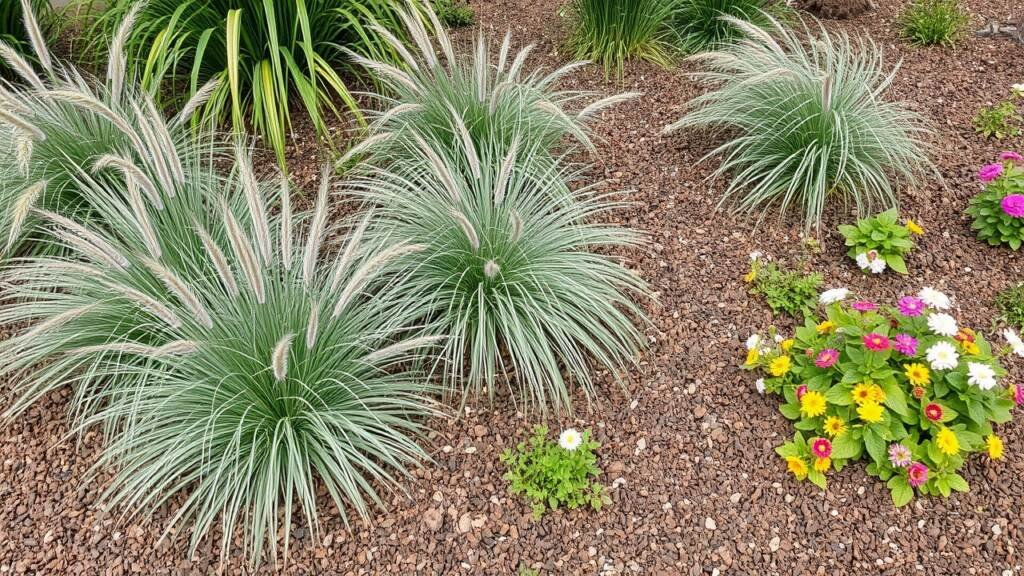
Gravel and green combinations offer immense design flexibility for modern landscape design. Incorporate drought-tolerant ground covers, ornamental grasses, or native plants within gravel areas to create visually appealing contrasts. This approach allows for creative expression and personalization, enhancing curb appeal while maintaining a low-maintenance landscape.
Permeability
Gravel is highly permeable, allowing rainwater to filter into the soil and replenish groundwater supplies. This permeability helps reduce runoff and prevent soil erosion, making gravel and green combinations an eco-friendly option. By promoting natural water infiltration, this approach supports a healthier ecosystem and reduces the strain on municipal drainage systems.
Minimal Upkeep
Gravel and green combinations require minimal upkeep. Gravel suppresses weeds, reducing the need for herbicides and manual weeding. Occasional raking may be necessary to maintain a neat appearance, but overall, this landscape design option is exceptionally low-maintenance. This makes it an ideal choice for homeowners seeking a beautiful, yet easy-to-care-for, alternative to grass.
Option #7: Moss Lawns for Shaded Areas
Ideal Conditions
Moss lawns thrive in shady, moist environments where traditional grass struggles to grow. These conditions mimic the natural habitat of moss, allowing it to flourish and create a lush, green carpet. If you have areas of your yard with partial shade, moss may be an ideal lawn alternative to consider over a traditional lawn. Moss lawn makes a great eco-friendly yard.
Maintenance Needs
Moss lawns have unique maintenance needs compared to traditional grass lawns. Moss doesn’t require mowing, fertilizing, or weeding. Instead, focus on maintaining the right moisture levels and ensuring adequate shade. Occasional watering may be necessary during dry spells to keep the moss hydrated. However, the overall maintenance is minimal, requiring far less yard work than grass.
Visual Style
Moss lawns offer a unique and enchanting visual style. Their soft, velvety texture and vibrant green color create a tranquil and inviting outdoor space. Moss provides a natural and organic aesthetic that complements modern landscape design, bringing a touch of the forest floor to your garden. Moss is a lawn alternative that is sure to impress.
How to Choose the Right Option for Your Home
Climate and Sun Exposure
Selecting the right lawn alternative begins with understanding your local climate and the amount of sunlight your lawn receives. Some ground cover options thrive in full sun, while others prefer partial shade. Assess your yard’s conditions to ensure the chosen plants flourish. A drought-tolerant ground cover is ideal for dry climates, while native grass options often need full sun. Consider your specific landscape needs.
Foot Traffic
Evaluate the amount of foot traffic your lawn experiences. If you have children or pets, you’ll need a durable, resilient lawn alternative. Clover lawns and some turfgrass varieties withstand moderate foot traffic, while delicate ground covers may not be suitable for high-traffic areas. Consider incorporating stepping stones to protect vulnerable plantings, giving your landscape a modern look that is also practical.
Long-Term Maintenance Goals
Consider your long-term maintenance goals when choosing a lawn replacement. If you want a truly low-maintenance option, consider artificial turf or gravel and green combinations. If you’re willing to invest some time in occasional weeding and raking, native grass or clover lawns may be a good fit. Determine your priorities to make an informed decision about your green lawn.
Conclusion
Choosing eco-friendly lawn options can significantly reduce maintenance efforts and support sustainable landscaping practices. Whether you opt for drought-tolerant ground covers, native grass, or innovative alternatives like clover or gravel combinations, thoughtful selection ensures a beautiful and environmentally responsible outdoor space that enhances your home’s curb appeal while minimizing your environmental impact. By choosing an alternative to grass, you can enjoy a beautiful, modern landscape and use less water.