
January in the Pacific Northwest might seem like a quiet time for gardening, but it’s a crucial month for preparing your garden for the vibrant growing season ahead. Despite the cold and wet conditions, there are several essential January gardening tasks that can significantly benefit your landscape.
Understanding January Weather in the Pacific Northwest
Cool temperatures
January in the Pacific Northwest region is characterized by consistently cool temperatures, often hovering around freezing. Understanding this deep chill is vital because it dictates which January gardening tasks are feasible and which plants need extra protection. This period of cold helps ensure proper dormancy for many plants.
Frequent rainfall
The Pacific Northwest is known for its frequent rainfall, and January is no exception. With regular precipitation, the ground often remains saturated. This saturation impacts soil health and drainage and influences how you approach garden chores this month. Managing moisture is key to preventing issues later.
Limited daylight
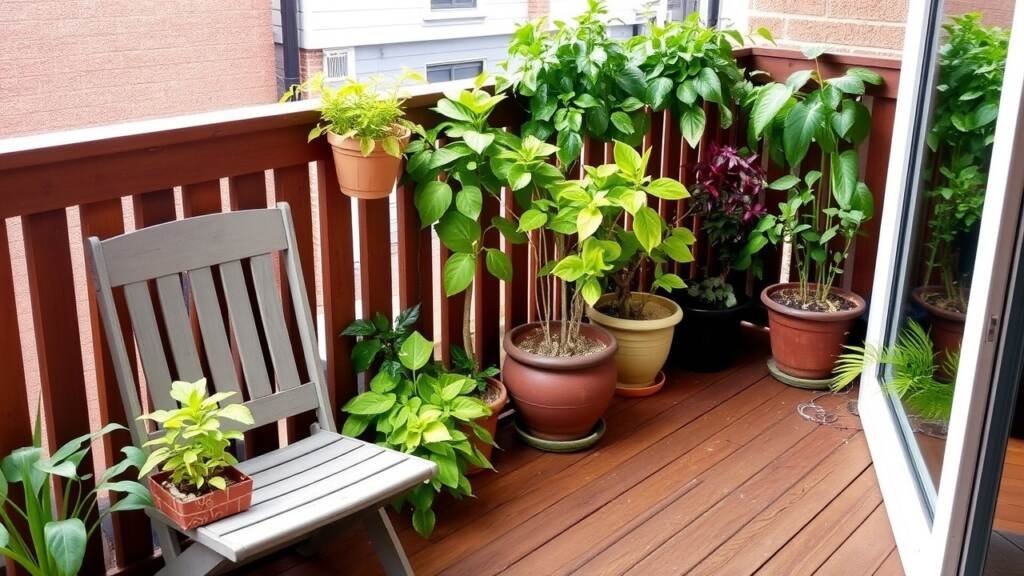
Limited daylight hours define January in the Pacific Northwest, affecting plant growth and gardening tasks. With shorter days, plants remain mostly dormant. Gardeners should focus on tasks that don’t require significant sunlight, such as planning and maintenance. Consider indoor gardening to keep your green thumb active.
Task #1: Prune Dormant Trees and Shrubs
Timing benefits
January is the ideal time to prune dormant trees and shrubs in the Pacific Northwest. Pruning during dormancy minimizes stress on the plants and promotes vigorous growth in the spring. It’s a critical part of your monthly gardening to-do list, ensuring healthier plants for the coming season.
Common PNW species
Common PNW species like fruit trees, some flowering shrubs, and certain deciduous trees benefit significantly from pruning in January. Clear out dead or crossing branches to improve air circulation and sunlight penetration. This preventive care sets the stage for a bountiful bloom and harvest, making it a key task on your January gardening checklist.
Task #2: Protect Plants from Frost and Excess Moisture
Mulching
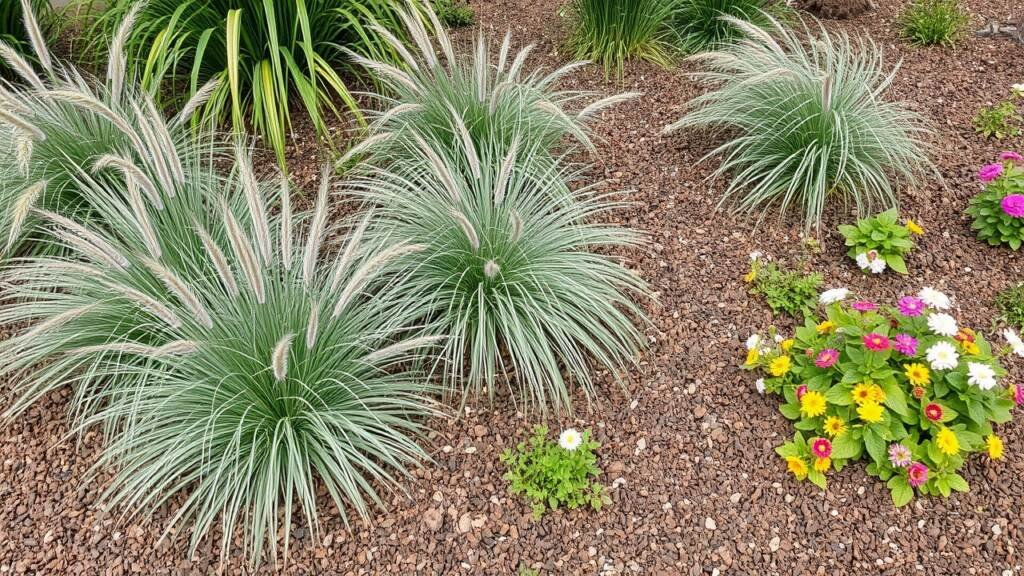
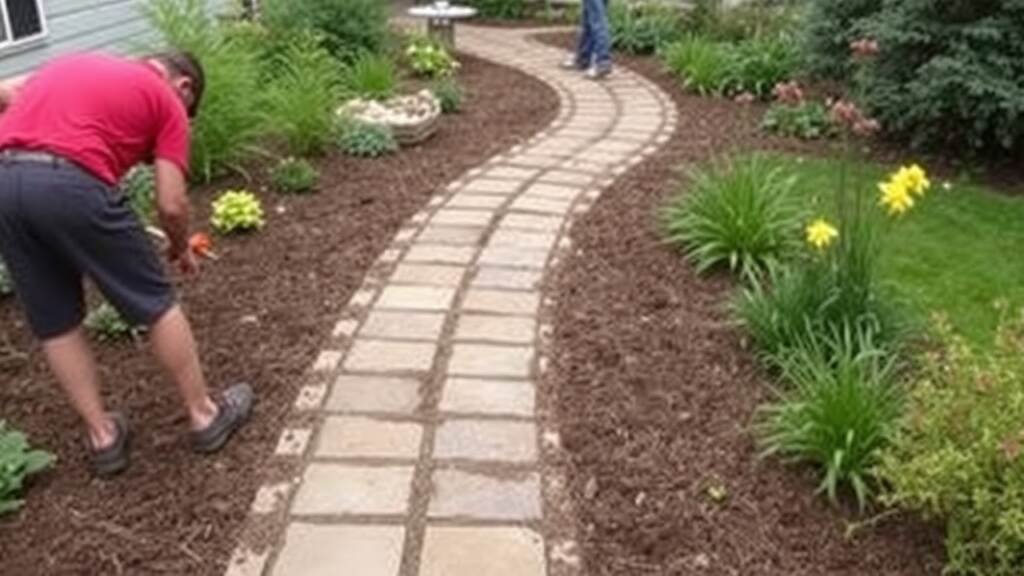
Applying a thick layer of mulch around your plants is essential for protection during January. Mulching helps insulate the soil, protecting roots from frost and temperature fluctuations. It also aids in moisture retention, which is crucial even during periods of frequent rainfall in the Pacific Northwest garden.
Frost covers
Frost covers provide an additional layer of protection for vulnerable plants during cold snaps. These covers shield plants from frost damage, which is a common concern in January. Use them on tender perennials and newly planted shrubs to safeguard them throughout the coldest parts of the month of January.
Drainage considerations
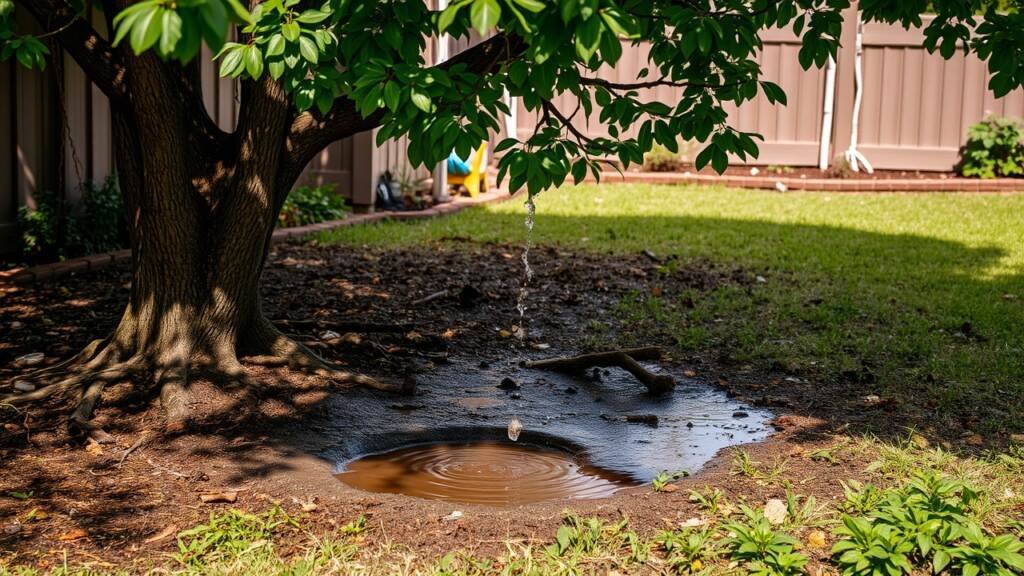
Ensuring proper drainage is crucial during the wet January months. Excess moisture can lead to root rot and other fungal diseases. Improve drainage in your garden beds by amending the soil with compost or creating raised bed to keep plants healthy during this wet season, and adding this to your January gardening tips.
Task #3: Improve Soil Health During the Off-Season
Compost
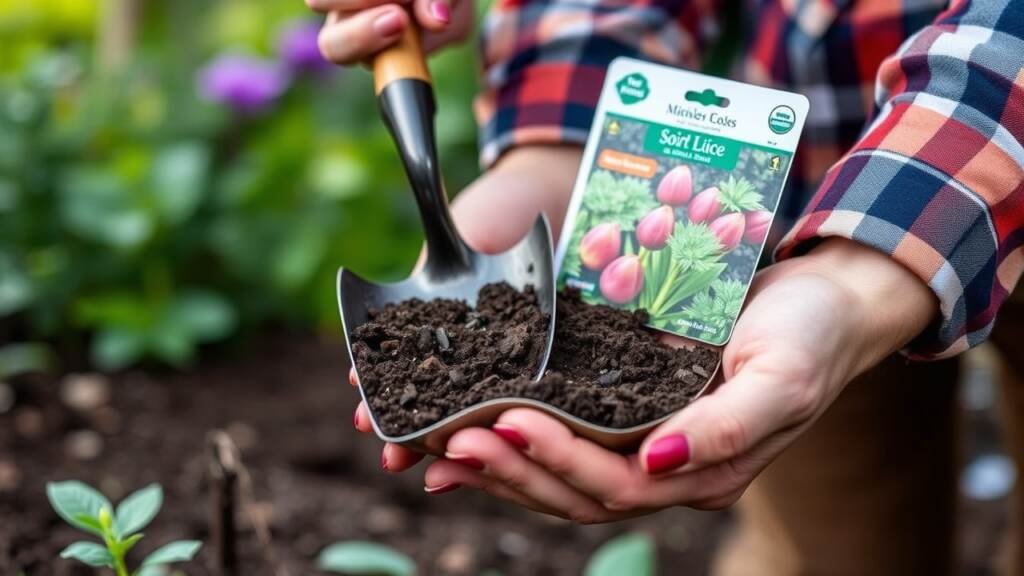
January is an excellent time to enrich your garden soil with compost. Adding compost improves soil structure, aeration, and nutrient content. This prepares your garden beds for planting in the coming months. Spread a generous layer of compost over your garden this month to give your plants a healthy start.
Organic amendments
In addition to compost, consider incorporating other organic amendments into your soil. These amendments, such as aged manure or leaf mold, further enhance soil fertility and drainage. By improving your soil now, you’re setting the stage for a thriving vegetable garden and vibrant plants in the Pacific Northwest region.
Avoiding compaction
During the wet month of January, it’s essential to avoid soil compaction. Walking on saturated soil can damage its structure, hindering root growth and drainage. Use planks or boards to distribute your weight if you must work in the garden. This simple precaution protects your soil’s health and prevents problems down the line.
Task #4: Maintain Lawns and Turf in Winter
Reducing foot traffic
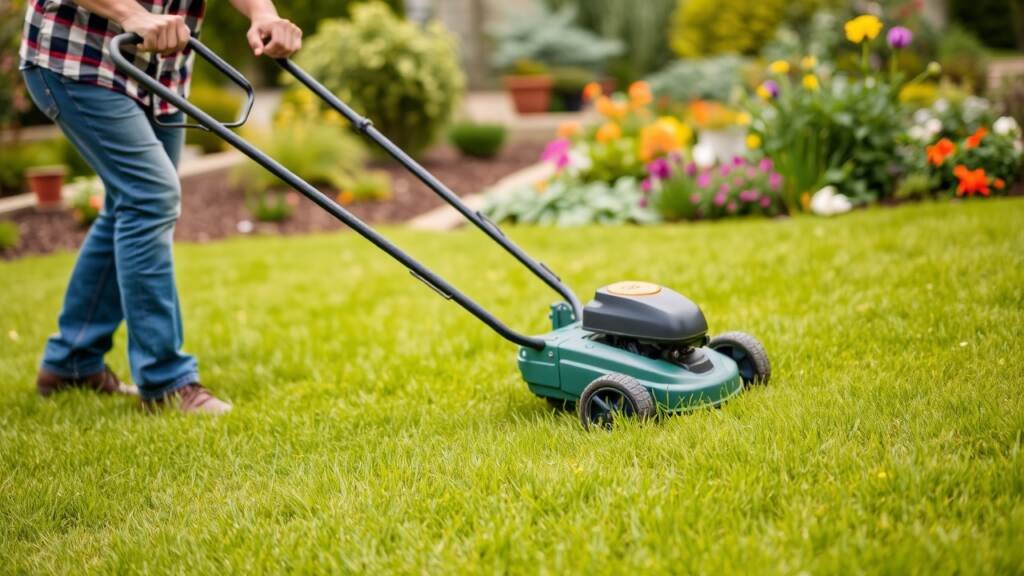
Minimize foot traffic on your lawn during January to prevent damage to the dormant grass. The ground is often waterlogged this month of January, making turf susceptible to compaction. Reducing activity helps maintain a healthy lawn and avoids creating bare patches, which is one of the crucial gardening tasks.
Moss prevention
Moss thrives in the wet conditions of the Pacific Northwest region, and January is prime time for its growth. To prevent moss from taking over your lawn, ensure good drainage and air circulation. Consider applying a moss control product if necessary. Keeping moss at bay now means a healthier, greener lawn in the spring. Maintaining a healthy garden is important.
Drainage checks
Effective drainage is essential for a healthy lawn, especially during the rainy season in the Pacific Northwest. Check your lawn for areas where water pools, indicating poor drainage. Correct these issues by aerating the soil or installing drainage solutions. Proper drainage helps prevent root rot and promotes strong turf growth during this January gardening checklist.
Task #5: Clean and Maintain Garden Tools
Sharpening
January is an ideal time to sharpen your gardening tools. Sharp tools make gardening tasks easier and more efficient. Sharpening now ensures that your tools are ready for spring planting and pruning. Well-maintained tools are essential for any successful garden in January.
Sanitizing
Sanitizing your gardening tools is crucial to prevent the spread of plant diseases. Clean your tools with a bleach solution or horticultural disinfectant to kill any pathogens that may be lingering. This simple step protects your plants from potential infections and helps maintain a healthy garden.
Storage tips
Proper storage protects your gardening tools from the elements and prolongs their lifespan. Store your tools in a dry, sheltered location. Clean and oil them before storing to prevent rust and corrosion. Organized storage also makes it easier to find your tools when you need them for future gardening tasks.
Task #6: Plan Spring Planting and Landscape Updates
Reviewing plant performance
Take some time this month of January to assess how your plants performed last year. Note which ones thrived and which struggled, especially in the Pacific Northwest region. Use this information to inform your spring planting decisions and make adjustments to your garden beds. Effective garden chores involve analyzing past results.
Ordering seeds
January is the perfect time to inventory your seeds and order new ones for the upcoming growing season. Browse through catalogs or visit garden centers online to find the varieties you want to grow. Ordering early ensures you get your desired seeds before they sell out. This is an essential part of planning your garden this month.
Adjusting garden layout
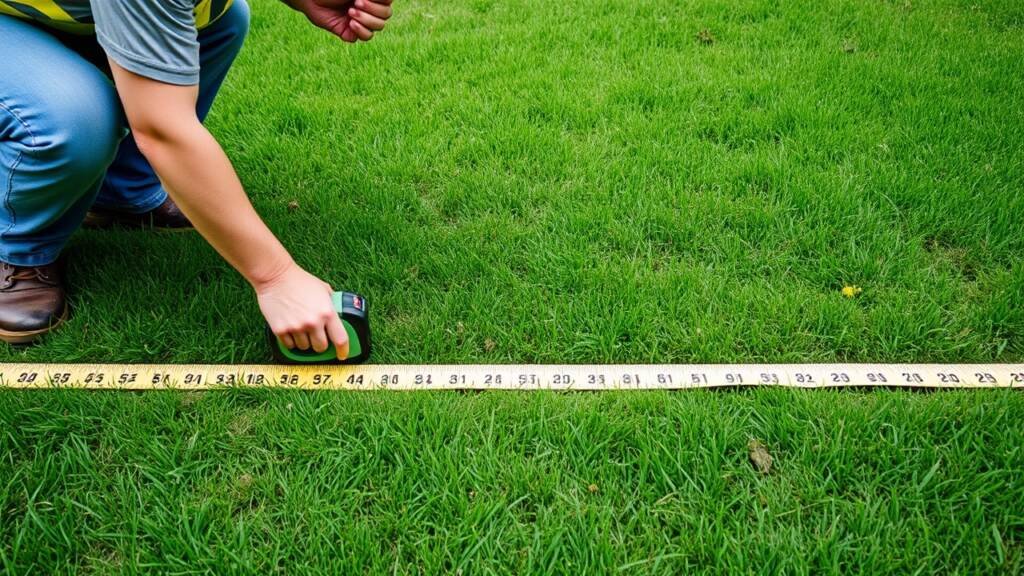
Consider making changes to your garden layout to improve sunlight exposure, drainage, or overall aesthetics. Perhaps you want to add a raised bed or create a dedicated vegetable garden area. Planning these changes now allows you to prepare the ground and gather necessary materials before planting time. Effective gardening tips can enhance your landscape.
Task #7: Manage Weeds and Pests Early
Winter weed identification
Even in January, some weeds can persist in the Pacific Northwest region. Take time to identify these winter weeds and remove them before they have a chance to spread. Early removal prevents them from competing with your desired plants later in the season. These January gardening tasks are vital for garden health.
Preventative measures
Apply preventative measures to protect your plants from pests and diseases. A dormant spray can be effective against certain pests and diseases, especially on fruit trees. Clear away any fallen leaves or debris that could harbor pests or fungal spores. Addressing these concerns early promotes a healthier garden in January.
Common January Gardening Mistakes to Avoid
Overwatering
Avoid overwatering your plants during January. While the Pacific Northwest region is known for its rain, overwatering can still lead to root rot and other issues, even in raised bed systems. Check the soil moisture before watering and only water when necessary. Indoor gardening still requires careful watering practices during this month.
Heavy pruning of sensitive plants
Refrain from heavy pruning of sensitive plants in January. Some plants are more susceptible to cold damage after pruning, so it’s best to wait until late January or early spring. Research the specific pruning needs of your plants before taking action. Pruning is an important gardening task.
Working soil when frozen or saturated
Avoid working the soil when it’s frozen or saturated. Working wet soil can damage its structure and lead to compaction. Wait until the soil has thawed and drained before attempting to dig or till. Working wet soil also can cause harm to the roots. These tips for the Pacific Northwest are important to note.
Conclusion
By tackling these January gardening tasks, you’ll ensure that your Pacific Northwest garden remains healthy and vibrant, ready to burst into life as early spring approaches. From pruning and soil improvement to planning and pest management, these efforts lay the groundwork for a flourishing landscape. These monthly gardening to-do list will set you up for success.
- Landscape Design: Basic Planning and Tips
- Ultimate Guide to Landscaping Tools & Equipment: Reviews, Buying Tips, and Maintenance
- Commercial Landscape Services & Maintenance Near You
- Landscape a Slope: Backyard & Hillside Garden Design Ideas
- What to expect during your free hardscaping consultation in las vegas