
As environmental concerns and rising water costs become increasingly pressing, many homeowners are seeking sustainable alternatives to traditional grass lawns. Low-water lawn installation is gaining traction as a practical solution for maintaining aesthetically pleasing outdoor spaces while significantly reducing water consumption. This article explores various low-water lawn options, design principles, and cost considerations to help you make an informed decision for your home.
Why Water-Efficient Lawns Are Gaining Popularity
Rising water costs
The increasing cost of water is a major driver for homeowners to explore drought-tolerant lawn alternatives. As water resources become scarcer, municipalities are raising rates, making traditional grass lawns that require significant amounts of water less economically viable. Homeowners can save a lot of money.
Drought regulations in U.S. states
Many U.S. states, particularly those in the Southwest, face strict drought regulations. These regulations often restrict outdoor water use, including lawn irrigation. In response, homeowners are turning to drought-tolerant grasses and other low-water landscaping options to comply with these restrictions while maintaining a green lawn.
Environmental awareness among homeowners
A growing number of homeowners are prioritizing eco-friendly practices, including water conservation, in their landscaping choices. Traditional grass lawns are water-intensive and often require fertilizers and pesticides, which can harm the environment. Low-water lawn alternatives offer a more sustainable way to create beautiful outdoor spaces while minimizing environmental impact, making them an appealing choice for environmentally conscious homeowners.
Key Principles of Low-Water Lawn Design
Soil preparation and drainage efficiency
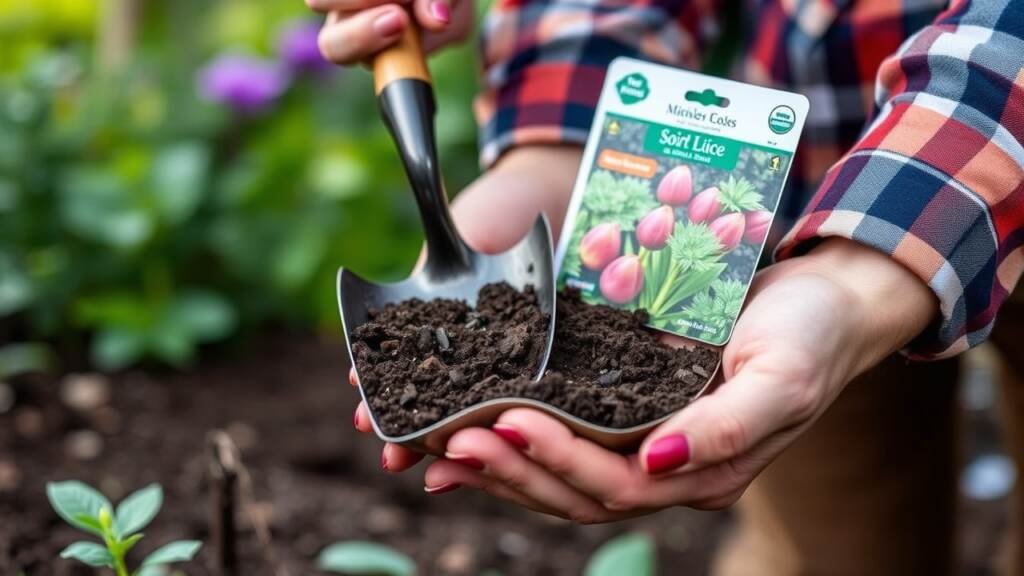
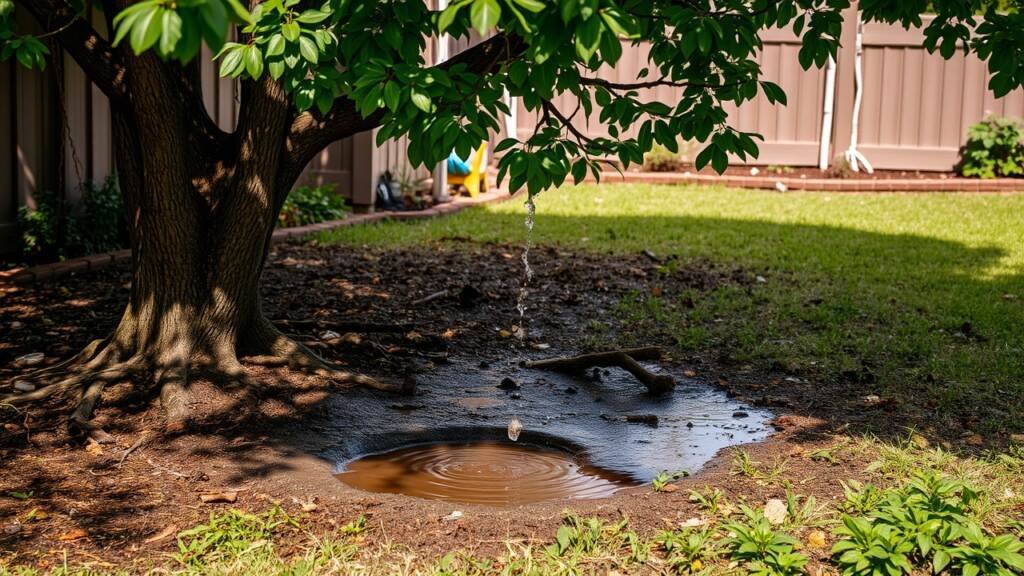
Proper soil preparation is crucial for a successful low-water lawn. Improving soil drainage helps ensure that water reaches the roots efficiently, reducing runoff and water waste. Amending poor soil with organic matter can also enhance its water-holding capacity, further reducing the need for supplemental water.
Grass selection based on climate
Selecting the right type of grass based on your local climate is essential for a low-water lawn. Drought-tolerant grasses like bermudagrass, buffalograss, and Zoysia grass are well-suited for warmer, drier climates, while fescue varieties may be more appropriate for cooler regions. Choosing climate-appropriate turfgrass can significantly reduce water use.
Smart irrigation and water control
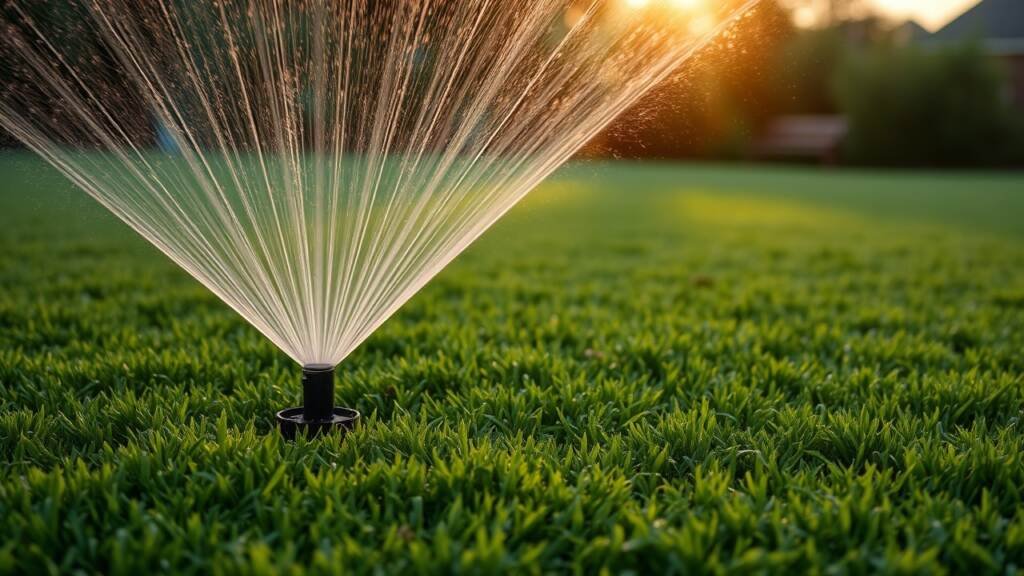
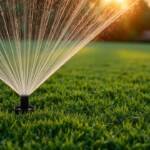
Implementing smart irrigation techniques is key to conserving water in a low-water lawn. Using efficient sprinkler systems, such as drip irrigation or soaker hoses, can deliver water directly to plant roots, minimizing water loss through evaporation. Additionally, installing a smart irrigation controller can adjust watering schedules based on weather conditions, further optimizing water usage and promoting water conservation.
Natural Low-Water Grass Options
Bermuda grass
Bermuda grass is known for its excellent drought tolerance and ability to thrive in hot, sunny conditions, making it a popular choice for low-water lawns in warmer climates. This turfgrass spreads quickly and can withstand heavy foot traffic, but it does require regular mowing to maintain a neat appearance. Bermuda grass adapts well.
Zoysia grass
Zoysia grass is another drought-tolerant option that forms a dense, attractive lawn. It requires less water than traditional grass and is relatively low-maintenance once established. While Zoysia grass is more cold-tolerant than bermudagrass, it grows slowly. This makes it well suited for areas with moderate temperatures and less irrigation.
Buffalo grass
Buffalo grass is native to the Great Plains and is exceptionally drought tolerant, making it an ideal choice for homeowners in arid regions. It requires minimal mowing and fertilization, making it a low-maintenance lawn alternative. Buffalograss is also known for its ability to thrive in poor soil conditions and its natural resistance to weeds, further reducing the need for lawn care.
Regional performance considerations
When selecting a low-water grass option, it’s important to consider regional performance variations. Factors such as climate, soil type, and local water restrictions can impact the success of different grass varieties. Consulting with a local landscape professional can help you choose the best drought-tolerant grasses for your specific region and conditions. It’s important to understand water usage.
Artificial Turf as a Water-Free Alternative
Installation basics
Artificial turf offers a completely water-free lawn alternative. Installation typically involves preparing the base, laying down a weed barrier, and installing the turf. Proper installation is crucial for ensuring adequate drainage and preventing the turf from shifting or bunching. Many homeowners turn to artificial turf to avoid outdoor water use.
Heat and drainage considerations
One of the main concerns with artificial turf is its tendency to retain heat, especially in hot climates. Choosing a turf product with heat-reflective technology can help mitigate this issue. Proper drainage is also essential to prevent water from pooling beneath the turf, which can lead to mold and mildew growth. This can be avoided with drought-tolerant grasses.
Maintenance expectations
While artificial turf eliminates the need for watering and mowing, it does require some maintenance. Regular brushing helps keep the turf looking neat and prevents the fibers from matting down. Occasional rinsing can remove dirt and debris, and infill materials may need to be replenished over time. This low-maintenance lawn avoids supplemental water.
Alternative Ground Covers Beyond Traditional Lawns
Native plants
Native plants are adapted to the local climate and soil conditions, making them an excellent low-water ground cover option. They require less water and maintenance than traditional grass lawns, and they support local ecosystems by providing habitat for pollinators and other wildlife. Consider using drought-tolerant plants as a lawn alternative.
Clover lawns
Clover lawns are a low-maintenance and eco-friendly alternative to traditional grass lawns. Clover requires less water and fertilizer than grass, and it naturally fixes nitrogen in the soil, reducing the need for supplemental fertilization. Clover lawns also attract pollinators and add a charming, whimsical touch to the landscape. It is a lawn grass alternative.
Xeriscaping concepts
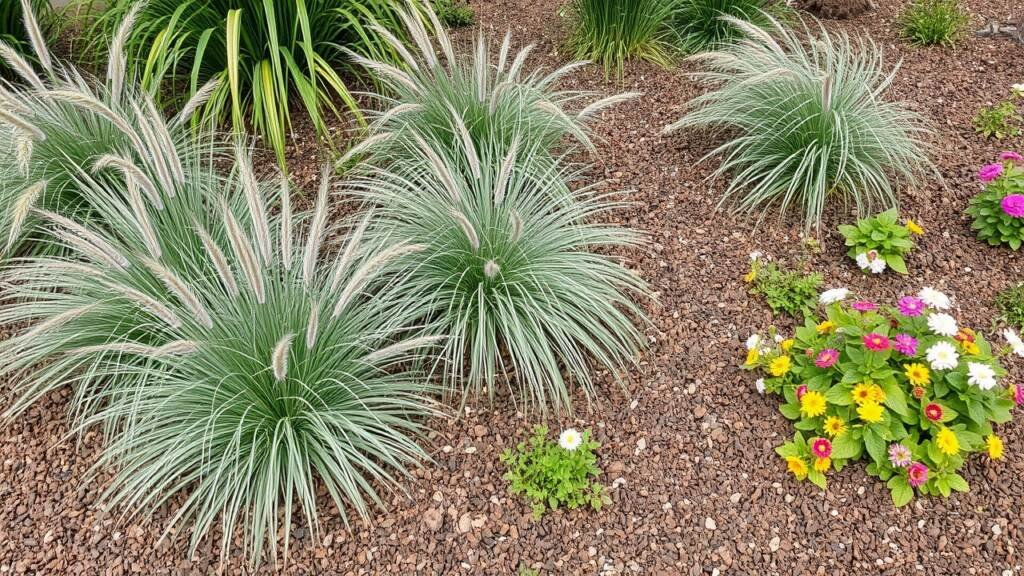
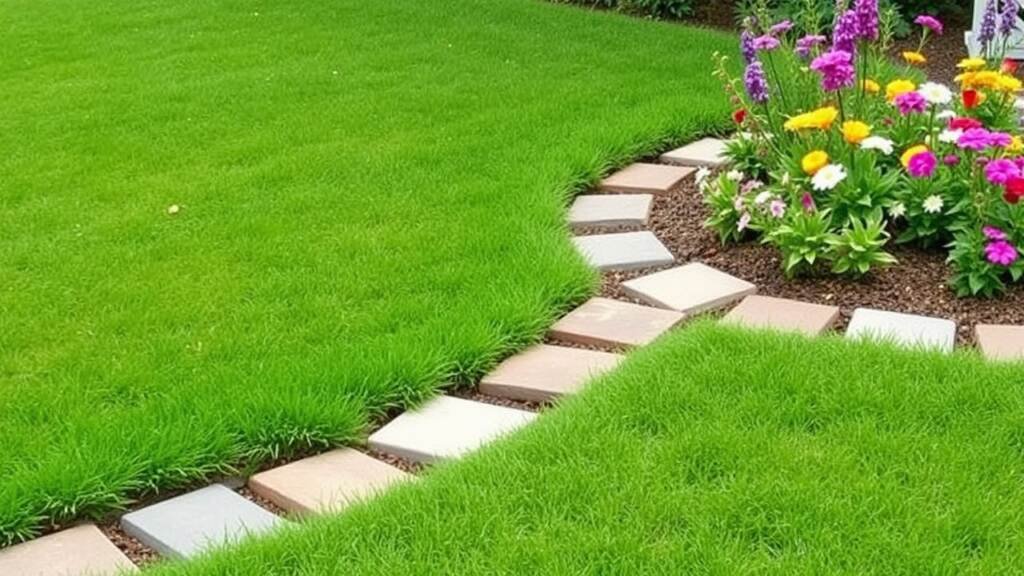
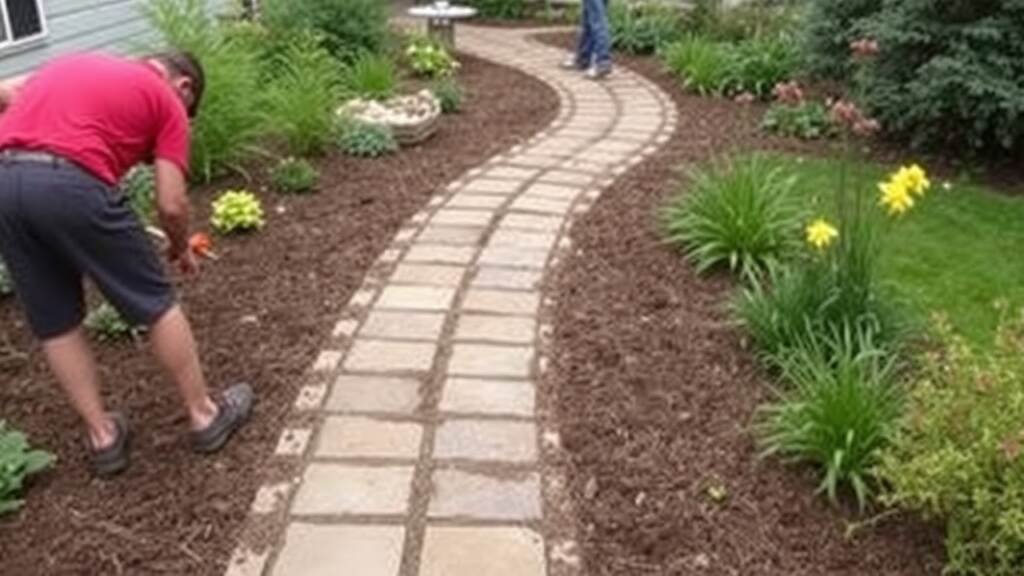
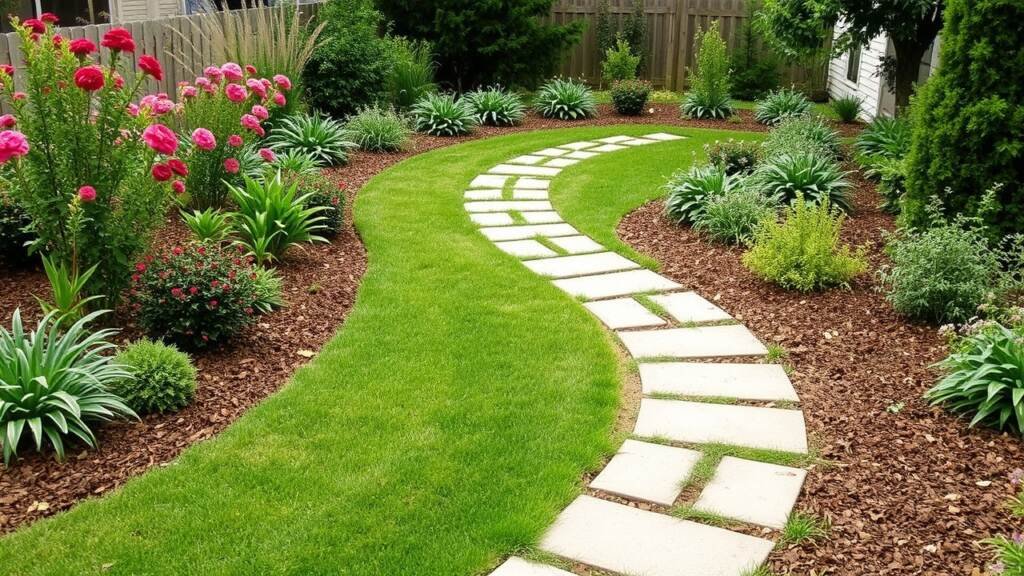
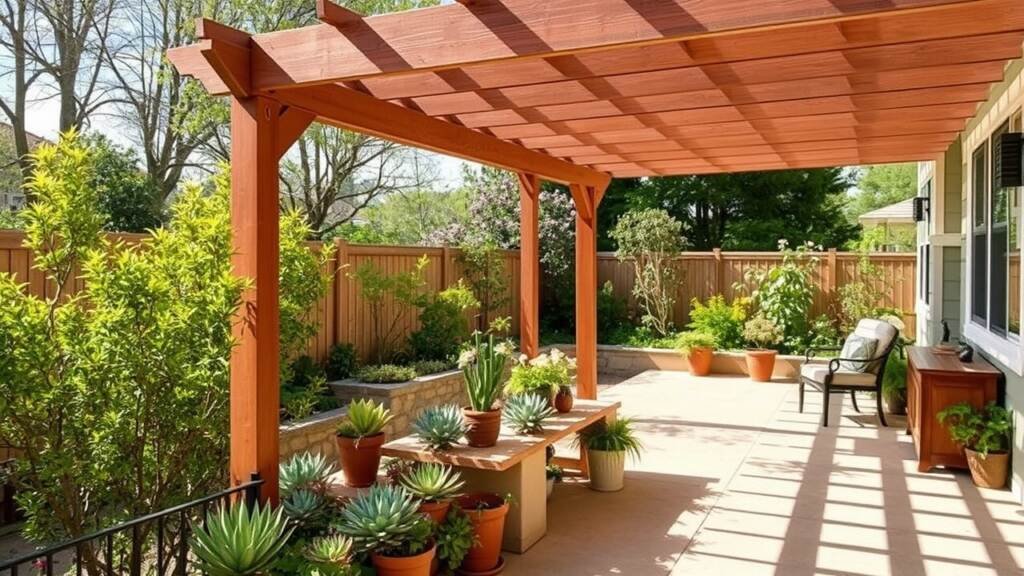
Xeriscaping is a landscaping approach that focuses on using drought-tolerant plants, rocks, and mulch to create water-efficient landscapes. Xeriscaping can significantly reduce water use compared to traditional grass lawns, and it can be customized to suit a variety of aesthetic preferences. Incorporating elements like gravel pathways, rock gardens, and drought-tolerant shrubs can create a beautiful and sustainable outdoor space with less water.
Cost vs Long-Term Savings Analysis
Installation cost overview
The initial installation cost of a low-water lawn can vary widely depending on the chosen option. Artificial turf typically has a higher upfront cost compared to planting drought-tolerant grasses like bermudagrass or buffalograss. Xeriscaping with native plants and mulch can also involve significant initial expenses for plant acquisition and landscape design. Consider different lawn areas.
Water bill reduction potential
One of the primary long-term benefits of a low-water lawn is the potential for significant water bill reduction. Drought-tolerant grasses and ground covers require less water than traditional grass, resulting in lower water consumption and reduced monthly bills. Homeowners who switch to artificial turf or xeriscaping can eliminate water use for irrigation altogether, leading to even greater savings. Conserve water while not using much water.
Maintenance cost comparison
In addition to water savings, low-water lawns often have lower maintenance costs compared to traditional grass lawns. Drought-tolerant grasses require less mowing, fertilization, and weed control. While artificial turf eliminates the need for mowing and fertilizing, it may require occasional cleaning and infill replacement. Xeriscaping with native plants can also reduce maintenance needs, as native plants are adapted to the local climate and require less supplemental care; they are low-maintenance alternatives.
When Low-Water Lawn Installation Makes Sense

Drought-prone regions
Low-water lawn installation is particularly beneficial in drought-prone regions where water conservation is essential. In areas with frequent water restrictions or high water costs, switching to drought-tolerant grasses, artificial turf, or xeriscaping can help homeowners maintain a green lawn while complying with local regulations and saving money. It is good to replace a grass lawn. It avoids traditional grass.
Rental or vacation properties
For rental or vacation properties, low-water lawns offer a practical solution for minimizing maintenance and water use. These properties often sit unattended for extended periods, making it difficult to maintain a traditional grass lawn. Installing artificial turf or xeriscaping with native plants can create an attractive, low-maintenance landscape that requires minimal upkeep; it is a lawn alternative. It’s important to consider irrigation.
Busy homeowners
Busy homeowners who lack the time or inclination for regular lawn care can also benefit from low-water lawn options. Drought-tolerant grasses, ground covers, and artificial turf require less mowing, watering, and fertilizing than traditional grass lawns, freeing up time for other activities. These low-maintenance alternatives allow homeowners to enjoy a beautiful landscape without the hassle of constant upkeep. Drought-tolerant plants are perfect for this.
Professional Insight from Destiny Landscape
Climate-adaptive planning
Destiny Landscape emphasizes the importance of climate-adaptive planning when designing low-water lawns. This involves carefully selecting plants and materials that are well-suited to the local climate and soil conditions, ensuring long-term success and sustainability. Climate-adaptive planning also takes into account factors such as rainfall patterns, temperature fluctuations, and potential drought conditions to create landscapes that thrive with less water and require less amounts of water.
Water-smart material selection
Choosing water-smart materials is another key aspect of Destiny Landscape’s approach to low-water lawn installation. This includes using drought-tolerant grasses, native plants, and permeable paving materials that allow water to infiltrate the soil. Selecting water-wise materials helps to conserve water and reduce runoff, creating a more sustainable and environmentally friendly landscape, even for a small lawn.
Long-term performance focus
Destiny Landscape is committed to ensuring the long-term performance of its low-water lawn installations. This involves providing ongoing maintenance and support to homeowners, as well as monitoring the performance of the landscape over time. By focusing on long-term performance, Destiny Landscape helps homeowners maximize the benefits of their low-water lawn, including reduced water bills, lower maintenance costs, and a more sustainable landscape. Avoid traditional grass.