
Embarking on a new lawn project is exciting, but avoiding these common grass installation mistakes is crucial for a lush, long-lasting result. Whether you’re leaning towards natural grass or considering the convenience of artificial turf, understanding potential pitfalls will set you up for success.
Why Avoiding Installation Mistakes Matters
Impact on Lawn Health and Lifespan
Installation mistakes can drastically affect your lawn’s vitality. From poor drainage to incorrect grass type selection, these errors can lead to a weakened turf, making it susceptible to disease and pests, ultimately shortening the lifespan of your lawn.
Hidden Repair and Replacement Costs
Addressing installation mistakes later can lead to significant expenses. Repairing uneven lawn areas, correcting poor drainage, or even replacing sections of dead or diseased turf can quickly add up, making proper installation essential to help you avoid these costs.
Long-Term Maintenance Challenges
Installation errors create ongoing maintenance challenges. Uneven surfaces might cause mowing difficulties, while poor drainage fosters weed growth. Addressing these issues requires more time, effort, and money, hindering your ability to easily maintain your lawn.
Skipping Proper Soil Preparation
Poor Drainage Issues
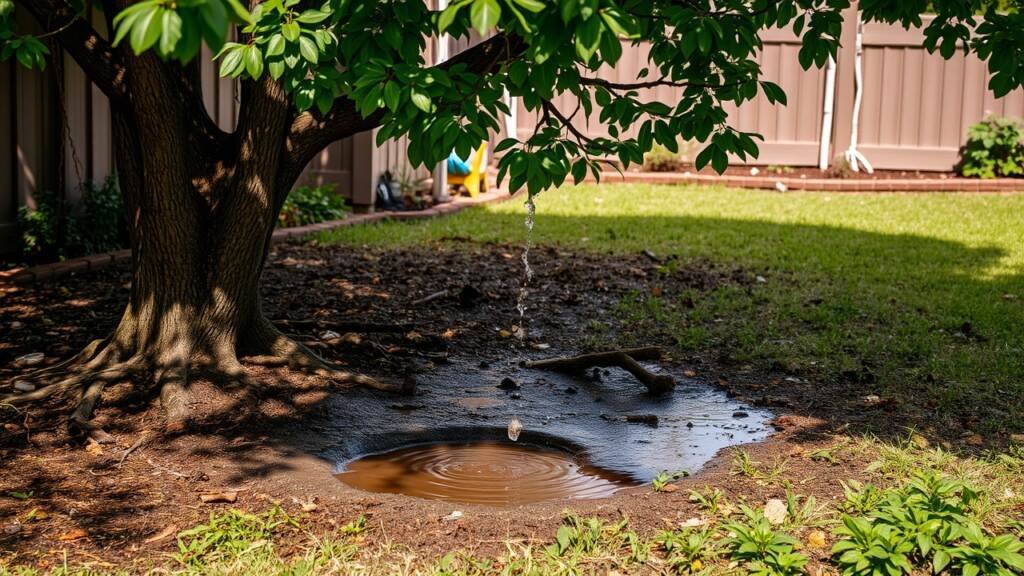
Neglecting soil preparation often results in poor drainage. When water cannot properly permeate the soil, it leads to water pooling, creating a breeding ground for diseases. Proper drainage is essential for a healthy, vibrant turf.
Compacted Soil Problems
Compacted soil prevents roots from accessing essential nutrients and water, hindering grass growth. Installing turf on compacted soil is one of the biggest mistakes to avoid. Soil compaction leads to shallow root systems, leaving your grass vulnerable to stress.
Why Soil Testing Matters
Soil testing is a critical step often overlooked. Testing reveals your soil’s pH level and nutrient content, allowing you to amend it appropriately. This ensures the type of grass you choose has the best possible growing conditions, which is one of the important lawn care tips.
Choosing the Wrong Grass Type
Climate Mismatch
Selecting a grass type unsuited to your local climate is a significant mistake. Different grass varieties thrive in different temperature zones. Choosing the right grass ensures your lawn can withstand local weather conditions and avoid common failures.
Sun vs Shade Issues
Different grasses have varying sunlight requirements. Installing a sun-loving grass in a shady area, or vice versa, is a common installation mistake. Understanding your yard’s sun exposure is crucial when choosing the right type of grass.
Water Requirements
Different grass types also have different water needs. Selecting a grass that requires more water than you’re willing to provide will lead to a stressed and unhealthy lawn. It’s important to choose the right grass based on water availability and your maintenance preferences.
Incorrect Grading and Drainage

Standing Water
One of the most frustrating common installation mistakes is neglecting proper grading, which leads to standing water. When your lawn has areas where water consistently pools after rain, it not only looks unsightly as an uneven lawn, but also creates an ideal environment for poor drainage, disease, and weed growth. Ensure proper grading to encourage water runoff.
Uneven Growth
Improper grading and drainage can result in uneven growth across your lawn. Areas with better drainage will thrive, while those with poor drainage will struggle, leading to a patchy and uneven lawn look. Correcting this issue after installing turf is more difficult than addressing it during the initial preparation phase.
Root Suffocation
Poor drainage caused by incorrect grading can lead to root suffocation. When roots are constantly submerged in water pooling, they can’t access the oxygen they need to survive. This results in weakened or dead grass, making your lawn vulnerable to disease and weed infestations. This is one of the mistakes to avoid when installing.
Rushing the Installation Process
Installing Too Fast
Installing too quickly is one of the common installation mistakes homeowners make. This can lead to a number of problems, including improper soil compaction, uneven surfaces, and poor root establishment. Taking your time ensures that each step is done correctly, increasing the chances of a long-lasting and healthy lawn. This is one of the mistakes to avoid when installing.
Ignoring Weather Conditions
Ignoring weather conditions is another significant lawn installation mistake. Installing turf during extreme heat or heavy rain can negatively impact the lawn’s establishment. Ideally, aim to lay turf during moderate weather conditions to give your new grass the best chance to thrive. Keep in mind these lawn care tips.
Poor Seam Alignment for Sod
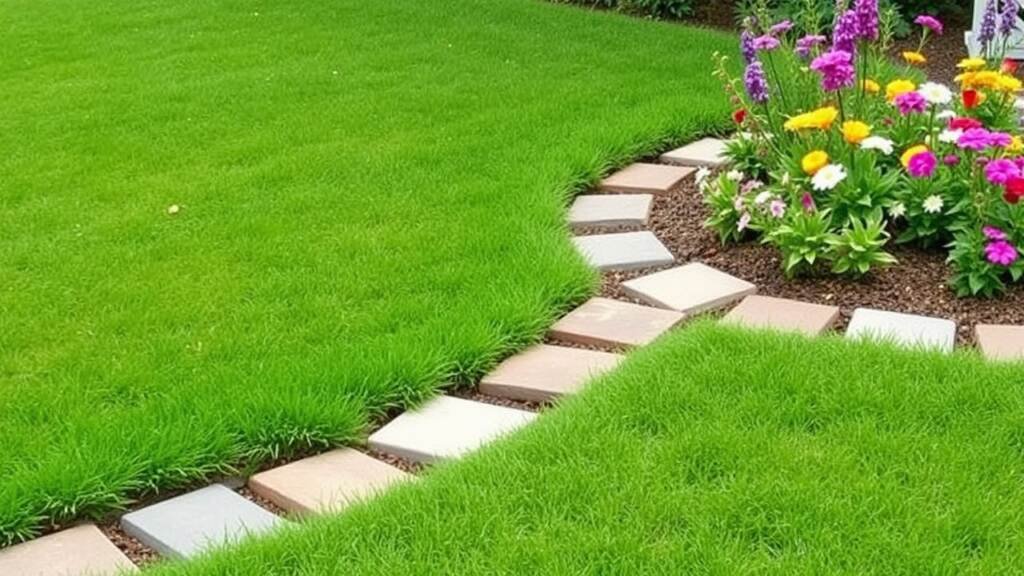
When installing sod, poor seam alignment is a common issue that can detract from the overall lawn look. Gaps or overlaps between sod pieces not only look unsightly but also create opportunities for weeds to take root. Ensure seams are tightly aligned for a seamless and green lawn. When installing turf, be sure to align!
Improper Watering After Installation
Overwatering vs Underwatering
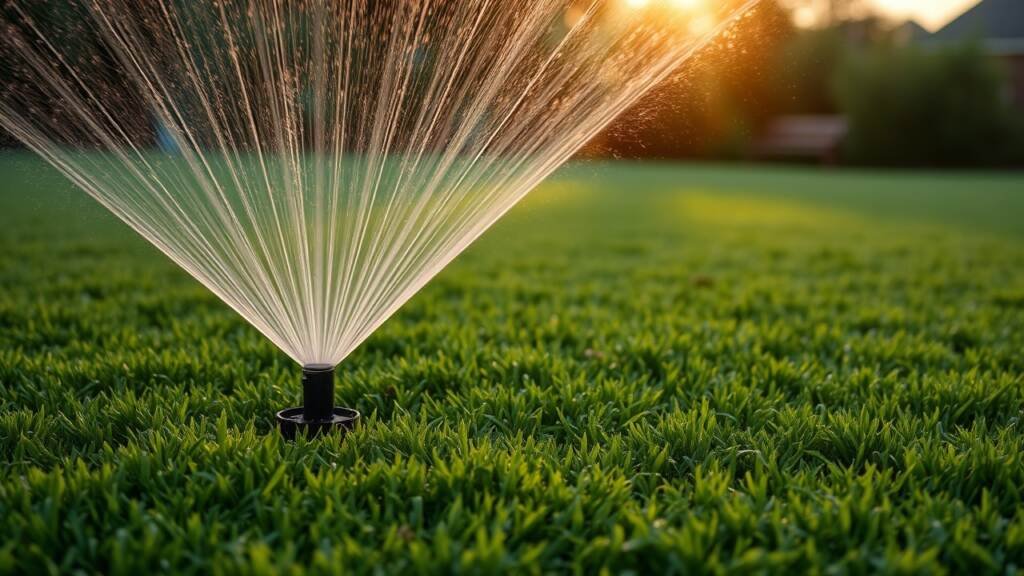
One of the most crucial aspects of post-installation care is proper watering. Overwatering can lead to fungal diseases and root rot, while underwatering can cause the grass to dry out and die. Finding the right balance is key to establishing a healthy lawn. Be sure to avoid this common installation mistakes.
First 2–3 Weeks Watering Guidelines
During the first 2–3 weeks after installing, it’s essential to keep the soil consistently moist but not waterlogged. Water deeply and frequently enough to encourage root growth, but avoiding these common mistakes to avoid standing water. Monitor the moisture level regularly to adjust your watering schedule accordingly to promote a green lawn.
Signs of Stress
Be vigilant for signs of stress in your newly installing grass. Yellowing, wilting, or browning tips can indicate either overwatering or underwatering. Adjust your watering schedule based on these visual cues to ensure your lawn receives the right amount of moisture. This is one of the important lawn care tips.
Walking on Grass Too Soon
Root Damage Risks
Walking on newly installing turf or natural grass too soon can pose significant root damage risks. The tender roots haven’t yet had a chance to firmly establish themselves in the soil. Premature foot traffic can sever these fragile connections, hindering the lawn’s long-term health and potentially leading to costly lawn installation mistakes.
Compaction Issues
Another risk of walking on newly installing turf prematurely is soil compaction. The weight of foot traffic compresses the soil, reducing the space for air and water to penetrate. This compaction makes it difficult for the roots to grow and thrive, contributing to an uneven lawn and potentially creating poor drainage issues. Avoid this common mistake.
Safe Timelines for Foot Traffic
To protect your new lawn from root damage and compaction, it’s best to minimize foot traffic for the first few weeks after installing. A general guideline is to wait at least two to three weeks before allowing regular use of the lawn. This waiting period allows the grass roots to establish and secure the edges, ensuring a long-lasting and healthy green lawn.
Neglecting Post-Installation Maintenance
Fertilization Mistakes
Neglecting post-installation maintenance, especially fertilization, can lead to significant problems for your lawn. Common mistakes include using the wrong type of fertilizer, applying too much or too little, or fertilizing at the wrong time of year. These errors can damage the grass, promote weed growth, and create an uneven lawn.
Mowing Too Early
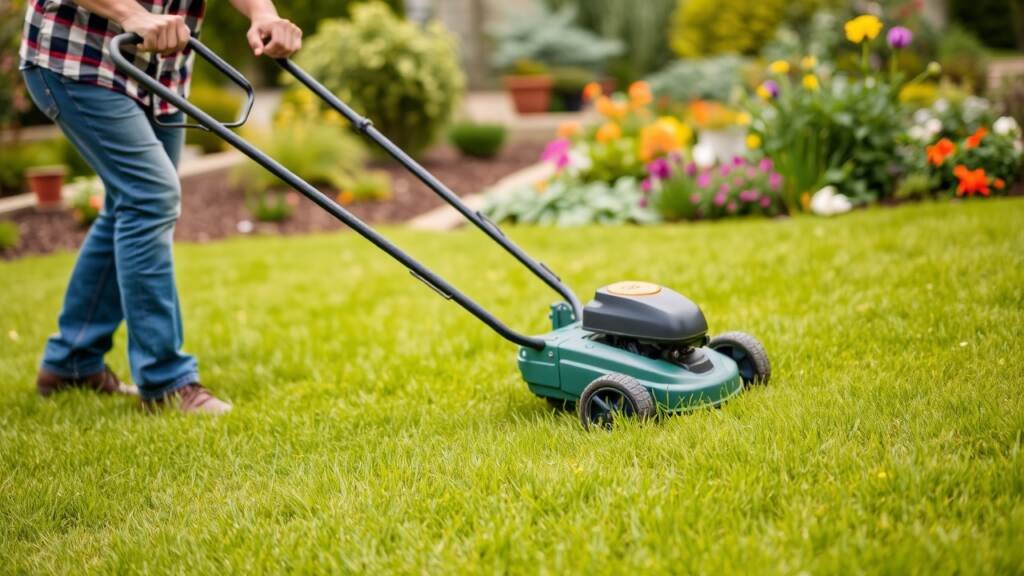
Mowing too early after installing your lawn is another common installation mistakes that can hinder its establishment. The young grass needs time to develop a strong root system before being subjected to the stress of mowing. Mowing too soon can damage the delicate blades and stunt growth, impacting the lawn look.
Ignoring Early Warning Signs
Ignoring early warning signs of stress in your new lawn can lead to more significant problems down the road. Yellowing, browning, or wilting grass, as well as the appearance of weeds, can indicate underlying issues such as poor drainage, nutrient deficiencies, or disease. Addressing these signs early is essential to prevent further damage. Check the lawn care tips.
DIY Installation Without Enough Planning
Underestimating Labor
One of the biggest pitfalls of DIY lawn installation is underestimating the amount of labor involved. Installing turf, whether it’s natural grass or artificial turf, requires significant physical effort, from preparing the soil to laying artificial grass or sod. Many homeowners underestimate the time and energy required to do the job correctly, and this is one of the mistakes to avoid.
Missing Tools
Another common mistake in DIY lawn installation is starting the project without all the necessary tools. From shovels and rakes to sod cutters and rollers, having the right equipment is essential for efficient and effective installing. Missing tools can lead to delays, frustration, and a less-than-professional result. The professional installer has all the tools!
Costly Do-Overs
DIY lawn installation projects can quickly turn into costly do-overs if common installation mistakes are made. Poor soil preparation, incorrect grading, or improper installing can result in a lawn that fails to thrive, requiring expensive repairs or even complete replacement. This is why proper installation is essential to help you avoid problems.
How to Avoid These Mistakes Altogether
Proper Planning Checklist
Avoiding lawn installation mistakes starts with thorough planning. Create a checklist that includes soil testing, proper grading, selecting the right type of grass, and ensuring adequate drainage. Careful planning will set the stage for a successful lawn installation and minimize the risk of costly errors. This is why you choose the right lawn care tips.
When Professional Help Makes Sense
While DIY lawn installation can be tempting, there are times when seeking professional help makes sense. If you’re dealing with complex drainage issues, extensive grading requirements, or simply lack the time or expertise to do the job correctly, hiring a professional installer can save you time, money, and frustration by avoiding these common mistakes to avoid.
Long-Term Lawn Care Mindset
A healthy, long-lasting lawn requires a long-term care mindset. Installing turf is just the first step; ongoing maintenance, including proper watering, fertilization, and weed control, is essential to keep your lawn thriving for years to come. Embrace a proactive approach to lawn care to enjoy a beautiful outdoor space. A beautiful lawn starts with avoiding these common common installation mistakes. Contact Destiny Landscape to ensure your grass installation is done right the first time.