
Installing a new lawn is an exciting prospect for any homeowner looking to enhance their property. However, a crucial decision arises: should you tackle the grass installation as a DIY project, or hire a professional for sod installation? This article delves into the pros and cons of each approach, helping you make an informed choice.
Why the Installation Method Matters
The method of grass installation significantly impacts the long-term health and beauty of your lawn. Proper installation ensures effective drainage, root establishment, and overall turf vitality. Ignoring these factors can lead to costly repairs and a less-than-desirable outcome, potentially affecting property value.
Impact on Lawn Health
Choosing between DIY vs professional grass installation deeply affects lawn health. Professional sod installation typically results in better root establishment, crucial for nutrient absorption and resilience. Inadequate soil preparation during a DIY installation can lead to poor drainage and, consequently, a less healthy lawn, needing constant lawn care.
Long-Term Maintenance Costs
The initial installation method directly affects long-term maintenance costs. A professional installation, focusing on proper drainage and soil quality, can minimize future expenses related to pest control, weed management, and turf repair. Opting for the DIY route may save money upfront but could result in higher upkeep costs later.
Curb Appeal and Property Value
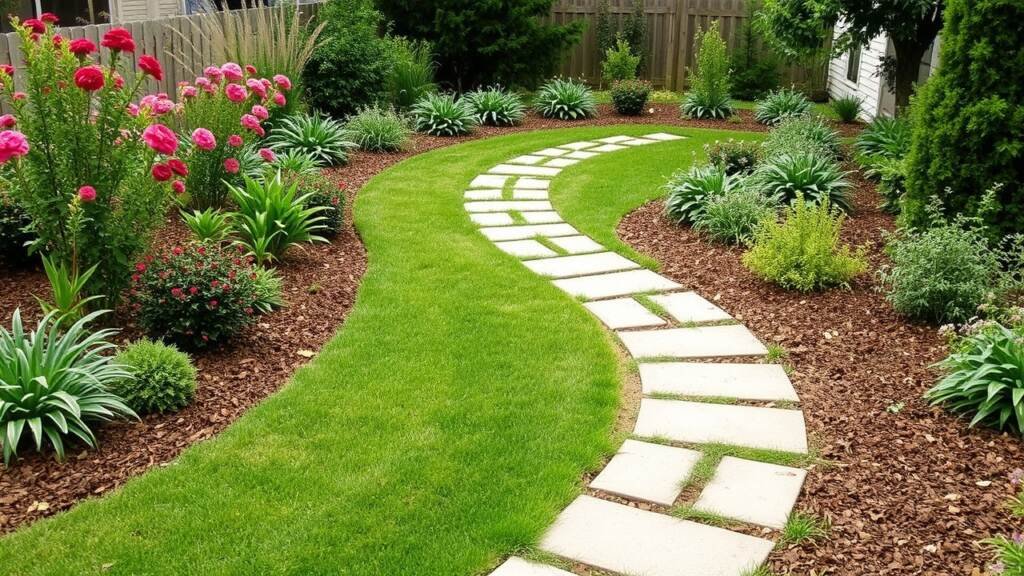
A beautiful lawn significantly enhances curb appeal and can increase property value. Professional installation methods often result in a more aesthetically pleasing and uniform lawn, which is particularly important for homeowners looking to sell or simply enjoy their outdoor space. A poorly executed DIY lawn might detract from the home’s overall appearance.
What DIY Grass Installation Really Involves
Embarking on a DIY installation project involves several key steps. The process can be broken down into distinct phases, including:
- Precise planning and measuring, as well as meticulous soil preparation.
- Purchasing materials, the physical installation itself, and crucial aftercare.
Each phase demands attention to ensure your new lawn thrives.
Planning and Measuring
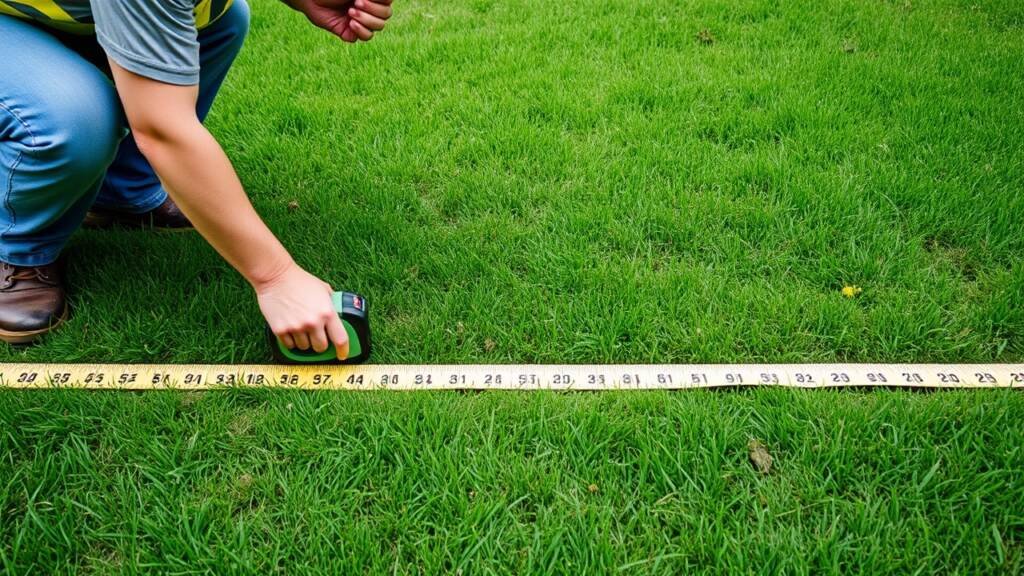
Careful planning and measuring are paramount for a successful DIY sod installation. This involves accurately determining the area’s dimensions, assessing sunlight exposure, and considering existing landscape features. Precise measurements ensure you purchase the correct amount of sod or artificial grass, avoiding waste and additional trips to the store.
Soil Preparation and Grading
Proper soil preparation and grading are essential for optimal drainage and root establishment. This stage requires removing existing vegetation, tilling the soil, and adding necessary amendments to improve its composition. Achieving a smooth, even surface is crucial for preventing water accumulation and ensuring uniform turf growth across the lawn.
Purchasing Materials
Purchasing the right materials is a critical step in DIY installation. This includes selecting high-quality sod, artificial turf or grass seed, along with essential supplies like fertilizer, topsoil, and weed control products. Choosing the appropriate type of grass for your climate and soil conditions is vital for long-term success.
Installation and Aftercare
The installation phase involves carefully laying the sod or planting grass seed, ensuring tight seams and proper contact with the soil. Aftercare is equally important, requiring consistent watering, fertilization, and weed control to encourage healthy growth. This stage demands patience and diligence to ensure the new lawn thrives.
Pros and Cons of DIY Grass Installation

Choosing between a DIY approach and professional services involves weighing various advantages and disadvantages. While DIY projects offer cost savings and personal satisfaction, they also demand time, effort, and expertise. Understanding these pros and cons is crucial for making an informed decision.
Pros of DIY Grass Installation
One of the primary advantages of a DIY sod installation is the potential for lower upfront costs. Eliminating labor expenses can significantly reduce the overall project budget. Furthermore, many homeowners find personal satisfaction in completing a landscape project themselves, gaining full control over the entire process and the DIY route.
Cons of DIY Grass Installation
Despite the benefits, DIY lawn installation comes with notable drawbacks. It is often time-consuming and physically demanding, requiring significant effort and commitment. There’s also a risk of making mistakes, which could lead to uneven turf, poor drainage, or other issues that necessitate costly repairs or a complete redo of the DIY lawn.
What Professional Grass Installation Includes
Professional grass installation offers a comprehensive solution, ensuring optimal conditions for a thriving lawn. This typically begins with a thorough site evaluation to assess existing conditions. It extends to meticulous soil and drainage preparation, followed by precision installation and detailed post-installation care guidance. When you hire a professional, you’re paying for expertise at every step.
Site Evaluation
The first step in professional sod installation is a detailed site evaluation. Professionals assess soil type, drainage patterns, and sunlight exposure. This assessment informs decisions about sod type, soil amendments, and installation techniques. Proper evaluation ensures the new turf has the best possible start for long-term health and vitality, something DIY lawn installations sometimes miss.
Soil and Drainage Preparation
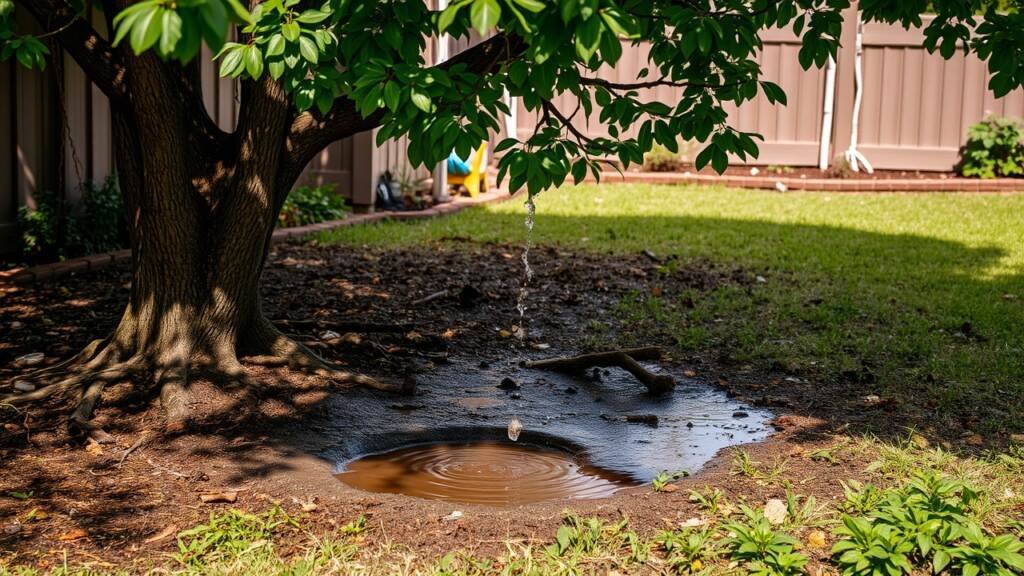
Effective soil and drainage preparation is crucial for a healthy lawn. Professionals address soil compaction, nutrient deficiencies, and drainage issues. They may amend the soil with organic matter, install drainage systems, or re-grade the area. This meticulous preparation ensures optimal root establishment and prevents waterlogging, a common issue in DIY installations.
Precision Installation
Precision installation sets professional sod installation apart from DIY projects. Professionals use specialized equipment to ensure uniform sod placement and tight seams. They meticulously roll the sod to promote root-to-soil contact. This precision minimizes air pockets, prevents desiccation, and encourages rapid root establishment. Proper installation methods make for a more beautiful lawn.
Post-Installation Care Guidance
Professional installers provide detailed post-installation care guidance to ensure the lawn thrives. This includes watering schedules, fertilization recommendations, and mowing instructions. They also offer advice on weed and pest control. This guidance helps homeowners maintain their investment and enjoy a healthy, vibrant lawn for years to come, a key advantage when comparing DIY vs professional options.
Pros and Cons of Professional Grass Installation
Deciding whether to opt for professional services or embark on a DIY project requires weighing the advantages and disadvantages. While professional installations offer expertise and efficiency, they also come at a higher cost. Understanding these pros and cons is crucial for making an informed decision based on your needs and resources. It’s the DIY vs professional debate.
Pros of Professional Grass Installation
One of the primary benefits of hiring a professional installer is faster completion. Professionals have the equipment and expertise to complete the project efficiently. They also offer a higher success rate due to their knowledge and experience. Using professional-grade equipment ensures long-term lawn performance and health, avoiding common pitfalls of a DIY installation.
Cons of Professional Grass Installation
The main drawback of professional lawn installation is the higher initial cost compared to a DIY project. Labor expenses and specialized equipment contribute to the overall price. Additionally, scheduling availability may be a factor, as popular installers may have limited openings. But paying for a professional artificial grass installation gives peace of mind that DIY installation cannot.
Cost Comparison — DIY vs Professional
A thorough cost comparison is essential when deciding between a DIY approach and hiring professional services. Factors to consider include material costs, tool rentals, the value of your labor, and potential repair or redo costs. Assessing these factors will provide a clear picture of the true cost of each option when considering installing sod.
Material Costs
Material costs are a significant component of both DIY and professional sod installation projects. These include the cost of sod or grass seed, topsoil, fertilizer, and weed control products. While DIY projects may initially appear cheaper, professionals often have access to wholesale pricing and can optimize material usage to reduce waste. Choosing between DIY and professional has large effects on the overall material costs.
Tool Rentals
DIY projects may require renting specialized tools such as sod cutters, tillers, and lawn rollers. Rental costs can add up, potentially eroding the cost savings of a DIY approach. Professionals already own these tools, eliminating the need for rentals. Proper tools makes a huge difference when comparing DIY vs professional install sod methods.
Labor Value
When assessing costs, it’s essential to consider the value of your labor. DIY projects require significant time and effort, which could be spent on other activities. Professional installers provide labor and expertise, freeing up your time and energy. The benefits of paying a professional outweigh the DIY route in this case.
Repair or Redo Costs
One often-overlooked factor is the potential cost of repairs or redoing the project. Mistakes during DIY installation can lead to uneven turf, poor drainage, or other issues that require costly fixes. Professionals offer warranties and guarantees, minimizing the risk of unexpected expenses. Choosing between DIY and professional depends on how much risk you are willing to take.
Time & Effort Comparison
Weekend DIY vs 1–2 Day Professional Install
When comparing the time and effort required for diy versus professional installation, the differences are stark. A diy sod installation or artificial turf project can easily consume an entire weekend, or even several weekends, depending on the size of the lawn. In contrast, professional sod installation is often completed in just one or two days, as the professional installation team has specialized equipment and a streamlined process to get the job done. Homeowners save valuable time when they hire a professional and don’t have to dedicate their free time to physical labor.
Learning Curve
Opting for a diy sod installation project introduces a significant learning curve. Homeowners must familiarize themselves with soil preparation techniques, proper sod laying methods, and post-installation care. This involves research, experimentation, and potential missteps along the way. A professional installation bypasses this learning curve, as the installers bring years of experience and knowledge to the table. This expertise ensures the lawn receives the correct treatment and care from the outset, improving the chances of a successful and thriving turf.
Weather-Related Delays
Weather conditions can significantly impact the timeline of a diy grass installation. Heavy rain can render soil preparation impossible, while extreme heat can stress newly laid sod. These delays can prolong the diy sod installation process and increase the risk of complications. Professional sod installation teams are adept at managing weather-related challenges, often adjusting schedules and techniques to minimize disruptions. Professional sod installation teams can work with homeowners to ensure that the project runs on time. This is a crucial advantage when comparing diy vs professional.
Long-Term Lawn Health & Maintenance
Root Establishment
Proper root establishment is critical for the long-term health and vitality of any lawn. Professional installation methods prioritize optimal root-to-soil contact, ensuring the sod or artificial turf can quickly establish a strong root system. This involves careful soil preparation, precise sod laying, and adequate watering techniques. A diy lawn may struggle with root establishment if these factors are not properly addressed, leading to a weaker, less resilient turf.
Drainage and Soil Quality
Effective drainage and high-quality soil are essential for preventing waterlogging and promoting healthy root growth. Professional installation typically includes thorough soil testing and amendment to ensure optimal drainage and nutrient availability. DIY installation may overlook these crucial steps, potentially leading to soil compaction, poor drainage, and a less-than-ideal growing environment. DIY sod can have many issues if drainage and soil aren’t correct.
Weed and Disease Prevention
Weed and disease prevention are ongoing challenges for any lawn owner. Professional services often include pre-emergent weed control treatments and disease-resistant sod varieties. This proactive approach can minimize the risk of infestations and maintain the lawn’s health over time. DIY installation requires homeowners to take on these responsibilities themselves, potentially leading to costly treatments and repairs if problems arise.
Which Option Is Right for You?
Small Backyard vs Large Property
The size of your property is a significant factor when choosing between DIY and professional installation. For a small backyard, a diy project may be manageable, as the area is smaller and requires less sod. However, for larger properties, the scale of the project can be overwhelming, making professional sod installation a more practical and efficient choice. When thinking about whether to choose diy vs professional think about the scale of your yard and diy installation.
Budget-Focused Homeowners
For budget-focused homeowners, a diy installation may seem like the most economical option. However, it’s essential to consider all associated costs, including material expenses, tool rentals, and the potential for costly mistakes. Professional artificial grass installation may offer long-term cost savings through improved drainage, reduced maintenance, and warranties, making it a worthwhile investment. Even though diy installation looks cheaper upfront, it’s beneficial to weigh your options for long-term expenses.
Busy Families
Busy families often find it challenging to dedicate the time and effort required for a diy sod installation. The diy route can be time-consuming. Professional lawn care offers a convenient solution, allowing families to enjoy a beautiful lawn without sacrificing their precious free time. The installer will handle all aspects of the installation, from soil preparation to post-installation care, ensuring a hassle-free experience when you hire a professional.
Long-Term Homeowners vs Short-Term Sellers
Long-term homeowners may prioritize long-term lawn health and aesthetics, making professional sod installation a more appealing investment. Proper drainage, high-quality sod, and ongoing maintenance can enhance the property’s value and enjoyment for years to come. Short-term sellers may opt for a diy sod installation to quickly improve curb appeal without incurring significant expenses. Weigh your options when choosing between DIY and professional.
- How Major Stadiums in the U.S. Maintain Lush, Healthy Lawns Year-Round
- Drought-resistant plant lists for eco landscaping
- How to Choose the Right Landscape and Lawn Care Services in Olympia
- Sustainable backyard makeover ideas for 2025
- Year-Round Lawn Care Calendar: Seasonal Secrets for a Healthy, Lush Yard