
Creating a lush, green lawn is a goal for many homeowners. However, achieving that perfect turf requires more than just planting grass or laying sod. The secret to a thriving lawn lies in meticulous soil preparation. This comprehensive guide will walk you through each step, ensuring your new lawn has the best possible start.
Why Soil Preparation Matters More Than the Grass Itself
Soil as the Foundation of Lawn Success
Think of your lawn’s soil as the foundation of a house. Just as a weak foundation compromises the entire structure, poor soil preparation undermines the health and beauty of your grass. The soil provides the necessary water and nutrient uptake, support for root growth, and drainage. Proper soil preparation sets the stage for a vibrant, long-lasting green lawn.
Common Problems Caused by Poor Soil Prep
Neglecting soil preparation can lead to a host of problems down the road. Poor drainage, resulting from soil compaction, can cause root rot and fungal diseases. Insufficient nutrients in the soil stunt grass growth, leading to a thin, patchy lawn. Weeds thrive in unhealthy soil, competing with your grass for resources. Investing time in soil preparation upfront prevents these issues and saves you effort and money in the long run. You will want to properly prepare soil before planting to avoid these issues.
Evaluating Your Existing Soil Conditions
Soil Compaction
Soil compaction is a common issue, especially in areas with heavy foot traffic or construction. Compact soil restricts root growth, limits water penetration, and reduces air circulation. To check for soil compaction, try to insert a shovel into the ground. If it’s difficult, you likely have compacted soil. Addressing soil compaction is crucial for successful sod installation and overall lawn health. Compact underlying soil can prevent water and nutrients from reaching the roots of your grass.
Clay vs Sandy Soil
The soil type significantly impacts drainage and nutrient retention. Clay soil tends to be dense and retains water, which can lead to waterlogging and root rot. Sandy soil, on the other hand, drains quickly but may not hold enough nutrients. Understanding your soil type is the first step in determining the necessary soil amendments to create an ideal growing environment for your new lawn. Identifying your soil type is key to proper soil preparation.
Drainage Issues
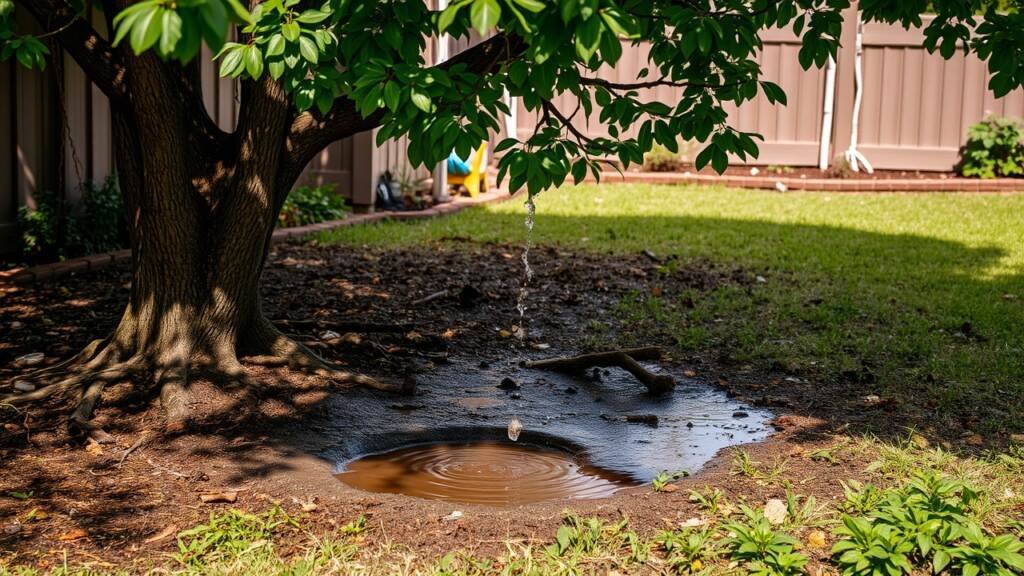
Proper drainage is essential for a healthy lawn. Poor drainage can cause water to pool on the surface, creating breeding grounds for mosquitoes and promoting fungal diseases. Observe your lawn after a heavy rain to identify any low spots or areas where water accumulates. Addressing drainage issues before laying the sod is vital for long-term lawn health. Consider the impact drainage issues can have on your new lawn and address them during the time to prepare the soil.
Key Steps in Soil Preparation for Grass Installation

Removing Old Grass and Debris
Before you can begin the process of preparing the soil, the first step is to remove any existing grass, weeds, and debris from the area. This ensures that your new sod has a clean slate for root development. Using a sod cutter or tiller can help you efficiently remove the old turf. Rake the area thoroughly to eliminate any remaining organic matter, rocks, or other unwanted materials. Removing all debris allows the new lawn to thrive without competition.
Grading and Leveling the Soil
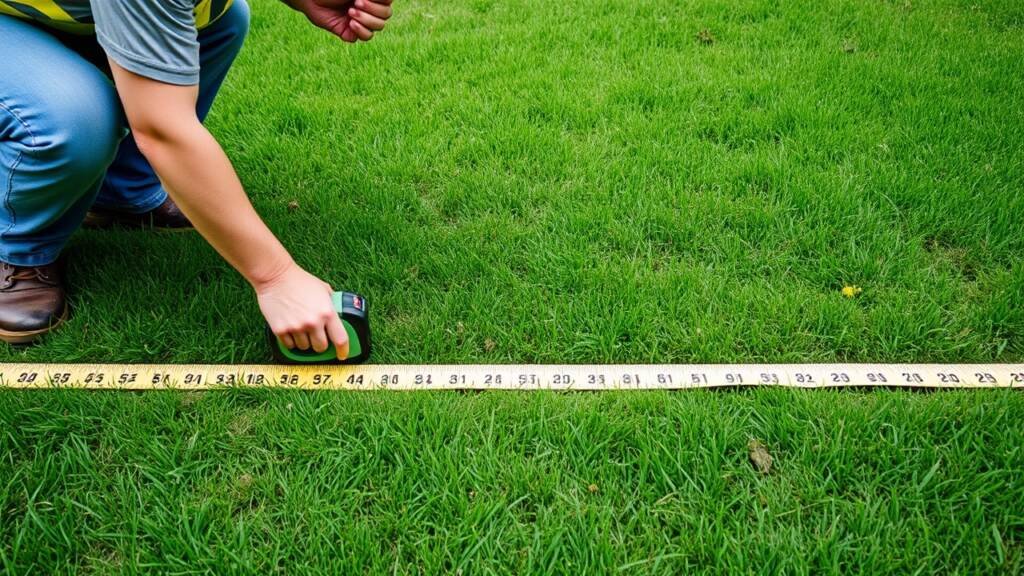
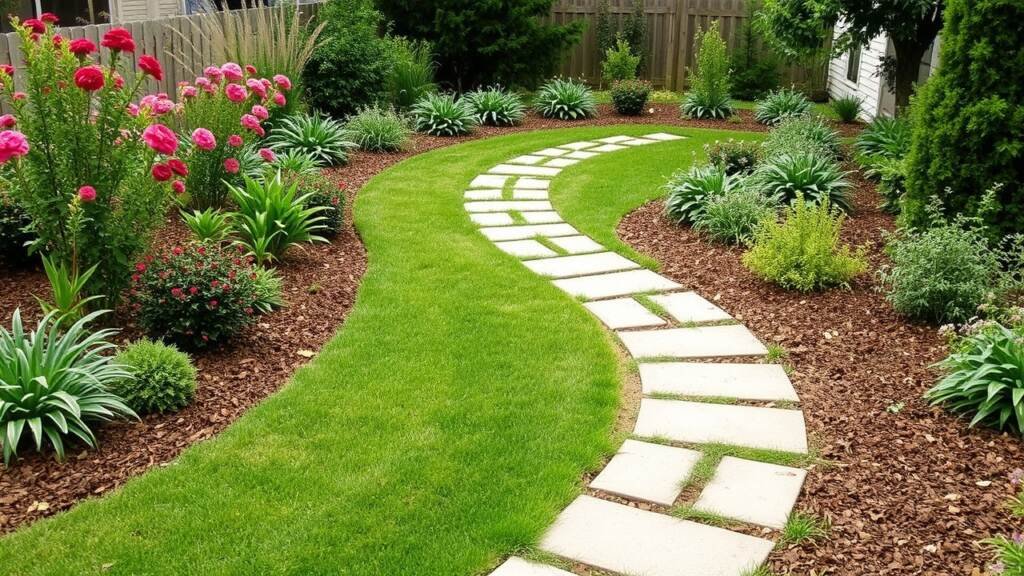
Grading and leveling are crucial for creating a smooth and even soil surface for your new lawn. This step ensures proper drainage and prevents low spots where water can accumulate. Use a rake or a land leveler to distribute the topsoil evenly across the area. Pay close attention to the slope of the ground, ensuring that water flows away from your home’s foundation. Achieving a level surface before laying the sod will result in a professional-looking finish.
Soil Testing and pH Adjustment
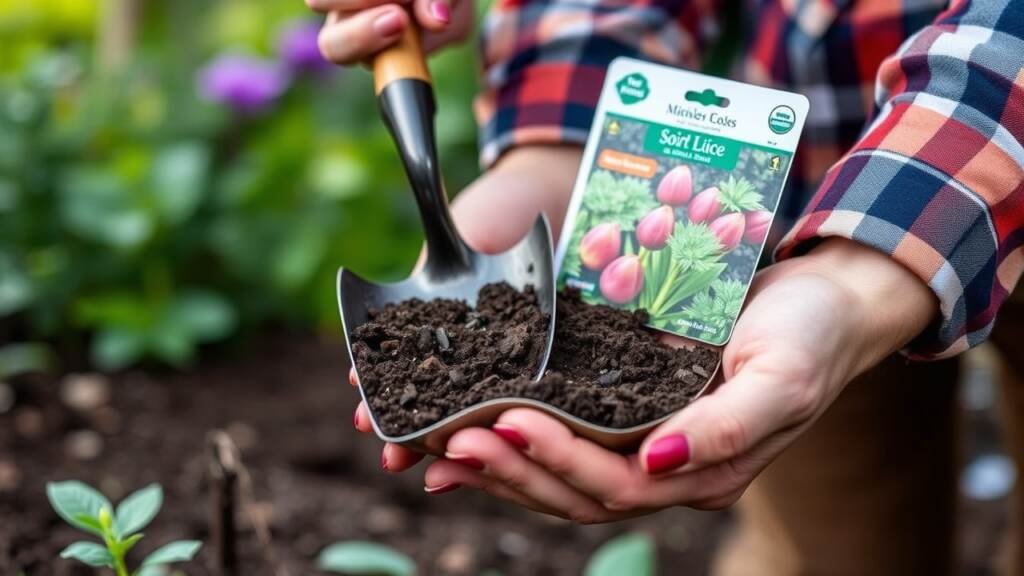
A soil test is an essential step in soil preparation, providing valuable insights into your soil’s composition and pH level. You can purchase a soil test kit or send a sample to a professional lab. The soil test results will reveal nutrient deficiencies and pH imbalances that need correction. Most grasses thrive in a slightly acidic to neutral pH range (6.0 to 7.0). Use soil amendments like lime to raise the pH or sulfur to lower it, based on the soil test results. Testing your soil allows you to ensure proper soil preparation.
Improving Soil Structure and Drainage Before Installation
Aeration Techniques
Aeration is an effective method for alleviating soil compaction and improving drainage. There are two primary types of aeration, and they work in different ways:
- Core aeration involves removing small plugs of soil, creating channels for air, water, and nutrients to penetrate deeply into the soil.
- Spike aeration uses solid tines to poke holes in the ground.
Core aeration is generally more effective for addressing severe soil compaction issues. Improving the soil by aeration will improve soil structure.
Adding Organic Matter
Incorporating organic matter into your soil is a vital step in improving its structure, drainage, and nutrient content. Compost, well-rotted manure, peat moss, and other organic soil amendments can significantly enhance the soil’s ability to retain moisture and nutrients, as well as promote healthy root growth. Spread a layer of organic matter over the soil surface and till it in to a depth of several inches to improve the soil structure. Consider tilling the soil for optimal blending and distribution.
Drainage Solutions
Addressing drainage issues is crucial for preventing waterlogging and promoting a healthy lawn. If you have areas with poor drainage, consider installing drainage solutions such as French drains or surface drains. A French drain consists of a perforated pipe buried in a trench filled with gravel, allowing water to flow away from the area. Surface drains collect excess water and channel it to a designated drainage point. Proper drainage is essential for long-term lawn health and to improve soil.
Choosing the Right Soil Base for Sod vs Seed
The choice between sod installation and planting grass seed impacts the specific soil base requirements. Sod needs a firm, even surface for proper root establishment, while grass seed benefits from loose soil that promotes germination and root development. Prepare your soil according to which grass installation you choose. If you are planting grass seed, be sure to create loose soil that will help with root growth.
Soil Depth Requirements
The depth of the soil base is a critical factor for both sod and seed installations. Sod typically requires a minimum of 4-6 inches of topsoil to allow for adequate root establishment. Grass seed, on the other hand, can thrive with a slightly shallower soil depth of 3-4 inches, as long as the soil is loose and well-prepared. Ensuring sufficient soil depth promotes healthy root growth and long-term lawn health. Be sure to have proper soil depth to ensure adequate root development.
Nutrient Considerations
Nutrient availability is crucial for the successful establishment of both sod and seed. Before laying the sod or planting grass seed, conduct a soil test to determine any nutrient deficiencies. Incorporate a starter fertilizer into the soil to provide the necessary nutrients for initial root growth and development. Choose a fertilizer with a balanced ratio of nitrogen, phosphorus, and potassium, tailored to the specific needs of your grass type. Remember to fertilize and test your soil before planting.
Compaction Control
Compaction control is essential regardless of whether you choose sod or seed. While sod requires a firm base, excessive soil compaction can hinder root penetration and water infiltration. For seed, compaction can prevent proper germination. After tilling or amending the soil, lightly compact the surface with a lawn roller to create a stable base without overly compacting the soil. Compact underlying soil can be detrimental for a new lawn.
Common Soil Preparation Mistakes to Avoid
Skipping Grading
One of the most common mistakes is skipping the grading process. Failing to properly grade and level the soil can lead to uneven surfaces, poor drainage, and an unsightly lawn. Always take the time to grade the area thoroughly before laying the sod or planting grass seed. Properly grading ensures a smooth, level surface and prevents water from pooling in low spots.
Over-Compacting Soil
While a firm soil base is desirable for sod, over-compacting the soil can impede root growth and water penetration. Avoid using heavy machinery that can compress the soil excessively. If you need to compact the soil, use a lightweight lawn roller and avoid overdoing it. Over-compacting soil can cause issues with drainage as well.
Ignoring Drainage
Ignoring drainage issues can lead to a host of problems, including root rot, fungal diseases, and mosquito infestations. Always assess the drainage of your lawn before laying sod or planting grass seed. If you notice areas where water tends to accumulate, take steps to improve drainage before proceeding. Always prepare soil and improve drainage before planting.
Why Professional Soil Preparation Delivers Better Results
Experience and Equipment
Professional lawn care companies possess the experience and specialized equipment necessary to properly prepare your soil for grass installation. They can efficiently remove old turf, grade and level the soil, conduct soil tests, and apply soil amendments with precision. Their expertise ensures that your soil is optimally prepared for a healthy, thriving lawn. Using the proper equipment ensures proper soil preparation.
Local Soil Knowledge
Professionals have in-depth knowledge of local soil types and conditions. This expertise allows them to tailor their soil preparation techniques to address the specific needs of your area. They understand the common soil problems in your region and can recommend the most effective soil amendments and drainage solutions. Local experts will know the soil type for the area.
Long-Term Lawn Performance
Investing in professional soil preparation translates to improved long-term lawn performance. A properly prepared soil base promotes healthy root growth, efficient water and nutrient uptake, and increased resistance to pests and diseases. The result is a lush, green lawn that thrives for years to come. Professional lawn care leads to long-term results. When discussing professional installation value, reference Grass Installation Services Near You – Local Experts 2026.
A perfect lawn starts below the soil surface. Contact Destiny Landscape today to ensure your soil is properly prepared for long-term lawn success.
Choosing the Right Soil Base for Sod vs Seed
Soil Depth Requirements
When deciding between sod installation and planting grass seed, understand that each method has different soil depth needs. Sod requires about 4-6 inches of topsoil to ensure successful root growth, while grass seed can thrive with 3-4 inches if the soil is loose and well-prepared. The grass will be able to absorb water and nutrients better with adequate soil depth, improving the new lawn.
Nutrient Considerations
Nutrient levels are essential for the proper establishment of both sod and seed. Before you lay sod or plant grass seed, a soil test can reveal any deficiencies. A starter fertilizer can provide the necessary nutrients for initial root growth and development. Choose a fertilizer based on the needs of your grass type to promote optimal turf health. Remember to fertilize before planting to help the grass.
Compaction Control
Whether you choose sod or seed, manage soil compaction to allow for optimal root growth. Although sod needs a firm base, excessive soil compaction hinders root penetration and water and nutrient absorption. For seed, soil compaction can inhibit germination. Lightly compact the soil surface with a lawn roller after tilling or amending to create a stable base without overly compacting it. When you prepare the soil, manage compaction well.
Common Soil Preparation Mistakes to Avoid
Skipping the Grading Process
One prevalent mistake is skipping grading when you prepare the soil. This step is essential for ensuring proper drainage and an even soil surface. Without grading, the lawn can develop low spots where water accumulates. Take the time to grade the area thoroughly before laying the sod or planting grass seed to create an appealing and functional lawn. Skipping grading can lead to problems with water and nutrients reaching the grass.
Over-Compacting Soil
It’s important to avoid over-compacting the soil, as this can impede root growth and hinder water and nutrient penetration. Although a firm base is important for sod installation, excessive soil compaction can prevent the new sod from taking root effectively. When you prepare soil, use a lightweight roller and avoid excessive compaction to maintain a healthy soil structure.
Ignoring Drainage Needs
Ignoring drainage issues is a mistake that can lead to long-term problems. Poor drainage can cause root rot, fungal diseases, and mosquito infestations. Before laying sod or planting grass seed, assess the drainage of your lawn. Improve drainage by installing French drains or surface drains to prevent water from pooling and damaging your new lawn. Make sure you improve soil before planting.
Why Professional Soil Preparation Delivers Better Results
Experience and Equipment
Professional lawn care companies provide specialized equipment and extensive experience to prepare your soil effectively. They can efficiently remove old turf, grade and level the soil, conduct soil tests, and apply soil amendments precisely. Their expertise guarantees the soil is ready for a healthy, thriving new lawn. Using proper equipment to prepare soil saves homeowners time and resources.
Local Soil Knowledge
Professionals possess in-depth knowledge of local soil types and conditions, enabling them to customize soil preparation techniques to the specific needs of your area. They understand common soil problems and can recommend the most effective soil amendments and drainage solutions. Their expertise improves the chances of a successful lawn installation. Local experts know the soil and how to prepare soil for grass installation.
Long-Term Lawn Performance
Investing in professional soil preparation leads to improved long-term lawn performance. A properly prepared soil base supports healthy root growth, efficient water and nutrient uptake, and increased resistance to pests and diseases. The result is a lush, green lawn that thrives for years. In the long-term, proper soil preparation is the foundation for a healthy new lawn. When discussing professional installation value, reference Grass Installation Services Near You – Local Experts 2026.
A perfect lawn starts below the soil surface. Contact Destiny Landscape today to ensure your soil is properly prepared for long-term lawn success.