
Smart, eco-friendly landscape lighting is reshaping how U.S. homeowners illuminate patios, paths, and gardens. Choosing eco-friendly landscape solutions delivers beauty and performance while using less energy. This guide to eco-friendly landscape lighting explains the benefits of eco-friendly options, compares lighting systems, and shares best practices to enhance your outdoor space with responsible outdoor illumination that reduces light pollution and energy use.
What Makes Landscape Lighting Eco-Friendly?
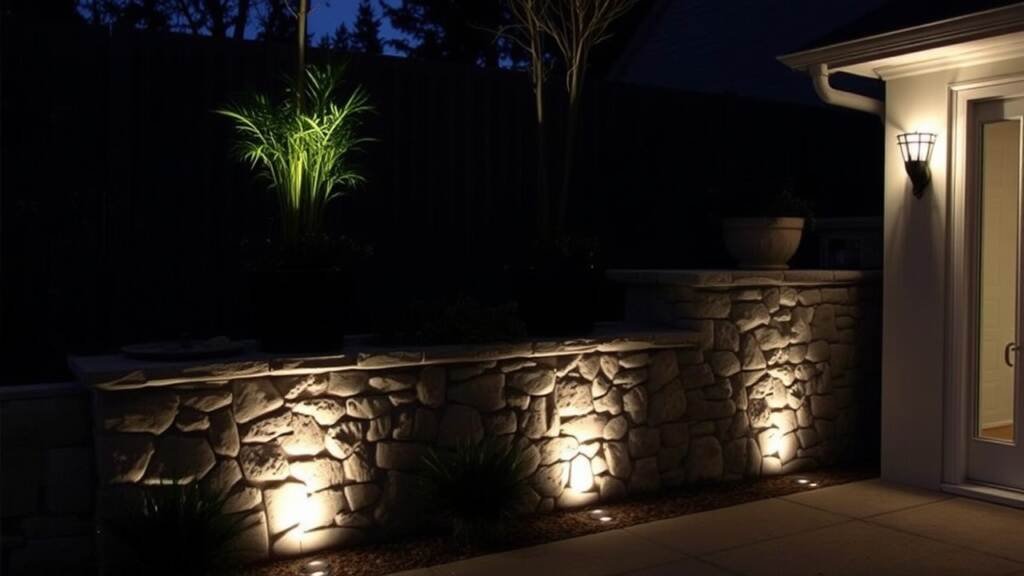
Eco-friendly landscape lighting balances energy-efficient lighting with low environmental impact, durable materials, and responsible design. Use LEDs, solar-powered lights, or low-voltage systems to cut energy consumption while providing a warm glow and reliable performance for outdoor use. Eco-friendly outdoor lighting also aims to reduce light pollution through proper beam control and placement. Choosing sustainable outdoor lighting lowers your carbon footprint while enhancing your landscape.
Understanding Energy Efficiency in Outdoor Lighting
Energy efficiency starts with the light source and the fixture. LED fixtures use far less energy than traditional lighting, converting more electricity into usable light with minimal heat. Solar-powered lights store daytime energy and illuminate at night without adding to your utility bill. Low-voltage lighting systems further reduce energy consumption while safely powering path lights and garden lights. Look for smart timers and dimmers to trim energy use without sacrificing visibility.
| Lighting Type | Key Benefit |
|---|---|
| LED fixtures | Use less energy and convert more electricity into light with minimal heat |
| Solar-powered lights | Store energy during the day and illuminate at night without increasing utility bills |
| Low-voltage systems | Reduce energy consumption while safely powering path and garden lights |
| Smart timers and dimmers | Trim energy use without sacrificing visibility |
Assessing the Environmental Impact of Lighting Choices
Choose recyclable, long-lasting fixtures with replaceable components to cut waste. Aim beam spreads down and shielded to reduce light pollution and protect nighttime habitats. Sustainable lighting choices also consider supply chain durability and local climate resiliency across U.S. regions. Limiting glare and spill supports wildlife and preserves dark skies.
Long Lifespan Materials for Sustainable Lighting
Prioritize durable materials like powder-coated aluminum, marine-grade stainless steel, and UV-resistant composites to withstand harsh outdoor conditions. Quality LED light modules and well-sealed housings extend service life for permanent outdoor lights, lowering maintenance and replacement needs. Investing in robust construction and warranties reduces waste and total energy consumption over time.
Types of Eco-Friendly Landscape Lighting Options
When choosing eco-friendly landscape lighting, focus on lighting options that deliver a warm glow with less energy and long-term reliability. Today’s eco-friendly lighting systems include LED outdoor light fixtures, solar-powered lights, and low-voltage lighting systems that work together to illuminate paths, patios, and gardens efficiently. Each system lowers energy consumption and environmental impact while maintaining safety and curb appeal.
LED Landscape Lighting: Energy Savings and Benefits
LEDs can cut energy use by up to 75% versus traditional lighting while delivering bright, consistent illumination. LEDs last for years in outdoor use, resist frequent on/off cycles, and reduce maintenance for permanent outdoor lights. Pair LED path and garden lights with dimmers to reduce light pollution.
Solar-Powered Outdoor Lights: Harnessing Nature’s Energy
Solar lights offer a truly sustainable, wiring-free solution ideal for remote areas. Choose models with efficient panels, high-capacity batteries, and dusk-to-dawn sensors to illuminate your landscape reliably. In sunny regions, solar lights provide nightly runtime with minimal environmental impact.
Low-Voltage Lighting Systems for Eco-Friendly Solutions
12-volt systems balance performance and safety while saving energy and pair perfectly with LED fixtures for targeted illumination. With proper transformer sizing, smart timers, and zoned controls, you illuminate only what you need, lowering consumption and preserving a responsible outdoor atmosphere.
Key Factors to Consider When Choosing Eco-Friendly Landscape Lighting
Choosing eco-friendly landscape lighting means looking beyond style to how the system impacts energy use, durability, and the environment. Evaluate efficiency, weather resistance, light output, and controls to find eco-friendly options that fit your climate and lifestyle. Consider U.S. standards and local codes that help reduce light pollution and protect habitats. A thoughtful plan minimizes environmental impact and operating costs.
Evaluating Energy Consumption of Lighting Systems
Compare wattage, lumens per watt, and transformer loads to quantify energy use. Use the lowest-wattage fixture that meets visibility needs, and zone lights to illuminate only active areas. Smart dimmers and motion sensors further cut runtime and your carbon footprint.
| Aspect | Guidance |
|---|---|
| Energy Metrics | Compare wattage, lumens per watt, and transformer loads |
| Control Strategies | Use smart dimmers and motion sensors to reduce runtime |
Durability and Weather Resistance of Fixtures
Eco-friendly is only sustainable if it lasts. Choose powder-coated aluminum, brass, or marine-grade stainless steel to handle harsh conditions. Look for wet-rated housings, UV-resistant lenses, and sealed gaskets. Durable, repairable fixtures reduce waste and protect your investment.
Light Output and Color Temperature Considerations
Match lumen output to the task to avoid over-lighting and glare. Choose warm white (2700K–3000K) for a flattering, responsible glow. Narrow beams focus light where needed and reduce spill into the night sky.
| Guideline | Benefit |
|---|---|
| Match lumen output to the task | Avoids over-lighting and glare |
| Choose warm white (2700K–3000K) | Provides a flattering, responsible glow |
| Use narrow beams | Focuses light where needed and reduces spill into the night sky |
Utilizing Smart Controls and Timers for Efficiency
Astronomical timers, motion sensors, and app-based dimming optimize efficiency. Integrate zones so you illuminate selectively. These practices reduce energy use and extend fixture life.
Compliance with Local U.S. Regulations for Eco-Friendly Options
Follow shielded fixtures, proper mounting heights, and warm color temperatures per local codes. Reference ENERGY STAR–influenced criteria and Dark Sky–friendly guidelines. Compliance ensures sustainability, safety, and alignment with community goals.
Environmental and Cost Benefits for U.S. Homeowners
Choosing eco-friendly landscape lighting delivers measurable savings and environmental gains for American households. Replacing legacy fixtures with LED, solar, and low-voltage systems uses less energy while maintaining reliable performance. Sustainable strategies reduce light pollution, lower maintenance costs, and enhance your outdoor space with responsible illumination.
Reducing Electricity Bills with Eco-Friendly Lighting
LEDs, zoning, and timers can dramatically reduce monthly energy costs. Solar lights add zero electricity cost, while low-voltage systems use less energy for paths and patios. Use dimming, motion activation, and targeted lighting to shrink runtime without sacrificing safety.
Lowering Your Carbon Footprint
LEDs convert more power into light with minimal waste heat, lowering emissions tied to electricity generation. Solar lights harness clean energy. Shielded fixtures and responsible beam spreads also cut light pollution that disrupts ecosystems.
The Minimal Maintenance Advantage
Durable fixtures and long-life LEDs reduce replacements and service calls. Smart controls limit runtime, extending component life. Fewer repairs mean lower costs and less waste, keeping your system efficient and easy to manage.
Increased Property Value Through Sustainable Choices
Sustainable lighting boosts curb appeal and marketability with beauty, safety, and low operating costs. A cohesive, eco-friendly design that reduces light pollution supports neighborhood standards and appraisal confidence.
How Destiny Landscape Designs Sustainable Outdoor Lighting
Destiny Landscape delivers eco-friendly landscape lighting by blending expert design, high-performing fixtures, and precise installation. We tailor solutions to regional climates, local codes, and energy goals, from solar to LED on low-voltage systems, ensuring responsible illumination and reduced impact.
Creating Custom Lighting Plans for Your Space
We start with a site assessment to map flow, focal points, and safety needs. Custom plans specify beam angles, color temperature, and lumen targets to reduce light pollution and highlight features with a warm glow. Zoned designs illuminate selectively for efficiency.
Selecting Energy-Efficient Fixtures for Your Landscape
We prioritize LED engines, durable housings, and recyclable materials with shielded fixtures to minimize glare. Where suitable, we add solar to push energy use near zero. Low-voltage fixtures deliver targeted light with less energy, all vetted for outdoor durability and serviceability.
Ensuring Professional Installation for Optimal Results
Correct transformer sizing, balanced voltage, and programmed timers are essential. We position fixtures to reduce spill, protect night skies, and ensure safety. Sealed connections and thoughtful cable routing deliver reliability across seasons.
Ongoing Maintenance and Upgrades for Longevity
Seasonal tune-ups and smart-control verification keep systems efficient. We retrofit with improved eco-friendly components as technology advances. Proactive care sustains peak performance and reduces energy use year after year.