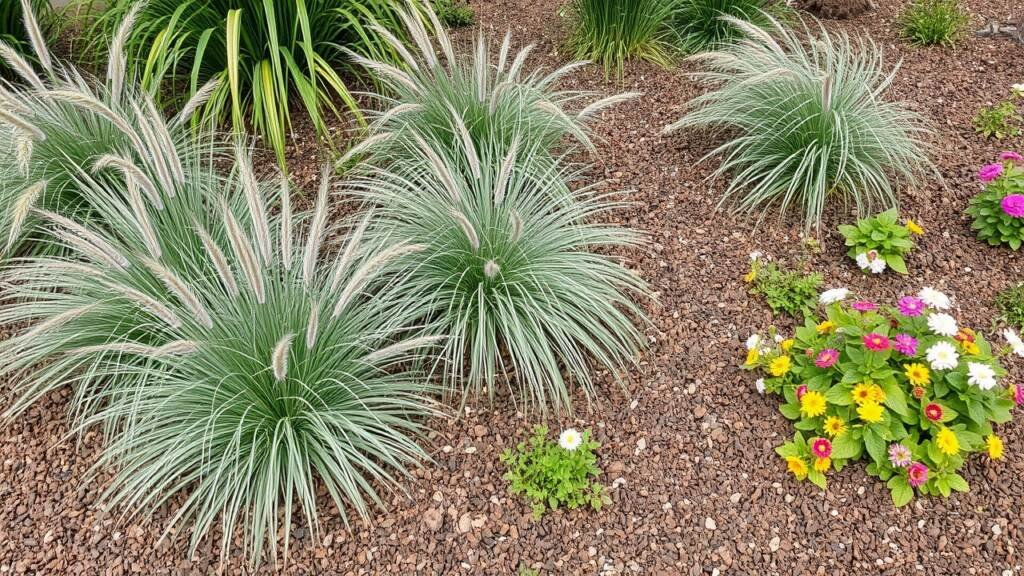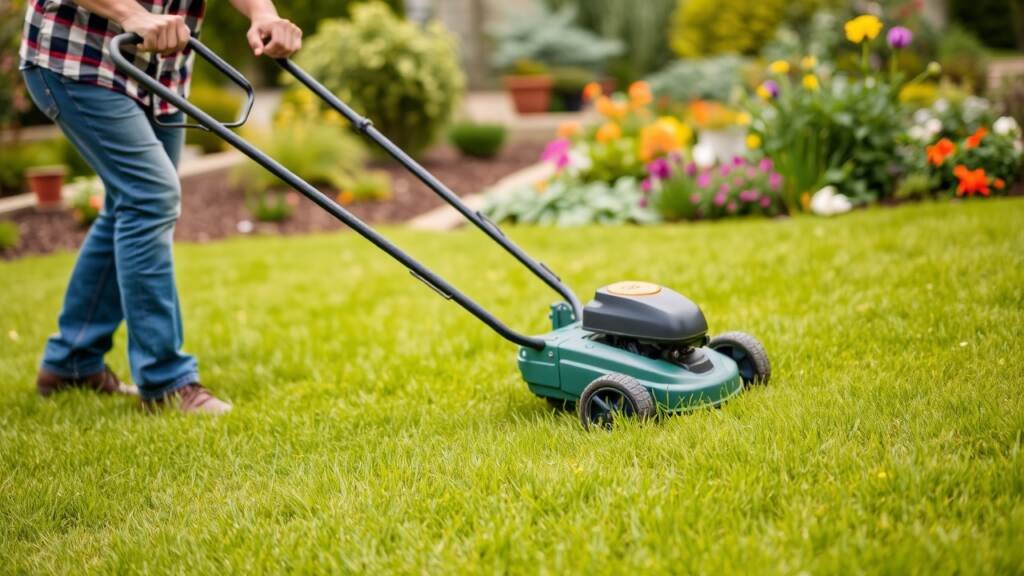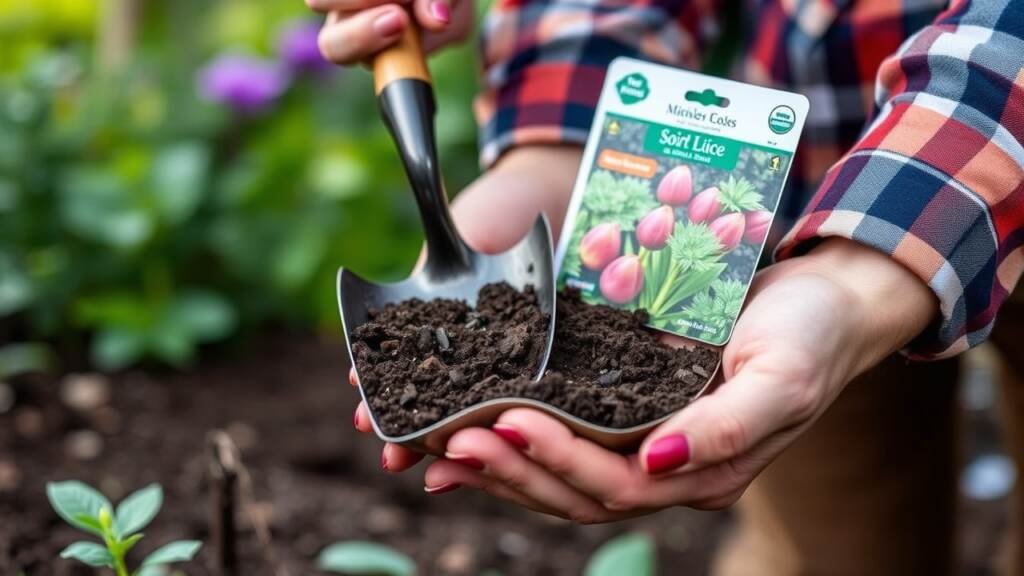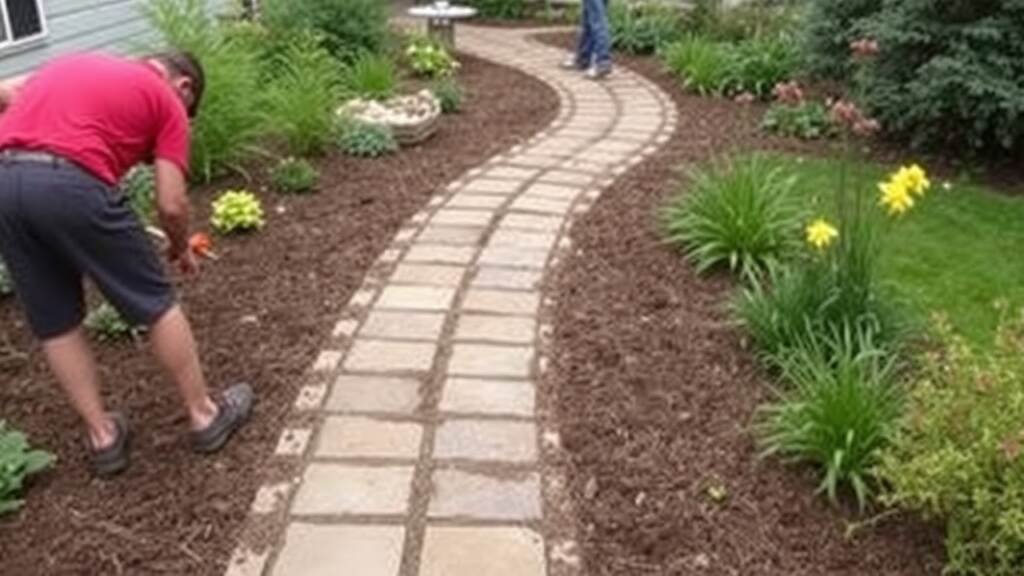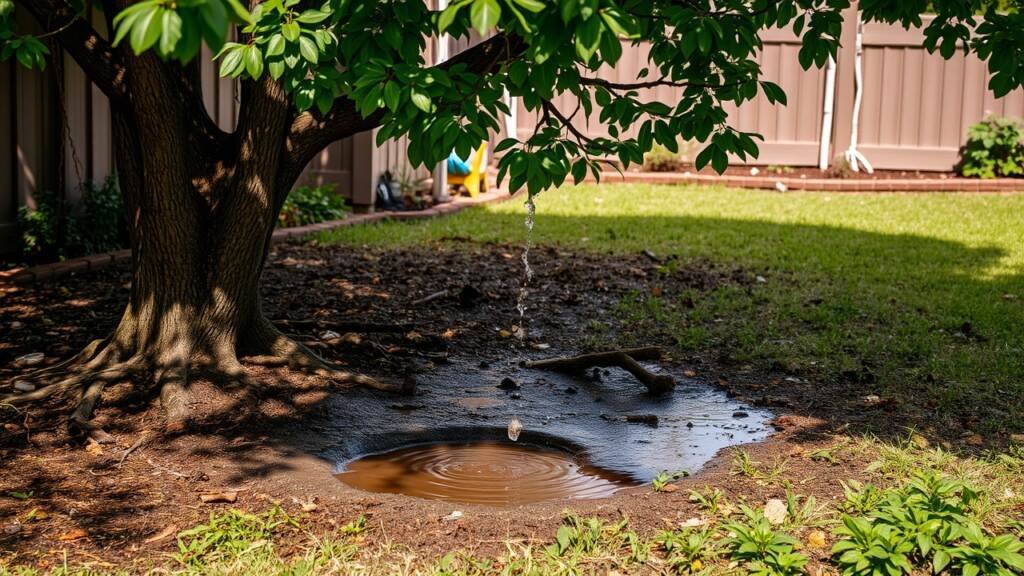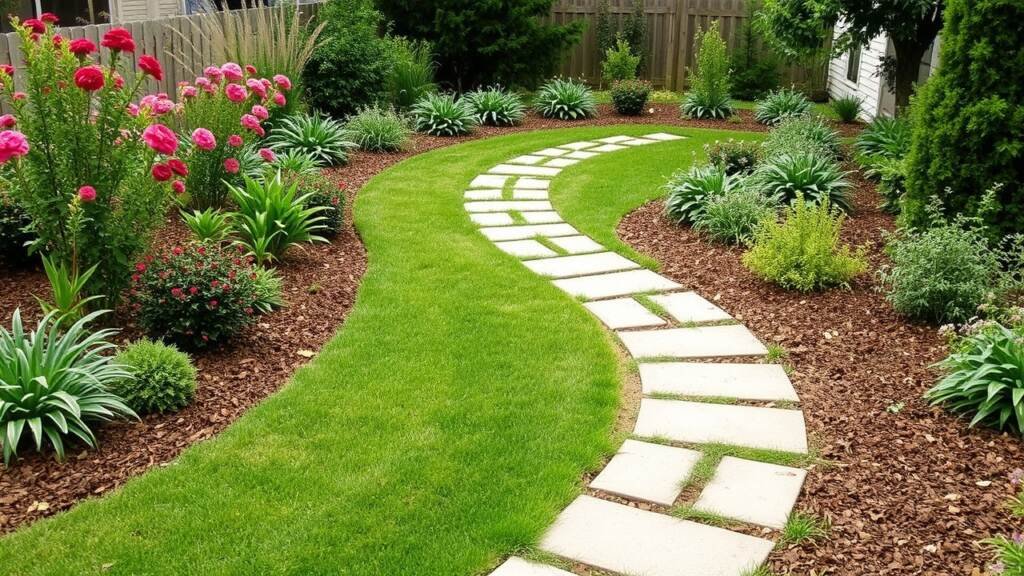

A thriving landscape starts underground. This guide explains soil regeneration techniques for a healthier landscape so U.S. homeowners can build better soil, reduce maintenance, and encourage resilient plant growth. By focusing on soil health and the soil food web, you can transform compacted, tired garden beds into living ecosystems that retain water, cycle nutrient naturally, and resist pests and weed pressure—all while aligning with eco-friendly landscaping solutions practiced across regenerative landscaping USA.
What Is Soil Regeneration?
Soil regeneration rebuilds soil health by increasing organic matter, improving structure, and restoring the soil ecosystem so plants thrive with minimal inputs. Unlike conventional farming practices heavy on tillage, fertilizer, and pesticide, regenerative gardening and regenerative agriculture techniques prioritize compost, mulch, reduced till, diverse planting, and living roots to build soil fertility. In residential landscapes, soil regeneration means using healthy soil practices that enhance water infiltration, reduce runoff and erosion, and support soil microbes and soil organisms that power a balanced soil food web.
Understanding Soil Health
Healthy soil functions as a living ecosystem that supports plants, animals, and people. Healthy soil contains abundant organic matter, active soil microbes, stable soil structure, and balanced soil pH to optimize nutrient cycling. When organic matter in the soil increases through compost, green manure, and mulch, microorganisms feed plant roots, release nitrogen, and improve water-holding capacity. A living soil ecosystem resists fungus outbreaks and pest surges, buffers pH swings, and reduces the need for synthetic fertilizer. The result is better soil that supports steady plant growth across the growing season.
The Role of Healthy Soil in Landscaping
In landscaping, the health of the soil dictates how well lawns, perennials, shrubs, and trees perform. Strong soil structure enables deeper roots, improving drought tolerance and reducing irrigation. Regenerative gardening practices—like adding compost, minimizing tillage, and using cover crops or ground covers—stabilize soil fertility and protect against soil erosion. Mulch moderates temperature and moisture, while diverse planting attracts beneficial insects that help manage pest issues. With a thriving soil ecosystem, garden beds require fewer inputs, less fertilizer, and fewer pesticides, creating sustainable soil management that supports long-term landscape beauty and resilience.
Common Soil Issues in U.S. Gardens
Compaction, erosion, low organic matter, and pH imbalance are common constraints. Nutrient depletion and low soil organic matter reduce soil fertility, while imbalanced soil pH limits nutrient uptake. Over-tillage breaks down soil structure, and excessive fertilizer or pesticide use can stress soil microbes. Weeds flourish where bare soil is exposed, and shallow plant roots struggle in depleted soil. By integrating compost, manure that’s well-aged, mulch, reduced till practices, and seasonal cover crop mixes—often including a legume—you can rebuild soil, improve soil health, and strengthen the soil ecosystem.
Why Soil Regeneration Matters for U.S. Landscapes

Healthier soil increases resilience to heat, drought, storms, and heavy use. Across U.S. climate zones, from humid Southeast summers to arid Southwest winters, regenerative gardening and regenerative agriculture techniques rebuild soil structure and soil fertility so plants are resilient. By adding compost and organic matter, minimizing tillage, and protecting the soil ecosystem with mulch and cover crop mixes, homeowners improve water infiltration, reduce runoff and soil erosion, and support soil microbes and soil organisms that feed plant roots. The result is better soil, steadier plant growth, and fewer inputs.
Climate Stress and Its Impact
Climate stress magnifies compaction, erosion, and nutrient loss. Intense rain events drive runoff and soil erosion on bare garden bed surfaces, while heat waves and wind strip moisture from soil. In cold regions, freeze-thaw cycles degrade the structure of the soil, and in the West, drought stresses plant roots and slows microorganism activity. Regenerative practices buffer extremes: mulch insulates, compost adds organic matter, and living roots protect soil year-round. These soil building steps strengthen the soil food web, helping plants resist pest and fungus pressure through a balanced ecosystem.
Enhancing Water Retention
Healthy soil acts like a sponge. When you build soil with compost, green manure, and reduced till practices, soil organic matter increases and pores form, improving water infiltration and storage. That means less irrigation, less runoff, and stronger plant growth during the growing season. Mulch reduces evaporation, while cover crop roots open channels that relieve compaction and support soil microbes. In clay-heavy U.S. soils, improved soil structure curbs puddling; in sandy soils, added organic matter slows drainage so nutrients stay put. These gardening practices are core to sustainable soil management and lead to long-lasting, eco-friendly landscaping solutions.
Reducing Dependency on Chemicals
Regenerated soils naturally cycle nutrients and suppress pests and weeds, lowering the need for fertilizer and pesticide. Compost and manure that’s well-aged provide slow-release nitrogen and micronutrients, while diverse planting and beneficial insects help keep pests in check. Minimizing till and using crop rotation or perennial ground covers protect soil microbes and maintain soil pH balance, supporting steady nutrient availability. By focusing on healthy soil practices rather than quick fixes, homeowners avoid the cycle of over-fertilizing that can burn plant roots or fuel runoff. This regenerative approach protects waterways and creates a safer outdoor space for families.
Key Soil Regeneration Techniques
Combine compost, mulch, cover crops, gentle decompaction, and microbial amendments to boost organic matter, improve structure, and strengthen the soil ecosystem so plants can thrive with fewer inputs. By doing so, homeowners improve water infiltration, reduce soil erosion and runoff, and support soil microbes. The result is better soil that nurtures plant roots, stabilizes nutrient cycles like nitrogen, and powers resilient plant growth through the entire growing season.
Incorporating Compost and Organic Matter
Compost is the cornerstone of regenerative gardening because it feeds the soil food web and increases soil organic matter in the soil. Blend finished compost into the top 2–4 inches of a garden bed or top-dress lawns to build soil fertility without harsh fertilizer. Add green manure, leaf mold, or well-aged manure to diversify nutrient sources and support microorganisms. These gardening practices enhance the structure of the soil, improve water infiltration, and buffer soil pH. For clay, compost opens pores and reduces compaction; for sand, it slows drainage so nutrient stays available. Regular additions transform the health of the soil over seasons.
Benefits of Mulching
A 2–3 inch layer of natural mulch conserves moisture, moderates temperature, and prevents erosion. As mulch breaks down, it adds organic matter and feeds soil organisms, strengthening the soil ecosystem. Mulch also suppresses weed pressure that steals nutrient and moisture from plant roots. Around perennials and shrubs, keep mulch a few inches from stems to prevent fungus issues. Avoid dyed wood mulches; natural materials better support soil microbes in regenerative agriculture techniques and help maintain a steady, low-input, eco-friendly landscape.
Aeration and Soil Decompaction Methods
Relieve compaction without aggressive tillage. Core aeration lifts plugs from lawns to increase water infiltration, while broadforking or spading gently loosens garden beds. Avoid excessive till that collapses soil structure and disrupts the soil food web. After decompaction, top-dress with compost to keep pores open and seed a cover crop where appropriate to maintain living roots. These regenerative steps reduce runoff, help nitrogen cycle naturally, and improve soil fertility. For high-traffic areas, create stepping paths to prevent repeat compaction and protect the long-term health of the soil.
Using Cover Crops and Ground Covers
Cover crops add living roots that build soil between plantings. Legume species like crimson clover or hairy vetch fix nitrogen, while grasses like cereal rye scavenge leftover nutrient and stabilize soil against erosion. In ornamental beds, perennial ground covers knit the surface, reduce weed emergence, and shelter soil microbes. Mow, crimp, or cut cover crops as green manure, then mulch over the residue to integrate organic matter without aggressive tillage. Crop rotation and diverse planting mirror regenerative agriculture, protecting the soil ecosystem from pest and fungus cycles while steadily increasing soil organic matter and structure.
Microbial Amendments for Soil Health
Beneficial microbes accelerate nutrient cycling and disease suppression. Consider high-quality compost tea, mycorrhizal inoculants for new plantings, or biochar charged with compost to provide habitat for soil microbes. These inputs support nutrient cycling, stabilize soil pH, and bolster disease suppression in a regenerative system. Apply after aeration or compost top-dressing so microbes reach active zones. Pair with reduced pesticide use, because broad-spectrum products can harm soil organisms. With consistent soil building, microbial communities flourish, leading to improved soil structure, steady plant growth, and durable resilience across the growing season.
Environmental and Financial Benefits for Homeowners
Healthier soil cuts water use, inputs, and maintenance. When the health of the soil improves through compost, mulch, green manure, and reduced till, the soil structure holds more water, curbs runoff, and resists soil erosion. That translates into fewer irrigation cycles, steadier plant growth, and less fertilizer or pesticide use. As soil organic matter rises, nutrient availability and soil fertility stabilize, limiting weed and fungus issues. These regenerative gardening practices build better soil that supports a resilient soil ecosystem, protecting your investment in lawns, garden beds, and perennial plantings.
Lowering Water Usage
Building organic matter increases water storage and reduces irrigation needs. Mulch cuts evaporation and buffers heat, while a cover crop or low-growing ground cover shades the surface and limits runoff. In clay, improved structure of the soil reduces puddling; in sand, added organic matter slows drainage so nutrient and moisture stay near plant roots. These soil building steps are practical, eco-friendly landscaping solutions that save water bills and support sustainable soil management without sacrificing plant growth or color.
Promoting Healthier Plants and Lawns
Soil microbes, mycorrhizae, and balanced pH drive efficient nutrient uptake. Compost and green manure boost nitrogen cycling, while mycorrhizal relationships improve access to moisture and micronutrients, strengthening turf and perennials. With improved soil fertility and soil structure, lawns recover faster from compaction, and ornamentals resist pest and fungus pressure. Reduced till and crop rotation with legume-based mixes break disease cycles that often plague a garden bed. The result is dense, durable plant growth that looks better with fewer inputs and less stress during climate extremes.
Reducing Maintenance Costs
Regenerative practices lower spending on fertilizer, pesticides, watering, and replacements. Compost top-dressing and mulch steadily add organic matter, lowering the need for synthetic inputs and frequent watering. A thriving soil food web keeps weed pressure down, so you spend fewer weekends pulling invaders or spot-spraying. Aeration paired with organic amendments minimizes compaction, reducing the frequency of corrective services. Over time, sustainable gardening practices like cover crop use and minimal tillage create a self-sustaining ecosystem that limits erosion and runoff. These regenerative agriculture techniques streamline care and help homeowners allocate budgets toward long-term improvements, not stopgaps.
Increasing Property Value
Healthy soils boost curb appeal and signal lower upkeep. Buyers recognize the value of a property where the health of the soil supports consistent plant growth without heavy fertilizer or high water use. By preventing soil erosion, improving water infiltration, and stabilizing nutrient cycles, regenerative gardening enhances longevity of plantings and hardscapes. An established soil ecosystem with balanced soil pH and high soil organic matter showcases responsible stewardship, appealing to eco-conscious families. Investing in regenerative agriculture at home builds equity through beauty, resilience, and measurable operating savings.
How Destiny Landscape Applies Soil Regeneration in Landscape Design
Testing, tailored amendments, and ongoing monitoring drive results. Destiny Landscape integrates regenerative agriculture techniques into every phase of design, installation, and maintenance to improve soil health across U.S. yards. We begin with rigorous soil testing, then craft plans that blend compost, mulch, and tailored microbial strategies to rebuild soil structure and soil fertility. Our team selects sustainable materials and incorporates drought-smart planting with cover crop or ground cover options to limit erosion and runoff. With ongoing monitoring, we refine soil pH, address compaction, and support the soil food web, delivering regenerative, eco-friendly landscaping solutions that create better soil and long-lasting plant performance.
Conducting Soil Testing and Analysis
Accurate data guides precise, low-waste interventions. Destiny Landscape evaluates soil texture, organic matter, nutrient balance, soil pH, and compaction to diagnose constraints on plant growth. We assess water infiltration and observe erosion patterns across garden beds and lawns. Using U.S. regional context and USDA soil health principles, we interpret results to specify compost rates, green manure timing, and whether a legume-based cover crop or microbial amendment is warranted. This science-backed approach ensures fertilizer use is precise, runoff is minimized, and the structure of the soil improves steadily, setting a strong foundation for a resilient soil ecosystem.
Creating Customized Soil Improvement Plans
Site-specific plans layer compost, mulch, decompaction, and living roots to build soil organic matter and encourage soil microbes. For compacted zones, we schedule aeration and reduced till strategies, followed by organic matter incorporation to keep pores open. Where nutrient deficiencies exist, we time manure that’s well-aged and add legume cover crops to boost nitrogen without over-fertilizing. Crop rotation concepts guide seasonal planting to disrupt pest and fungus cycles. Our plans align with healthy soil practices that improve soil steadily, balancing cost, labor, and results for a healthier landscape through the growing season.
Selecting Sustainable Materials
Clean compost, natural mulches, biochar, and native plantings support the soil food web. We source clean, tested compost and natural mulch to feed microorganisms and protect against soil erosion. Where appropriate, we include biochar charged with compost to enhance habitat for soil organisms and stabilize nutrients. Living ground covers and native perennials reduce weed pressure, support beneficial insects, and protect the soil surface year-round. Fertilizer choices are calibrated to soil tests to avoid excess nutrient and runoff. These regenerative selections harmonize with American climate conditions, helping homeowners build soil while achieving durable, low-maintenance aesthetics that reflect eco-friendly landscaping solutions.
Maintaining Soil Health Over Time
Soil regeneration is ongoing—monitor, adjust, and minimize disturbance. Our maintenance programs monitor soil health indicators and adjust inputs as the soil food web matures. We refresh mulch annually, top-dress compost seasonally, and time aeration to relieve compaction before peak stress. Strategic irrigation complements improved water infiltration, preventing leaching of nutrient. When needed, we reintroduce cover crop blends to add organic matter in the soil and maintain living roots. By minimizing tillage and pesticide use, and promoting crop rotation concepts in edible or pollinator zones, Destiny Landscape sustains better soil that supports resilient plant roots and dependable plant growth year after year.
- Fall & Winter Landscaping – Prep Your Yard for Success
- How to Combine Plant Colors and Materials for a Harmonious Garden Design
- Why paver installation is a smart investment for las vegas driveways
- Top winter gardening tasks preparing your seeds soil and tools for spring
- What to expect during your free hardscaping consultation in las vegas