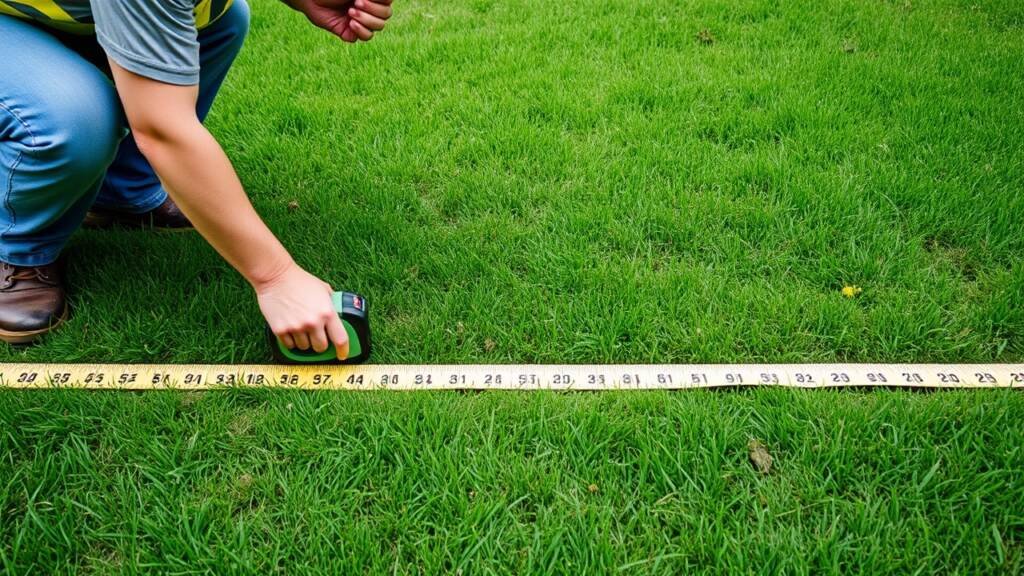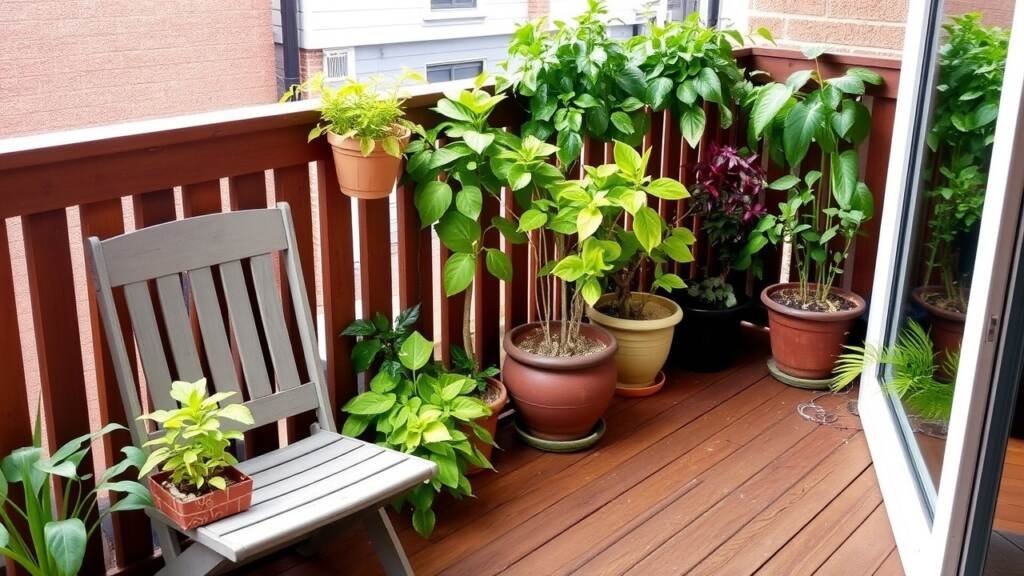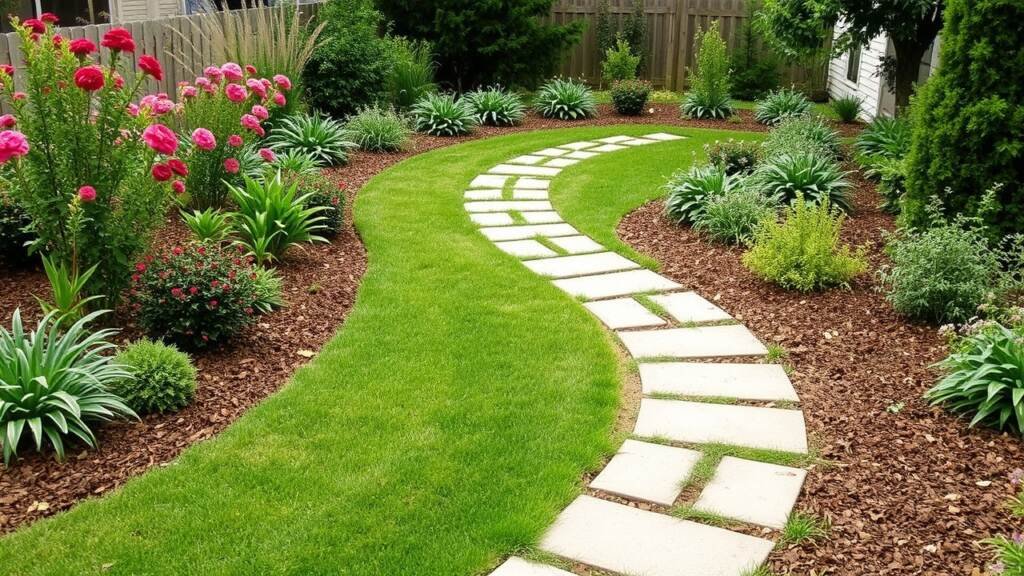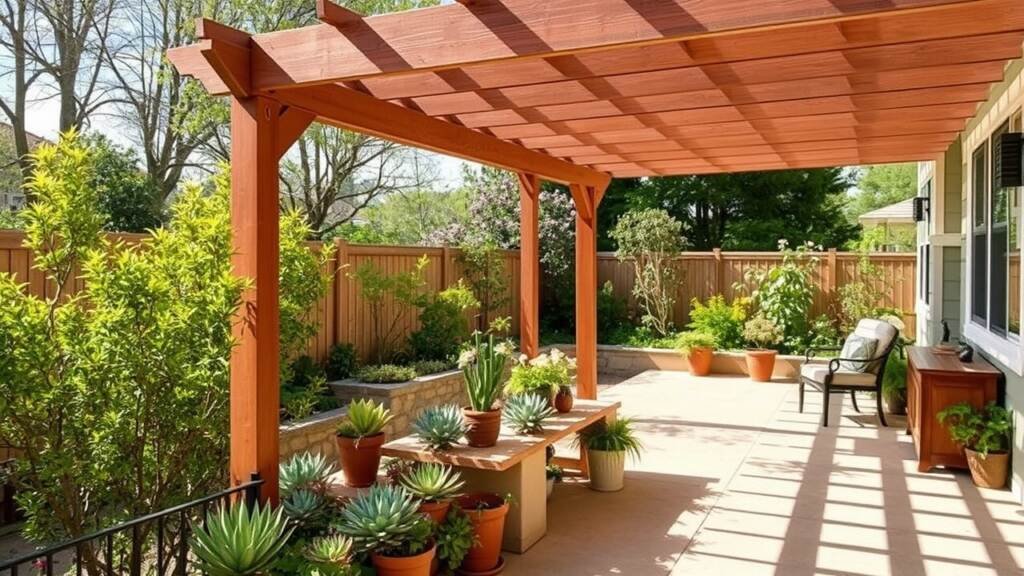

Eco-intelligent yards in the U.S. are redefining modern lawn and landscape design for the eco-conscious homeowner. Driven by climate change, rising water costs, and smart home adoption, sustainable landscaping blends technology with eco-friendly practices. From smart irrigation systems that prevent overwatering to native plant choices and greener lawn care, intelligent outdoor spaces optimize water usage, reduce emissions, and elevate everyday outdoor living.
What Are Eco-Intelligent Yards?
Eco-intelligent yards combine sustainable landscaping with smart lawn technology to improve lawn health while reducing environmental impact. Smart irrigation uses sensors and weather data to optimize water, while soil moisture sensors guide lawn maintenance and fertilizer timing. Native plant palettes reduce the need for pesticide and chemical fertilizers. The result is a healthy lawn and outdoor space that saves water, lowers runoff, and fits U.S. climate zones.
Defining Eco-Intelligent Yards
An eco-intelligent yard integrates eco-friendly landscaping ideas with automation to help homeowners manage water usage and lawn care more efficiently. Smart lawn systems include a smart irrigation system, soil moisture sensors, and robotic mowers that reduce emission and noise. Thoughtful landscape design with mulch, drought-tolerant grass, and native plant choices supports soil health, reduces runoff, and makes lawn maintenance simpler and more sustainable.
Key Components of Eco-Friendly Landscaping
Modern sustainable lawn care emphasizes efficient water use, soil health, and low-emission maintenance. Key practices include the following:
- Smart irrigation systems, moisture sensors, and weather-informed automation to prevent overwatering.
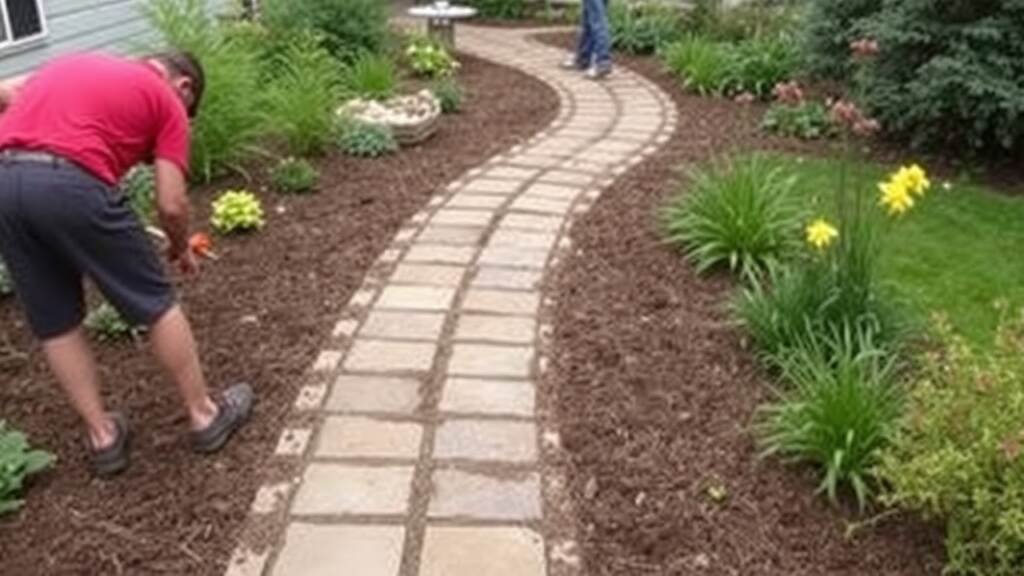
- Native plant groupings and mulch to conserve water and reduce the need for fertilizer.
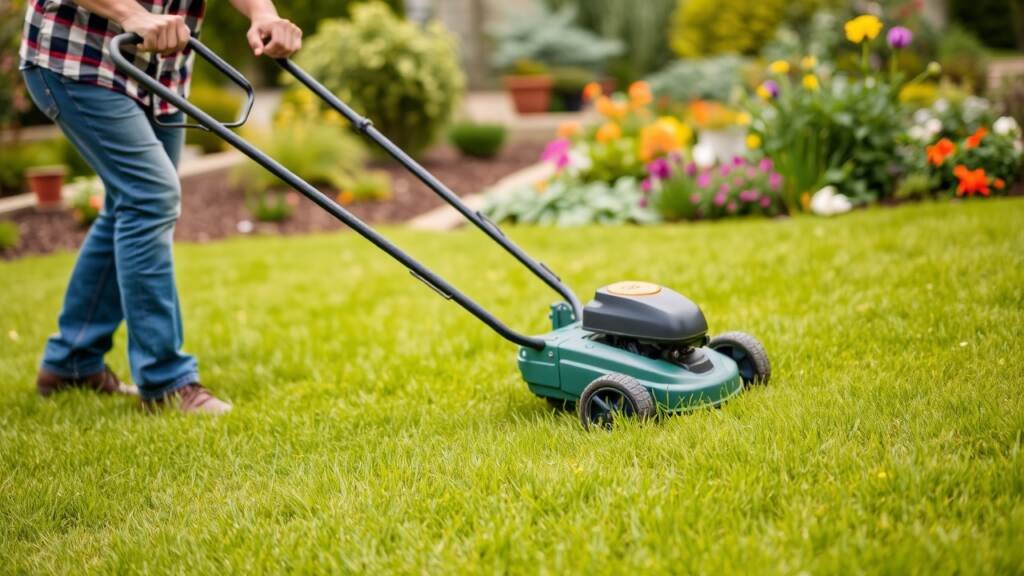
- Eco-friendly lawn mower options, including robotic mowers, to support a modern lawn with lower emissions.
- Organic inputs, targeted irrigation, and eco-friendly practices that protect soil health and cut water usage across the landscape.
Understanding Sustainable Lawn Care
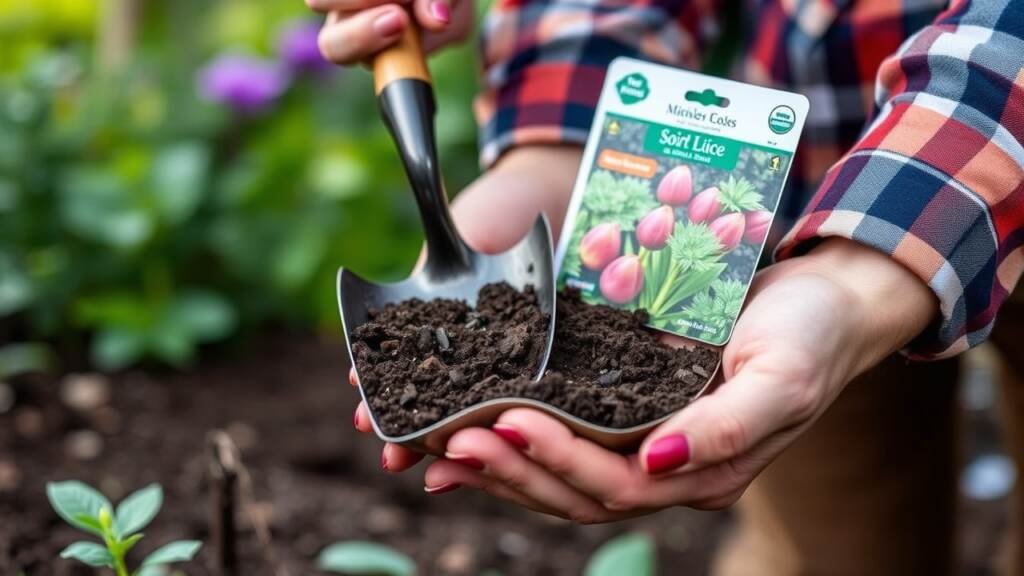
Sustainable lawn care focuses on the right grass for your U.S. zone, precision irrigation, and reduced pesticide dependence. Calibrated irrigation systems and soil moisture sensors guide when to water, mow, and feed for a healthy lawn. Using compost over chemical fertilizers builds soil health, while mulch controls weeds and runoff. Smart lawn care reduces water usage, protects pollinators, and keeps an outdoor space resilient year-round.
Why Eco-Intelligent Yards Are Growing in the U.S.
Across the U.S., sustainable landscaping is rising as homeowners respond to water conservation needs, environmental regulations, and smart yard technology. Climate stress on grass, higher water bills, and smarter automation tools make eco-friendly landscaping practical. Intelligent outdoor living solutions reduce water, improve lawn health, and streamline lawn maintenance—aligning sustainability with convenience for today’s homeowner seeking greener, cost-effective landscaping solutions.
Impact of Climate Change on Lawn Health
Hotter summers, erratic rain, and longer droughts strain traditional lawn expectations. Eco-intelligent yards counter these shifts with native plant mixes, drought-tolerant grass, and smart irrigation that adapts to sensors and weather data. By reducing overwatering and pesticide use, they stabilize soil health, limit runoff, and maintain a healthy lawn under extreme conditions common across varied U.S. climate zones and urban heat islands.
Rising Water Costs and Regulations
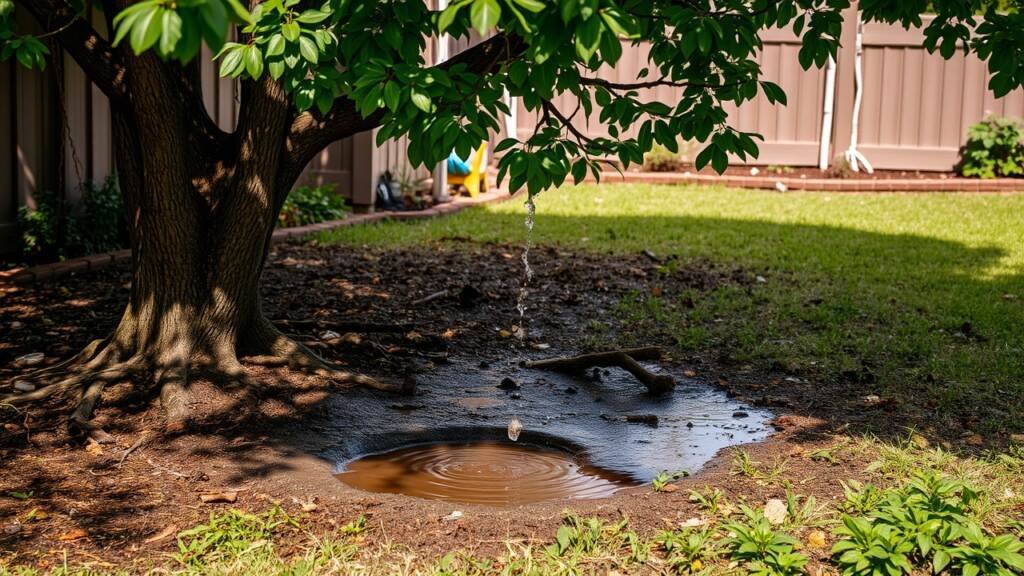
Water rates are climbing, and many U.S. communities enforce watering schedules or limit irrigation. Smart lawn solutions respond with automation that fine-tunes irrigation to reduce water usage without sacrificing lawn health. Soil moisture sensors and zone-based irrigation systems cut waste, while mulch and eco-friendly landscaping reduce the need for frequent watering. These strategies deliver measurable savings and keep landscapes compliant and resilient.
Adoption of Smart Lawn Technology
Smart yard technology has become mainstream, integrating with Wi‑Fi controllers and weather services to optimize irrigation. Smart irrigation, robotic mowers, and lawn sensors simplify lawn maintenance and improve sustainability. Smart lawn care leverages automation to prevent overwatering, time mow cycles, and manage fertilizer more precisely. For the U.S. homeowner, intelligent outdoor living means efficient water conservation, a greener lawn, and a future of lawn care that’s easier and cleaner.
Key Features of Eco-Intelligent Yard Design

Eco-intelligent yards in the U.S. bring together smart irrigation, native plant design, moisture sensors, and energy-smart features to help homeowners manage water usage and lawn maintenance with ease. By pairing eco-friendly landscaping ideas with automation, the landscape becomes a modern lawn system that reduces runoff, lowers emission, and supports long-term sustainability.
Smart Irrigation Systems for Water Efficiency
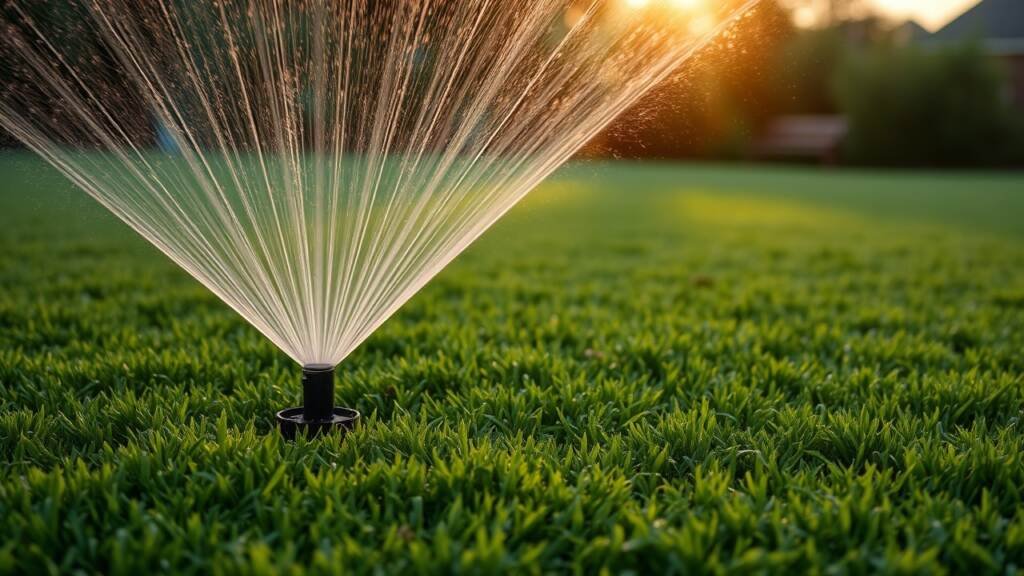
Smart irrigation systems use sensors and weather data to prevent overwatering and reduce water usage across your outdoor space. A smart irrigation system adjusts run times based on rainfall, evapotranspiration, and soil conditions, helping water conservation without sacrificing a healthy lawn. Zoned irrigation, drip lines for beds, and automated flow monitoring deliver sustainable landscaping performance in U.S. climates.
Choosing Native and Drought-Tolerant Plants
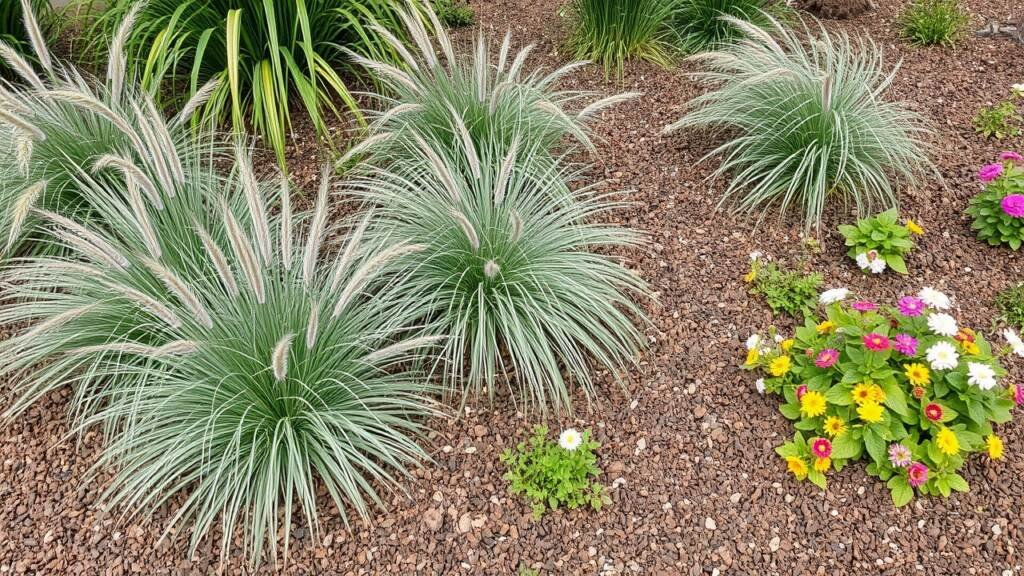
Selecting a native plant palette and drought-tolerant grass species reduces the need for irrigation, chemical fertilizers, and pesticide. These choices build soil health, improve resilience to pest pressure, and cut lawn care time. Mulch around perennials and shrubs retains water, limits weeds, and moderates soil temperatures, creating an eco-friendly landscape design that thrives through U.S. seasonal extremes.
Integrating Soil and Moisture Sensors
Soil moisture sensors and in-ground sensor networks guide smart lawn care by signaling when to water or pause irrigation. Data-driven alerts help homeowners avoid overwatering, schedule mow cycles, and time fertilizer inputs for maximum efficiency. Coupled with smart lawn systems, these tools turn a traditional lawn into an intelligent outdoor space that balances water, lawn health, and sustainability.
Environmental and Financial Benefits for U.S. Homeowners
Sustainable landscaping USA strategies offer clear environmental and budget gains. Smart irrigation and moisture sensors reduce water, while native plants and mulch lower maintenance. Eco-friendly practices cut fertilizer and pesticide use, which minimizes runoff and environmental impact. The result is a greener landscape that supports water conservation goals and strengthens property value for American homeowners.
Lowering Water Bills with Sustainable Practices
Smart lawn solutions that fine-tune irrigation can reduce water usage by aligning schedules with real-time conditions. Drip systems, weather-based controllers, and soil moisture sensors deliver water only when needed. Mulch and native plant groupings reduce the need for frequent watering. Together, these sustainable practices lower monthly bills and support EPA-aligned water conservation targets nationwide.
Reducing Maintenance Efforts
Eco-friendly landscaping reduces weekly chores and inputs. By choosing native plant beds, drought-tolerant grass, and sustainable lawn care routines, you can simplify upkeep and lighten your environmental impact. Here are key practices that make maintenance easier and more efficient:
- Reduce mowing needs with native plant beds and drought-tolerant grass, leading to fewer mower passes and less trimming.
- Automate mowing schedules with low-emission robotic mowers.
- Use smart irrigation and sensors to cut guesswork and water only when needed.
- Replace chemical fertilizers with compost and limit pesticide applications to streamline care and improve soil health.
Enhancing Property Value through Intelligent Design
Intelligent outdoor living features signal a modern, efficient home to U.S. buyers. Eco-friendly yard design with smart irrigation, attractive native plant layers, and efficient lighting elevates curb appeal and reduces long-term costs. By proving lower water usage, reduced runoff, and resilient lawn health, eco-intelligent yards position the property as future-ready, increasing perceived value in competitive suburban and urban markets.
How Destiny Landscape Helps Build Eco-Intelligent Yards
Destiny Landscape brings sustainable landscaping to U.S. homes by blending smart lawn technology with eco-friendly landscaping ideas. Our team uses sensors and weather data, native plant palettes, and smart irrigation systems to reduce water usage and improve soil health. We design every outdoor space to limit runoff, prevent overwatering, and deliver a healthier, greener modern lawn.
Consultation Services for Homeowners
Our consultation helps homeowners evaluate lawn health, water use, and site conditions by U.S. climate zone. We review irrigation systems, soil moisture sensors, and lawn mower routines to cut emission and reduce the need for chemical fertilizers or pesticide. Destiny Landscape aligns recommendations with EPA water conservation guidance to help homeowners reduce water and improve sustainable lawn care.
Custom Landscape Design Solutions
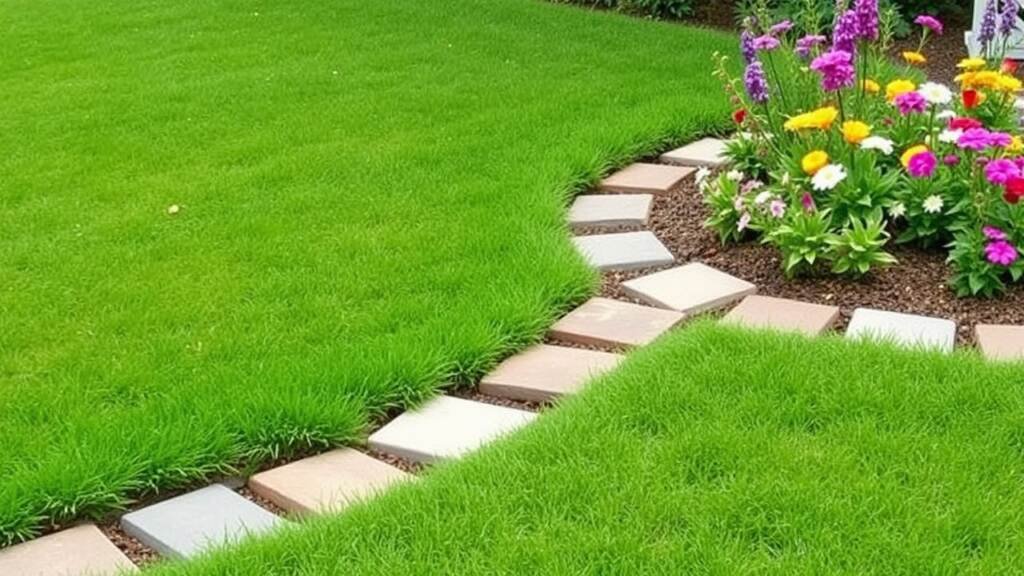
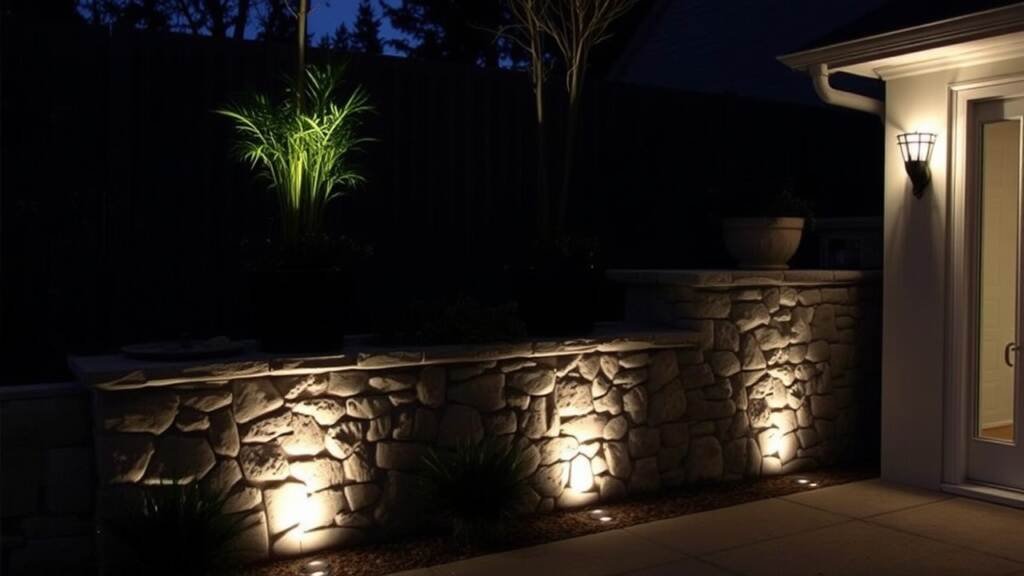
We create landscape design plans that pair native plant selections, mulch, and drought-tolerant grass with smart irrigation. Designs incorporate drip lines, moisture sensors, and zone-based automation to manage water usage across the landscape. Each plan improves soil health, minimizes environmental impact, and supports a healthy lawn with fewer inputs, while integrating lighting and pathways for intelligent outdoor living.
Installation and Ongoing Maintenance Support
Destiny Landscape installs smart irrigation system controllers, soil moisture sensors, and efficient irrigation lines for beds and turf. Our team sets robotic mowers, calibrates spray heads, and programs automation to prevent overwatering.
| Service Area | Key Tasks |
|---|---|
| Irrigation & Automation | Install smart controllers, soil moisture sensors, and efficient lines; calibrate spray heads; program automation to prevent overwatering |
| Ongoing Lawn Maintenance | Seasonal audits, mower height adjustments, compost topdressing, and targeted fertilizer plans to reduce runoff and keep lawns greener with less water |
The Future of Lawn Care in the U.S.
The future of lawn care blends sustainability and technology to help homeowners manage water and emissions responsibly. Across U.S. regions, eco-friendly landscaping and smart lawn systems will dominate, replacing guesswork with data-driven irrigation and sensor insights. Expect sustainable landscaping to prioritize native plant diversity, soil-first strategies, and automated tools that simplify lawn maintenance while cutting costs.
Trends in Eco-Friendly Lawn Innovations
Key trends include smart irrigation systems use, battery-powered lawn mower options, and robotic mowers that reduce noise and emission. Native plant meadows and clover lawns are replacing thirsty grass to reduce water usage and fertilizer needs. Mulch, compost teas, and biological pest controls lower environmental impact, while modular landscape designs create adaptable, eco-friendly outdoor space for changing U.S. climates.
The Role of Technology in Sustainable Landscaping
Smart lawn solutions combine sensors and weather data with automation to fine-tune irrigation and feeding. Soil moisture sensors trigger precise watering, while controllers integrate evapotranspiration rates to reduce water. App-connected scheduling coordinates mow cycles and fertilizer timing, improving lawn health and water conservation. Technology transforms a traditional lawn into an intelligent outdoor system that delivers sustainable results.
Creating a Greener Lawn for Future Generations
Building a greener lawn means choosing native plant communities, right-size grass areas, and smart irrigation that prevents overwatering. By embracing eco-friendly practices, reducing chemical fertilizers and pesticide, and prioritizing soil health, U.S. families lower runoff and protect local waterways. With Destiny Landscape’s landscaping solutions, sustainable lawn care becomes easier, cost-effective, and resilient—preserving outdoor spaces for the future of lawn care in America.