Smart, eco-friendly landscapes begin with drought-resistant plant lists for eco landscaping tailored to your climate and goals. Destiny Landscape helps homeowners and property managers conserve water, reduce maintenance, and create beautiful spaces that thrive in dry conditions, water restrictions, and full sun with low-water strategies.
What Are Drought-Resistant Plants?
Drought-resistant plants are landscape plants that maintain healthy foliage and bloom with minimal water once established. These drought-tolerant plants feature adaptations that minimize water loss, allowing them to thrive in dry sites and poor soil. Used thoughtfully, they conserve water, stabilize soil, and deliver ornamental impact all season.
Definition and Characteristics
Drought-resistant plants are a group of plants that tolerate heat, dry spells, and low-water conditions after rooting in. Typical characteristics include fleshy succulent leaves, deep roots, evergreen structure, reflective or silvery foliage, and well-drained soil preferences. Many are native, deer-resistant, and low-maintenance landscape plants.
How They Survive with Minimal Water
These plants minimize water use through waxy cuticles, hairy leaves, and tight stomata that reduce transpiration. Deep or fibrous roots capture supplemental water efficiently, while mulch and good drainage prevent stress. Many drought-tolerant plants like sedum and yarrow store moisture, then bloom reliably in late spring to early summer.
Drought-Tolerant vs. Drought-Resistant Plants
Drought-tolerant plants endure periodic dry conditions with occasional supplemental irrigation, whereas drought-resistant plants sustain performance through longer drought without supplemental summer water. Both plant selections suit xeriscaping, but tolerant choices may need support in extreme heat. Choose plants for full sun and well-draining soil to ensure they thrive. Consider the following key distinctions and tips:
- Drought-tolerant plants may require occasional supplemental irrigation and support during extreme heat.
- Drought-resistant plants maintain performance through longer drought without supplemental summer water.
- Both types are suitable for xeriscaping when planted in full sun and well-draining soil.
Benefits of Using Drought-Tolerant Plants in Eco Landscaping

Using drought-tolerant plants in eco landscaping helps conserve water, cut your water bill, and support resilient design. With waterwise plant lists and ornamental grasses, shrubs, and perennials, you reduce irrigation needs, improve soil with mulch, and create mixed borders and groundcovers that look lush under water restrictions.
Reduced Water Usage
Water-wise landscaping plants use plants that thrive on minimal irrigation, enabling significant ways to conserve. By selecting drought tolerant plants, installing well-drained soils, and grouping groundcovers and herbaceous perennials by water needs, you minimize water loss and conserve water throughout dry spells, lowering overall water use and maintenance.
Lower Maintenance Costs
Low-maintenance, drought-tolerant perennial choices reduce pruning, fertilizing, and supplemental water. Evergreen shrub forms and ornamental selections like lavender, sage, yarrow, sedum, and catmint handle poor soil and full sun, decreasing plant replacements and irrigation repairs while sustaining long-blooming displays that simplify seasonal care.
Improved Sustainability
Sustainable landscaping plants support biodiversity and soil health while conserving resources. Native plants and deer and rabbit resistant options reduce chemical inputs, and rock garden or groundcover designs limit erosion. With thoughtful plant lists and drainage planning, landscapes remain resilient, ornamental, and waterwise across a range of colors and textures.
Drought-Resistant Plant Lists for Eco Landscaping
Use plants that thrive in dry conditions with curated drought-resistant plant lists for eco landscaping. Group plant selections by trees, shrub choices, groundcovers, and herbaceous perennials to conserve water and minimize water loss. Prioritize native plants, well-drained soil, mulch, and waterwise design to reduce irrigation and maintenance.
Drought-Resistant Trees
Olive and desert-adapted palo verde are tolerant of heat, low-water, and poor soil, delivering ornamental foliage and spring bloom. Crepe myrtle offers clusters of white or pink flowers in full sun and well-draining soil. These landscape plants thrive on minimal supplemental water and anchor mixed borders gracefully.
Drought-Resistant Shrubs
Lavender, rosemary, and sage are evergreen shrub standouts for waterwise designs. These drought-tolerant plants handle dry sites, require little irrigation, and perfume the landscape with long-blooming flowers that attract pollinators. Catmint and yarrow complement with silvery foliage and a range of colors, staying low-maintenance in full sun and well-drained beds.
Drought-Resistant Ground Covers
Sedum and ice plant are succulent groundcovers with fleshy leaves that conserve water and flourish in rock garden settings. Creeping thyme knits soil, reduces water use, and releases fragrance underfoot. These groundcovers are deer-resistant, tolerant of heat, and stabilize slopes while adding ornamental texture and bloom through late spring and early summer.
Drought-Resistant Grasses & Perennials
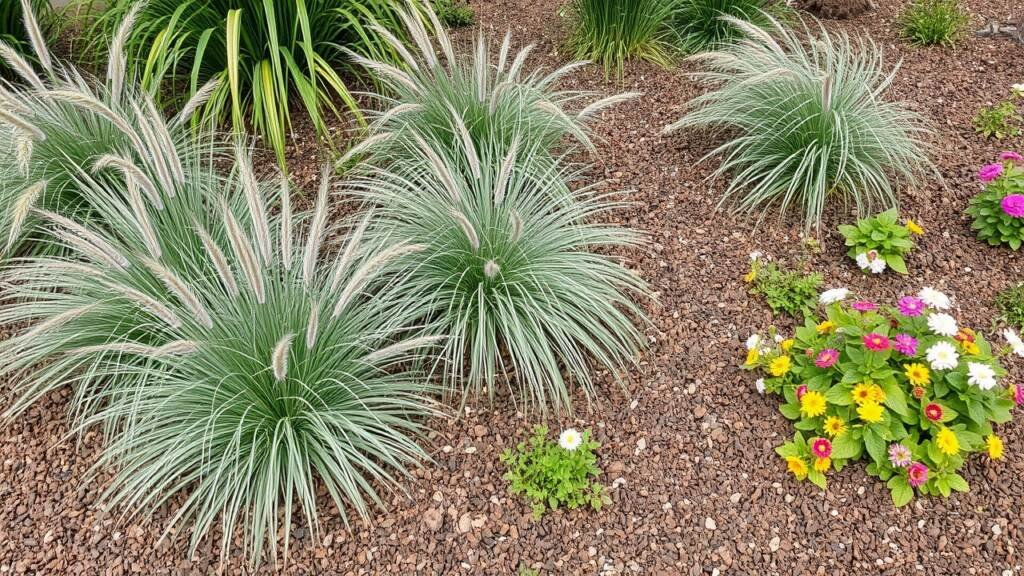
Ornamental grasses like fountain grass pair with drought-tolerant perennial options such as coneflower, echinacea, yarrow, and drought-tolerant plants like agave. In full sun, these plants require minimal supplemental summer water, thrive in poor soil, and deliver a range of colors and texture. They suit mixed borders and low-maintenance, waterwise landscapes.
How Destiny Landscape Designs Water-Wise Eco Landscapes
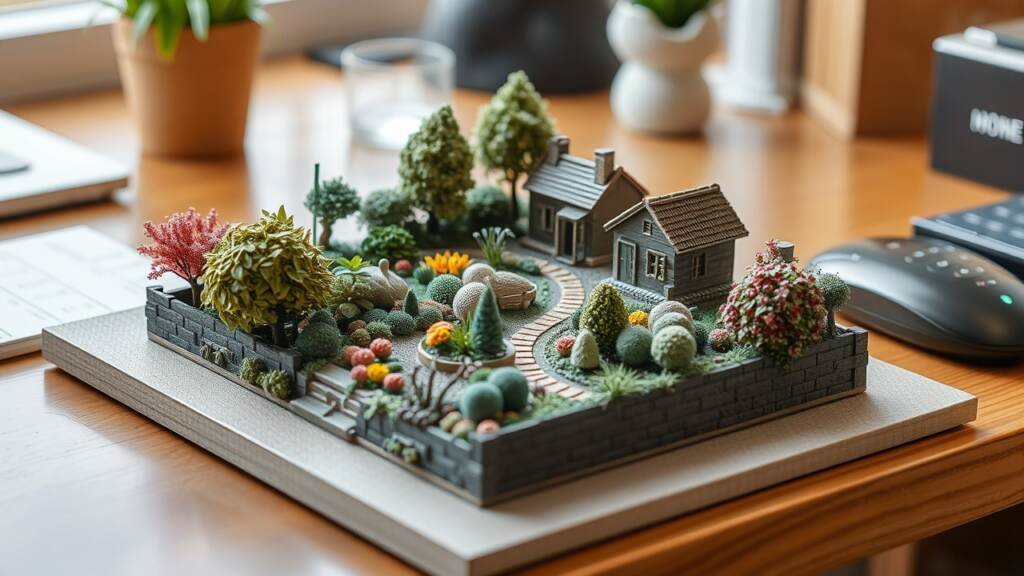
Destiny Landscape crafts xeriscaping plant lists and sustainable landscaping plants tailored to climate and soil. We conserve water with smart irrigation, mulch, and drainage strategies, ensuring plants that thrive in full sun are grouped by water needs. Our approach reduces your water bill, supports biodiversity, and boosts long-term resilience.
Plant Selection Based on Climate
We choose plants by matching drought tolerance, heat exposure, and soil texture to regional patterns of drought and dry spells. Plant lists prioritize native plants and landscape plants tolerant of heat, using well-drained soils to minimize water loss. Supplemental irrigation is calibrated so plants require only establishment water, then thrive independently.
Sustainable Design Principles
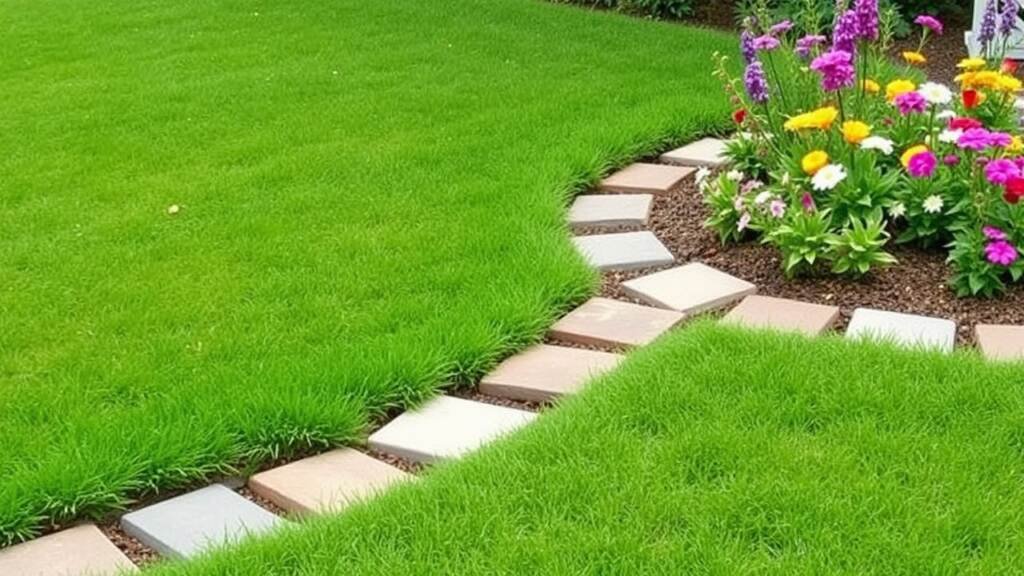
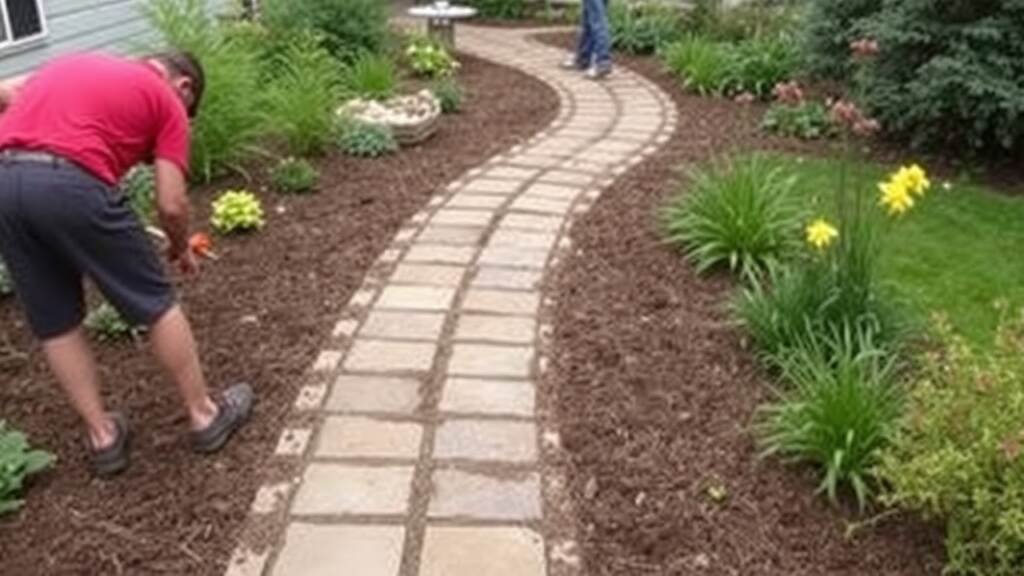
Our sustainable design blends groundcovers, herbaceous perennials, ornamental grasses, and evergreen shrub structure to conserve resources. We create mixed borders that fit water restrictions, use mulch to protect roots, and implement drainage that channels supplemental water efficiently. Deer and rabbit resistant selections ensure enduring, low-maintenance beauty.
Irrigation Efficiency and Long-Term Planning
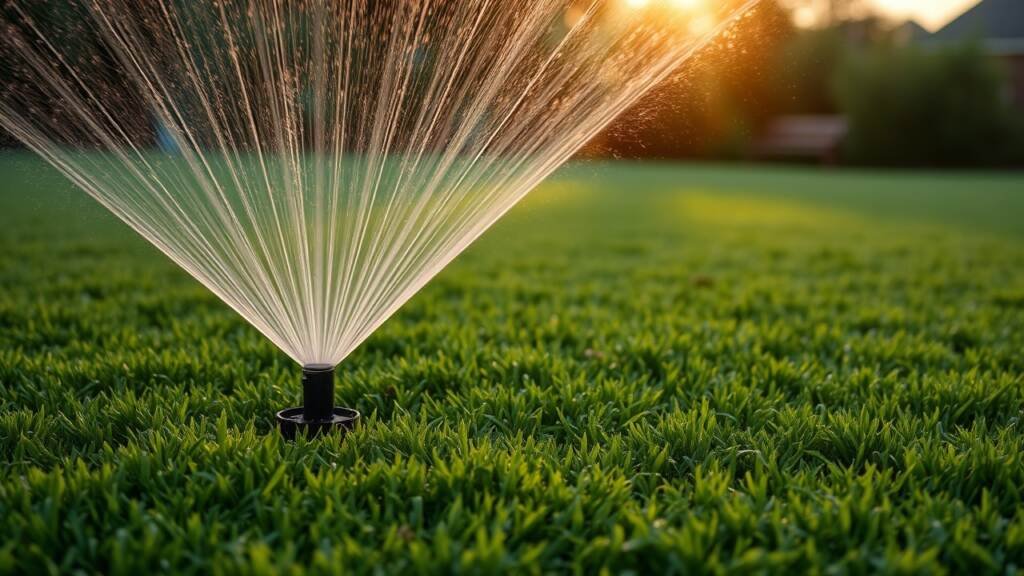
We design drip irrigation zones by hydrozoning plant groups, reducing water use and preventing runoff. Controllers adjust to weather, delivering only needed supplemental water. Long-term plans include seasonal checks, soil improvement, and plant replacements with drought tolerant plants to keep the landscape resilient, ornamental, and cost-effective for years.
Conclusion & Call to Action
Thoughtfully curated drought-resistant plant lists for eco landscaping help conserve water, reduce your water bill, and build landscapes that thrive through drought and dry spells. By choosing drought-tolerant plants, evergreen shrub structure, ornamental grasses, and groundcovers for full sun and well-drained soils, you minimize water loss and maintenance while enhancing ornamental impact.
Recap of Drought-Resistant Plant Importance
Drought tolerant plants and native plants deliver resilient foliage, long-blooming color, and structure with minimal supplemental water. From lavender, sage, and yarrow to sedum and coneflower, these plant selections tolerate dry conditions, poor soil, and heat, supporting waterwise design, strong drainage, and mulch practices that conserve water across a range of colors.
Encouragement to Contact Destiny Landscape
Ready to use plants that thrive with low-water care and irrigation efficiency? Contact Destiny Landscape for customized plant lists and hydrozoned designs that are deer-resistant and low-maintenance. We design landscapes that minimize water use, meet water restrictions, and help your property flourish in full sun and well-draining soil.
FAQs – Frequently Asked Questions
Best Drought-Resistant Plants for Eco Landscaping?
Top choices include lavender, rosemary, sage, yarrow, sedum, catmint, echinacea, coneflower, and ornamental grasses like fountain grass. For structure, consider olive or crepe myrtle. These landscape plants are tolerant of heat, require minimal supplemental summer water, and offer a cluster of blooms and foliage textures.
| Category | Examples / Notes |
|---|---|
| Flowering and foliage plants | Lavender; rosemary; sage; yarrow; sedum; catmint; echinacea; coneflower |
| Ornamental grasses | Fountain grass |
| Structural plants | Olive; crepe myrtle |
| Key attributes | Heat tolerant; minimal supplemental summer water; varied blooms and foliage textures |
Do Drought-Tolerant Plants Require No Watering?
Even drought-tolerant plants require establishment irrigation and occasional supplemental water during extreme drought. After rooting in well-drained soil with mulch and proper drainage, many plants require far less water, especially when grouped by needs. Smart watering reduces waste and helps plants thrive in full sun and dry sites.
Are Drought-Resistant Plants Suitable for Residential Gardens?
Yes. These low-maintenance, waterwise selections suit small yards and large properties. Evergreen shrub forms, herbaceous perennials, and groundcovers create mixed borders with a range of colors. Plant lists can be scaled to fit spaces measured in feet tall and wide, even in poor soil under water restrictions.
Can Drought-Resistant Landscaping Look Lush?
Absolutely. By combining foliage contrasts, long-blooming perennials, and groundcovers, you achieve lush, ornamental results. Use plants like lavender, catmint, yarrow, and sedum for late spring to early summer bloom, then layer ornamental grasses for movement. Mulch, hydrozoning, and efficient irrigation keep displays vibrant while conserving water.
Does Destiny Landscape Create Customized Plans?
Yes. Destiny Landscape designs waterwise landscapes using tailored plant selections for climate, soil, and sun. We group of plants by water needs, optimize drainage, specify mulch, and plan irrigation to minimize water use. Our customized xeriscaping plant list ensures plants require less care and still deliver enduring beauty.