Welcome to eco-friendly garden pest control without chemicals, where Destiny Landscape helps you protect your garden with natural solutions that keep pests away while nurturing a healthy garden ecosystem. Instead of relying on harsh chemicals or synthetic pesticide spray, we use natural pest control methods that respect soil life, support beneficial insects, and safeguard families and pets. From integrated pest management to natural bug repellents, our approach helps gardeners deter unwanted pests and maintain thriving vegetable garden beds the sustainable way.
Why Avoid Chemical Pest Control?
Choosing pest control without harsh chemicals reduces environmental impact and promotes a resilient organic garden. Chemical insecticide and pesticide products may control pests fast, but they can damage beneficial insects, disrupt the garden ecosystem, and degrade soil structure rich in organic matter. With natural pest control for gardens, you can control pests using organic methods such as neem oil, diatomaceous earth, and companion planting, helping to keep pests like aphid, slug, and ant populations in check while preserving biodiversity and long-term garden health.
Environmental Damage and Sustainability
Chemical-based pest control can wash into waterways, harm pollinators, and reduce soil fertility by disturbing microbes that recycle organic matter. Over time, this dependence can lead to resistant bug populations and repeated infestation cycles. Eco-friendly pest control embraces natural methods that use natural predators, oil spray from neem, and physical barriers to deter garden pest species. By favoring natural solutions and sustainable landscaping practices, gardeners use organic strategies to control pests without chemicals and support a self-regulating, resilient garden ecosystem.
Risks to Children and Pets
Families want safe yards where kids and pets can explore without contact with harsh chemicals. Traditional insect sprays and broad-spectrum insecticide residues can linger on affected plants, patios, and lawns. Natural garden pest control avoids those risks, using gentle options like dish soap and vegetable oil mixes, essential oil repellents, coffee grounds, and diatomaceous earth to keep pests at bay. With chemical-free pest control, you can protect your garden and loved ones while still addressing a pest problem quickly and confidently.
Impact on Beneficial Insects and Soil Health
Broad-spectrum pesticides rarely distinguish between harmful insects and beneficial insects like ladybugs and lacewings that prey on aphids and beetle larvae. Damaging these natural predators often worsens pest problems. Likewise, repeated chemical use can weaken soil life that supports plant resilience. Natural pest control for gardens favors integrated pest management, companion planting, and neem oil to keep pests without harming helpers. These pest control methods sustain soil biology, reduce weed stress, and help an organic garden thrive through balanced, eco-friendly pest control practices.
Eco-Friendly Pest Control Methods

Eco-friendly pest control methods focus on natural pest control that works without chemicals while sustaining a balanced garden ecosystem. By combining integrated pest management with natural methods, gardeners can deter an infestation, protect your garden, and keep pests from returning. These pest control methods include companion planting, releasing beneficial insects, using neem oil and gentle spray options, adding physical barriers, and improving soil rich in organic matter to support resilient, pest-smart plants.
Companion Planting Techniques
Companion planting helps control pests by pairing crops that repel pests or attract natural predators. In practice, several plant combinations can support a healthier, more balanced garden:
- Marigolds can deter nematodes.
- Basil confuses aphid and beetle pests near tomatoes.
- Nasturtiums lure unwanted pests away from affected plants.
- Alliums discourage slug and ant activity.
By designing an organic garden with diverse companions, a gardener leverages natural solutions that keep pests in balance and reduces reliance on pesticide or insecticide products.
Utilizing Beneficial Insects
Beneficial insects act as on-site pest control without harsh chemicals. Ladybugs and lacewings reduce aphid outbreaks, while parasitic wasps target caterpillar and beetle larvae. Attract these natural predators by planting pollen-rich flowers and avoiding broad-spectrum spray that harms allies. A small release of ladybugs during an early pest problem can quickly reduce a bug outbreak. Healthy habitat, water sources, and flowering borders help maintain long-term, eco-friendly populations that control pests naturally.
Natural Sprays and Neem Oil
When a targeted intervention is needed, use natural spray options that work without chemicals. Neem oil disrupts insect life cycles on pests like aphid and whitefly, yet is gentle on most beneficial insects when applied at dusk. Mix neem with a little dish soap and vegetable oil for better adherence, or try essential oil blends that deter specific pests. Always spot-test on affected plants, and follow integrated pest management guidelines for minimal, strategic applications.
Implementing Physical Barriers
Physical barriers provide chemical-free pest control by blocking entry, helping gardeners protect crops without relying on synthetic inputs. Consider these simple, natural methods:
- Floating row covers and fine mesh netting exclude pests without pesticides, creating a protective barrier over plants.
- Copper tape discourages slug travel around beds and containers.
- Collars around stems stop cutworm damage in a vegetable garden.
- Use sticky traps to monitor bug pressure and gauge activity levels.
- Hand-pick pests where practical to reduce immediate pressure.
These natural solutions keep pests from reaching crops, reduce infestation risk, and fit seamlessly into sustainable landscaping practices for an organic garden.
Healthy Soil Management Practices
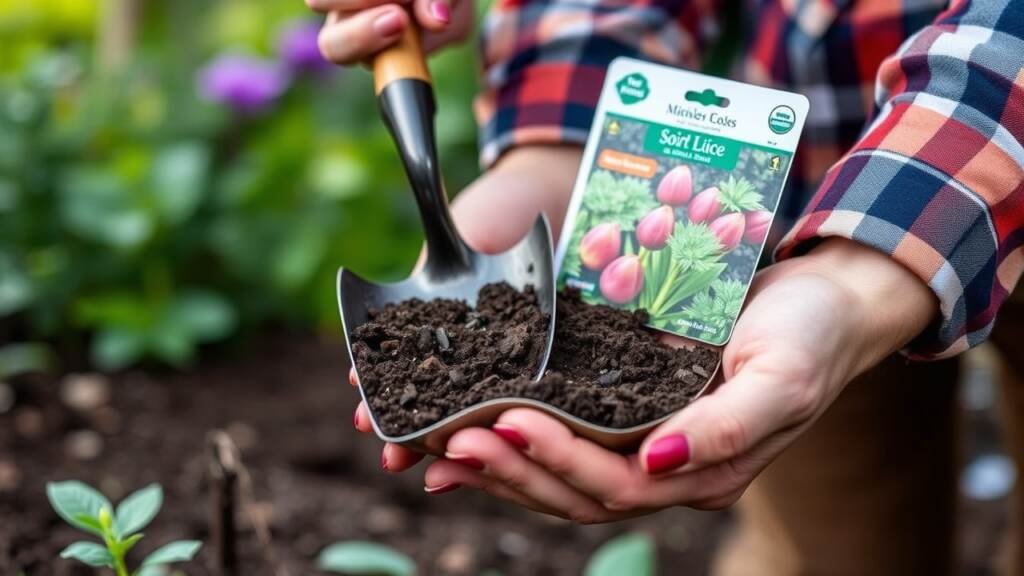
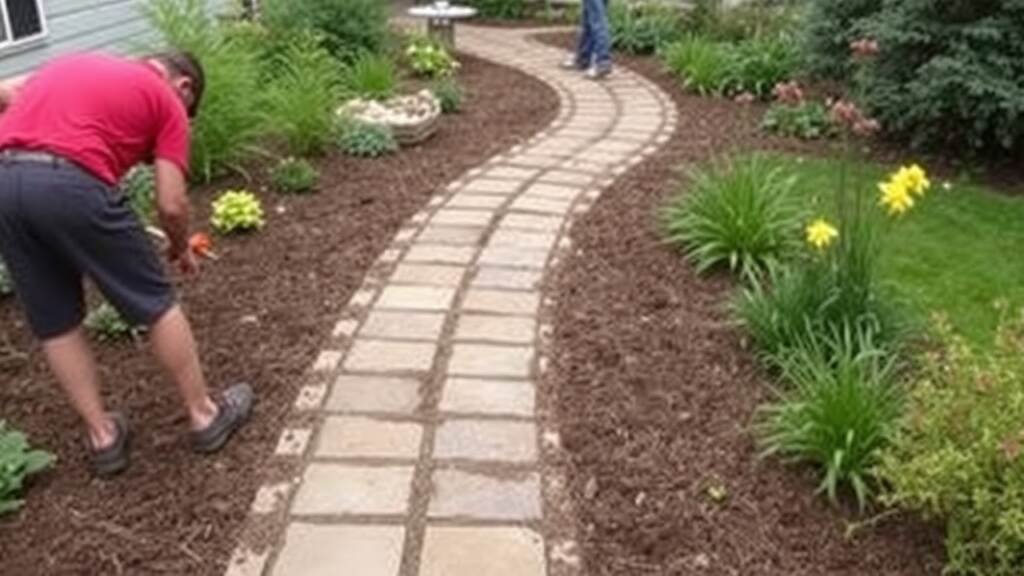
Healthy soil is the foundation of natural garden pest control. By adding compost and using organic matter, plants grow stronger and resist pest pressure. Mulching reduces weed stress and regulates moisture, discouraging slug and ant habitats. Diatomaceous earth can be dusted around beds to deter crawling insect pests, while balanced watering prevents stress that attracts a pest. Crop rotation, diverse plantings, and regular monitoring complete a use organic approach that keeps pests without synthetic pesticide and supports long-term resilience.
Benefits of Eco-Friendly Pest Control
Choosing eco-friendly pest control delivers lasting advantages for every gardener and their organic garden. By relying on natural pest control methods without chemicals, you protect your garden ecosystem, encourage beneficial insects, and reduce the need for broad insecticide spray. These natural solutions help control pests like aphid, slug, ant, and beetle while supporting soil rich in organic matter. With integrated pest management, neem oil, and physical barriers, you keep pests in balance, prevent infestation, and maintain resilient beds in your vegetable garden.
Long-Term Garden Health
Natural garden pest control builds long-term garden health by prioritizing prevention over reaction. Healthy soil, diverse plantings, and natural predators create conditions that deter a recurring pest problem. When gardeners use natural methods like neem oil, diatomaceous earth, essential oil blends, and targeted oil spray, affected plants recover faster and require fewer interventions. Over time, plants rooted in organic matter develop stronger defenses against bug pressure, while weeds are managed through mulch and rotation, reducing stress that attracts pests without resorting to harsh chemicals.
Enhancing Biodiversity in Your Garden
An eco-friendly approach invites biodiversity that naturally helps control pests. Companion planting and flowering borders attract beneficial insects that feast on aphid and beetle larvae. By avoiding pesticide and relying on natural bug repellents, a gardener strengthens the web of natural predators that keep pests in check. This balanced garden ecosystem supports birds, pollinators, and soil microbes, which improve nutrient cycling and plant vigor. The result is an organic garden that sustains itself with fewer inputs and fewer outbreaks of unwanted pests.
Creating Safe Outdoor Spaces
Using pest control without harsh chemicals makes outdoor spaces safer for children, pets, and wildlife. Chemical-free choices like dish soap and vegetable oil mixes, coffee grounds, and diatomaceous earth allow you to protect your garden while minimizing risk. Physical barriers and integrated pest management reduce exposure to any insecticide residue on patios or edible beds. By choosing natural solutions, homeowners maintain a clean environment around a vegetable garden, ensuring that ant, slug, and other garden pest pressures are addressed responsibly without compromising play areas or pollinator habitat.
Cost-Effectiveness Over Time
Eco-friendly pest control becomes cost-effective as your garden ecosystem strengthens. Investing in soil rich in organic matter, mulch to suppress weed pressure, and beneficial insects reduces repeated purchases of pesticide or emergency spray. Preventive tactics like companion planting, row covers, and neem treatments minimize losses from infestation and extend harvests. Because natural pest control emphasizes resilience, you spend less on reactive products and more on solutions that control pests sustainably. Over time, healthier plants and fewer pest flare-ups translate into meaningful savings for every gardener.
How Destiny Landscape Implements Sustainable Pest Control
Destiny Landscape delivers eco-friendly pest control through a careful blend of integrated pest management, natural methods, and landscape design that supports beneficial insects. We assess each garden pest issue, identify the insect accurately, and apply targeted, chemical-free solutions to protect your garden. From neem oil spot treatments to physical barriers and habitat creation for natural predators, we use natural, research-backed practices. Our tailored plans help gardeners keep pests without chemicals, restore soil health with organic matter, and maintain thriving, beautiful, sustainable landscapes.
Our Philosophy on Eco-Friendly Practices
Our philosophy centers on prevention, balance, and respect for the garden ecosystem. We prioritize natural pest control and pest control methods that work without chemicals, combining cultural practices with minimal, strategic interventions. By improving soil, reducing weed stress, and encouraging beneficial insects, we deter bug outbreaks before they start. When a pest problem emerges, we use natural solutions like neem, essential oil blends, and diatomaceous earth. This approach empowers every gardener to control pests sustainably and protect your garden for the long term.
Techniques We Use for Pest Management
We begin with monitoring and precise identification, then select the least disruptive solution. For aphid and whitefly, we apply neem oil or a gentle dish soap and vegetable oil spray at dusk, sparing beneficial insects. For slugs, we use barriers and copper, while ants are managed through habitat adjustments and natural repellents like coffee grounds. Row covers, traps, and selective pruning keep beetle damage down. Every step fits within integrated pest management, helping clients keep pests without harsh chemicals or blanket pesticide use.
Commitment to Sustainable Landscaping
Destiny Landscape is committed to sustainable landscaping practices that use organic amendments, biodiversity, and design to prevent infestation. We enrich beds with compost and organic matter, specify companion plantings that attract natural predators, and design vegetable garden layouts that maximize airflow and sunlight. Our team avoids routine insecticide, choosing natural bug repellents and physical controls that protect affected plants while preserving allies. This enduring commitment ensures your landscape remains eco-friendly, resilient, and beautiful, delivering reliable pest control without chemicals season after season.
FAQs – Frequently Asked Questions
Homeowners often ask how to protect your garden using eco-friendly pest control without chemicals while keeping a thriving garden ecosystem. Below, we answer common questions about natural pest control for gardens, from integrated pest management to natural bug repellents like neem oil, essential oil blends, and diatomaceous earth. Learn how to control pests such as aphid, slug, ant, and beetle using natural methods that deter infestation. These practical pest control methods help a gardener keep pests without harsh chemicals and support an organic garden.
What is eco-friendly garden pest control?
Eco-friendly garden pest control uses natural solutions to control pests without chemicals, preserving beneficial insects and soil rich in organic matter. It combines integrated pest management, natural predators, physical barriers, and targeted gentle remedies such as dish soap, vegetable oil, coffee grounds, neem, and diatomaceous earth. This approach reduces pesticide and insecticide reliance, prevents infestation, and keeps a vegetable garden resilient. By choosing natural garden pest control, a gardener can protect your garden, manage a pest problem, and maintain a balanced garden ecosystem.
Is chemical-free pest control effective long-term?
Yes. Natural pest control becomes more effective over time as the garden ecosystem strengthens. By improving soil with organic matter, using companion plants, and attracting beneficial insects, you deter unwanted pests and reduce bug outbreaks. Targeted neem oil and essential oil sprays, plus physical barriers, help control pests during peaks. Integrated pest management focuses on prevention, monitoring, and minimal interventions, enabling gardeners to keep pests without chemicals. Over multiple seasons, this strategy reduces reliance on pesticide and builds durable, long-term protection for an organic garden.
Are natural pest control methods safe for pets and children?
Most natural methods are safer for families and pets than broad insecticide or harsh chemicals. Solutions like neem oil applied correctly, dish soap and vegetable oil mixes, coffee grounds, and diatomaceous earth help deter a garden pest without leaving harmful residues. Physical barriers prevent contact entirely. Always store any spray safely and follow application guidelines. By favoring natural predators, companion plants, and targeted treatments, you protect your garden while maintaining safe play areas, minimizing exposure, and ensuring eco-friendly pest control suited to a family-friendly landscape.
How long does it take to see results with organic pest control?
Timelines vary by insect and season. Quick actions like hand-picking, barriers, and dish soap sprays can reduce aphid or beetle pressure within days. Neem oil often shows results in 7–14 days as it disrupts life cycles. Building beneficial insects and natural predators may take several weeks as the garden ecosystem stabilizes. With consistent monitoring and integrated pest management, a gardener can keep pests without chemicals, steadily curbing infestation and supporting affected plants. Patience plus prevention delivers reliable, sustainable results in a vegetable garden.
Can Destiny Landscape customize eco-friendly pest control for my garden?
Absolutely. Destiny Landscape designs tailored pest control methods for your organic garden, addressing specific bug pressures like aphid, slug, ant, or beetle. We assess the pest problem, identify each insect, and create a plan using natural solutions: neem oil timing, essential oil deterrents, diatomaceous earth, physical barriers, and habitat for beneficial insects such as ladybugs. Our integrated pest management approach aligns with sustainable landscaping practices, helping you use natural tools to protect your garden and keep pests without pesticides, while nurturing long-term soil and plant health.
Conclusion & Call to Action
Eco-friendly garden pest control without chemicals empowers gardeners to control pests while building a resilient garden ecosystem. By combining natural pest control, integrated pest management, and natural predators, you deter infestation and reduce reliance on insecticide or pesticide. Methods like neem oil, dish soap and vegetable oil sprays, diatomaceous earth, and physical barriers protect affected plants in a vegetable garden. With soil enriched by organic matter and fewer weed stresses, you keep pests in balance and safeguard family, pets, and biodiversity through natural solutions that last.
Summarizing Key Benefits of Natural Pest Control
Healthier soil, stronger plants, and safer outdoor spaces. You protect your garden from aphid, slug, ant, and beetle using natural methods that keep pests without harsh chemicals. Companion plants, beneficial insects like ladybugs, targeted oil spray with neem, and essential oil blends reduce bug damage. Physical barriers deter an infestation, while organic matter and smart watering bolster resilience. Together, these eco-friendly pest control practices increase biodiversity, cut costs over time, and support an organic garden that thrives season after season.
Contact Destiny Landscape for Sustainable Solutions
Ready to use natural strategies that work without chemicals? Destiny Landscape specializes in eco-friendly pest control tailored to your garden. Our team applies integrated pest management, natural bug repellents, and sustainable landscaping practices to control pests and protect your garden. Whether combating aphid or beetle, we design plans that deter unwanted pests, enrich soil with organic matter, and strengthen your vegetable garden. Contact Destiny Landscape today to schedule a consultation and keep pests in check the natural, sustainable way.