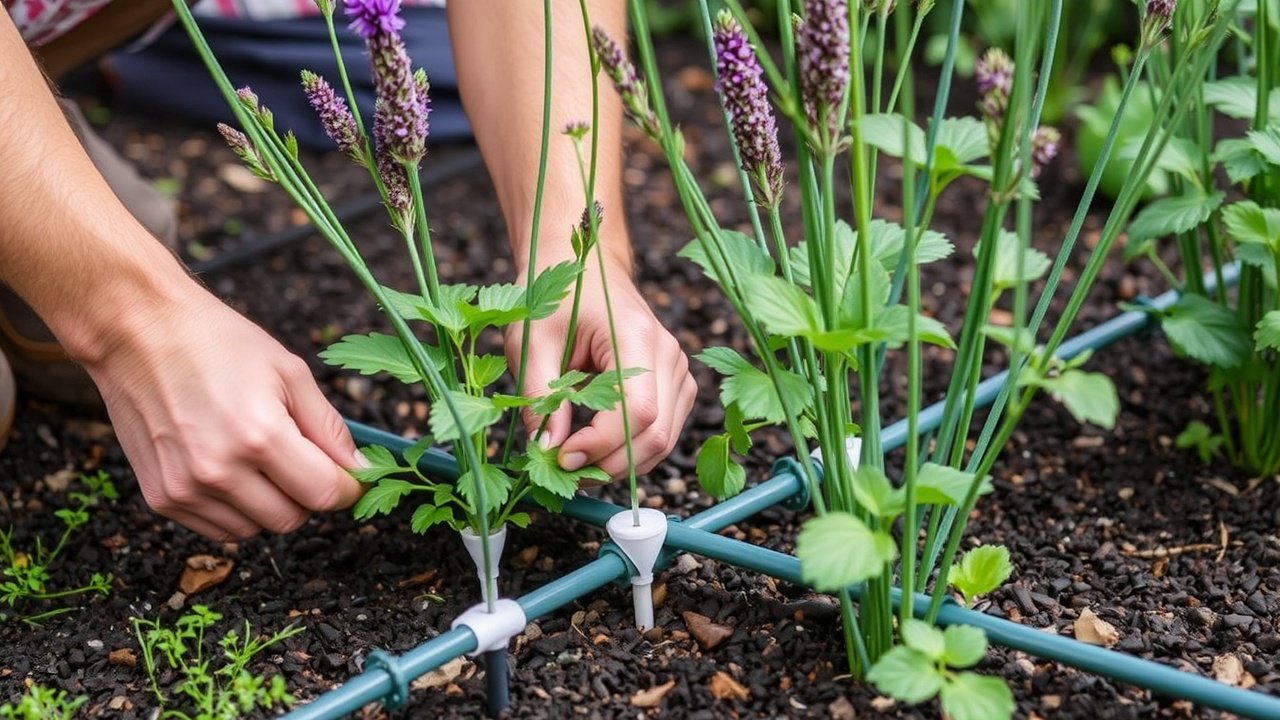
Here’s how eco-friendly landscaping can benefit you. It can:
- Significantly reduce water usage.
- Promote sustainability.
- Keep your lawn healthy.
By adopting these practices, you’ll learn practical tips and techniques to conserve water and create a beautiful, water-efficient landscape.
Introduction to Water Conservation in Landscaping
The Importance of Water Conservation for Homeowners
Water conservation is crucial for every homeowner, especially considering the increasing concerns about water scarcity and rising water bills. By adopting water-wise practices, homeowners can significantly reduce water usage, conserve water, and contribute to environmental sustainability.
Impact of Landscaping on Water Usage
Landscaping accounts for a significant portion of outdoor water use, often contributing to substantial water waste. Traditional lawns and landscapes frequently require a lot of water, leading to high water consumption. Landscape irrigation accounts for a large percentage of residential water consumption.
Overview of Eco-Friendly Practices
Eco-friendly landscaping offers solutions to reduce the amount of water needed for a healthy lawn and vibrant landscape. These practices focus on several key areas:
- Reducing water use through efficient irrigation
- Appropriate plant selection
- Soil management
All of these promote water conservation and savings.
Sustainable Landscaping Practices to Reduce Water Waste
Native Plants & Drought-Tolerant Landscaping
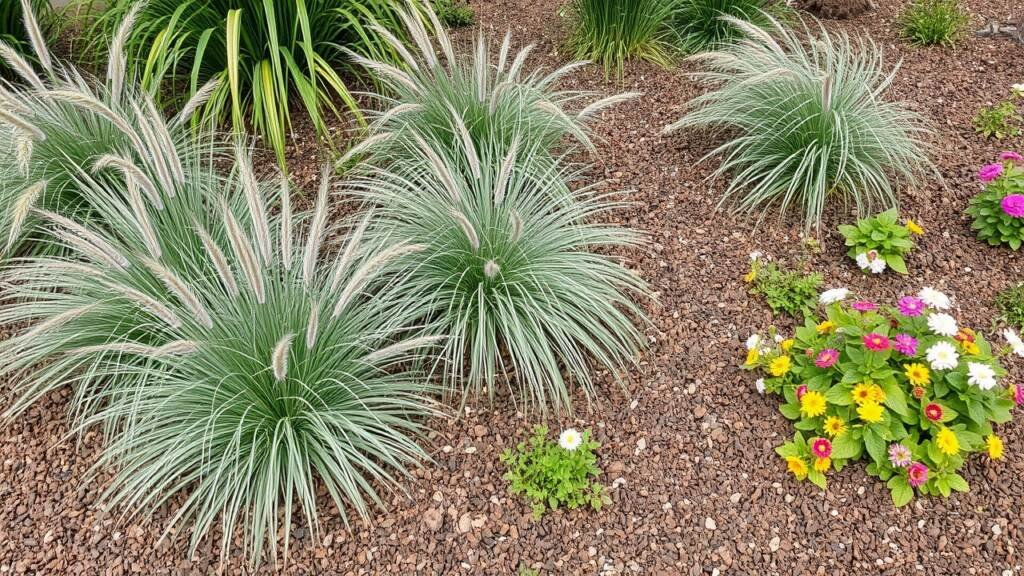
Choosing native plants and drought-resistant varieties is a cornerstone of water-efficient landscape design. Native plants are adapted to the local water conditions, requiring less water once established. Strategic planting with these species minimizes the need to irrigate frequently, thereby reducing water usage.
Smart Irrigation & Soil Moisture Management
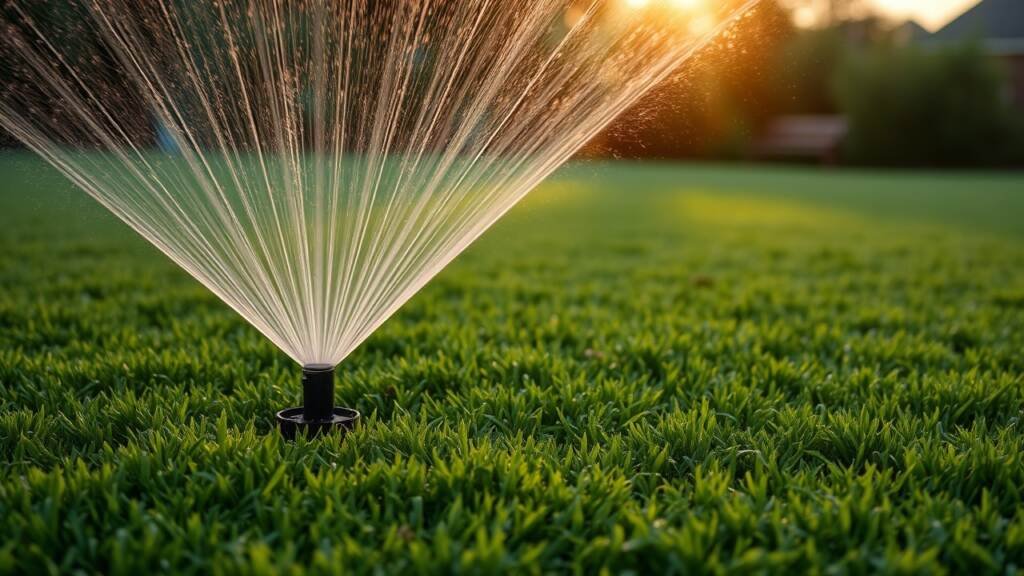
Implementing a smart irrigation system is crucial for reducing water waste. Adjusting your sprinkler system based on soil moisture levels and weather patterns ensures you only apply the right amount of water, thereby saving water. Drip irrigation systems can also reduce the amount of water lost to evaporation.
Benefits of Mulching for Moisture Retention
Mulch is an essential component of eco-friendly lawn care, helping to retain soil moisture and reduce evaporation. Applying a layer of mulch around plants conserves water by keeping the soil cooler and minimizing water loss. Mulch also helps control weed growth, which reduces competition for water.
Improving Soil Health for Efficient Water Usage
Soil Health and Water Retention
Healthy soil is essential for a water-efficient landscape. Soil rich in organic matter has a greater capacity to retain water, which reduces the amount of water required for irrigation. Proper soil management ensures that plants have access to the moisture they need, reducing the need to irrigate frequently and helping to conserve water. Improving soil health is one of the most impactful eco-friendly changes a homeowner can make.
Techniques for Enhancing Soil Quality
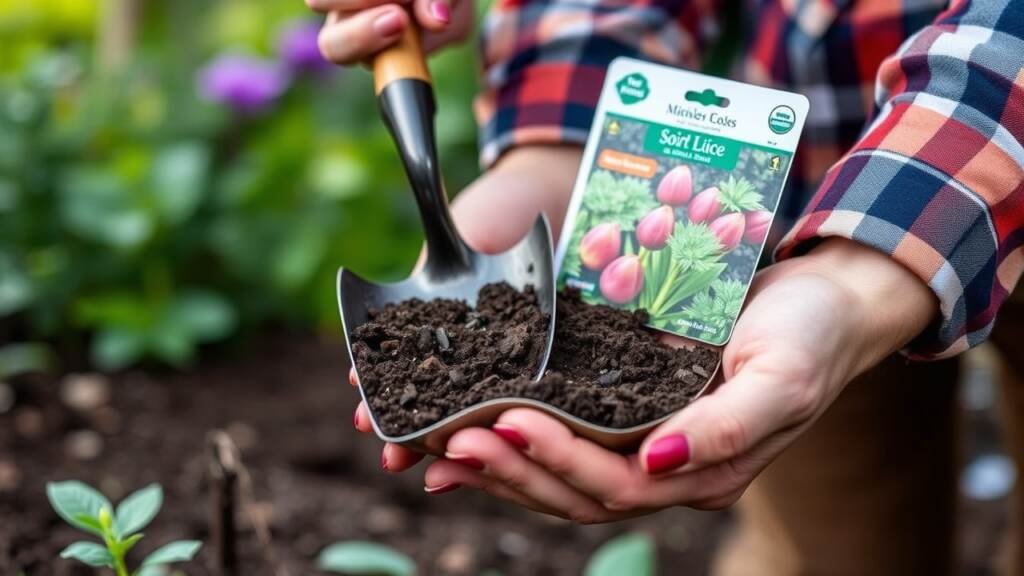
Enhancing soil quality can be achieved through several techniques. Adding compost and other organic amendments improves the soil’s ability to hold water. Reducing the use of chemical fertilizers and pesticides also helps maintain a healthy soil ecosystem. These practices not only save water but also promote a thriving, water-efficient landscape. Regular aeration can also help improve water infiltration.
Choosing the Right Plant Selection
Selecting the right plants plays a crucial role in reducing water usage. Opt for plants that thrive in your local climate and soil conditions. Native plants, in particular, are well-suited to the environment and require less water compared to non-native species. Consider grouping plants with similar water needs together to further optimize landscape irrigation and conserve water effectively.
Xeriscaping Principles for Water-Efficient Yards

Understanding Xeriscaping Concepts
Xeriscaping is a landscape design method specifically tailored to minimize water use. It involves planning a landscape that reduces the amount of water needed by incorporating drought-resistant plants, efficient landscape irrigation techniques, and careful soil management. By embracing xeriscaping, homeowners can significantly reduce water waste and create a sustainable, water-efficient landscape. Focus on plants that require little water.
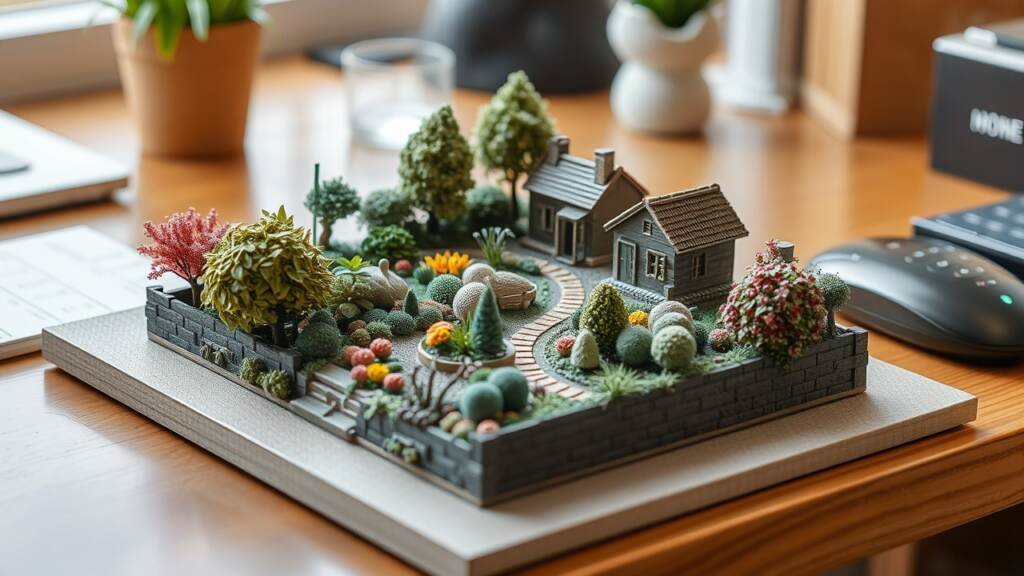
Designing a Xeriscape Landscape
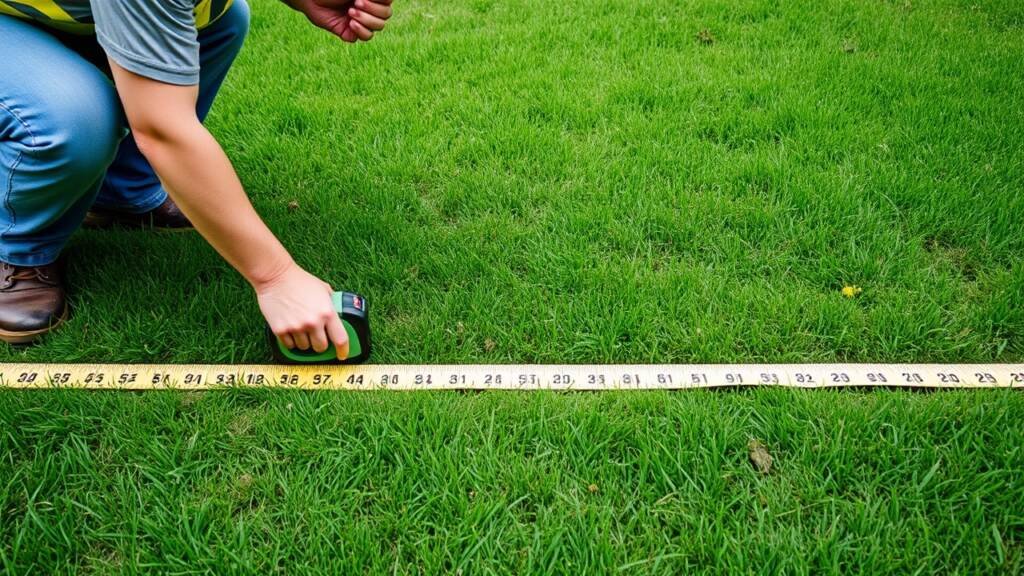
Here’s how to approach xeriscape landscape design: Begin by evaluating your site’s specific characteristics. This includes a close look at:
- Sun exposure
- Soil type
- Drainage patterns
Following this assessment, select native and drought-resistant plants suited to these conditions. Arrange plants in zones based on their water needs, with the lowest-water-use plants in the driest areas. Incorporate mulch and gravel to further reduce water evaporation and weed growth and conserve water.
Practical Examples for Different U.S. Regions
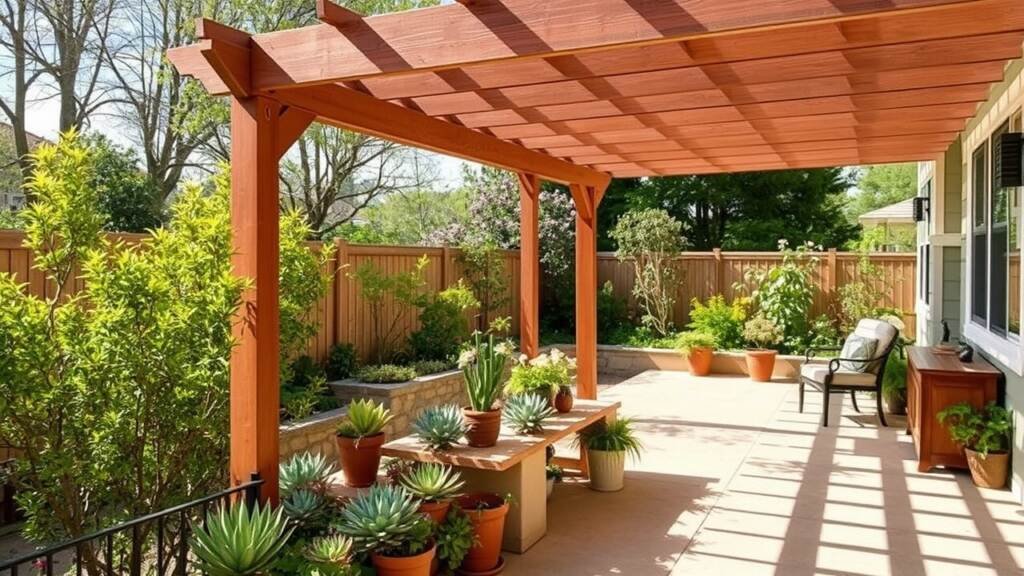
In the arid Southwest, xeriscaping can involve using cacti, succulents, and gravel landscapes to reduce water needs. In the Midwest, focus on drought-tolerant turfgrass and native wildflowers. In Florida, sandy soils and intense heat mean drought-resistant shrubs and efficient irrigation systems are key. Consider plant water needs for your area and design a landscape with these factors in mind, reducing the amount you need to irrigate and saving water.
Meta title: Eco-Friendly Landscaping: Reduce Water Usage Meta description: Discover how eco-friendly landscaping can significantly reduce water usage for a sustainable lawn. Learn tips for water-efficient landscape design! URL slug: eco-friendly-landscaping-reduce-water-usage Suggested internal link topics: – Smart Irrigation Techniques – Best Native Plants for Water Conservation
Permeable Surfaces & Drainage Solutions
Benefits of Permeable Surfaces
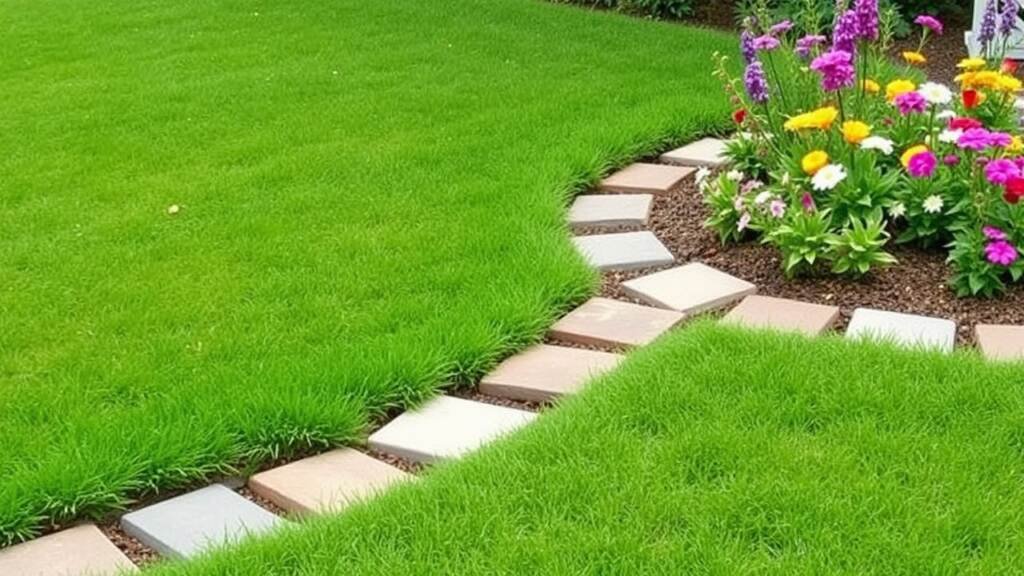
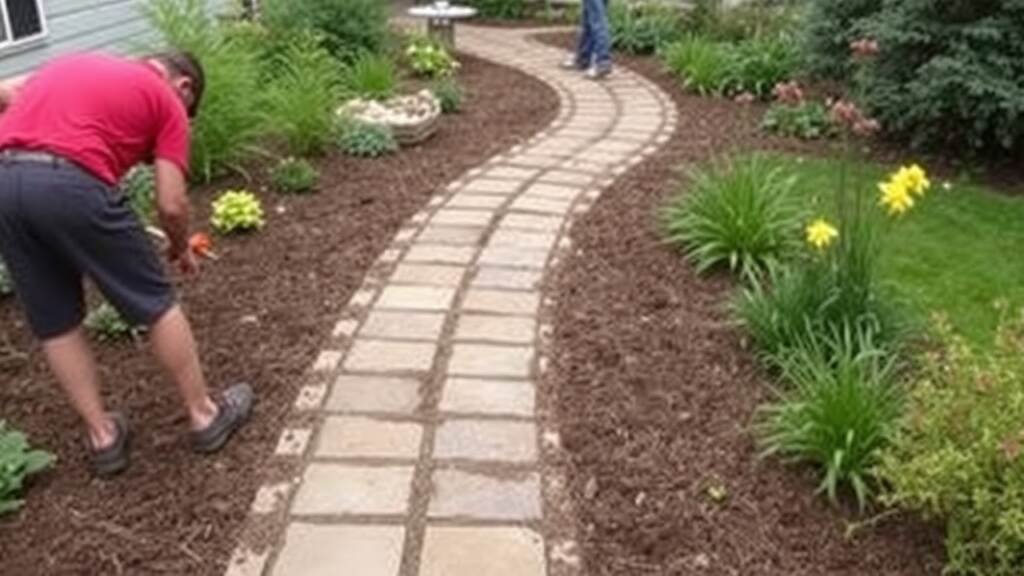
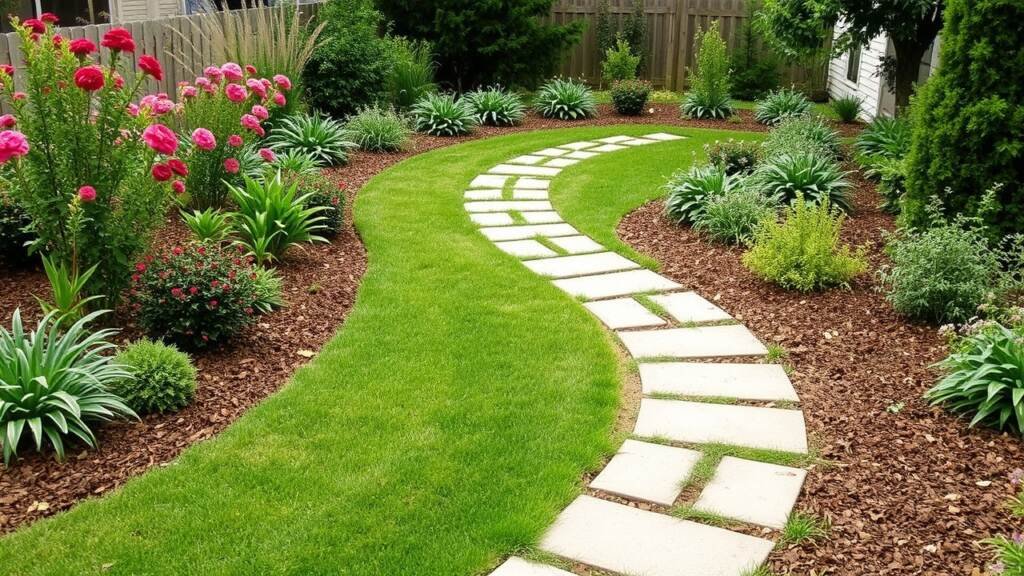
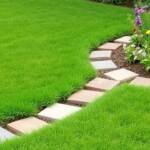
Permeable surfaces offer a significant advantage in promoting water conservation. Unlike traditional paved areas, permeable materials like gravel, porous concrete, or paving stones allow water to infiltrate directly into the soil. This reduces runoff and allows more water to replenish groundwater reserves. By minimizing the amount of water that runs off, these surfaces also help to reduce erosion and improve water quality. Using these surfaces, you can conserve water and ensure that your landscape thrives, while reducing your water bill.
Implementing Proper Drainage Systems
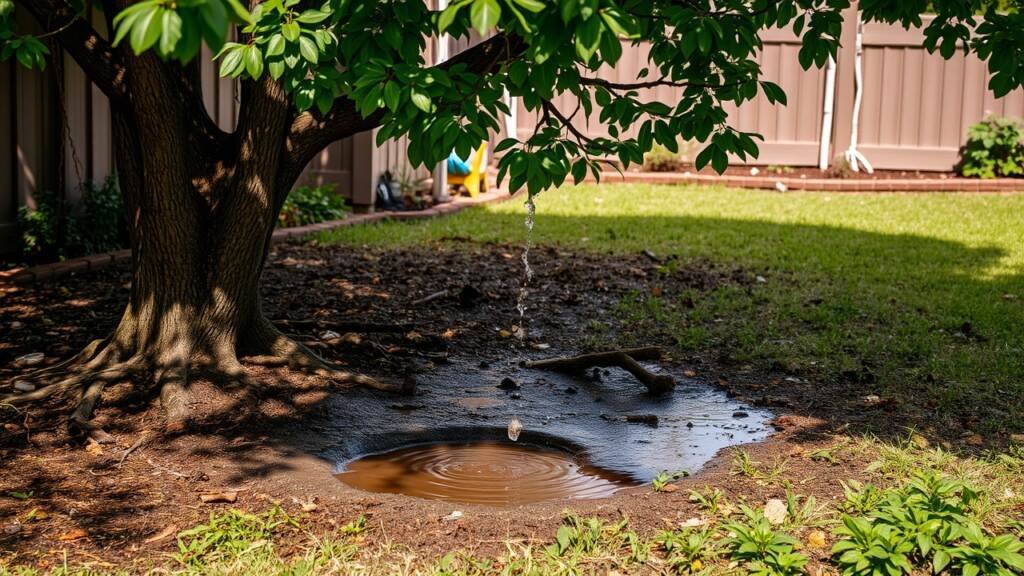
Proper drainage systems are essential for managing water efficiently in any landscape. Effective drainage prevents water from pooling and causing damage to your property, while also directing excess water to where it can be most beneficial. Consider installing French drains, swales, or rain gardens to capture and redirect runoff. These systems help to conserve water by allowing it to slowly percolate into the soil, nourishing plants and reducing the amount of water lost to evaporation. By integrating thoughtful landscape design with effective drainage, you can significantly reduce water use.
Supporting Water Conservation through Design
Integrating permeable surfaces and proper drainage into your landscape design is a proactive approach to water conservation. By reducing runoff and promoting water infiltration, these design elements help to maintain soil moisture and reduce the need to irrigate frequently. For example, incorporating gravel pathways and permeable patios can significantly reduce your landscape’s water use, while strategically placed rain gardens can capture runoff from roofs and driveways. This means you can reduce the amount of water you need for landscape irrigation, which in turn will reduce your water bill.
Conclusion and Call to Action

Recap of Eco-Friendly Landscaping Benefits
Adopting eco-friendly landscaping practices offers numerous benefits, primarily helping to reduce water usage and promoting environmental sustainability. By choosing native plants, implementing smart irrigation, using mulch, and improving soil health, homeowners can significantly reduce their water bill, and conserve water. Incorporating xeriscaping principles and permeable surfaces further enhances these advantages, creating a water-efficient landscape that thrives with less water. In addition, this will lead to better lawn care.
Encouraging Sustainable Practices at Home
Embracing sustainable lawn care and landscaping practices starts with making conscious choices about your yard. Begin by assessing your current landscape water use and identifying areas where you can reduce water consumption. Consider replacing water-intensive turfgrass with drought-resistant native plants and improving your soil’s water retention capabilities. Regularly inspect your landscape irrigation system for leaks and adjust your watering schedule based on local water conditions and the specific water needs of your plants. Even small changes can lead to significant water savings and a healthier environment.
Contact Destiny Landscaping for Expert Guidance
Ready to transform your yard into a water-efficient landscape? Contact Destiny Landscaping today for expert guidance and personalized solutions. Our team of experienced professionals can help you design a landscape that not only reduces water use but also enhances the beauty and value of your home. Start conserving water and creating a sustainable future by scheduling a consultation today. With the right plant selection, you can make the perfect water-efficient landscape.