
As autumn descends upon the United States, homeowners face the annual chore of leaf cleanup. Piles of fall leaves accumulate, blanketing lawns and creating a seemingly endless task. While traditional methods like raking and leaf blowers have long been the standard, a more modern and sustainable approach is gaining traction: mulching the leaves.
Introduction
Common Issues with Fall Leaf Cleanup
The annual leaf fall presents a significant challenge for homeowners across the United States. Clearing leaves from your lawn often becomes a time-consuming and physically demanding task, especially when dealing with a thick layer of leaves. Many resort to raking leaves or using a leaf blower, which can be noisy, inefficient, and environmentally taxing.
Introducing Mulching as a Sustainable Alternative
Mulching leaves offers an eco-friendly and efficient solution to traditional leaf removal methods. By using a mulching mower to shred leaves into small pieces, homeowners can transform yard waste into a valuable resource for their lawn. This process not only simplifies leaf management but also contributes to a healthier, more sustainable landscape.
Benefits of Mulching that Homeowners Should Know
Despite the growing awareness of sustainable practices, many homeowners remain unaware of the significant benefits of mulching leaves. Far from being detrimental, mulching and composting provide a natural and beneficial way to recycle leaves, enrich the soil, and reduce waste. Consider mulching as a way to improve soil health and fall lawn care.
What Is Leaf Mulching & How It Works
How Mowers Transform Leaves into Mulch
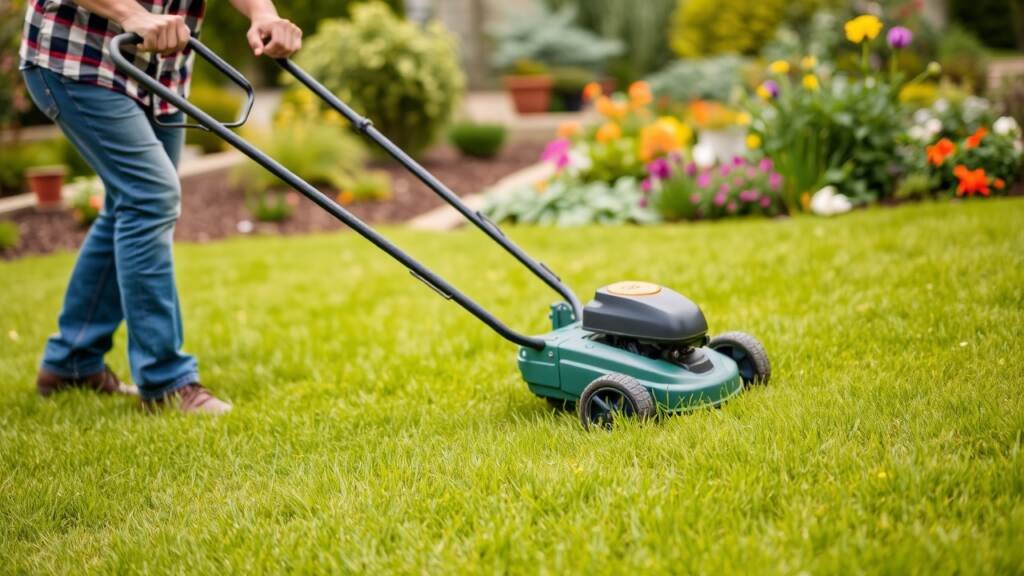
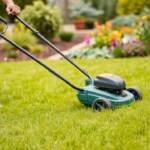
The process of mulching leaves involves using a lawn mower, ideally a mulching mower, to chop the leaves into small pieces. These specialized mowers are designed with blades that repeatedly cut the leaves into tiny fragments. This process ensures that the leaves are small enough to decompose quickly and provide maximum benefits to the soil.
The Natural Breakdown of Mulched Particles
Once the leaves are shredded, these mulched particles begin to decompose naturally. The decomposition process releases vital nutrients back into the soil, acting as a natural fertilizer for your lawn. Over time, the leaf mulch breaks down, enriching the soil with organic matter and supporting a healthy ecosystem of beneficial microbes and organisms.
Myth Busting: Mulching Doesn’t Suffocate Grass
One common misconception is that leaving a layer of leaves on the ground will suffocate the grass. However, when done correctly, mulching leaves does not harm the lawn. By shredding the leaves into small pieces and spreading them evenly, you allow sunlight and air to reach the grass, promoting healthy growth.
Benefits of Mulching Leaves Instead of Raking
Improving Soil Health with Organic Matter
One of the most significant benefits of mulching is that it improves soil health. As the leaf mulch decomposes, it adds valuable organic matter to the soil. This organic matter enhances soil structure, improves water retention, and provides essential nutrients for healthy grass growth. The process can enrich the soil and provide the base for a great lawn.
Providing Natural Fertilizer for Your Lawn
Mulching provides a natural and cost-effective way to fertilize your lawn. As the shredded leaves decompose, they release essential nutrients, such as nitrogen, phosphorus, and potassium, back into the soil. This natural fertilization process reduces the need for synthetic fertilizers and promotes a healthier, greener lawn. This is one of the key benefits of mulching.
Reducing Landfill Waste from Leaf Collection
Raking leaves and bagging them for disposal contributes significantly to landfill waste. Millions of tons of leaves end up in landfills each year in the United States. Mulching the leaves instead of leaf collection and bagging them helps to reduce this waste, turning what would otherwise be trash into a valuable resource for your lawn and the environment. (Insert internal link when discussing sustainable landscaping practices)
Saving Time and Labor in Leaf Cleanup
Compared to traditional leaf cleanup methods, mulching saves time and labor. Raking leaves, bagging them, and hauling them to the curb can be a physically demanding and time-consuming task. Mulching eliminates the need for bagging and hauling, allowing homeowners to maintain their lawns more efficiently. This is one of the practical benefits of mulching.
Enhancing Lawn Resilience with Mulched Leaves
Mulched leaves contribute to better lawn resilience. The layer of decomposing leaves helps to retain moisture in the soil, protecting the grass from drought stress. Additionally, the mulch acts as a natural barrier against erosion, preventing soil loss during heavy rains and wind. By retaining moisture and reducing erosion, mulching can provide a stronger lawn.
When Mulching Leaves Is the Best Choice
Conditions for Effective Mulching
Mulching leaves is the best way to manage fallen leaves in certain conditions. It’s important to consider the state of your lawn and the type of leaves you’re dealing with. When these conditions are right, you will see the benefits of mulching greatly.
Healthy Grass and Active Growth
For the best results, mulch leaves when your grass is healthy and actively growing. A robust lawn can more effectively utilize the nutrients released during decomposition and outcompete any weeds. The nutrients back can make your lawn better.
Dry Leaves Ready for Shredding
Dry leaves are ideal for mulching because they shred more easily and evenly. Wet leaves tend to clump together, which can lead to uneven distribution and potential smothering of the grass. Be sure to use the mower when leaves are dry.
When You Should Avoid Mulching
Identifying Extremely Thick Leaf Piles
Avoid mulching if you have extremely thick leaf piles covering your lawn. Overly thick layers of leaves can smother the grass and prevent sunlight and air from reaching the surface. This can cause more harm than good to the soil health.
Dealing with Wet, Matted Leaves
Wet, matted leaves are not suitable for mulching. They tend to clump together and don’t shred properly, potentially leading to poor decomposition and the risk of fungal diseases. It is important to avoid mulching wet leaves.
Managing Lawns with Fungal Diseases
If your lawn is suffering from fungal diseases, avoid mulching leaves. Mulching can trap moisture and create a conducive environment for fungal growth, exacerbating the problem. Mulching leaves can cause harm in some instances.
Step-by-Step Guide: How to Mulch Leaves Properly
Setting Your Mower to Mulch Mode
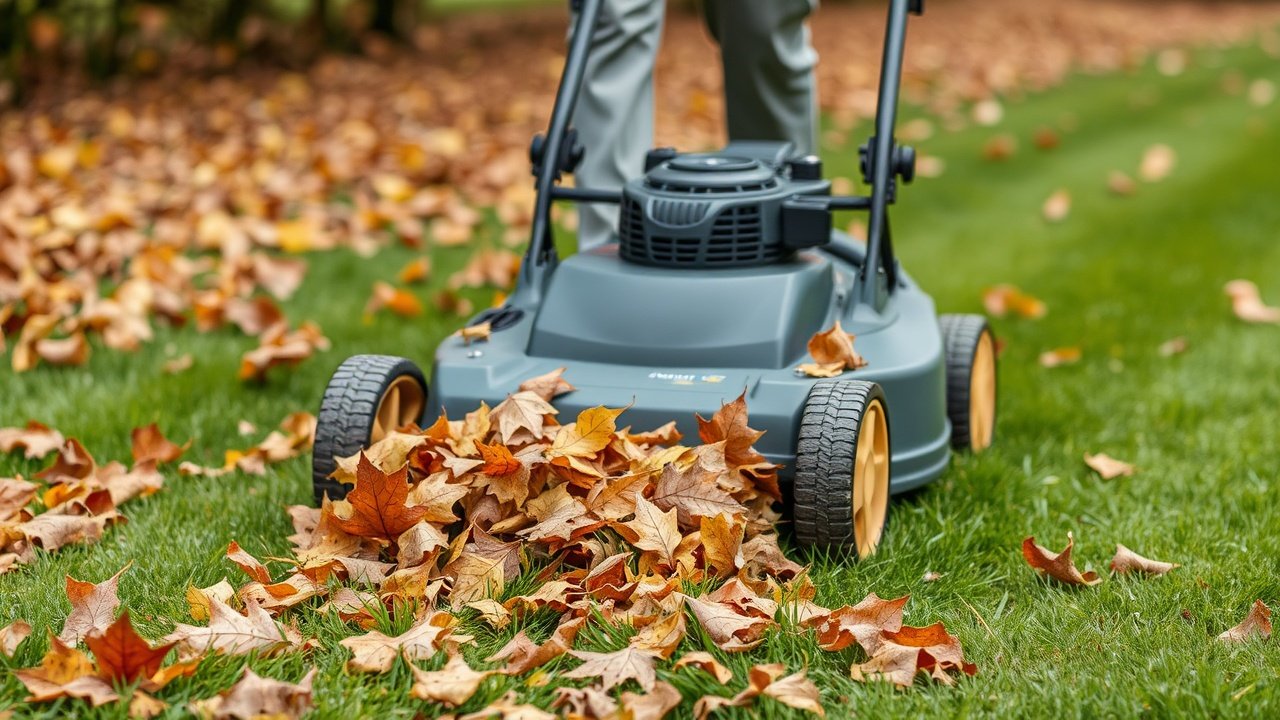
To begin, set your lawn mower to mulch mode. This setting ensures that the mower’s blades finely shred the leaves into small pieces, rather than simply discharging them. A mulching mower is especially effective in this process.
Mowing Dry Leaves for Best Results
For the best results, mow dry leaves. Dry leaves are brittle and break down more easily, allowing the mower to shred them into smaller particles. This leads to better decomposition and nutrient distribution across the lawn.
Achieving Optimal Particle Size
Make multiple passes over the leaves with your mulching mower until the particles are less than one inch in size. Smaller particles decompose faster and provide more nutrients to the soil. Make sure the leaves are small pieces.
Evenly Spreading Mulched Material
Ensure that the mulched material is spread evenly across your lawn. Avoid creating thick clumps or piles, as these can smother the grass and hinder healthy growth. Spread the nutrients back from the mulch evenly to improve soil.
Watering Lightly to Aid Decomposition
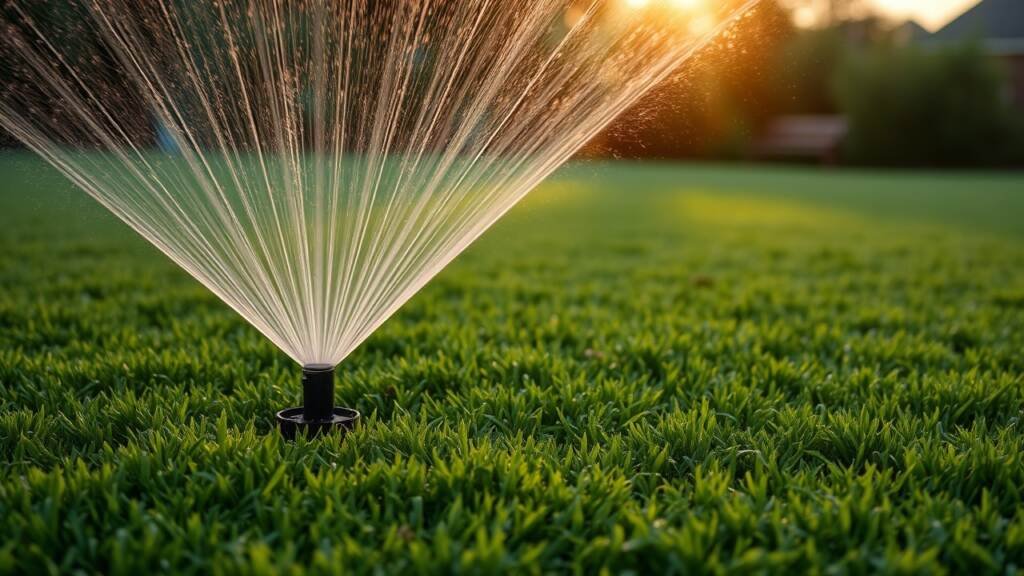
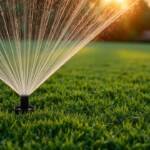
After mulching, water the lawn lightly. This helps the mulched leaves settle and begin to decompose, releasing valuable nutrients into the soil. Watering will also help to prevent the mulched material from blowing away.
Additional Tips to Enhance Lawn Health
Overseeding After Fall Mulching
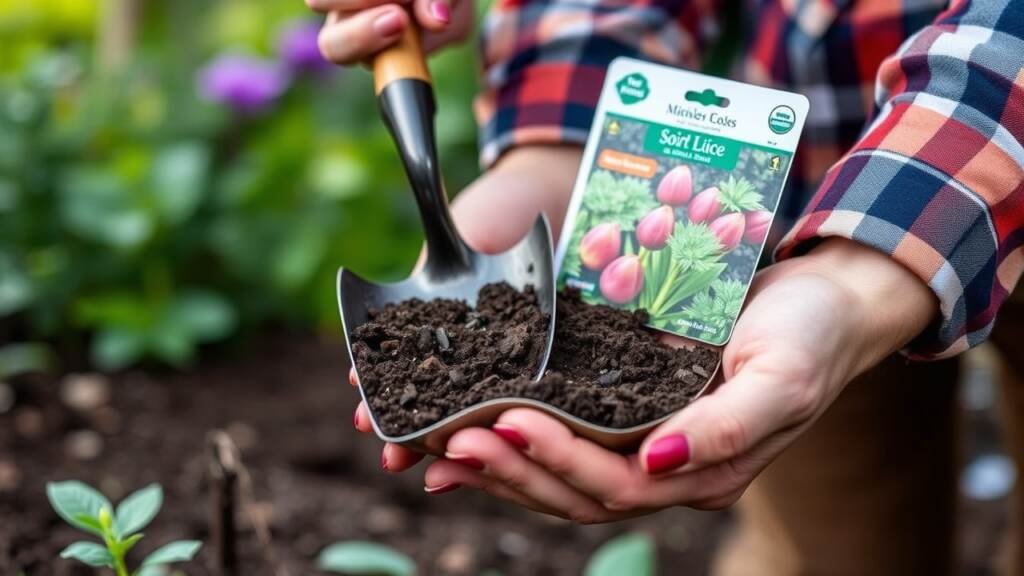
After mulching, consider overseeding your lawn to improve its density and overall health. Overseeding helps to fill in any bare spots and introduces new grass varieties that can better withstand environmental stressors. This is especially beneficial after mulching the leaves, as the decomposing leaf mulch provides a nutrient-rich environment for new seedlings to thrive.
Using Mulched Leaves in Gardens
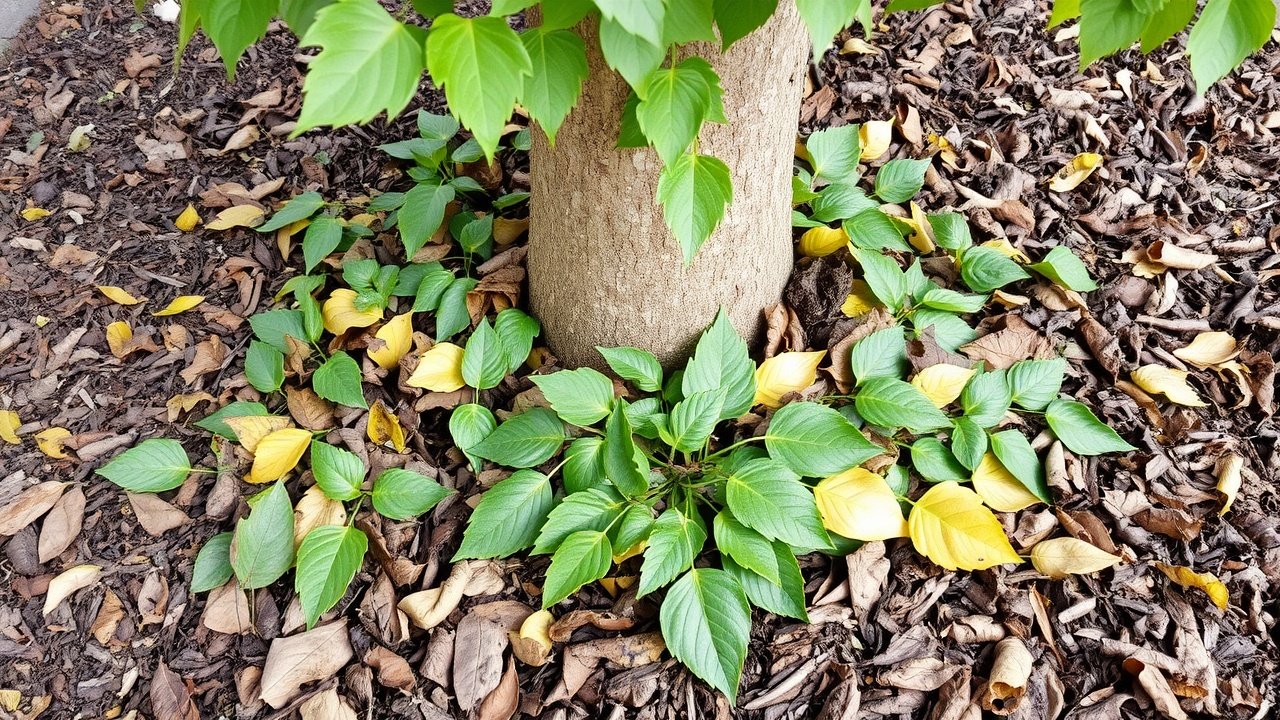
Don’t limit the benefits of mulched leaves to just your lawn. You can also use mulched leaves in flower beds and around trees as a natural, eco-friendly form of insulation. The layer of leaf mulch helps to retain soil moisture, suppress weeds, and protect plant roots from temperature extremes. Leaf mulch acts as a natural compost in your garden.
Combining Mulching with Fall Fertilization
To further enhance lawn health, combine mulching with fall fertilization. After you mulch leaves, apply a slow-release fertilizer to provide your lawn with the nutrients it needs to thrive during the dormant season and come back strong in the spring. The combination of mulching and fertilizing ensures that your lawn receives a balanced supply of essential nutrients.
Conclusion
Reinforcing the Cost-Effectiveness of Mulching
Mulching leaves is not only an eco-friendly practice but also a cost-effective one. By mulching the leaves, homeowners can save money on leaf removal services, reduce the need for synthetic fertilizers, and improve the overall health and resilience of their lawns. Mulching the leaves is a practical choice for both your wallet and the environment, saving time and money.
Encouraging Adoption of Mulching Practices
Encourage homeowners across the United States to adopt mulching practices instead of traditional raking and bagging. By making the switch, they can contribute to a more sustainable environment, reduce landfill waste, and enjoy a healthier, more vibrant lawn. Mulching benefits are significant, making it a worthwhile change for any homeowner looking for ways to reduce their environmental impact.
Destiny Landscaping as a Trusted Expert
For homeowners seeking expert advice and assistance with mulching, leaf removal, and other eco-friendly lawn care practices, Destiny Landscaping is a trusted resource. With their knowledge and commitment to sustainable landscaping, Destiny Landscaping can help homeowners achieve beautiful, healthy lawns while minimizing their impact on the environment. Consider Destiny Landscaping as the best way to care for your lawn and landscape.