Looking to add vibrant color to your yard even during the hottest months? Discover the best plants for hot climates that not only survive but thrive in full sun and heat. This guide is perfect for U.S. homeowners seeking low-maintenance plants that offer stunning blooms and can handle extreme heat. Learn how to create a beautiful, drought-tolerant garden that will be the envy of the neighborhood.
What are Heat-Tolerant Plants?
Definition and Importance
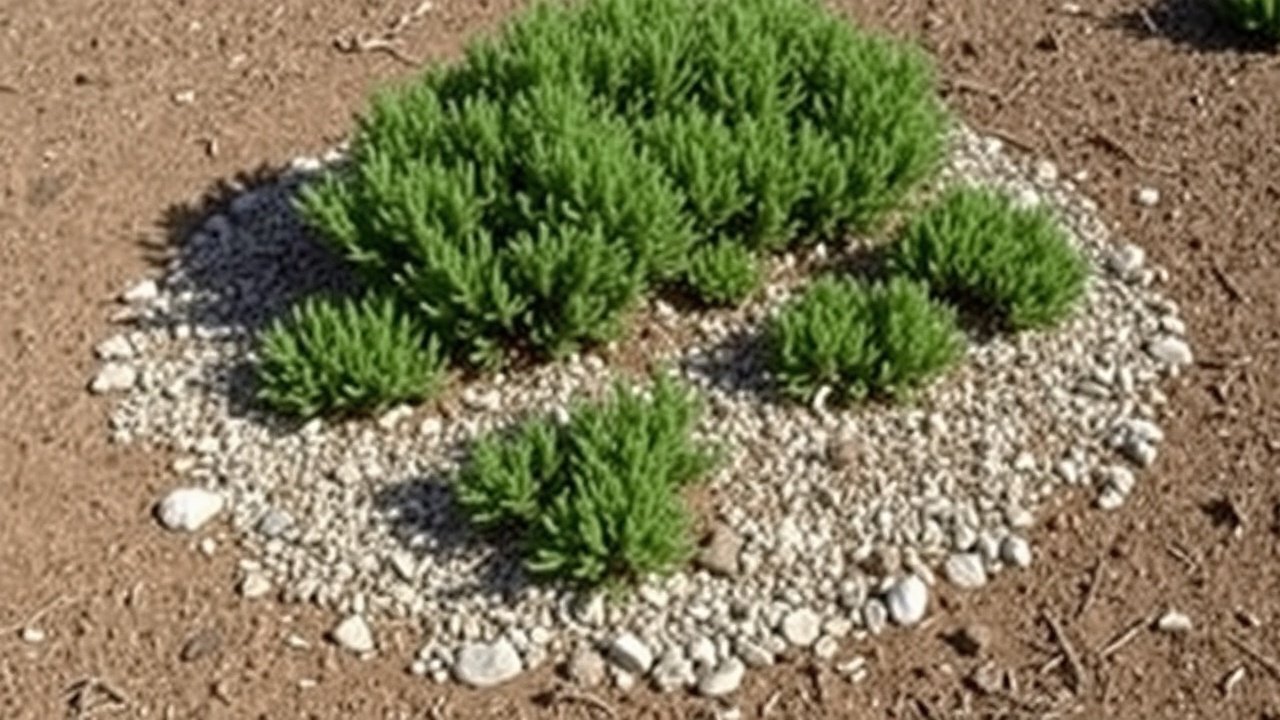
Heat-tolerant plants are varieties specifically adapted to thrive in hot climates and full sun conditions. These tough plants are essential for U.S. gardens facing dry summers and high heat, offering beautiful foliage and colorful blooms where other plants might wilt. Selecting heat-tolerant plants ensures a vibrant, sustainable landscape that requires less water and care.
Characteristics of Heat-Tolerant Plants
Heat-tolerant plants often have features like small or fleshy leaves to minimize water loss, deep root systems to access water, and a waxy coating to reflect sunlight. Many are drought-tolerant, able to store water efficiently. These adaptations enable them to withstand sun and heat, making them ideal for hot weather and ensuring they love the heat. They often prefer full sun.
Examples of Tough Plants for Hot Climates
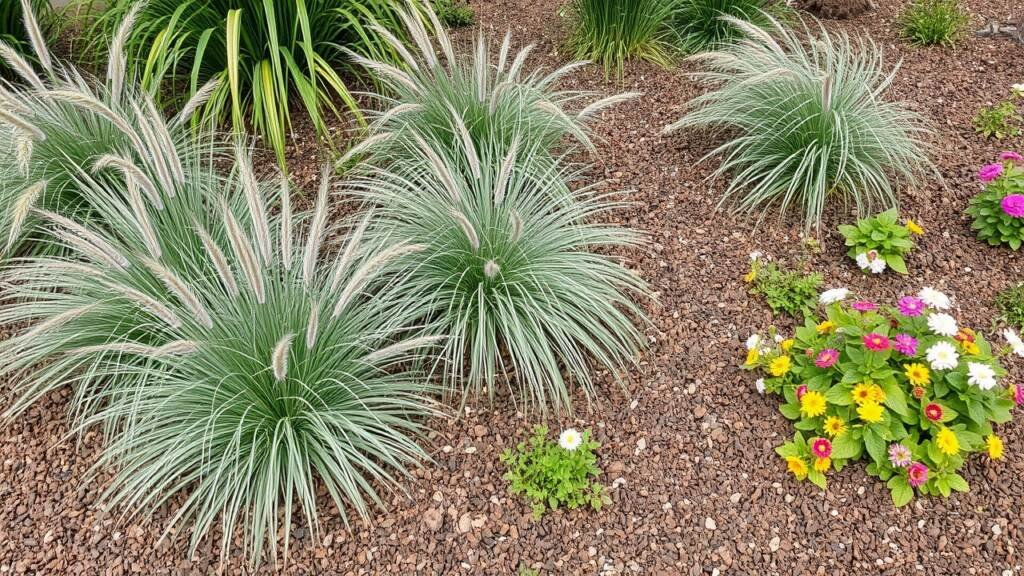
Examples of tough plants for hot climates include lantana, known for its colorful blooms that attract butterflies and hummingbirds; yarrow, a perennial with daisy-like flowers that tolerates poor soil; and zinnias, which offer vibrant colors all summer. Succulents and aromatic shrubs are also excellent choices, thriving in heat and drought with minimal care. These plants are best suited for well-drained soil.
Why Summer Flowers Matter for U.S. Homeowners
Enhancing Curb Appeal
Summer flowers significantly enhance curb appeal, adding vibrant color and visual interest to any home. Plants that thrive in full sun create a welcoming and beautiful landscape, making a positive first impression. Colorful blooms throughout the summer months elevate the aesthetic of American homes, increasing property value and neighborhood charm. These flowers beat the heat and stay beautiful.
Environmental Benefits
Summer flowers offer numerous environmental benefits, attracting pollinators such as bees and butterflies that are crucial for a healthy ecosystem. Plants for hot climates often require less water, promoting water conservation and sustainable gardening practices. Green foliage helps reduce the urban heat island effect, providing cooler, more comfortable outdoor spaces. Many of these are drought-tolerant.
Creating a Relaxing Outdoor Space
Creating a relaxing outdoor space is made possible with the best plants for hot climates. The beauty of summer flowers, combined with the soothing presence of greenery, offers a tranquil retreat. Low-maintenance plants allow homeowners to enjoy their gardens without constant upkeep. The gentle buzz of pollinators and the aromatic scents of certain plants enhance the sensory experience.
Benefits of Choosing Best Flowers for Hot Climates

Low-Maintenance Requirements
One of the most significant benefits of opting for the best flowers suited to hot climates is their low-maintenance nature. These plants are generally drought-tolerant and require less frequent watering, which is perfect for busy U.S. homeowners. Low-maintenance plants allow you to enjoy vibrant blooms throughout the summer without the constant need for care, saving both time and resources. These flowers thrive in full sun.
Water Conservation
Choosing plants for hot climates promotes water conservation, an essential practice in many parts of the U.S. Heat-tolerant plants are often drought-tolerant, reducing the need for excessive irrigation. By selecting plants that can store water and thrive in heat and drought, you contribute to sustainable gardening and help conserve water resources. This also translates to lower water bills and a healthier environment.
Attracting Butterflies and Pollinators
Many of the best flowers for hot climates are excellent at attracting butterflies and pollinators, which are vital for a thriving garden ecosystem. Plants like lantana and zinnias produce colorful blooms that lure these beneficial insects, enhancing biodiversity. Creating a garden that supports pollinators not only beautifies your landscape but also contributes to the health of the local environment. These plants love the heat.
Common Problems with Summer Flower Gardens & How to Avoid Them

Overwatering vs. Underwatering
One common problem in summer flower gardens is balancing watering needs. Overwatering can lead to root rot, while underwatering causes wilting and stunted growth. Knowing the specific water requirements of your plants for hot climates is essential. Drought-tolerant plants prefer well-drained soil and infrequent watering, whereas others might need consistent moisture, especially in full sun and heat. These flowers beat the heat and stay beautiful.
Choosing the Right Location
Selecting the right location is critical for the success of your summer flower garden. Most heat-tolerant plants need full sun to thrive, so ensure they are planted in areas that receive at least six hours of sunlight daily. Consider factors like soil drainage and protection from strong winds. Proper placement ensures your plants receive optimal conditions to flourish throughout the summer. Many are drought-tolerant plants.
Pest Management Strategies
Pest management is crucial for maintaining healthy summer flowers. Implement preventative measures such as regular inspections and proper plant spacing to avoid infestations. Use organic pest control methods like neem oil or insecticidal soap to manage aphids, spider mites, and other common pests. A proactive approach helps protect your plants for hot climates and ensures they continue to thrive in heat and drought.
Step-by-Step Guide to Planting a Summer Flower Garden
Planning Your Garden Layout
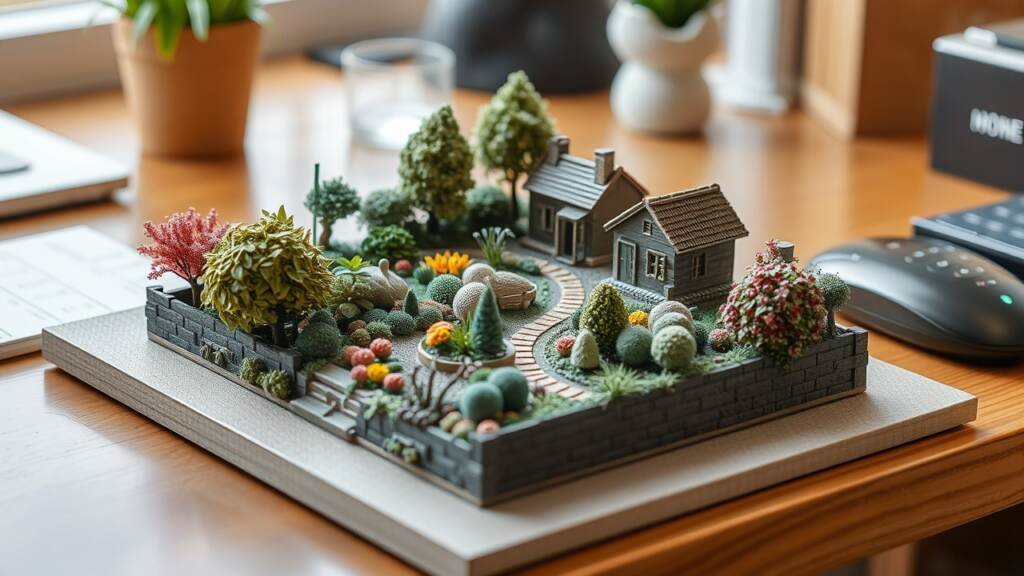
Effective garden layout planning is crucial for creating a vibrant and sustainable flower garden that can beat the heat of summer. Consider the amount of full sun each area receives to ensure you position your plants for hot climates accordingly. Group plants with similar water and sun requirements together to simplify care and maximize growth. Use companion planting to enhance growth and deter pests. Proper layout ensures your garden will thrive in full sun and provide a beautiful display of colorful blooms.
Soil Preparation Tips
Proper soil preparation is vital for healthy plants. Start by testing your soil’s pH and nutrient levels. Amend the soil with compost and organic matter to improve drainage and fertility. For plants that prefer well-drained soil, incorporate sand or gravel. Mulch around your plants to retain moisture and suppress weeds. These steps ensure your plants for hot climates have the best possible start and can thrive in heat and drought.
Planting Techniques for Full Sun
When planting, dig a hole twice as wide as the root ball but no deeper. Gently loosen the roots before placing the plant in the hole. Backfill with soil and water thoroughly. Space your plants according to their mature size to allow for proper air circulation and growth. Consider adding a slow-release fertilizer to provide essential nutrients throughout the growing season. These techniques will help your plants love the heat and flourish in full sun.
Best Plants and Flowers for Full Sun Exposure
Perennial Options: Yarrow and More
Perennials like yarrow are fantastic choices for full sun exposure due to their ability to return year after year, providing consistent beauty with minimal effort. Yarrow, known for its daisy-like flowers, not only tolerates poor soil but also attracts pollinators like butterflies. Other excellent perennial options include coneflowers and daylilies, which thrive in heat and drought, offering long-lasting color and texture to your garden. These plants can store water and are truly drought-tolerant.
Shrubs for Hot Climates: Butterfly Bush and Lantana
For U.S. homeowners seeking shrubs that can handle intense summer heat, butterfly bushes and lantana are excellent choices. Butterfly bushes attract a myriad of pollinators with their vibrant blooms, while lantana offers a continuous display of colorful flowers throughout the summer. Both shrubs are drought-tolerant and thrive in full sun, making them low-maintenance additions to any garden. They also help create a haven for butterflies and hummingbirds, enhancing the environmental benefits of your landscape.
Annual Flowers that Thrive in Summer Heat
Annual flowers such as zinnias and petunias are perfect for adding instant color to your summer flower garden. Zinnias come in a wide array of colors and attract pollinators, while petunias offer a continuous bloom throughout the summer months. These annuals thrive in full sun and well-draining soil, making them ideal for hot climates. Regular deadheading encourages more blooms, ensuring a vibrant display all summer long. The colorful blooms are a must-have in summer.
Cost Guide for Planting Summer Flowers in American Homes
Average Pricing for Plants
The average pricing for plants varies depending on the type, size, and where you purchase them. Here’s a general idea of the cost for some common types:
| Plant Type | Average Price per Plant |
|---|---|
| Annual Flowers | $3 to $10 |
| Perennials and Shrubs | $15 to $50 |
Purchasing plants in bulk or from local nurseries can sometimes reduce costs. Also, consider growing your own plants from seeds to save money and have a wider selection of varieties. These plants for hot climates are easily accessible.
Budgeting for Soil and Mulch
Budgeting for soil and mulch is an essential aspect of planting a summer flower garden. Calculate the amount of soil and mulch needed based on the size of your garden beds to avoid overspending. Investing in good soil and mulch ensures your plants have the best possible start and can thrive in the summer heat. The typical costs are summarized in the table below:
| Material | Typical Cost per Bag |
|---|---|
| High-Quality Garden Soil Mix | $10 to $20 |
| Mulch | $5 to $15 |
Labor Costs for Landscaping Services
If you choose to hire landscaping services, labor costs can vary depending on the scope of the project and your location in the U.S. Here’s a general idea of potential costs:
| Project Type | Estimated Cost |
|---|---|
| Simple Planting Projects | $50 – $150 per hour |
| Extensive Landscaping | $500 – Several thousand dollars |
Obtain multiple quotes from local landscaping professionals to compare prices and services. Consider the long-term benefits of professional installation, such as proper plant placement and efficient watering systems.
Before and After: Real Examples of Successful Summer Gardens
Case Study: Transforming a Dull Yard
Witness the transformation of a once-lackluster yard into a vibrant oasis. Before, the space was uninspiring with minimal greenery. After incorporating a selection of heat-tolerant plants, drought-tolerant succulents, and colorful blooms, the yard now bursts with life and color. This transformation showcases how the best plants for hot climates can revitalize any outdoor space, even in full sun and heat, creating an inviting environment.
Visual Inspiration from Local Landscapes
Seek visual inspiration from local landscapes that thrive in hot climates. Observe how neighbors use plants for hot climates to create stunning gardens that love the heat. Notice the use of drought-tolerant perennials, evergreen shrubs, and annual flowers that thrive in full sun and well-draining soil. Document successful plant combinations and design elements to replicate in your own garden, ensuring a beautiful and sustainable landscape.
Testimonials from Homeowners
Hear from homeowners who have successfully transformed their yards with plants for hot climates. Discover which drought-tolerant varieties they recommend and how they manage their gardens in extreme heat. Learn about their experiences with attracting pollinators and the low-maintenance strategies they employ. These testimonials offer valuable insights and practical advice for creating your own thriving summer flower garden that can beat the heat and humidity.
Tips from Landscaping Professionals

Expert Advice on Plant Selection
Landscaping professionals recommend selecting a mix of heat-tolerant plants, including perennials, shrubs, and annual flowers, to provide continuous blooms throughout the summer. They advise considering factors like soil type, sun exposure, and water requirements when choosing plants for hot climates. Look for varieties that are known for their drought tolerance and ability to thrive in full sun and heat. Expert selection ensures a vibrant and sustainable garden.
Maintenance Tips for a Flourishing Garden
To maintain a flourishing garden, landscaping experts recommend regular deadheading to encourage more colorful blooms, proper watering techniques to prevent over or underwatering, and mulching to retain moisture and suppress weeds. They also suggest fertilizing plants for hot climates with a slow-release fertilizer to provide essential nutrients. Regular maintenance ensures your garden stays healthy, vibrant, and beautiful throughout the hot weather.
Seasonal Care Recommendations
Landscaping professionals advise adjusting your care routine based on the season. In the peak of summer, focus on providing adequate water and protecting plants from intense sun and heat. As temperatures cool, reduce watering and prepare plants for dormancy. Prune shrubs and perennials to encourage new growth in the spring. Seasonal care ensures your plants thrive year-round and adapt to changing environmental conditions.
FAQs about Summer Flower Gardens in Hot Climates
What are the best heat-tolerant flowers?
The best heat-tolerant flowers include lantana, zinnias, yarrow, and coneflowers. These plants are known for their ability to thrive in full sun and heat, providing colorful blooms throughout the summer. They are also drought-tolerant, requiring minimal watering once established. These flowers love the heat and attract pollinators, making them ideal for hot climates and ensuring a vibrant garden.
How often should I water my summer garden?
Watering frequency depends on the specific plants and soil conditions. Drought-tolerant plants for hot climates typically need watering only once or twice a week, while others may require more frequent irrigation. Check the soil moisture before watering and adjust accordingly. Water deeply to encourage strong root growth. Consider using a soaker hose or drip irrigation system to conserve water.
Can I mix different types of plants?
Yes, you can mix different types of plants, but consider their individual needs. Combine perennials, shrubs, and annual flowers with similar sun and water requirements. Ensure adequate spacing between plants to allow for proper air circulation and growth. Companion planting can also enhance growth and deter pests. Mixing different plants adds visual interest and biodiversity to your garden.