Importance of Choosing the Right Plants
Choosing the right plants is fundamental to successful landscape design. Selecting plants that are well-suited to your local climate and soil type ensures they thrive, reducing the need for excessive maintenance and resources. The right plant selection creates a visually appealing garden and supports local ecosystems by attracting pollinators and providing habitats for beneficial insects. Ultimately, choosing plants that are well-suited to the environment minimizes the risk of pest infestations and diseases, leading to a healthier and more sustainable garden.
Elements of Successful Landscape Design
Successful landscape design involves several key elements, including understanding the principles of design like balance, proportion, and color harmony. A well-designed landscape considers the mature size and shape of trees and shrubs, ensuring they fit harmoniously within the available space. Plant selection plays a crucial role, as choosing the right plants for your garden ensures year-round interest through varying textures, colors, and bloom times. Effective landscape design creates a cohesive and visually appealing outdoor space that complements your home and lifestyle.
Assessing Your Garden’s Microclimate
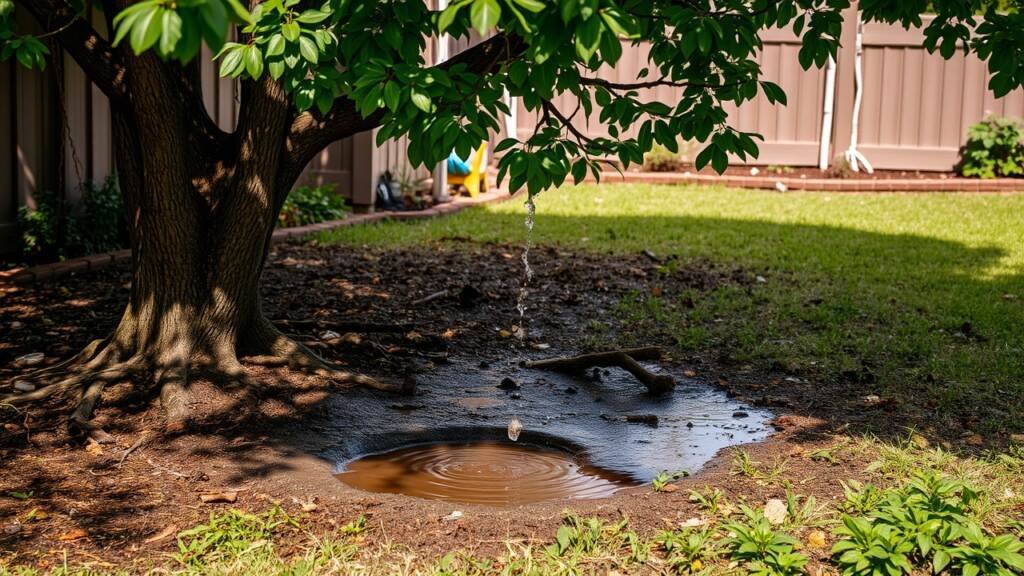
Understanding your garden’s microclimate is essential for selecting the right plants. Microclimates are small areas within your garden that have different environmental conditions, such as varying levels of full sun, partial shade, and wind exposure. Assessing your garden’s microclimate involves observing how sunlight and shade patterns change throughout the day and seasons. Consider the soil type and drainage in different areas, as certain plants prefer well-drained soil, while others thrive in moist conditions. By carefully assessing your garden’s microclimate, you can choose plants that are well-suited to their specific locations, promoting healthy growth and reducing the need for constant adjustments.
Choosing the Right Plants for Your Garden
Best Native Plants for Your Region
When you’re selecting plants for your garden, consider the significant benefits of native plant species. Choosing plants that are indigenous to your hardiness zone ensures they are naturally adapted to the local climate, soil type, and environmental conditions. These plants that thrive require less maintenance, as they are resistant to local pests and diseases, thus minimizing the need for pesticides and fertilizers. Plant selection with native plants also supports local ecosystems by providing food and shelter for pollinator species and other wildlife, which leads to a healthier and more sustainable landscape.
Drought-Tolerant Plants for Sustainable Landscaping
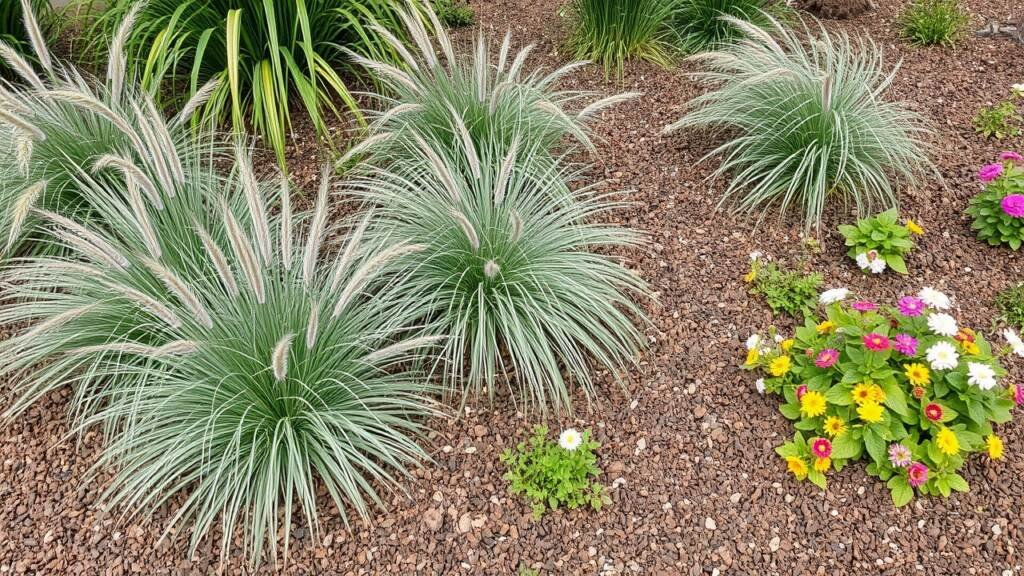
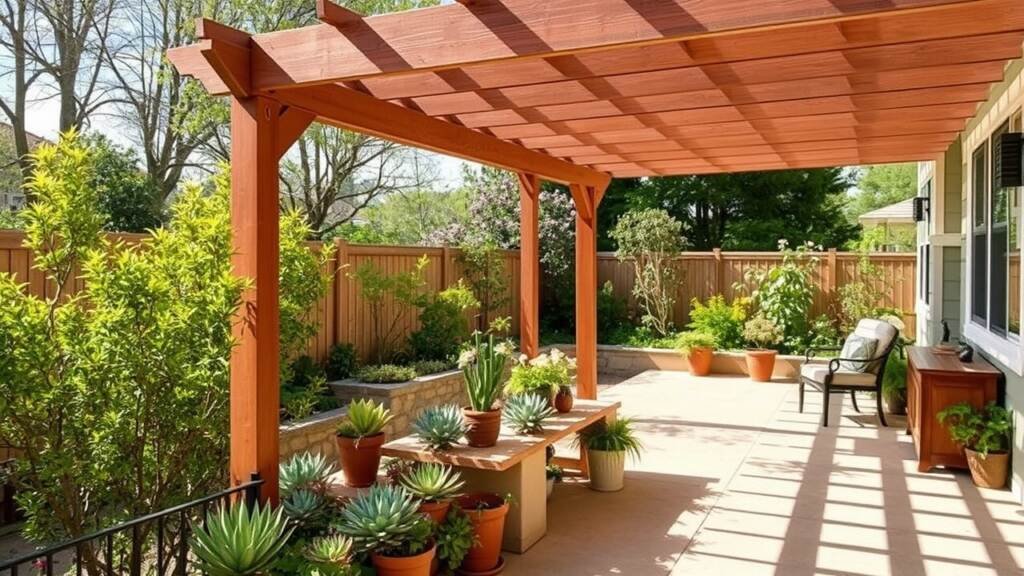
For sustainable landscape design, choosing your plants with drought-tolerant species is a smart decision, especially in regions with water restrictions or dry climates. Choosing drought-tolerant species is a smart decision for sustainable landscape design. These plants that are well-suited to arid conditions have adaptations such as deep root systems or succulent leaves that enable them to store water and withstand prolonged periods of drought. By choosing the right drought-tolerant plants for your garden, you can significantly reduce your water needs, conserve resources, and create a low-maintenance garden that remains lush and vibrant even during the driest months, making them the best plants for water-wise landscape.
Shade Plants: Enhancing Low-Light Areas
Enhance low-light areas of your garden by selecting the right plants that thrive in partial shade or full shade conditions. Many types of plants actually prefer shaded environments, where they are protected from intense sunlight, which can scorch their leaves. Choose plants with lush foliage and vibrant colors to add visual interest to darker corners of your landscape. Effective plant selection for shady spots can transform these areas into inviting, verdant spaces that complement the overall beauty of your garden, so choose plants that are well-suited for success.
Designing a Cohesive Landscape
Combining Shrubs and Perennials
Combining shrubs and perennials is essential in creating a balanced and visually appealing landscape. Combining shrubs and perennials is essential in creating a balanced and visually appealing landscape. Choosing the right plants involves selecting shrubs that provide structure and year-round interest, while perennials offer seasonal color and texture. Consider the mature size and shape of both shrubs and perennials to ensure they complement each other and the overall design of your garden. Proper plant selection with a mix of shrubs and perennials will add depth and create a dynamic garden space that plants thrive in.
Creating Visual Interest with Plant Selection
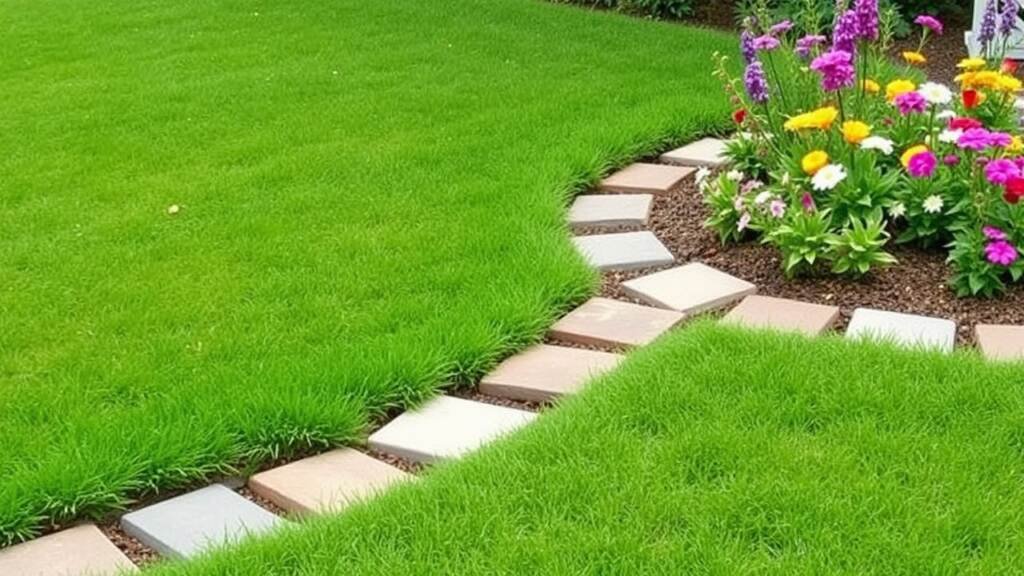
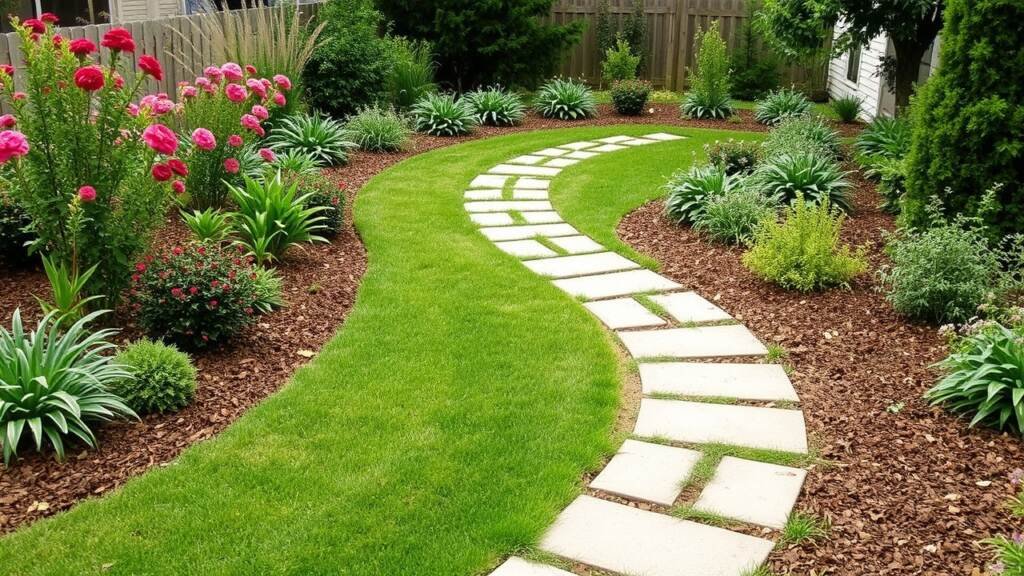
To create visual interest, focus on strategic plant selection by incorporating a variety of plants with diverse forms, colors, and textures. Incorporate a variety of plants with diverse forms, colors, and textures to create visual interest. Choosing the right plants that offer contrasting foliage, such as pairing plants with large, bold leaves alongside those with fine, delicate textures, can significantly enhance the visual appeal of your garden. Consider bloom times to ensure a continuous display of flowers throughout the seasons. By carefully selecting plants with varying heights and growth habits, you can create layers and focal points that draw the eye and make your landscape more engaging, allowing plants grow beautifully.
Layering Plants for Depth and Texture
Layering plants is a technique that adds depth and texture to your landscape, creating a more immersive and visually appealing garden. Layering plants adds depth and texture to your landscape. Choose plants that are well-suited for each layer, placing taller trees and shrubs at the back, medium-sized shrubs and perennials in the middle, and low-growing groundcovers or perennials in the front. This arrangement not only adds depth but also creates a sense of dimension and perspective. When selecting plants, consider their foliage texture and color to create interesting contrasts and focal points throughout the garden that plants like.
Maintenance Tips for Your Landscape
Routine Care for Your Chosen Plants
Routine care is essential to ensure the plants thrive and maintain the health and beauty of your landscape. Several practices contribute to this, including:
- Regular watering, especially during dry periods, which helps plants establish strong root systems and prevents stress.
- Mulching around the base of plants helps retain moisture, suppress weeds, and regulate soil type temperature.
Pruning trees and shrubs at the appropriate time of year promotes healthy growth, removes dead or diseased branches, and maintains their desired shape. Regular fertilization provides essential nutrients that support vigorous growth and abundant blooming. By following these routine care practices, you can ensure that your plants remain healthy and vibrant.
Seasonal Maintenance Strategies
Seasonal maintenance strategies are crucial for adapting to the changing needs of your garden throughout the year. For example, spring and summer maintenance involve distinct activities, such as:
- Fertilizing trees and shrubs to encourage new growth and preparing planting beds for annuals and perennials in the spring.
- Regular watering, deadheading spent flowers to prolong bloom times, and monitoring for pests or diseases in the summer.
Fall is the time to prepare your garden for winter by mulching plants, planting spring-blooming bulbs, and protecting tender plants from frost. Winter maintenance includes pruning dormant trees and shrubs, protecting plants from heavy snow or ice, and planning for the upcoming growing season. These seasonal tasks will keep your landscape healthy and beautiful year-round.
Identifying and Managing Plant Health Issues
Identifying and managing plant health issues is crucial for maintaining a thriving landscape. Regularly inspect your plants for telltale signs. These signs might include:
- Spots, wilting, or discoloration, which can indicate disease.
- Chewed leaves or visible insects, which suggest pest infestations.
Early detection allows for prompt treatment, preventing the spread of problems. Use appropriate methods to control pests and diseases, such as insecticidal soaps, horticultural oils, or fungicides, following label instructions carefully. Promote overall plant health by ensuring proper watering, fertilization, and pruning practices. By staying vigilant and addressing issues promptly, you can minimize damage and maintain a healthy, vibrant garden.
Showcasing Successful Projects
Case Studies of Garden Transformations
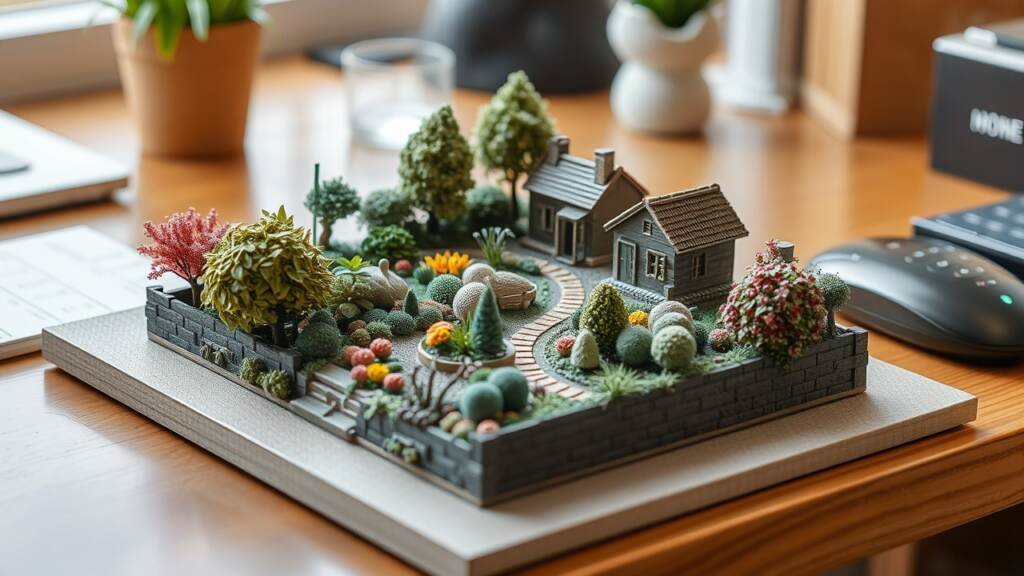
Our landscape design expertise shines through in numerous garden transformations. Our landscape design expertise shines through in numerous garden transformations. We take pride in our ability to take our understanding of our client’s microclimate and turn it into the best plants and shrubs that make their landscape design unique to them. From concept to completion, we work closely with homeowners to bring their vision to life, carefully selecting the right plants and shrubs to create stunning outdoor spaces. Each project is a testament to our commitment to quality and customer satisfaction, showcasing our passion for landscape design.
Client Testimonials and Experiences
Nothing speaks louder than the voices of our satisfied clients. We value the feedback we receive and are proud to share the experiences of homeowners who have entrusted us with their landscape dreams. Our clients often commend our attention to detail, professionalism, and ability to choose plants that are not only beautiful but also perfectly suited to their garden’s conditions. Their testimonials highlight the value we bring to each project, solidifying our reputation as a trusted landscape partner.
Before and After: Visuals of Our Work
Witness the dramatic impact of our landscape transformations through our captivating before-and-after visuals. Thoughtful landscape design and careful plant selection can make a remarkable difference. These images showcase the remarkable difference that thoughtful landscape design and careful plant selection can make. From overgrown and uninviting yards to meticulously manicured and vibrant gardens, our portfolio demonstrates our ability to choose plants that unlock the full potential of any outdoor space. Let these visuals inspire you to envision the possibilities for your own landscape and garden.
Get Started with Your Landscape Design
Contact Us for a Free Consultation
Ready to transform your outdoor space into a stunning garden oasis? Contact Destiny Landscape today to schedule your free consultation. Our experienced designers will visit your property to assess your needs, discuss your vision, and provide expert guidance on plant selection and landscape design options. During the consultation, we’ll answer all your questions, address any concerns, and provide you with a clear understanding of how we can help you achieve your landscape goals, while selecting the right plants.
View Our Portfolio of Successful Projects
Explore our extensive portfolio of successful landscape projects to gather inspiration and see the quality of our workmanship. From lush residential gardens to inviting commercial landscapes, our portfolio showcases our diverse design capabilities and our commitment to exceeding client expectations. Browse through a variety of styles and plant selection to spark your imagination and discover the possibilities for your own outdoor space. Let our portfolio serve as a testament to our expertise and passion for creating beautiful, functional landscape designs.
Request a Quote for Your Landscape Project
Eager to know the cost of your dream landscape? Request a quote from Destiny Landscape today. We provide transparent and detailed estimates that outline the scope of work, materials, and associated costs. Our quotes are tailored to your specific project needs and budget, ensuring that you receive the best possible value for your investment. We want to ensure that when choosing your plants, the soil type and overall landscape design are perfectly suited for your needs so that plants thrive.
- 15 outdoor lighting ideas that are easy and quick to install
- Small Backyard Landscape Ideas: Garden Design for Small Yards
- How to Design a Backyard Patio that Adds Value to Your Home
- Why professional paver installation ensures long-term durability in henderson
- Driveway pavers boost curb appeal transform your summerlin south home’s first impression