
Congratulations on your new landscape! At Destiny Landscape, we understand that the key to a thriving lawn lies in meticulous post-installation lawn care. This complete guide provides homeowners with essential steps to ensure your new sod or seeding establishes successfully, setting the stage for a beautiful lawn year-round. Our team is ready to help you with landscaping needs.
Why Post-Installation Lawn Care Matters
Effective post-installation lawn care is essential for the long-term success and health of your new landscape. Proper care is crucial for root establishment, ensuring the grass takes hold and thrives in its new environment. Failing to provide adequate care early on can lead to costly problems down the line, impacting your yard and curb appeal.
Understanding root establishment and soil settling
Root establishment is the critical process where new sod or seeding develops a strong network of roots into the soil, and this process ensures that the plant can draw water and nutrients efficiently. Soil settling naturally occurs as the ground compacts, filling in air pockets. Proper watering and light aeration help facilitate both, ensuring a stable, healthy foundation for your lawn.
Common mistakes new homeowners make
Many homeowners unknowingly hinder their new lawn’s progress by making common lawn care mistakes. Specifically, these mistakes often involve:
- Overwatering or underwatering,
- Improper mowing techniques, and
- Neglecting fertilization.
Understanding these potential issues is the first step in preventing them and ensuring the health of your landscape. Our care services help you maintain a beautiful lawn.
Setting expectations for the first 12 weeks
The first 12 weeks are crucial for your new lawn’s establishment. Expect to dedicate time to consistent watering and careful monitoring. Grass may appear stressed at times, but with proper care, it should gradually become more resilient. Patience and diligence during this period are key for a healthy and beautiful lawn year-round.
The First 14 Days — Establishing Moisture and Root Stability

The initial two weeks are crucial for establishing moisture and ensuring the root stability of your new lawn. This is a critical period for new sod or seeding, requiring careful attention to detail to promote strong root development and prevent common issues. With diligent care and a keen eye, you can set the stage for a thriving outdoor space.
Watering schedule for newly installed sod or seeded lawns
A consistent watering schedule is essential for new sod or seeded lawns. Initially, water frequently but lightly to keep the soil consistently moist, but not waterlogged. Adjust the schedule based on weather conditions, reducing frequency as the roots establish. The goal is to encourage deep root growth for a healthy and beautiful lawn year-round.
Avoiding soil compaction and foot traffic
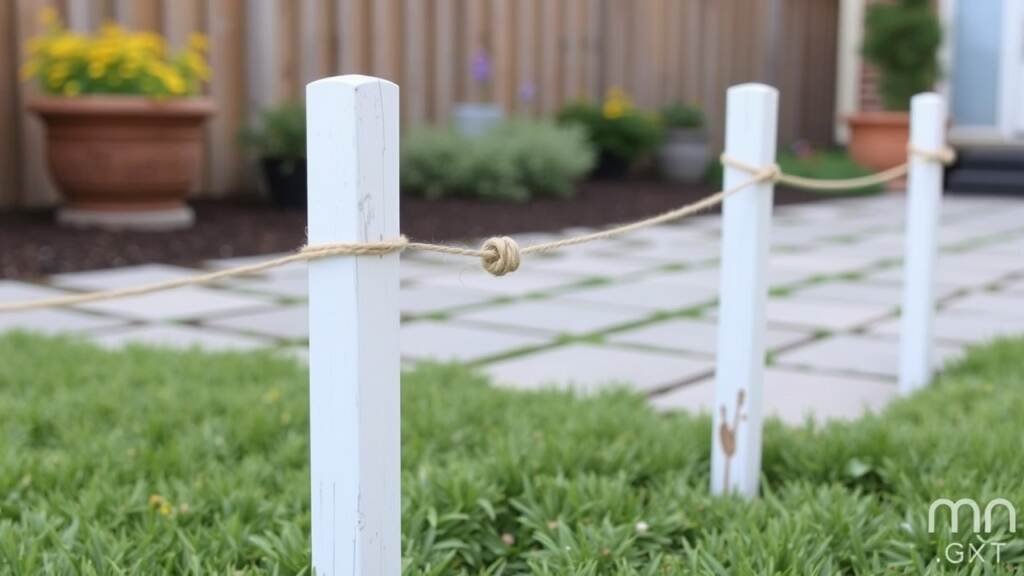
Soil compaction can significantly hinder root development. Avoid walking on the new lawn as much as possible during the first few weeks. If necessary, use planks to distribute weight. This preventative measure helps maintain soil structure, allowing for better aeration and water penetration, which are vital for healthy landscape.
Signs of healthy vs. stressed turf
Healthy turf exhibits a vibrant green color, with blades standing upright and firm. Stressed turf may appear yellow or brown, with wilted or flattened blades. Dry patches, weed infestations, or slow growth are also signs of stress. Early detection allows for prompt corrective action to restore your lawn’s health.
Weeks 3–6 — First Maintenance Steps

Here’s how to think about landscape maintenance services as your lawn moves from establishment to early growth, specifically during weeks 3-6. Certain key actions gain importance during this period:
- Mowing for the first time.
- Providing early nutrient support.
- Potentially performing light aeration.
These steps will help ensure a healthy and beautiful lawn in the long term.
When and how to perform the first mow
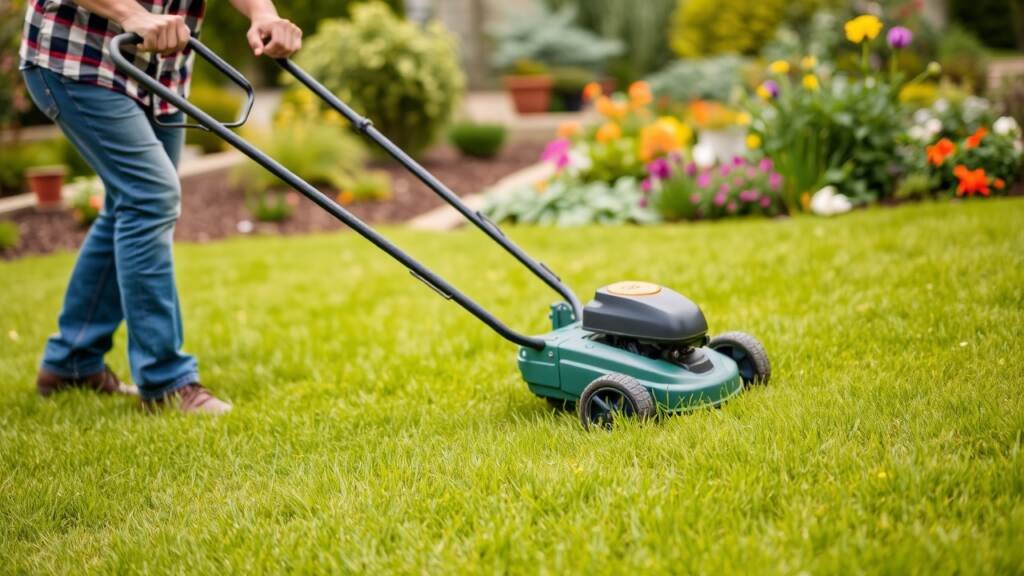
The first mow should occur when the grass reaches a height of about 3-4 inches. Use a sharp mower blade and set the cutting height to about 2-2.5 inches, removing no more than one-third of the blade length. This practice encourages healthy growth and prevents stress on the new turf.
Early nutrient support with starter fertilizer
Applying a starter fertilizer provides essential nutrients to support early root development and healthy growth. Choose a fertilizer specifically formulated for new lawns, following the application instructions carefully. Proper fertilization ensures that the new grass receives the necessary boost for a strong start in establishing a beautiful lawn.
Light aeration only if required
Light aeration can improve soil drainage and airflow, but it’s only necessary if you notice signs of compaction. Use a lightweight aerator to create small holes in the soil. This helps improve water and nutrient penetration, promoting healthier root growth and overall lawn health.
Long-Term Care After Installation (Months 2–12)
After the initial weeks of intensive care, the focus shifts to long-term landscape maintenance services, and this extends from months 2 to 12. This phase involves making seasonal adjustments to your lawn care routine to accommodate changing weather conditions. Continue to monitor plant health and address any emerging issues to maintain a beautiful lawn.
Seasonal care adjustments
As the seasons change, so should your lawn care practices. In the spring, focus on promoting new growth with fertilization and aeration. During the hot summer months, adjust your irrigation system to prevent drought stress. Fall is the time for overseeding thin areas and preparing your lawn for winter dormancy, and this promotes healthy growth.
Transitioning to a regular fertilization program
Transitioning to a regular fertilization program is crucial for long-term landscape health. After the initial starter fertilizer, switch to a balanced fertilizer that provides essential nutrients throughout the growing season. Follow a schedule based on your grass type and local climate to maintain a beautiful lawn and achieve your landscaping needs.
When to begin weed control safely
Weed control should be approached cautiously in the early months. Avoid harsh chemicals that could harm the new grass. Once the lawn is established, you can begin using pre-emergent herbicides to prevent weed growth and post-emergent herbicides to tackle existing weeds. Always follow product instructions carefully and consider professional landscaping help.
Professional Techniques for Strong Turf Development

Achieving a truly outstanding lawn requires professional techniques that go beyond basic landscape maintenance services. These advanced strategies focus on improving soil health, enhancing turf density, and ensuring long-term resilience. By implementing these techniques, you can transform your yard into a showcase of plant health and beauty.
Deep aeration timing
Deep aeration involves removing soil plugs to alleviate compaction and improve air and water movement. The best time for deep aeration is during the active growing season, typically in the spring or fall. This allows the grass to recover quickly and benefit from the improved soil conditions promoting a healthy landscape.
Overseeding thin areas
Overseeding is the process of spreading grass seed over existing turf to fill in bare or thin spots. This helps to increase lawn density and improve its overall appearance. Choose a seed type that matches your existing grass and overseed in the fall for best results. This will enhance your curb appeal and plant health creating a beautiful lawn.
Managing soil health
Soil health is the foundation of a thriving lawn. Regularly test your soil to determine its pH level and nutrient content. Amend the soil with organic matter like compost to improve its structure and fertility. Healthy soil supports strong root growth, which leads to a resilient and beautiful lawn.
Common Issues After Installation & How to Fix Them
Even with the best care, new lawns can encounter issues during the establishment phase. Addressing these problems promptly is crucial to prevent long-term damage and maintain a healthy and beautiful lawn. Being proactive and informed will help you tackle challenges and keep your turf thriving. Our care services are here to help you.
Addressing dry spots
Dry spots can indicate uneven watering or compacted soil. Check your irrigation system to ensure adequate coverage. Aerate the affected areas and apply a soil conditioner to improve water retention. Water deeply and regularly to encourage root growth and alleviate drought stress. Our team is ready to help with any landscaping needs you may have.
Fixing sod lines separating
Sod lines separating can occur if the sod dries out before the roots establish. Water the affected areas thoroughly to encourage root growth. You can also add a layer of topsoil to fill in the gaps. In severe cases, you may need to replace the separating sod with new pieces of healthy sod.
Dealing with yellowing patches
Yellowing patches can be caused by a variety of factors, including nutrient deficiencies, overwatering, or disease. Test your soil to determine if it lacks essential nutrients. Adjust your watering schedule to avoid waterlogged conditions. If disease is suspected, apply an appropriate fungicide to control the spread. Our landscape maintenance services can keep your lawn green.
Managing compaction
Compaction restricts root growth and water infiltration. Aerate the lawn regularly to alleviate compaction. Use a core aerator to remove soil plugs and improve air and water movement. Consider adding organic matter to the soil to improve its structure and prevent future compaction in your landscape.
Resolving uneven settling
Uneven settling can create an unsightly surface. Fill in low spots with topsoil and reseed or lay sod. Use a roller to level the area and ensure good contact between the soil and the grass. Proper grading during the initial installation can help prevent uneven settling in your lawn.
Maintenance Tools & Products Professionals Use
Types of mowers
Professionals understand the importance of selecting the right mower type for different landscape scenarios. From rotary mowers for general lawn maintenance to reel mowers for a pristine cut on high-end lawns, having the appropriate tool ensures efficiency and optimal turf health. Regular lawn care is a must in order to maintain a beautiful lawn.
Moisture meters for effective care
Effective lawn care demands precision, and moisture meters are crucial for accurately assessing soil moisture levels. These devices prevent overwatering and underwatering, ensuring the grass receives the precise amount of hydration needed for healthy growth and preventing lawn diseases, that way, maintaining a beautiful lawn becomes possible.
Choosing starter fertilizers
Selecting the right starter fertilizer is essential for new sod or seeding. Professionals opt for fertilizers with a high phosphorus content to promote strong root development. A well-chosen fertilizer provides the necessary nutrients for healthy growth, which can contribute to the overall plant health during the critical early stages of establishment and maintain a beautiful lawn year-round.
Sprinkler systems for efficient watering
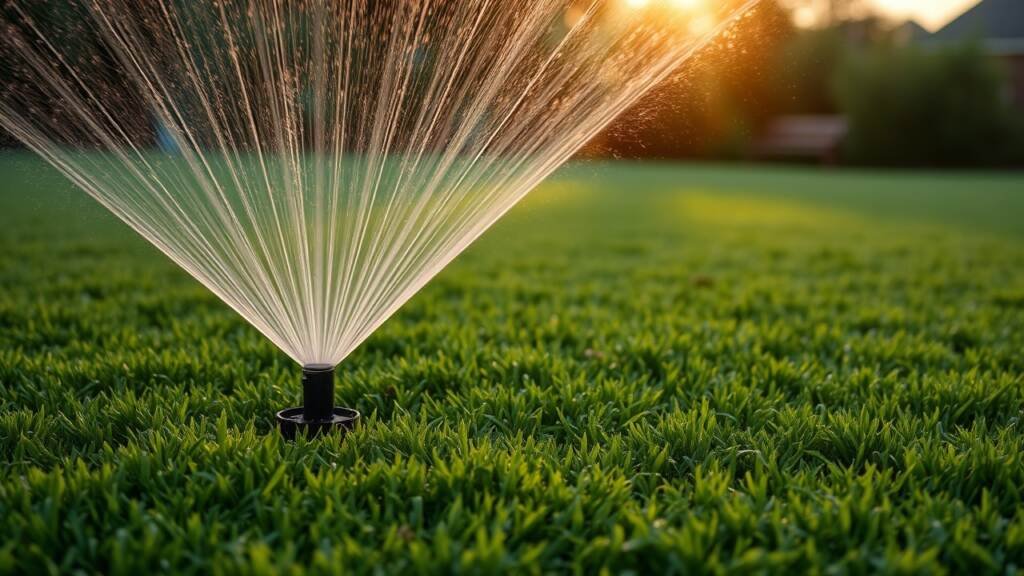
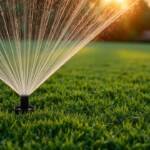
Efficient watering is a cornerstone of professional landscape maintenance. Sprinkler systems, when properly designed and maintained, deliver water evenly and precisely. This ensures that all areas of the lawn receive adequate moisture, preventing dry spots and promoting uniform grass growth in your landscape. Our team is ready to help you with landscaping needs.
Soil conditioners for health
Soil conditioners play a vital role in maintaining plant health. Professionals use a variety of soil conditioners, such as compost, peat moss, and other organic materials, to improve soil structure, drainage, and nutrient retention. Healthy soil leads to a resilient and vibrant lawn. Our care services are here to help you create a healthy landscape.
When to Call a Professional Lawn Care Team

Signs your lawn needs expert intervention
Here are several indicators that your lawn might need professional landscaping help. Specifically, look for these problems:
- Persistent weed infestations.
- Large-scale turf diseases.
- Unexplained yellowing or browning.
- Poor response to standard lawn care practices.
If you notice these, seeking expert help can prevent further damage and restore your landscape.
Benefits of pro maintenance vs. DIY
Professional landscape maintenance offers several advantages over DIY efforts. Experts have the knowledge, experience, and equipment to accurately diagnose and treat lawn problems. Additionally, they can develop a tailored care plan that addresses your lawn’s specific needs, leading to better results and a healthy landscape.
How Destiny Landscape supports long-term lawn health
Destiny Landscape is committed to supporting long-term lawn health. We provide comprehensive lawn care services, including fertilization, weed control, pest control, aeration, and overseeding. Our team of experienced landscapers works closely with homeowners to create customized plans that ensure a beautiful lawn and a healthy landscape year-round.
Call to Action
Ready to keep your new lawn beautiful year-round? Contact Destiny Landscape for personalized post-installation maintenance tailored to your property.
Ready to keep your new lawn beautiful year-round? Contact Destiny Landscape for personalized post-installation landscape maintenance tailored to your property. Our care services team is ready to help you keep your plant health in tip top shape. We are a landscaping company specializing in sod and seeding.
- How retaining walls enhance outdoor space design and functionality in las vegas
- The top january gardening tasks for the pacific northwest
- Top advantages of paver restoration for your outdoor area in summerlin south
- Comprehensive Insights into Choosing a Professional Landscaping Company
- Top 10 Professional Tree Care and Landscaping Services in California