
In the realm of modern landscaping, a new innovation is taking root across the United States, especially in states like California, Texas, Florida, and Arizona. Hybrid grass technology is rapidly transforming how homeowners, architects, and landscaping professionals approach lawn design. This cutting-edge solution blends the best of natural and synthetic elements to create landscapes that are both aesthetically pleasing and incredibly functional.
What Is Hybrid Grass and Why It’s Revolutionizing Landscaping

Hybrid grass is a sophisticated combination of natural grass and synthetic fibers designed to enhance the durability and performance of turf surfaces. Unlike traditional turf, hybrid grass is engineered to withstand heavy foot traffic and demanding weather conditions, making it an ideal choice for both residential and commercial landscapes. The beauty of hybrid systems is that they minimize environmental concerns associated with traditional turf.
The composition of hybrid grass fibers
At the heart of hybrid grass lies its unique composition, typically a combination of natural grass reinforced with synthetic fibers. These fibers, often made of durable polymers, are interwoven with the natural grass to provide additional support and resilience. This innovative approach significantly enhances the durability of the turf, allowing it to withstand heavy use without compromising the feel of natural grass.
Case studies of residential projects
Across the U.S., numerous residential projects are showcasing the benefits of hybrid grass. In California, a homeowner replaced their water-intensive lawn with hybrid turf, resulting in significant water conservation and reduced maintenance. Similarly, in Texas, families are enjoying vibrant, green lawns year-round thanks to the enhanced durability and low-maintenance nature of hybrid grass.
Learn more about 👉 Eco-Friendly Landscaping Ideas for a Sustainable Home Garden.
Key players in hybrid turf systems by 2033
By 2033, the hybrid turf industry will likely see advancements driven by key players focused on innovation. Companies that prioritize sustainable grass solutions and enhanced durability will be at the forefront. We may see Avengrass and similar entities further refining their hybrid systems to minimize environmental concerns and maximize the lifespan of their turf options, creating a hybrid surface that merges seamlessly with traditional turf.
The Science Behind Hybrid Turf Systems

The effectiveness of hybrid turf systems stems from a deep understanding of plant physiology and material science. By integrating natural grass with synthetic grass, these systems create a synergistic effect that enhances both the aesthetic appeal and functional performance of the landscape. The goal is to reduce water usage and the need for fertilization. This combination helps the lawn withstand heavy use and demanding weather conditions, all while minimizing downtime for maintenance.
Understanding hybrid turf technology
Hybrid turf technology involves the strategic integration of natural grass with synthetic elements to create a superior turf surface. This innovative approach addresses many of the limitations associated with traditional natural grass fields and artificial grass, offering a balanced solution that combines the aesthetic appeal and feel of natural grass with the durability and reduced maintenance of synthetic alternatives. The turf surface will withstand heavy foot traffic.
Innovations in irrigation and water management
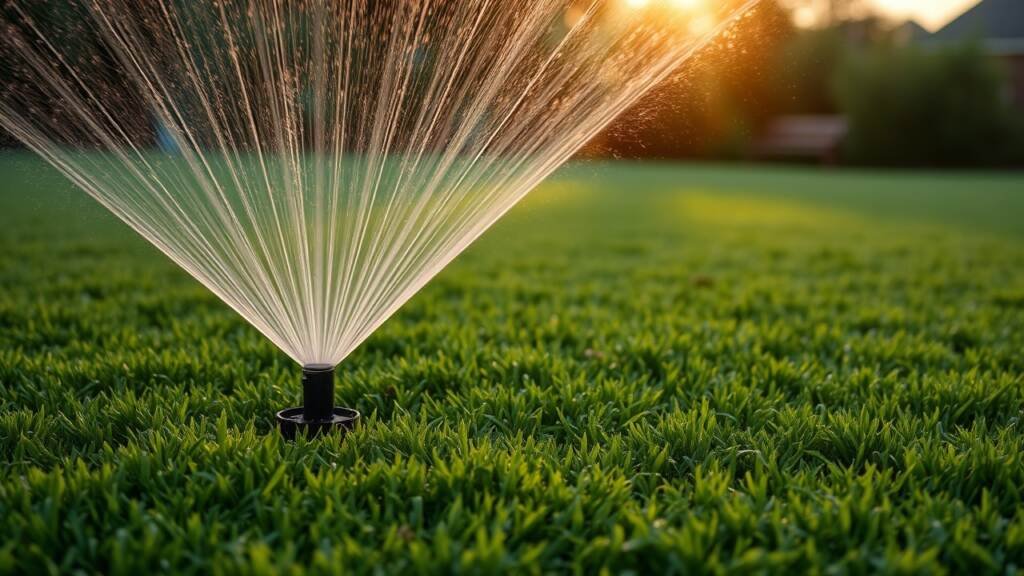
Water conservation is a critical aspect of modern landscaping, and hybrid grass systems are leading the way with innovative irrigation techniques. These systems often incorporate advanced drainage and water retention technologies that minimize water usage while ensuring the grass root remains healthy and vibrant. Less water makes this an eco-friendly solution. This is especially crucial in regions facing water scarcity.
AI trends in hybrid turf development
Artificial intelligence (AI) is poised to revolutionize the development and maintenance of hybrid grass systems. AI-powered sensors and analytics can optimize irrigation, fertilization, and other maintenance practices, ensuring the turf remains healthy and vibrant with minimal environmental impact. AI can also predict potential issues, like disease or wear, allowing for proactive interventions that extend the lifespan of the turf.
Key Benefits of Hybrid Grass in Modern American Yards

Durability and maintenance advantages
One of the primary benefits of adopting hybrid grass in American yards is its exceptional durability. The integration of synthetic fibers with natural grass enhances the turf’s ability to withstand heavy foot traffic and adverse weather conditions. This means less wear and tear, even in high-use areas. Furthermore, hybrid systems often require reduced maintenance compared to traditional turf, saving homeowners time and resources. The blend of natural grass and synthetic grass offers a balanced approach to lawn care.
Eco-friendly lawn solutions for sustainable landscaping
Hybrid turf contributes significantly to eco-friendly lawn solutions by minimizing water usage and the need for fertilization. The robust root systems of hybrid grass require less water than pure grass, and the durability of the synthetic fibers reduces the need for frequent reseeding or chemical treatments. This makes hybrid systems a sustainable option for homeowners looking to reduce their environmental impact, making the transition toward sustainable landscaping even easier.
Hybrid grass vs. artificial turf: A comparison
While both hybrid grass and artificial turf offer benefits over natural grass fields, they cater to different needs. Hybrid grass provides the feel of natural grass while enhancing durability and reducing maintenance, bridging the gap between natural and synthetic. Artificial turf, on the other hand, offers maximum durability and minimal maintenance but lacks the natural feel and cooling properties of hybrid systems, thus creating a distinct difference between the two turf options.
Comparing Hybrid Grass vs. Natural and Artificial Turf

Performance in various climates and landscapes
Hybrid turf systems showcase superior performance across a range of climates and landscapes in the United States. In hotter regions like Arizona and Texas, hybrid grass retains moisture more effectively than natural grass, while in cooler climates, the synthetic fibers help to insulate the grass root and extend the growing season. This adaptability makes hybrid a versatile choice for any landscape.
Cost-effectiveness and long-term investment
While the initial investment in hybrid grass may be higher than that of natural grass, the long-term cost-effectiveness is undeniable. The durability of the hybrid surface translates to less frequent replacement, reduced maintenance costs, and lower water bills. Over time, these savings can offset the initial investment, making hybrid systems a smart choice for homeowners looking for a sustainable and cost-effective landscape solution.
Environmental impact of different turf options
When comparing the environmental impact, hybrid grass strikes a balance between natural and artificial turf. Natural grass requires significant water and fertilization, while artificial turf is made from synthetic materials and can contribute to heat island effects. Hybrid grass minimizes water and chemical usage while retaining a natural look and feel, making it an eco-friendly alternative that reduces environmental concerns while still providing a functional and attractive landscape.
Environmental Impact: How Hybrid Grass Supports Sustainability

Benefits for water conservation and management
One of the most significant environmental benefits of hybrid grass is its contribution to water conservation and management. By combining natural grass with synthetic fibers, hybrid turf systems require significantly less water compared to traditional natural grass fields. This reduction in water usage not only lowers water bills for homeowners but also alleviates pressure on local water resources, making it an eco-friendly choice for sustainable landscaping, particularly in drought-prone regions like California, Texas, and Arizona.
Reducing carbon footprint in landscaping
Hybrid grass helps reduce the carbon footprint in landscaping in several ways. In particular, it achieves this through:
- The reduced need for mowing, which translates to lower emissions from lawn equipment.
- The decreased reliance on chemical fertilizers and pesticides, minimizing the production and transportation of these environmentally harmful substances.
Furthermore, the durability and extended lifespan of hybrid turf mean less frequent replacement, reducing waste and energy consumption associated with manufacturing and installing new turf.
Case studies on sustainable landscaping with hybrid grass
Numerous case studies highlight the effectiveness of hybrid turf in promoting sustainable landscaping. For instance, several sports facilities have successfully implemented hybrid systems, resulting in substantial water savings and reduced chemical usage. Similarly, residential projects that have switched to hybrid grass have reported significant reductions in water bills and maintenance costs. These examples demonstrate the tangible benefits of hybrid grass in creating environmentally responsible landscapes.
Where Hybrid Grass Works Best: From Homes to Sports Fields

Applications in residential areas
Hybrid grass is an excellent choice for a variety of residential applications. Homeowners find it particularly useful in several areas:
- Lawns and gardens, due to its lush appearance and feel of natural grass which enhances curb appeal.
- Pet areas, as the combination of natural grass and synthetic fibers makes it resistant to wear and tear.
- High-traffic zones, thanks to its durability.
Its low-maintenance qualities are also very appealing, making it an ideal surface for any lawn.
Utilization in stadiums and sports venues
Hybrid grass is widely utilized in stadiums and sports venues across the United States and globally. Its enhanced durability and playability make it an ideal surface for high-intensity sports like soccer, football, and baseball. The hybrid systems can withstand heavy foot traffic and provide a consistent playing surface, reducing the risk of injuries. This makes it a popular choice for professional and amateur sports facilities.
Examples from cricket and club world cup venues
Hybrid grass has gained popularity in cricket and Club World Cup venues due to its exceptional durability and playability. These high-profile events demand a consistent and resilient turf surface that can withstand intense use. Hybrid systems provide excellent traction and shock absorption, enhancing player performance and safety. The integration of natural grass with synthetic fibers ensures that the surface remains in top condition throughout the tournament, reducing downtime for repairs.
How Destiny Landscape Integrates Hybrid Grass into Smart Landscape Design
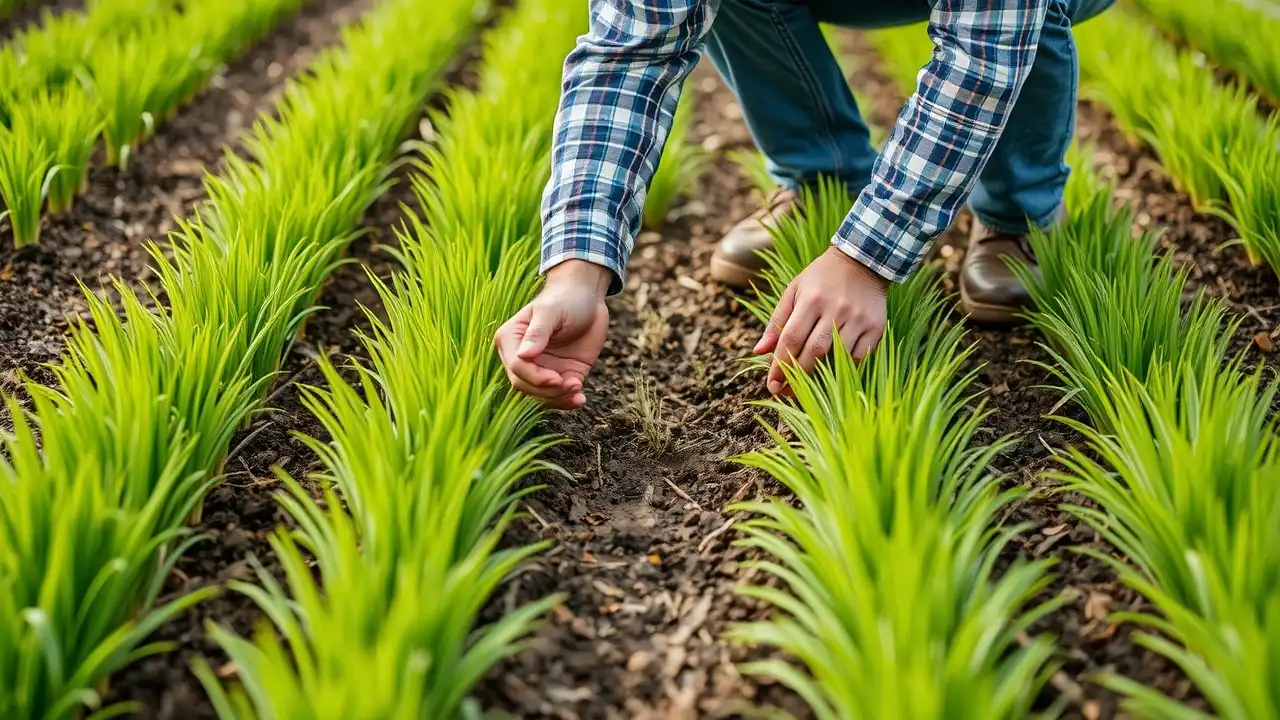
Innovative design strategies for modern gardens
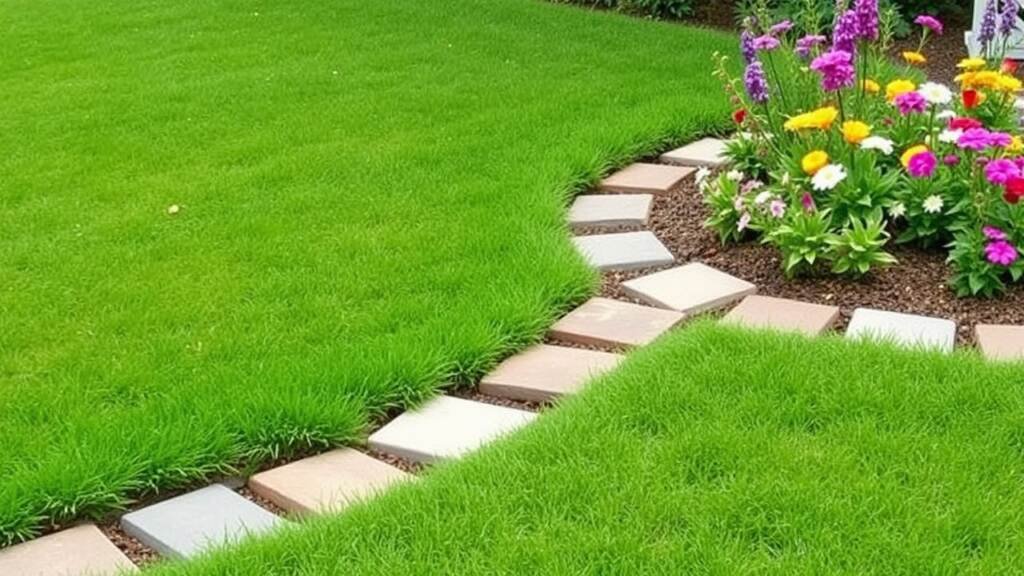
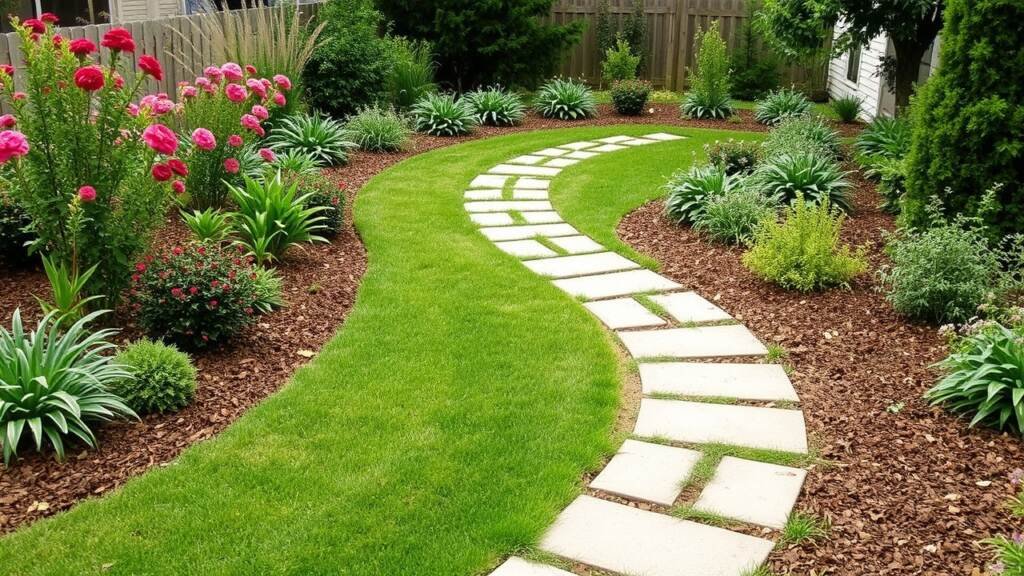
Destiny Landscape employs innovative design strategies to seamlessly integrate hybrid grass into modern gardens. By carefully considering the specific needs and aesthetic preferences of each client, we create custom landscape designs that maximize the benefits of hybrid turf. Our approach combines the beauty of natural grass with the durability and low-maintenance advantages of synthetic fibers, resulting in stunning and sustainable outdoor spaces.
Year-round maintenance tips for hybrid grass
Maintaining hybrid grass requires a strategic approach to ensure its longevity and aesthetic appeal. Several key maintenance tasks are important:
- Regular brushing helps to keep the synthetic fibers upright.
- Occasional aeration improves drainage and promotes healthy root growth.
Furthermore, fertilization should be minimized to avoid excessive thatch buildup, and it’s key to ensure proper hydration.
Learn more about 👉 Year-Round Lawn Care Schedule: Seasonal Tips for Every Home.
Collaboration with architects and landscaping professionals
Destiny Landscape actively collaborates with architects and landscaping professionals to incorporate hybrid grass into a wide range of projects. By working closely with these experts, we ensure that hybrid turf is seamlessly integrated into the overall design, enhancing both the functionality and aesthetics of the landscape. Our collaborative approach allows us to deliver innovative and sustainable solutions that meet the unique needs of each project.
Interested in upgrading your outdoor space with the latest hybrid grass technology? 🌿 Contact Destiny Landscape today to explore sustainable, modern solutions that blend nature and innovation seamlessly.