California’s diverse climate, from the foggy coasts to the arid deserts, presents unique landscaping challenges and opportunities. Selecting the right plants is crucial for creating sustainable and thriving outdoor spaces. As California-based landscaping experts, Destiny Landscape understands these nuances, helping homeowners cultivate beautiful, water-wise gardens perfectly suited to their local environments. In this guide, you’ll discover the best plants for your specific California climate zone, ensuring a landscape that flourishes year-round.
Understanding California’s Climate Zones

Main Climate Zones Overview
California boasts a remarkable range of climate zones, each with distinct characteristics that influence plant selection. These zones generally fall into four main categories: Coastal, Inland, Desert, and Mountain. Understanding these zones is key to successful landscaping in California. Each zone presents unique challenges and opportunities for gardeners and landscape designers alike.
Temperature and Rainfall Characteristics
The Coastal zone experiences mild temperatures, high humidity, and frequent fog, while the Inland valleys endure hot, dry summers and cool, wet winters. The Desert regions face intense sunlight, extreme heat, and minimal rainfall, requiring resilient plants. Finally, the Mountain areas contend with cold winters, dry summers, and often rocky soils. These temperature and rainfall variations necessitate careful plant selection tailored to each zone’s specific conditions.
Zone Summary Table
To help you quickly understand the climate zones, here’s a summary:
| Zone | Example Cities | Key Traits | Ideal Plant Type |
|---|---|---|---|
| Coastal | San Diego, Monterey | Mild, humid, salty air | Succulents, palms |
| Inland | Sacramento, Fresno | Hot summers, cool winters | Drought-tolerant shrubs |
| Desert | Palm Springs | Extreme heat, low rainfall | Cacti, agave, desert trees |
| Mountain | Lake Tahoe | Cold winters, dry summers | Pines, hardy perennials |
At Destiny Landscape, understanding your microclimate is the foundation of every successful design, ensuring that the chosen plants thrive in your specific location.
Best Plants for California’s Coastal Zones

California’s coastal zones are defined by their mild temperatures, frequent fog, and salty breezes. These conditions require plants that are resilient to salt spray and can thrive in humid environments. Choosing the right plants ensures a vibrant and sustainable coastal landscape. The coastal environment is truly unique, demanding careful consideration when selecting plant species.
California Lilac (Ceanothus)
California Lilac (Ceanothus) is a native plant that adds vibrant color to landscaping and supports local ecosystems. Key characteristics are summarized below:
| Characteristic | Details |
|---|---|
| Growing Conditions | Thrives in full sun and requires well-drained soil. |
| Tolerance | Exceptionally drought-tolerant once established. |
| Plant Type | Shrub |
This beautiful shrub bursts into bloom with masses of blue flowers, attracting pollinators like butterflies and hummingbirds. As a California native, it’s well-suited to the coastal climate.
Agapanthus (Lily of the Nile)
Agapanthus, also known as Lily of the Nile, is a beautiful perennial that adds vertical interest to any landscape. It thrives in coastal conditions, particularly tolerating fog and even poor soil. Here’s a summary of some key features:
| Feature | Details |
|---|---|
| Flower Color | Blue (also available in white) |
| Sunlight | Prefers full sun, tolerates partial shade |
Agapanthus is a relatively drought-tolerant plant once established, making it a great addition to a sustainable garden.
Ice Plant (Delosperma)
Ice Plant (Delosperma) is an excellent ground cover option for coastal gardens. Its succulent foliage is highly salt-tolerant, making it perfect for seaside locations. This drought-tolerant plant comes in a variety of vibrant colors, providing a colorful carpet that helps prevent soil erosion. Ice plant loves the heat and thrives in full sun, forming a dense mat that suppresses weeds. Its resilience and low maintenance make it a popular choice for landscaping in California.
New Zealand Flax (Phormium)
New Zealand Flax (Phormium) brings strong texture and a variety of colors to the coastal landscape. This perennial isn’t a California native, but it is known for its architectural foliage and ability to withstand salty air and wind. Phormium offers a diverse range of cultivars, from compact varieties to towering specimens, in shades of green, bronze, red, and variegated patterns. Plant it in well-drained soil and full sun for best results. It is a truly resilient plant that elevates the aesthetic of any California garden.
Best Plants for California’s Inland Valleys

The Inland Valleys of California are characterized by hot, dry summers and cool, wet winters, requiring plants that can handle significant temperature fluctuations and periods of drought. The key to successful landscaping in this region is to choose plants that are not only beautiful but also adapted to these specific climate challenges. A sustainable garden in the Inland Valleys relies on drought-tolerant plants and smart water management.
Lavender
Lavender is a fragrant and beautiful addition to any Inland Valley garden. This drought-tolerant shrub thrives in full sun and well-drained soil. Its aromatic foliage and vibrant blue flowers attract pollinators like butterflies and bees. Lavender is relatively low-maintenance once established, making it ideal for sustainable landscaping. Furthermore, lavender is a resilient choice that can withstand the heat of the Inland Valleys, making it a favorite of many gardeners.
Manzanita
Manzanita is a California native shrub prized for its sculptural bark and evergreen foliage. As a native plant, it is exceptionally drought-tolerant once established and well-suited to the Inland Valley climate. Manzanita provides year-round interest with its reddish bark and delicate flowers that bloom in late winter or early spring. It prefers full sun and well-drained soil, showcasing that using native plants in your California landscape supports local ecosystems and reduces water consumption.
Rosemary
Rosemary is a versatile and aromatic herb that thrives in the Inland Valleys. This drought-tolerant plant is easy to grow and requires minimal water once established. Its evergreen foliage provides year-round interest, and its fragrant leaves can be used in cooking. Rosemary prefers full sun and well-drained soil, making it a perfect addition to a Mediterranean-style garden. Incorporating rosemary into your landscape offers both beauty and utility, making it a practical and aesthetically pleasing choice.
Ornamental Grasses
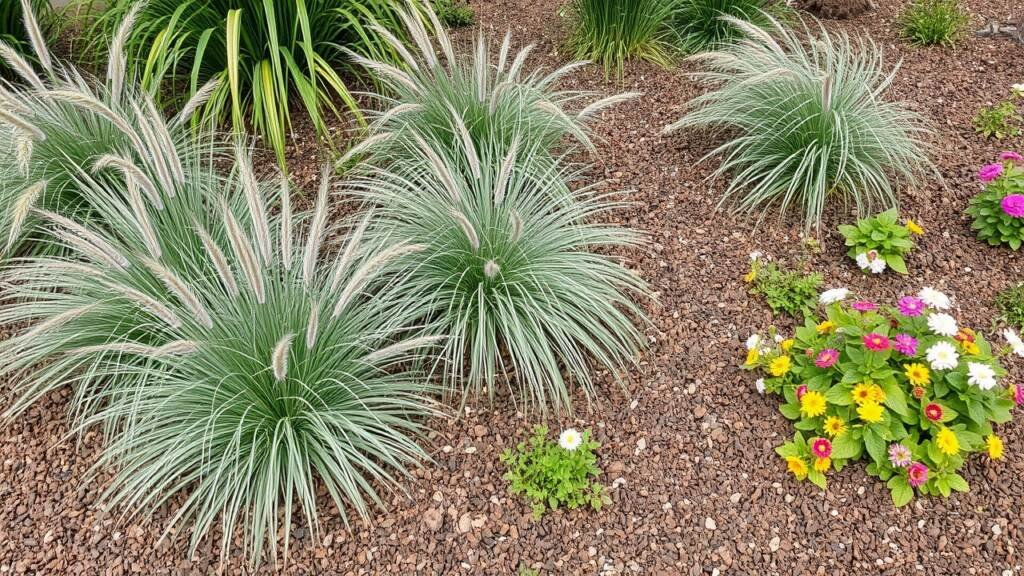
Ornamental grasses, such as Feather Grass and Blue Fescue, add texture and movement to the Inland Valley landscape. These drought-tolerant plants are low-maintenance and provide visual interest throughout the year. They thrive in full sun and well-drained soil, making them well-suited to the Inland Valley climate. The swaying movement of ornamental grasses creates a dynamic and naturalistic feel, enhancing the overall beauty of your garden while also promoting sustainable landscaping practices.
Best Plants for California’s Desert Regions

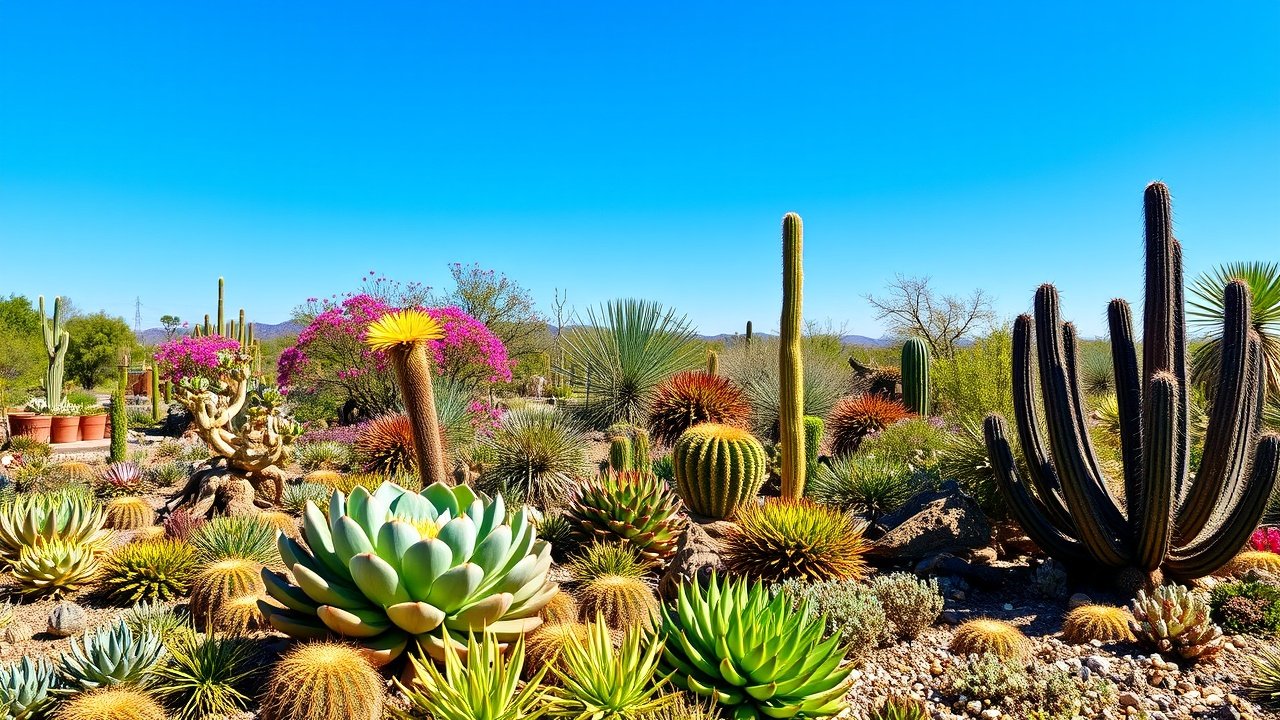
California’s desert regions are characterized by intense sunlight, high temperatures, and minimal rainfall. Landscaping in these areas requires selecting plants that are exceptionally drought-tolerant and can withstand harsh conditions. Creating a thriving desert garden means choosing species that are adapted to these unique environmental challenges and implementing water-wise strategies. It’s important to choose plants carefully.
Agave and Aloe Vera
Agave and Aloe Vera are structural and dramatic succulents that are exceptionally drought-resistant plants, making them ideal for desert landscapes. These plants require minimal water and thrive in full sun, showcasing their unique forms and textures. Agave and Aloe Vera come in various sizes and shapes, providing visual interest and architectural appeal to any desert garden. Their ability to store water in their foliage allows them to withstand extended periods of drought, making them a sustainable choice for dry climates. These are great native plants for landscaping.
Desert Marigold
Desert Marigold is a colorful and heat-tolerant perennial that adds vibrancy to the arid landscape. This native plant blooms profusely with bright yellow flowers, attracting pollinators and adding a splash of color to the desert environment. Desert Marigold thrives in full sun and requires minimal water, making it a perfect choice for drought conditions. Its resilience and beauty make it a popular choice for landscaping in California’s desert regions. It is a great California native plant.
Ocotillo
Ocotillo is a tall, striking, and native plant that is perfectly adapted to desert regions. This unique plant appears as a cluster of thorny, whip-like stems that burst into bloom with vibrant red flowers after rainfall. Ocotillo thrives in full sun and requires minimal water, making it an iconic feature of the desert landscape. Its distinctive form and resilience make it a focal point in any desert garden, showcasing the beauty and adaptability of desert flora. Ocotillo does love the heat.
Palo Verde Tree
The Palo Verde Tree is a small tree that provides shade with minimal water needs, making it an essential element in desert landscaping. This tree has vibrant green leaves and a smooth green bark that performs photosynthesis, allowing it to thrive even when foliage is scarce. During the spring, it produces masses of bright yellow flowers, creating a stunning visual display. The Palo Verde Tree thrives in full sun and well-drained soil, providing a much-needed canopy in the harsh desert environment.
Best Plants for California’s Mountain and Foothill Regions

California’s mountain and foothill regions present unique landscaping challenges with colder winters, dry air, and rocky soils. Plants need to be hardy and able to withstand frost, snow, and varying levels of sunlight. The best choices are often native plants adapted to these specific conditions, ensuring a sustainable garden that harmonizes with the natural environment. Knowing USDA hardiness zones is key.
California Poppy
California poppies are the native plant and the state flower, thriving in mountain meadows. They bloom profusely in spring with vibrant orange flowers, creating a stunning display. As a California native plant, it is exceptionally drought-tolerant once established. Poppies thrive in full sun and well-drained soil, making them perfect for slopes and rocky areas. Attracting pollinators, these cheerful blooms add beauty to any California landscape while requiring minimal care.
Toyon (Christmas Berry)
Toyon, also known as Christmas Berry, is an evergreen shrub that provides year-round interest in mountain and foothill gardens. This native plant features glossy green leaves and clusters of bright red berries in winter, attracting birds. As a California native, Toyon is relatively drought-tolerant and adapts well to rocky soils. It prefers full sun to partial shade and is a resilient choice for adding structure and seasonal color to your landscape.
Douglas Fir or Pine Trees
Douglas Fir or Pine Trees are resilient evergreens that provide structure and shade in mountain and foothill regions. These small trees are well-adapted to colder climates and can withstand snow and frost. As California natives, they contribute to the natural beauty of the area and provide habitat for wildlife. Plant these trees in full sun to partial shade and ensure they have enough space to grow to their mature size, creating a lasting landscape feature.
Yarrow
Yarrow is a drought-tolerant and low-maintenance perennial that is excellent for attracting pollinators in mountain and foothill gardens. This plant features feathery foliage and clusters of flowers in various colors, including yellow, white, and pink. Yarrow thrives in full sun and well-drained soil, making it a great choice for dry slopes and rocky areas. Its resilient nature and ability to attract butterflies make it a valuable addition to any mountain garden. Yarrow is a California native.
How to Design with California’s Climate in Mind
Designing a California landscape with the climate in mind is essential for creating a sustainable and thriving outdoor space. This involves considering factors such as water availability, soil type, and sun exposure. By carefully selecting plants that are well-suited to your specific region, you can minimize water consumption, reduce maintenance, and support local ecosystems, leading to a more beautiful and ecologically friendly garden.
Importance of Hydrozoning
Hydrozoning is the practice of grouping plants with similar water needs together in your landscape. This allows you to irrigate more efficiently and avoid overwatering or underwatering different areas of your garden. By creating distinct zones based on water requirements, you can tailor your irrigation schedule to meet the needs of each plant group, conserving water and promoting healthy growth. This is essential for sustainable landscaping.
Water Conservation Techniques
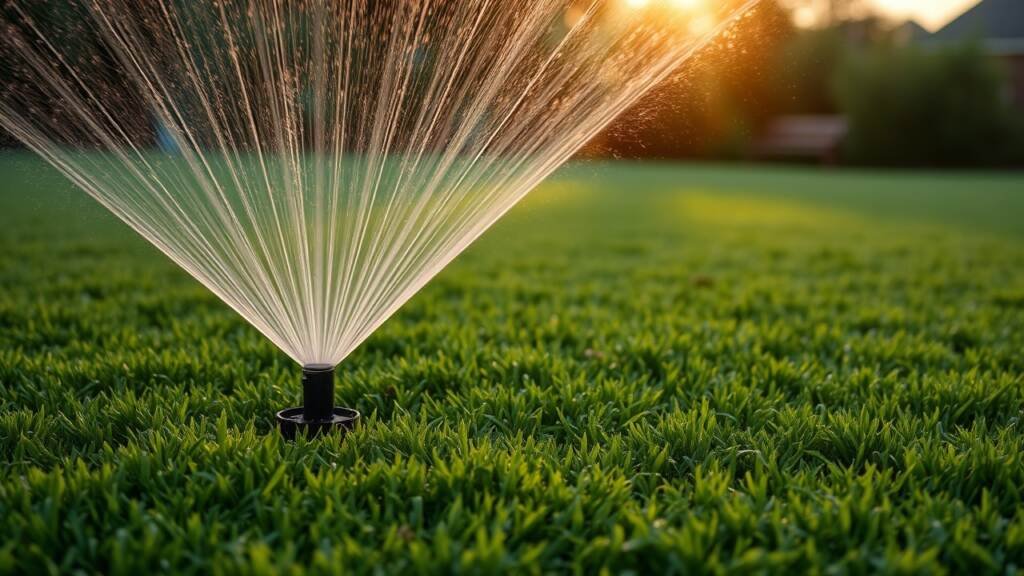
Implementing water conservation techniques is crucial for sustainable landscaping in California, especially given the state’s history of drought conditions. Using drip irrigation systems delivers water directly to the roots of plants, minimizing evaporation and runoff. Mulching helps retain soil moisture and suppress weeds, reducing the need for frequent watering. Collecting rainwater and reusing graywater can also significantly reduce your water consumption, making your garden more environmentally friendly and resilient.
Utilizing Native Plants
Choosing native plants for landscaping is an excellent way to create a sustainable landscape that thrives in California. These native plants are adapted to the local climate and soil conditions, requiring less water, fertilizer, and maintenance than non-native species. Using native plants also supports local ecosystems by providing habitat and food for pollinators and other wildlife. A California native garden is a beautiful and ecologically responsible choice for any homeowner.
Sustainable Landscaping Tips for All Zones
Creating a sustainable landscape in California requires a holistic approach that goes beyond just selecting the right plants. It involves adopting practices that conserve resources, reduce waste, and promote biodiversity. By implementing these strategies, you can create an outdoor space that is both beautiful and environmentally responsible, ensuring its long-term health and resilience. A sustainable approach will make sure your California landscape will thrive in full sun.
Composting and Organic Fertilizers
Using compost and organic fertilizers is essential for enriching the soil and promoting healthy plant growth in a sustainable garden. Compost improves soil structure, water retention, and nutrient availability, while organic fertilizers provide a slow-release source of essential nutrients. These practices reduce the need for synthetic fertilizers, which can harm the environment and disrupt soil ecosystems. Composting is a great way to keep your California native garden healthy.
Rainwater Collection
Rainwater collection is an excellent way to conserve water and reduce your reliance on municipal water sources. By installing a rainwater harvesting system, you can collect rainwater from your roof and store it for later use in your garden. This water is naturally soft and free of chemicals, making it ideal for irrigating plants. Rainwater harvesting can significantly reduce your water bill and contribute to a more sustainable lifestyle, making your native plant garden even better.
Permeable Pavers
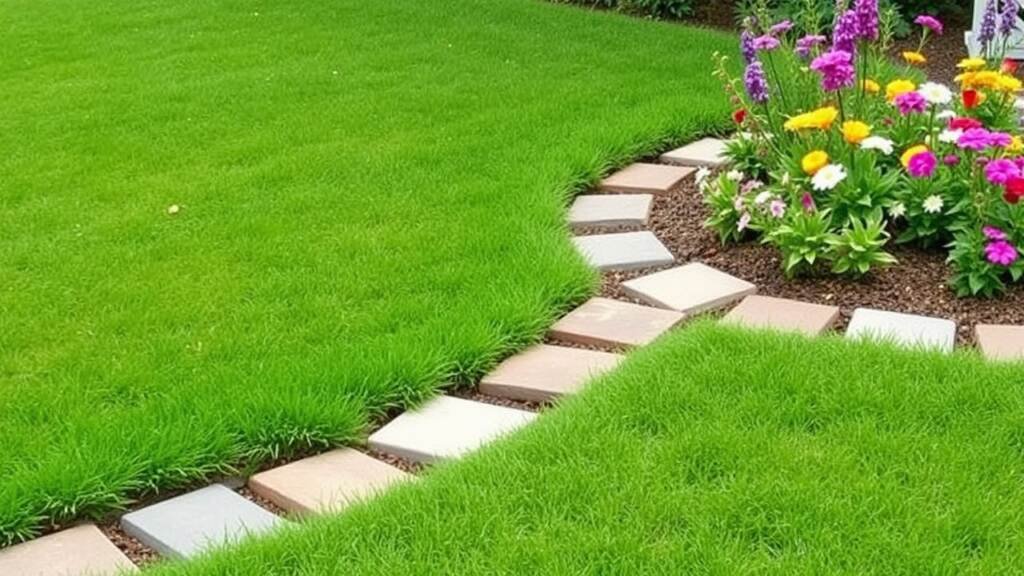
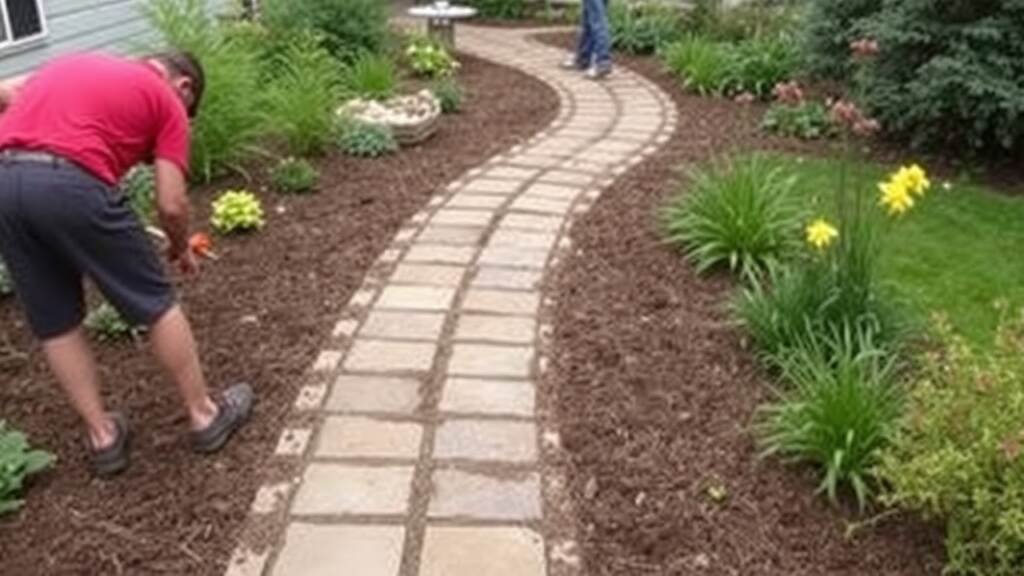
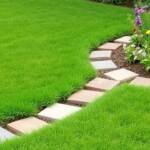
Using permeable pavers in your landscape design is a great way to reduce runoff and promote groundwater recharge. Permeable pavers allow water to infiltrate the ground, rather than running off into storm drains. This helps to reduce erosion, prevent flooding, and replenish groundwater supplies. By choosing permeable pavers, you can create a more environmentally friendly and sustainable outdoor space that benefits both your garden and the surrounding ecosystem and ensures the health of your California native plants.
- What is landscape construction? (full guide for homeowners)
- 85 best landscaping ideas for a beautiful yard in 2026
- Professional Post-Installation Lawn Care Guide | Destiny Landscape
- Soil regeneration techniques for a healthier landscape
- 10 new year’s resolutions for gardeners to grow a more productive garden