Benefits of Sod Grass Installation
When homeowners consider enhancing their outdoor spaces, sod grass installation stands out as an effective option. This method offers numerous benefits that transform yards into lush, vibrant areas with minimal hassle. Let’s delve into the primary advantages of sod installation.
Quick Results
One of the most appealing aspects of sod installation is the speed at which results can be seen. Unlike traditional seeding—where it may take weeks or even months for seeds to germinate and establish themselves—sod provides an instant lawn.

Imagine stepping into your yard, freshly sodded, and seeing a thick, green carpet right away. This instant gratification can be particularly beneficial for those looking to have a usable lawn for gatherings or children’s play quickly.
If you’re wondering “how to install sod grass” for prompt results, the steps are straightforward and can be completed in a single day if executed correctly. Therefore, if you’re looking for effective reasons to choose sod over seed, quick establishment tops the list.
Weed-Free Lawn
Another notable benefit of sod grass installation is the substantial reduction in weeds. Most sod is cultivated in controlled environments, reducing the risk of weed seeds being present.
When you lay sod, you:
- Start with a weed-free base
- Reduce the need for herbicides and chemical treatments
- Save time on maintenance, allowing you to enjoy your lawn more
Imagine no longer battling those pesky weeds every season. Instead, you can focus on enjoying your beautiful new lawn.
Erosion Control
For properties with sloped landscapes, sod installation is an excellent choice for erosion control. The established roots of sod create an immediate barrier against soil erosion by anchoring the ground in place.
This not only protects your lawn but also:
- Prevents runoff and loss of topsoil
- Reduces the risk of sediment entering nearby waterways
- Enhances your landscape’s visual appeal and stability
With these benefits combined, sod grass installation proves to be a wise investment for any homeowner looking to enhance their outdoor space. Transitioning to a new lawn is not just about aesthetics but also about creating a healthy, functional environment.
Choosing the Right Sod for Your Lawn
Once you’ve decided to install sod, the next crucial step is selecting the right variety for your specific lawn conditions. Choosing the appropriate sod can be the key to achieving a lush and thriving green space. Let’s explore the different sod varieties and the factors to consider when making your selection.
Understanding Different Sod Varieties
Sod comes in various types, each suited to particular climates, soil types, and personal preferences. Here are some popular varieties:
- Kentucky Bluegrass: Known for its rich color and soft texture, this variety thrives in cooler climates, making it ideal for areas with cold winters. It can take time to establish but rewards your patience with a stunning lawn.
- Bermudagrass: A popular choice in southern regions, Bermudagrass stands out for its durability and heat tolerance. It’s perfect for high-traffic areas, such as sports fields and family lawns.
- Fescue: This variety is well-suited for transitional climates and shade. Its deep roots help it compete for moisture, making it resilient during dry spells.
Understanding these varieties can empower you to choose the best type that meets your needs and environmental conditions.
Factors to Consider Before Selection
Before making your final decision, consider these essential factors:
- Climate: Determine your USDA hardiness zone to select sod that will thrive in your local environment.
- Sunlight: Observe how much sun your lawn area receives. Some sod varieties need full sun, while others thrive in shady conditions.
- Maintenance: Think about how much time you can commit to lawn care. For instance, Fescue requires less maintenance compared to Kentucky Bluegrass.
- Soil Type: Consider conducting a soil test. The pH and nutrient levels impact how well specific sod varieties will establish.
By weighing these factors and understanding the different sod varieties, you’re one step closer to achieving a beautiful, vibrant lawn that meets your needs and lifestyle. Whether you prefer a low-maintenance lawn or something that stands up to kids and pets, making informed choices will lead to flourishing green spaces.
Preparing Your Lawn for Sod Installation
Having chosen the right sod variety, the next vital step is preparing your lawn for sod installation. Proper preparation is essential for ensuring your new sod establishes itself healthily and thrives in the long run. Let’s dive into the critical steps to prepare your lawn effectively.
Soil Preparation
Preparing the soil is the backbone of a successful sod installation. A well-prepared soil foundation will provide your sod with the nutrients and drainage it needs. Here are the steps to take:
- Conduct a Soil Test: Before you begin, it’s ideal to analyze your soil’s pH and nutrient levels. Local agricultural extensions can provide testing services. This will guide you in adjusting the soil accordingly.
- Amend the Soil: Based on the results, you might need to add lime to balance acidity or organic material like compost to improve nutrient content.
- Tilling: Using a rototiller, loosen the top 3 to 4 inches of soil. Tilling helps aerate the soil and allows nutrients to reach the root zone more efficiently.
- Leveling: Rake the tilled soil smooth to remove any clumps or rocks. This step not only ensures even sod laying but also prevents water pooling in low spots.
Removing Existing Grass and Weeds
To guarantee your new sod thrives, it’s essential to remove any existing grass and weeds that may compete for resources. Here’s how to effectively clear your lawn:
- Manual Removal: For small areas, you can dig out existing grass with a spade. Ensure you remove the roots to prevent regrowth.
- Sod Cutter: If you’re tackling a larger space, consider renting a sod cutter. This tool makes it easy to slice beneath existing grass and lift it from the ground.
- Herbicides: While a more drastic measure, applying a non-selective herbicide can effectively kill off unwanted vegetation. Just ensure to follow package directions and allow sufficient time for the chemicals to break down before installing your new sod.
Taking these preparation steps not only sets the foundation for successful sod installation but also contributes to a lush, green lawn that you can enjoy for years to come. With a little effort upfront, you’ll create an ideal environment for your beautiful new sod to flourish.
Steps to Properly Install Sod Grass
With your lawn well-prepared for sod installation, it’s time to get into the specifics of laying down your new sod. Two critical steps in this process are measuring and ordering the right amount of sod, as well as using effective installation techniques to ensure a seamless finish.
Measuring and Ordering Sod
Before you can place an order for sod, you need to determine the exact amount you require. Accurate measurements will save you time, money, and prevent excess waste. Here’s how to do it:
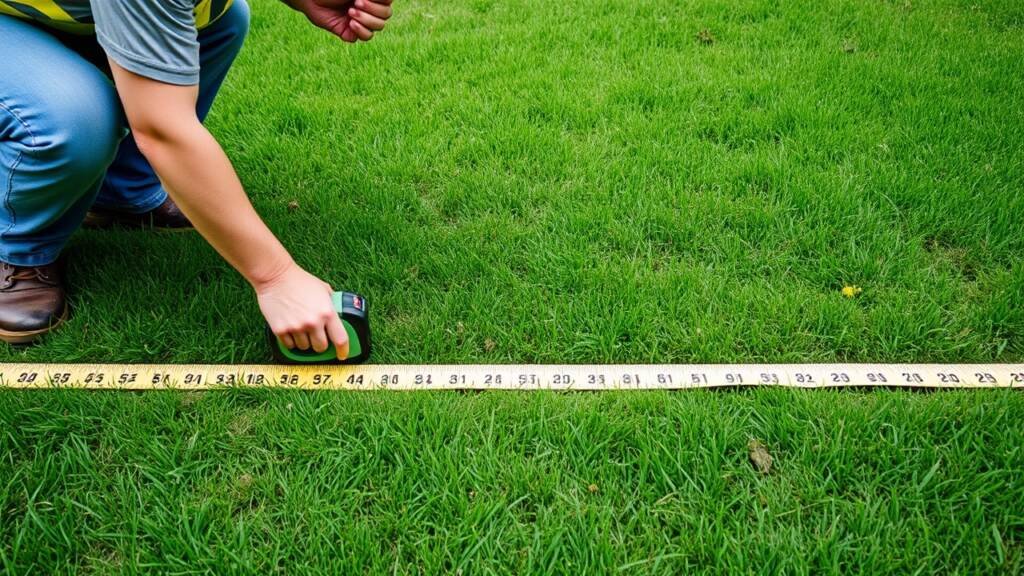
- Measure Your Lawn Area: Use a tape measure to calculate the length and width of your lawn. For irregular shapes, break the area down into squares or rectangles and calculate the total square footage.
- Example: If your lawn measures 40 feet long by 25 feet wide, then the area = 40 x 25 = 1,000 square feet.
- Order Extra Sod: It’s always wise to order a bit more than the exact measurement, typically 5-10%. This accounts for mistakes, cuts, or curves in your lawn layout.
- Choose a Reputable Supplier: Look for local sod suppliers or “sod installation near me” services that offer fresh, high-quality sod. Always check for recent harvest dates and consider discussing your specific lawn’s needs with them.
Installation Techniques for Seamless Results
Once you have your sod, proper installation will set the stage for its success. Follow these techniques for a seamless and attractive finish:
- Start Along the Longest Edge: Begin laying sod along a straight edge, such as a driveway or path. This provides a guide for the rest of the installation.
- Stagger the Joints: Just like bricklaying, stagger the seams between pieces of sod for strength and an even appearance. This method prevents large gaps and promotes a more seamless look.
- Press and Water: As you lay each piece, gently press down to eliminate air pockets. After installing all pieces, water thoroughly to help with root establishment.
- Trim as Necessary: Use a sharp knife to trim edges and fit sod into tight spaces around trees or sidewalks.
By measuring accurately and employing effective installation techniques, you’re not only ensuring the sod lays beautifully but also creating a strong foundation for your new lawn to thrive. The effort you put into these steps will pay off as you watch your sod establish itself into a lush and vibrant green space.
Post-Installation Care and Maintenance
Congratulations on successfully laying your sod! However, the journey doesn’t end there. Proper post-installation care is crucial to ensure your new lawn establishes firmly and flourishes over time. Two key aspects of this care are adhering to a diligent watering schedule and understanding the best practices for fertilization and weed control.
Watering Schedule
Watering your sod correctly is perhaps the most vital aspect of post-installation care. Fresh sod needs consistent moisture to establish healthy roots. Here’s how to create an effective watering schedule:
- Initial Watering: Water your sod immediately after installation, soaking it thoroughly to avoid air pockets. Aim for 1 to 2 inches of moisture.
- Daily Watering: For the first two weeks, keep the sod moist by watering daily—ideally in the early morning or late evening. This reduces evaporation.
- Tip: To check for adequate moisture, lift a corner of a sod piece. If it feels damp underneath, you’re on the right track!
- Reduce Frequency: After two weeks, gradually reduce watering to every 2-3 days for another week. By the end of this period, the roots should start establishing themselves.
- Less Frequent Deep Watering: After the first month, transition to deep watering once a week, allowing the soil to dry out slightly between sessions.
Fertilization and Weed Control
Fertilization and weed control are essential to promote healthy growth and minimize competition. Here’s what you need to do:
- Fertilization: Apply a starter fertilizer about 4-6 weeks after installation. Look for products high in phosphorus to encourage root development. Follow the package instructions for application rates.
- Weed Control: It’s crucial to keep weeds at bay, especially in the early stages. During the first few months, avoid using herbicides; instead, manually pull any emerging weeds.
- Once your new sod has taken root (usually after 6-8 weeks), you can start applying a selective herbicide if necessary.
By following this watering schedule and fertilization approach while keeping weeds at bay, you’ll be setting your sod up for a vibrant and sustainable future. Remember, consistent care in these early stages will reward you with a lush lawn that becomes the envy of the neighborhood. Enjoy your beautiful new sod lawn!
Troubleshooting Common Sod Installation Issues
Even with the best preparations and care, you may encounter some challenges after installing your sod. Understanding how to troubleshoot these common issues, such as patchy areas and pest problems, will help you maintain a vibrant and healthy lawn. Let’s explore how to handle these situations effectively.
Dealing with Patchy Areas
It’s not uncommon for new sod to develop patches due to various factors, such as poor soil preparation or inconsistent watering. If you notice uneven growth or bald spots, don’t panic. Here’s how to address these patchy areas:
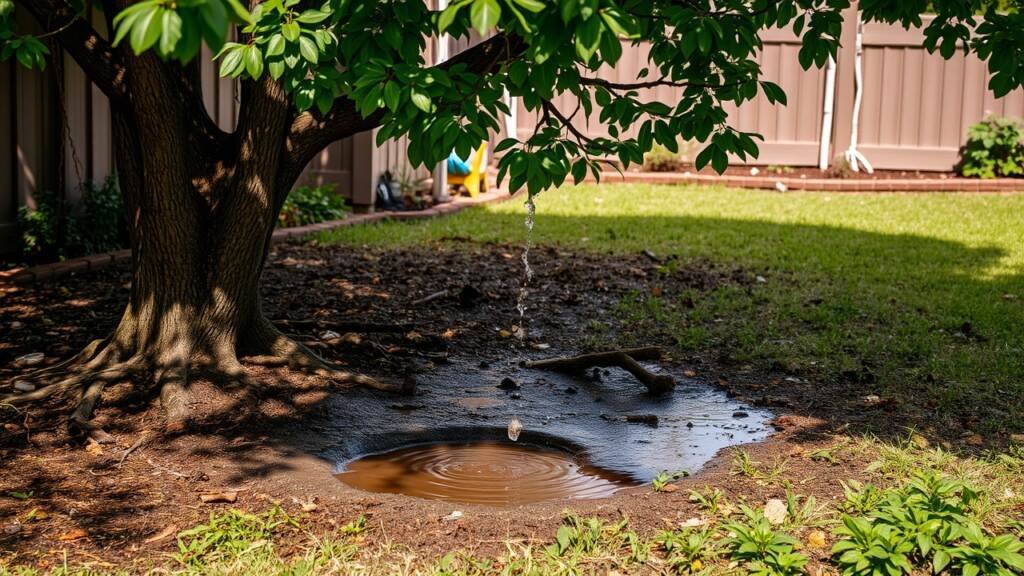
- Identify the Cause: Observe if the patchy areas are associated with drainage issues, insufficient light, or weed competition.
- Reseed or Replace: For small patches, consider reseeding the affected areas with the same sod variety. This method allows for a more seamless look. If patches are widespread, you may need to replace entire sections with fresh sod.
- Topdress: Applying a thin layer of soil or compost over the patchy areas can improve nutrition and promote growth.
- Consistent Care: Ensure you adjust your watering schedule to maintain uniform moisture levels across the entire lawn.
Remember, consistency is key, and with time, patchy areas can fill in.
Addressing Pest Problems
Another challenge you may face is pest infestations. Sod can attract various pests such as grubs, chinch bugs, and aphids, which can significantly impact its health. Here’s how to effectively manage these issues:
- Regular Inspections: Check your lawn frequently for signs of pests. Look for irregular patches of dead grass, discoloration, or excessive insect activity.
- Natural Remedies: In the early stages, consider using natural repellents like neem oil or diatomaceous earth. These can deter pest populations without harming beneficial insects.
- Consulting Experts: If the problem escalates, don’t hesitate to contact professional sod installers or pest control services. They can provide targeted solutions and treatments tailored to your specific pest problems.
By being proactive in identifying patchy areas and addressing any pest concerns, you’ll ensure your new sod continues to flourish. A little vigilance goes a long way in maintaining a healthy, vibrant lawn that you can enjoy for years to come. Keep nurturing your sod, and it will reward you with lush green beauty!
Enjoying and Enhancing Your Lush Sod Lawn
Now that your sod has established itself beautifully, it’s time to fully enjoy the lush green expanse you’ve created. However, it doesn’t just end with installation and maintenance; implementing a mowing routine and adding personal touches through landscaping will enhance both the beauty and functionality of your yard.
Implementing a Mowing Routine
Mowing is not just about keeping your lawn neat; it’s crucial for promoting healthy growth as well. Here are some tips for an effective mowing routine:
- Know the Right Height: Different grass types have varying height requirements. For instance, Kentucky Bluegrass should be kept at around 2.5 to 3 inches, while Bermudagrass can be cut shorter at around 1.5 to 2 inches. Proper height promotes deeper root growth and better resistance to drought and weeds.
- Mow Regularly: Aim to mow once a week during the growing season. Regular mowing encourages lateral growth, leading to a denser and fuller lawn.
- Use Sharp Blades: Ensure your mower blades are sharp; dull blades can tear the grass, leading to damage and potential disease.
- Change Up Your Mowing Pattern: Altering your mowing pattern each time helps prevent soil compaction and promotes even growth.
Adding Personal Touches with Landscaping
A lush lawn provides the perfect backdrop for creating an inviting outdoor oasis. Here’s how to style it further:
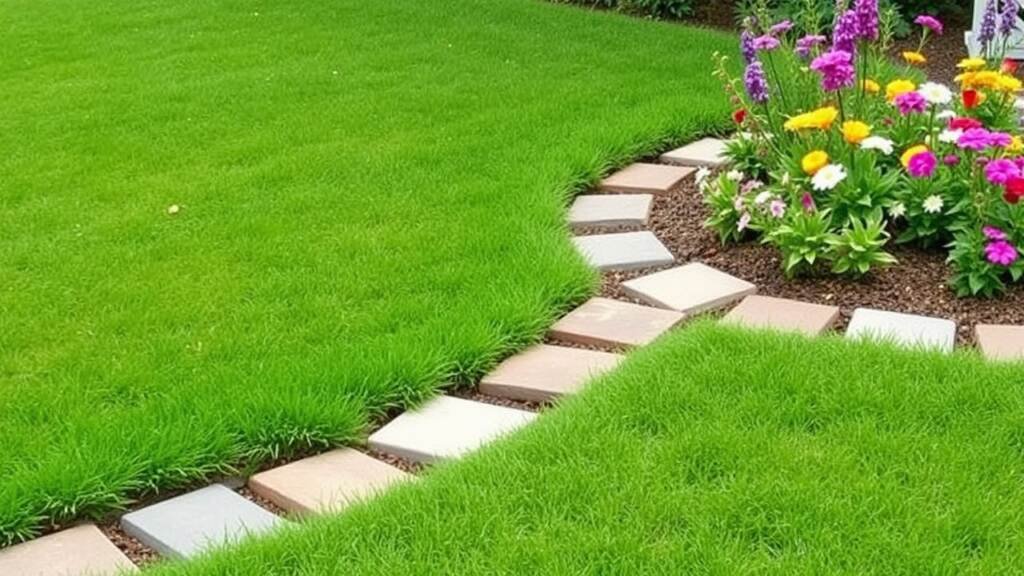
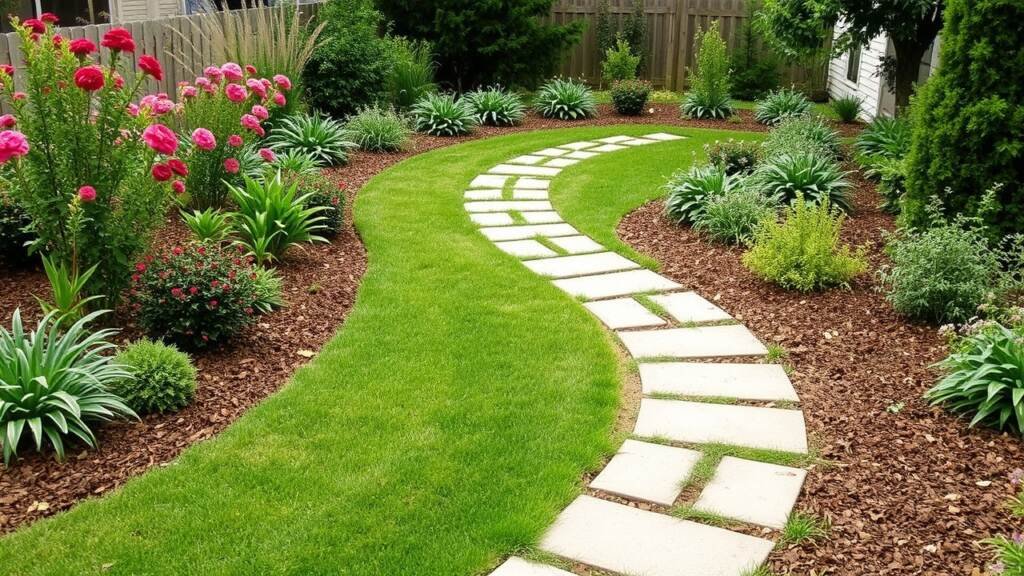
- Flower Beds: Consider adding colorful flower beds along the edges of your sod. Choose annuals or perennials that bloom at various times of the year for continuous color.
- Borders and Pathways: Use stones, mulch, or decorative timbers to create borders that define your lawn. Incorporating pathways can guide guests through your yard, enhancing the overall space.
- Outdoor Features: Think about including seating areas, fire pits, or decks. These elements make your lawn a functional space for outdoor gatherings and relaxing evenings.
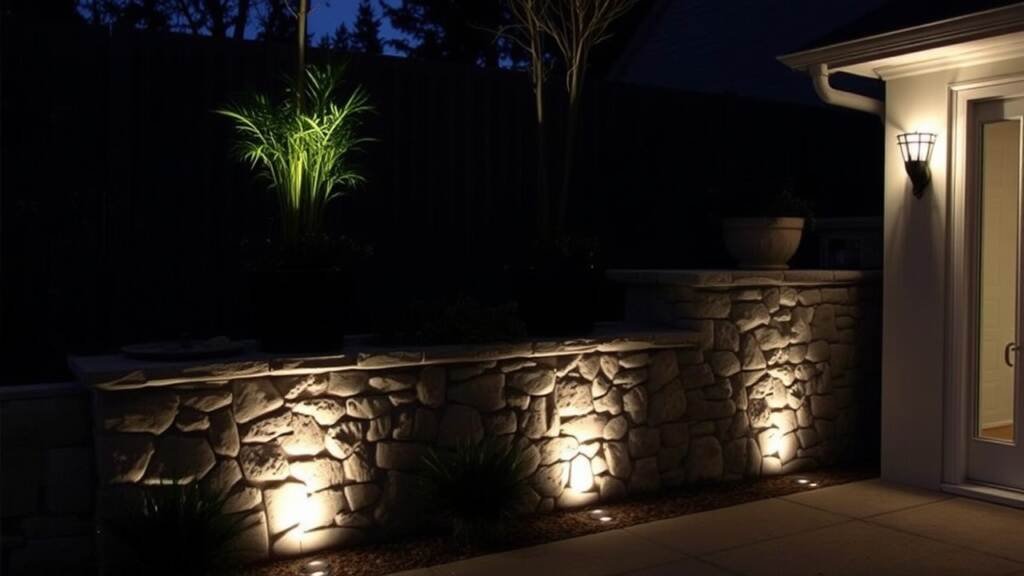
- Plan for Lighting: Incorporating outdoor lighting enhances the beauty of your lawn during the evenings. Path lights, string lights, and spotlights on trees or garden features can create a magical atmosphere.
With a consistent mowing routine and thoughtful landscaping touches, your lush sod lawn will not only be a sight to behold but also a delightful space for family and friends to enjoy. You’ve invested the time and effort; now it’s time to relish the beauty of your outdoor sanctuary!
Conclusion
After all the steps, considerations, and care that go into installing sod, you’re equipped with the knowledge to enjoy a vibrant lawn for years to come. Let’s recap the key steps involved in sod installation and the long-term benefits you can expect from maintaining a healthy sod lawn.
Recap of Sod Installation Steps
- Choosing the Right Sod: Begin by understanding different sod varieties to select the one that best suits your climate and lawn conditions.
- Preparing Your Lawn: Thoroughly prepare the soil by testing its composition, removing existing grass and weeds, and ensuring optimal conditions for new sod.
- Measuring and Ordering: Measure your lawn area accurately, order just enough sod with a little extra to account for any additional needs.
- Installation Techniques: Lay the sod using proper techniques, including staggering seams and securing each piece to eliminate air pockets.
- Post-Install Care: Implement a rigorous watering schedule and fertilization plan while addressing weeds to foster healthy growth.
- Troubleshooting: Be vigilant about common issues like patchy areas and pest problems, and know how to remedy them if they arise.
- Enjoying Your Lawn: Establish a mowing routine and incorporate landscaping to make your lawn not just functional but also aesthetically pleasing.
Long-Term Benefits of a Well-Maintained Sod Lawn
Investing in sod installation pays off significantly over time. A well-maintained sod lawn can offer numerous long-term benefits, including:
- Enhanced Aesthetics: A lush, green lawn consistently adds beauty and curb appeal to your home.
- Increased Property Value: A vibrant lawn can elevate the market value of your property as buyers are often willing to pay more for homes with well-maintained outdoor spaces.
- Environmental Contributions: Healthy lawns help reduce soil erosion, improve air quality, and enhance local biodiversity, making your yard a little haven for wildlife.
- Better Quality of Life: A well-kept lawn serves as a great space for family activities, outdoor entertaining, and enjoying quiet moments in nature.
In conclusion, with careful planning, execution, and ongoing maintenance, you can transform your outdoor space into a lush paradise that not only enriches your home’s value but also uplifts your quality of life. So, roll up your sleeves and embrace the satisfaction of nurturing your very own green sanctuary!
- Zen Garden Design: Japanese Garden Ideas for a Serene Space
- How to Aerate Your Lawn the Easy Way – Boost Soil Health & Grass Growth
- 10 Best Landscape & Lawn Care Service Near Me | Yard Maintenance
- How a Free Landscape Design App Can Boost Your Landscaping Advertising in Olympia, WA
- Garden Power Tools: Hedge Trimmers, Tillers, Leaf Blowers & Chainsaws Reviewed